

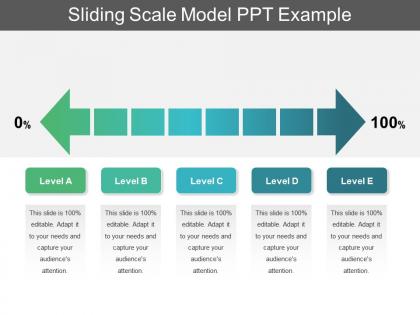
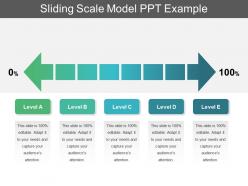
Sliding scale model ppt example




Try Before you Buy Download Free Sample Product
 Impress Your
 Audience
 100%
100% Editable
 Save Hours
 of Time


Come into the frame with our Sliding Scale Model Ppt Example. Get included in elite groups.
People who downloaded this PowerPoint presentation also viewed the following :
Sliding scale model ppt example with all 5 slides:
Give your thoughts that cuddly feel. Give them the soft touch of our Sliding Scale Model Ppt Example.

FAQs for Sliding scale
So you'll need a base price, then figure out what triggers the different rates - income, volume, whatever makes sense for your thing. Create 3-5 pricing tiers with clear cut-offs because honestly, more than that gets messy to track. Don't make people prove their life story just to qualify though - keep verification simple. I'd actually start by figuring out who your customers are first, then build the pricing around those groups. The whole point is making it feel fair without turning into a headache for you to manage, you know?
So basically, sliding scale pricing is genius because it opens up your services to people who'd normally be priced out. Instead of losing those customers completely, you're getting *something* from them while helping folks who genuinely need it. Businesses win with higher volume and crazy loyal customers - people remember when you made things possible for them. Plus you're tapping into market segments you'd never reach otherwise. The trick is figuring out your income tiers so you don't accidentally devalue everything (been there!). It's honestly one of those rare models where everyone actually benefits.
So many places do this! Healthcare's huge for it - therapists, doctors, clinics all adjust based on what you make. Nonprofits are all over sliding scales too, especially for classes and community stuff. Tech companies started doing tiered pricing depending on how much you use their software or how big your company is. Legal aid does it, tutoring places, even some gyms I've seen. Basically any field where customers have wildly different incomes. The tricky part is asking for income proof without being weird about it - nobody wants to feel judged, you know?
Honestly, the biggest win is just reaching way more people - you're not automatically cutting out folks who can't swing your usual rate. Plus it builds solid relationships since clients feel like you actually get their situation. I've found demand stays pretty steady too because you're not losing people over money stuff. Oh and clients tend to be way happier when pricing feels fair to them. Just make sure you set up clear guidelines from the start so you don't end up haggling every single time.
Just be super upfront about it - don't make people guess what they should pay. Put clear tiers right on your site with specific income ranges or business sizes. I'd say something like "pay what works for your budget" instead of fancy corporate language. Real examples help too, like showing testimonials from people using different tiers so it feels normal. The whole point is making it seem like smart business, not charity (which honestly some people might assume). Oh and definitely test your messaging with a few current customers first - they'll tell you if it sounds weird or makes sense.
Look at your community's income spread and what living costs actually are around you. Federal poverty guidelines work as a starting point, but honestly they're pretty outdated for most places. Start with maybe 3-4 income tiers - any more than that and you'll hate yourself when tax season rolls around. Test it out for a few months first. See who actually shows up and what they can pay. Your org needs to stay afloat too, so figure out how much lost revenue you can handle without going under. The whole thing's way easier to tweak once you've got real data instead of just guessing.
Honestly, sliding scale pricing is genius for keeping customers happy and loyal. People really appreciate when you acknowledge their financial reality - it shows you actually care about them as humans, not just wallets. Instead of losing customers when they hit rough patches, they'll stick with you because the pricing flexes with what they can handle. Trust me, it beats those rigid pricing structures that feel so impersonal. The key is being upfront about how your scale works so nobody feels weird bringing up money stuff. It's rare to find something that genuinely helps both sides.
Yeah totally! Most people do it as like a special tier - so your regular pricing stays the same, but nonprofits or students get the sliding scale option. Volume discounts work great with it too. Some companies even use it to upsell, which honestly seems backwards but apparently works? Just be super clear about who qualifies and when it kicks in. I'd figure out which customers need it most first, then set up guidelines so your team isn't guessing. Oh and definitely don't hide it - transparency is everything with this stuff.
Honestly, the biggest mistake is overcomplicating your tiers. Keep breakpoints simple - income, company size, stuff that's easy to verify. Your team will thank you later. Build in reviews every few months because what works now probably won't in six months (learned this the hard way). Make sure your lowest tier still covers costs, obviously. Documentation requirements should be crystal clear upfront. Train your team on edge cases so they're not bugging you every time something weird comes up. Oh, and keep the application process dead simple or people just won't bother.
Economic conditions totally make or break sliding scale pricing. When times get tough, way more people qualify for discounts - which honestly can hurt your bottom line pretty hard. But that's also when these models shine brightest! Good times mean fewer discount seekers, so revenue stays solid. You've gotta build in flexibility though. Adjust those income thresholds based on what's happening locally. Always keep some cash reserves too - learned that one the hard way. Oh, and tweak your discount percentages when needed. The whole thing works best when you can roll with economic punches instead of staying rigid.
APIs can pull financial data straight from banks and tax systems - way better than dealing with endless paperwork, trust me. Real-time pricing adjustments happen automatically instead of someone manually crunching numbers all day. Customer portals are clutch because people can update their info whenever life changes. Automated tiering is probably the biggest game-changer though. Your system instantly figures out what tier they qualify for. Dashboard alerts let you track usage patterns, then you can tweak the scale brackets as needed. Honestly makes the whole income verification thing so much smoother.
Basically, sliding scale pricing makes things fair by charging people what they can actually pay instead of one price that shuts out anyone without money. Create like 3-4 different tiers based on income - wealthier clients end up covering costs for those who pay less. Honestly, I think it's genius because you're helping more people AND still making money. Way better than just turning folks away, you know? Look up average income levels in your area first - that'll help you figure out what price ranges actually make sense for your community.
You really need to dig into market research first - that's what'll tell you where to set your price points and income cutoffs. Look at your target customers, what they actually earn, and what they're already spending on similar stuff. I've watched so many sliding scales crash because people just winged the numbers! Also check how price-sensitive different groups are and if there's any weird stigma around using sliding scale pricing. Honestly, without this info you're just guessing and hoping for the best. Start by surveying current customers and pulling local income data for your area.
So you'll need to watch a few things to see if it's actually working. Revenue trends obviously, but also how many customers you're getting at each price point. Customer satisfaction is honestly the biggest tell - if people think it's fair, you're golden. Track what percentage picks each tier too. The cool part is when those lower-paying customers make up for any revenue drops through sheer volume. Oh, and retention rates by segment matter a lot. Set your baseline numbers first, then check monthly for like three months. That should give you a decent read on whether you nailed it.
Oh totally! Patagonia does this awesome thing where they charge different amounts for repairs based on what people make - honestly genius for building loyalty. Planned Parenthood's been doing sliding scale forever too, makes their services way more accessible. Community agriculture programs are another good example - families just pay what they can for produce shares. The trick is being super clear about your income brackets and not being weird about it. Most of these places just post their sliding scales right on their websites. Actually, check out how Patagonia explains theirs - really straightforward approach.
-
Professional and unique presentations.
-
Unique research projects to present in meeting.