


Smart Learning Technologies Sector AI Image PowerPoint Presentation PPT ECS




Try Before you Buy Download Free Sample Product
 Impress Your
 Audience
 100%
100% Editable
 Save Hours
 of Time


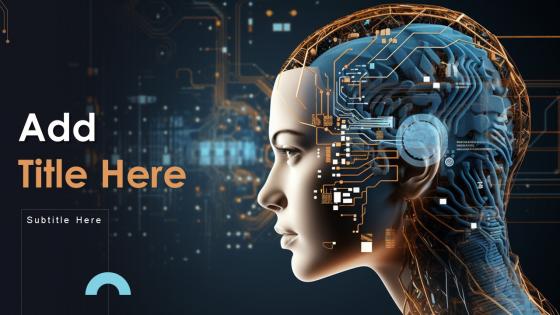
This slide showcases an electric circuit within a human brain, representative of machine learning.
People who downloaded this PowerPoint presentation also viewed the following :
Smart Learning Technologies Sector AI Image PowerPoint Presentation PPT ECS with all 9 slides:
Use our Smart Learning Technologies Sector AI Image PowerPoint Presentation PPT ECS to effectively help you save your valuable time. They are readymade to fit into any presentation structure.








FAQs for Smart Learning Technologies Sector AI Image PowerPoint
Latest trends in smart learning technologies include AI-powered personalized learning platforms, immersive VR/AR educational experiences, adaptive assessment systems, blockchain credentialing, and intelligent tutoring systems. These technologies enhance learning outcomes by delivering customized content, creating engaging interactive environments, and providing real-time feedback, with educational institutions finding that students achieve significantly better retention rates and skill development.
Adaptive learning systems personalize education by analyzing student performance data, identifying knowledge gaps, adjusting content difficulty in real-time, and providing customized learning pathways based on individual pace and preferences. These technologies enable schools and universities to deliver targeted instruction, reduce learning time, and improve student outcomes, with many educational institutions finding that personalized approaches significantly enhance engagement and academic achievement.
Artificial intelligence enhances smart learning environments by personalizing content delivery, automating assessments, providing real-time feedback, analyzing learning patterns, and facilitating adaptive curricula. Through machine learning algorithms, educational institutions streamline instruction while delivering customized experiences, with universities and corporate training programs finding that AI-powered platforms significantly improve engagement, retention rates, and ultimately learning outcomes.
Gamification enhances student engagement through smart learning technologies by incorporating game elements like points, badges, leaderboards, and interactive challenges into educational content. These approaches transform traditional learning experiences into dynamic, competitive environments, with many educational institutions finding that gamified platforms increase participation rates, improve knowledge retention, and deliver measurable improvements in academic performance.
Smart learning technologies support inclusivity by providing personalized learning paths, multilingual content delivery, adaptive assessments, and accessibility features for students with disabilities. These platforms enable educators to accommodate different learning styles, cultural backgrounds, and academic levels simultaneously, with many schools finding that AI-powered tools significantly enhance engagement and academic outcomes across diverse student populations.
Educators face challenges including inadequate technical training, insufficient infrastructure, budget constraints, resistance to change, and concerns about screen time balance. While these obstacles can seem daunting, many schools find that strategic implementation through phased rollouts, comprehensive professional development, and community engagement ultimately delivers enhanced student outcomes, streamlined administrative processes, and competitive educational advantages.
Data analytics contribute to better learning outcomes by tracking student engagement, identifying knowledge gaps, personalizing content delivery, and measuring comprehension patterns in real-time. Through predictive modeling and performance dashboards, educators can adjust teaching strategies, provide targeted interventions, and optimize curriculum pacing, with many schools finding that data-driven insights ultimately enhance academic achievement and student retention rates.
Mobile learning significantly enhances student engagement through interactive content, personalized learning paths, and flexible access that accommodates diverse schedules and learning preferences. Educational institutions increasingly find that mobile platforms deliver higher completion rates, improved knowledge retention, and better learning outcomes by enabling bite-sized lessons, gamification elements, and real-time progress tracking that keeps students motivated and connected.
Smart learning technologies facilitate remote and hybrid environments by providing adaptive content delivery, real-time collaboration tools, personalized learning pathways, and seamless integration across devices. These platforms enable educational institutions and corporate training programs to maintain engagement through interactive simulations, automated assessments, and data-driven insights, ultimately delivering consistent learning experiences regardless of location while reducing administrative overhead.
**INPUT**: What ethical considerations should be addressed in the use of smart learning technologies? **OUTPUT**: Key ethical considerations include data privacy protection, algorithmic bias prevention, transparent decision-making processes, equitable access across demographics, and maintaining human oversight in educational assessments. These concerns require strategic frameworks that balance innovation with responsibility, with many educational institutions finding that proactive ethical guidelines ultimately enhance student trust, improve learning outcomes, and deliver sustainable competitive advantage in an increasingly digital landscape. [Word count: 60 words]
Collaboration tools within smart learning platforms enhance teamwork skills by facilitating real-time communication, shared document editing, and coordinated project management across diverse student groups. These technologies enable students to develop essential workplace competencies like conflict resolution, task delegation, and cross-functional collaboration, with many educational institutions finding that graduates demonstrate significantly stronger interpersonal and leadership capabilities.
Smart learning technologies present both cost challenges and opportunities, including initial hardware investments, software licensing, staff training, and ongoing maintenance expenses. However, many educational institutions find that these technologies ultimately deliver significant cost savings through reduced physical materials, streamlined administrative processes, and improved operational efficiency, while enhancing student outcomes and institutional competitiveness.
Smart learning technologies support lifelong learning by delivering personalized content, adaptive assessments, microlearning modules, and skill-gap analysis tools that accommodate busy professional schedules. Through AI-driven platforms, professionals in healthcare, finance, and technology can access targeted training, track competency development, and earn certifications remotely, while organizations enhance workforce capabilities and competitive advantage.
Cloud-based solutions enhance access to smart learning resources by enabling remote learning, reducing infrastructure costs, facilitating real-time collaboration, and providing scalable storage for multimedia content. These platforms streamline educational delivery across institutions, with universities and corporate training programs finding that cloud integration ultimately delivers faster content updates, broader accessibility, and significantly improved learning experiences.
Educators can assess smart learning technology effectiveness through student performance analytics, engagement metrics, learning outcome comparisons, and feedback surveys from both students and peers. Many institutions find that combining quantitative data like completion rates and test scores with qualitative insights from classroom observations ultimately delivers comprehensive evaluation frameworks, enabling continuous improvement and strategic technology integration decisions.
-
Innovative and attractive designs.
-
The content is very helpful from business point of view.