


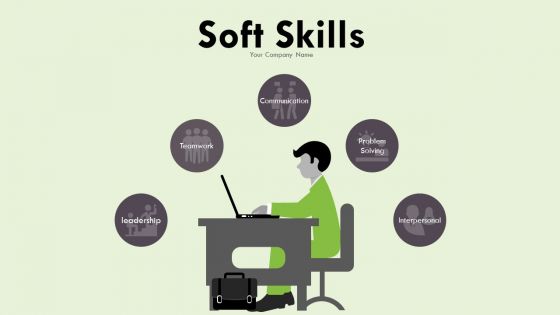
Soft Skills Ppt Infographics Background Designs Ability To Work In A Team




Try Before you Buy Download Free Sample Product
 Impress Your
 Audience
 100%
100% Editable
 Save Hours
 of Time


Our Soft Skills Ppt Infographics Background Designs Ability To Work In A Team generate better feedback. They encourage employees to feel free.
People who downloaded this PowerPoint presentation also viewed the following :
Soft Skills Ppt Infographics Background Designs Ability To Work In A Team with all 13 slides:
Avoid any faux pas with our Soft Skills Ppt Infographics Background Designs Ability To Work In A Team. You will never commit any gaffes.

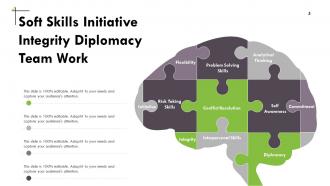
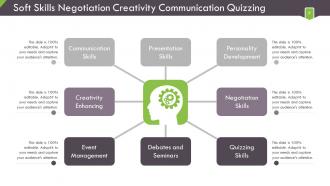
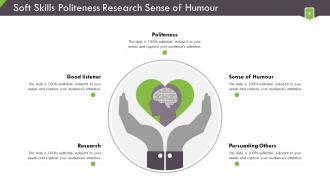
FAQs for Soft Skills Ppt Infographics Background Designs Ability To Work
Honestly? Start with just being reliable - show up prepared and hit your deadlines. Communication's obviously huge, but I mean really listening, not just waiting for your turn to talk. Trust matters more than people think because your team has to know you'll actually follow through. Oh, and learn to handle conflict early because people will disagree - it's just gonna happen. Stay flexible when priorities change (and they always do). Give feedback that doesn't make people defensive. The biggest thing though? Speak up early if something's going wrong. Nobody likes surprises, especially bad ones.
Honestly, active listening is a game changer for teamwork. People feel way more valued when you actually focus on what they're saying instead of planning your next response. I've noticed you pick up on stuff others miss - like when someone's hesitant about a deadline or whatever. Plus team members get way more open with ideas when they know you're genuinely paying attention. Those annoying miscommunications that kill projects? They happen way less. Next meeting, just put your phone away and ask some follow-up questions. Everyone gets so much more engaged, it's wild.
Honestly, EQ is everything when it comes to working with people. If you can't read the room or notice when someone's stressed, you're gonna struggle. I've watched super smart people completely bomb group projects just because they got defensive about feedback or didn't realize their teammate was drowning. Short sentences work. But being able to empathize and adjust how you communicate based on what's happening - that's what makes teams actually click. Oh, and managing your own reactions when things get tense? Game changer. Next time you're in a meeting, just watch people's body language more.
Honestly, conflict resolution makes or breaks teams. I've watched groups completely fall apart over tiny disagreements that could've been fixed with one real conversation. The trick is getting people comfortable bringing up issues before they explode into drama. You want debate about ideas - that's actually healthy - but keep it from getting personal. Focus on solutions instead of pointing fingers, and really listen when someone's talking. Oh, and create that safe space thing early on. Teams that can't handle conflict? They're basically doomed from the start.
Honestly, mixing up your team is like having different tools in a toolbox - everyone tackles problems their own way. Someone from marketing might see something an engineer totally misses. I've noticed the "weirdest" ideas often end up being game-changers once you actually think them through. Your blind spots become super obvious when someone else points them out. It's kinda like how you can't see typos in your own writing but your friend spots them instantly. Next time you're really stuck, grab whoever thinks the opposite way from you. Trust me on this one.
Oh, this is actually easier than it sounds! Start with SMART goals - you know, specific, measurable, all that good stuff. But here's the key: get everyone involved when you're setting them up. Nobody cares about goals they didn't help create, trust me. Write everything down somewhere visible - could be a shared doc, project board, whatever works for your team. I'm old school so I still love a good whiteboard sometimes. Break the big scary objectives into smaller chunks so you can actually celebrate progress. Then just check in regularly to see how it's going. Goals should guide you, not stress you out constantly.
Honestly? Just trust people to own their stuff and make decisions in their areas. I always share info openly so everyone has the full picture - it's crazy how much better people perform when they actually know what's going on. Really listen to their ideas too, don't just nod along. When someone does great work, call it out specifically. Hand off actual meaningful projects, not just the grunt work nobody wants. And here's the thing - you've got to have their back when they take reasonable risks. Most people just want to feel safe throwing out ideas without getting torn apart for it.
Honestly, start with making people feel safe to mess up - nobody's gonna speak up if they think you'll throw them under the bus. I always share my own screwups first, makes everyone else way more comfortable being real about theirs. Don't promise stuff you can't deliver on though, seriously. Missed deadlines without a heads up will torch any trust you've built. Give people props when they do good work (especially when they're not around to hear it). Oh and celebrate the small wins first - like actually celebrate them. Once people see you've got their back on little things, they'll trust you with the bigger stuff.
Honestly, how you talk to your team makes a huge difference in getting stuff done. Be too blunt? People clam up. Too wishy-washy? Nothing happens. I've watched entire projects fall apart because someone kept cutting people off or - this drives me crazy - because the quiet person with the best ideas never said anything. Match your vibe to what's needed. Give clear directions when people need them, ask good questions when you're brainstorming, and actually listen instead of planning your next comment. Next meeting, just notice how you're coming across and tweak it.
Honestly? It usually comes down to three things: people not talking to each other, nobody knowing who's supposed to do what, and personalities that just don't mesh. Trust gets broken when someone drops the ball, then everyone starts tiptoeing around each other - it's exhausting. You've gotta set clear expectations from day one. Regular check-ins help, but only if people actually speak up instead of nodding along. Someone needs to tackle the awkward conversations before they turn into bigger problems. Oh, and write down who does what in a team charter or whatever - sounds boring but it actually works.
Honestly, you've gotta overdo the communication thing when working remote. I always start meetings with like 5 minutes of random chat - way better than jumping straight into work stuff. Those shared Google docs are clutch because everyone can actually see what's happening in real time. Here's the weird part though - you lose all that random office banter, so now you have to schedule relationship building. Sounds forced but it works. Set clear response time expectations too. Nobody wants to wonder if their message got lost in the void. And definitely celebrate wins together virtually! Sounds cheesy but seriously boosts morale.
Honestly, people just want to feel like their work matters. When you call out what someone did well, it totally changes how they see their job. I'd go with specific praise over generic "great work" stuff - like mention exactly what they nailed in your next meeting. Public shoutouts hit different too because everyone sees what you actually value. It creates this cool ripple effect where teammates start hyping each other up more. I mean, we all love hearing we're doing good at something, right? Makes people want to keep bringing that energy.
Honestly, I've watched entire teams flip their whole vibe just because they got a new manager. Micromanagers kill morale and create these super dependent teams. But collaborative leaders? They get people actually caring about their work and coming up with cool ideas. Crisis mode calls for more autocratic stuff, which makes sense, but long-term it's creativity poison. Democratic approaches are great for engagement, though decisions take forever sometimes - kinda annoying when you're on a deadline. Really comes down to reading your team and the situation. Watch how your current style affects everyone's energy and results, then tweak from there.
Look, teams literally fall apart when people can't roll with changes. Projects never go as planned - scope shifts, someone gets sick, deadlines move around. If you're stuck being rigid about everything, you just become that person slowing everyone down. The thing is, being flexible makes you work better with all kinds of personalities too. Honestly, I've noticed the people who succeed are usually the ones who jump in first when plans change. Instead of dwelling on what went wrong, they're like "alright, what's our new game plan?" That mindset is honestly pretty rare but super valuable.
Look, skills get rusty if you don't use them - communication, handling conflict, working together smoothly. Monthly workshops help people figure out each other's styles and pick up new problem-solving approaches. Make it about stuff your team actually deals with, not generic fluff. Honestly, good training sessions can be way more engaging than sitting through another status update meeting. You'll want consistency though, not just a random one-time thing. It builds this shared vocabulary around teamwork that really helps. Start small and see what sticks.
No Reviews