


Interpersonal Skills Leadership Responsibility Teamwork Motivation Communication Improvement





Try Before you Buy Download Free Sample Product
 Impress Your
 Audience
 100%
100% Editable
 Save Hours
 of Time


Pick up the tab with our Interpersonal Skills Leadership Responsibility Teamwork Motivation Communication Improvement. Your ideas will allow you to pay the bills.
People who downloaded this PowerPoint presentation also viewed the following :
Interpersonal Skills Leadership Responsibility Teamwork Motivation Communication Improvement with all 13 slides:
Ride the beam with our Interpersonal Skills Leadership Responsibility Teamwork Motivation Communication Improvement. Your thoughts will fly accurately to their target.

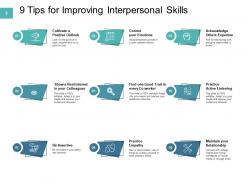
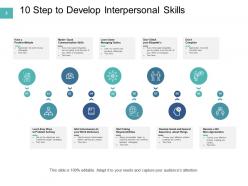
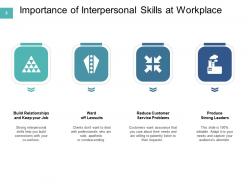

FAQs for Interpersonal Skills Leadership Responsibility Teamwork
Honestly, focus on communication first - like actually listening in meetings and explaining your ideas clearly. Adaptability is massive too because companies change direction constantly (ours literally just did another "strategic pivot" last month lol). Emotional intelligence though? That's the secret sauce most people ignore. Being able to read a room and navigate office politics will get you promoted faster than being the smartest person there. Problem-solving and teamwork are obvious must-haves. Try really paying attention during your next few meetings. You'll be shocked how much better your relationships get just from that.
Good communication is honestly like the backbone of any team that actually works well together. It stops those annoying misunderstandings before they blow up into bigger issues. People stay on the same page about what they're supposed to be doing. Trust builds up naturally when everyone's being straight with each other. Listen - and I mean really listen, not just planning what you'll say next. Problems get spotted early instead of becoming disasters later. Teams move faster when expectations are crystal clear. The best part? When people aren't scared to throw out ideas, even weird ones, you end up with way better solutions. Try asking more questions in your next meeting instead of just nodding along.
Honestly, emotional intelligence is like a leadership cheat code. You get better at reading people's vibes and actually connecting with them instead of just barking orders. When you understand your own emotions plus pick up on everyone else's, decisions come easier even when everything's chaotic. Trust builds faster too - people gravitate toward leaders who actually *get* them. You'll give feedback without destroying someone's confidence, handle conflicts without the unnecessary drama. Oh, and keeping people motivated when stuff hits the fan? Way easier. Start noticing how your mood ripples through the team. That simple shift in awareness will change everything.
Honestly, just paying attention to what people actually say (instead of planning your comeback) works wonders. Makes them feel heard, which is like 80% of good workplace relationships right there. You'll catch stuff you'd normally miss - concerns, little details that matter. People can totally tell when you're genuinely listening vs. just waiting to jump in. Before offering solutions, try repeating back what you heard first. Sounds weird but it prevents so many of those stupid miscommunications that blow up later. Really changes how people collaborate with you.
Look, adaptability is honestly your best friend when work gets chaotic. You know how plans always fall apart? Well, being flexible means you can pivot without losing your mind when deadlines shift or that "simple task" becomes a nightmare project. I've noticed people who adapt well don't get stuck dwelling on what *should* have happened - they just figure out the next move. Plus you'll bounce back faster from criticism and weird team changes. My advice? Next time something goes sideways, just pause and think "okay, what's my best option now?" instead of stressing about the original plan.
Honestly, good conflict resolution saves you SO much headache at work. You can catch tensions early before they turn into full-blown disasters. People actually open up more when they know disagreements won't get personal or ignored completely. Quick fixes prevent that awful vibe where everyone picks sides and stops collaborating. Trust me, psychological safety is real - when folks feel heard during conflicts, the whole team dynamic shifts. Oh, and addressing stuff directly but tactfully works way better than hoping it goes away (spoiler: it never does). Your coworkers will thank you for it.
Mix up your team - grab people from different departments because they think totally differently about stuff. Make everyone feel safe sharing crazy ideas without getting judged. I've watched teams bomb because people were scared of looking dumb, which just kills all creativity. Try frameworks like "5 Whys" to actually dig into root causes instead of slapping band-aids on symptoms. Listen actively during discussions and give people time to think before rushing into solutions. Oh, and celebrate when things don't work out - those failures teach you way more than successes do anyway.
Honestly, empathy is huge for teams. Like, it totally changes how people work together. When teammates feel understood, they're way more likely to actually collaborate instead of just going through the motions. I've noticed this pattern - teams where people check in on each other have way less drama and everyone trusts each other more. You'll catch problems before they blow up if you're paying attention to how people are doing. Plus you'll give better feedback instead of being harsh. Sometimes it's as simple as asking "how's it going?" and genuinely caring about the answer. Sounds cheesy but it works.
Honestly, track your time for like a week first - you'll probably hate what you discover lol. But seriously, time-blocking changed my life. I dedicate chunks of hours to specific stuff instead of just winging it. The Pomodoro thing works too (25 minutes of work, then break). Batch similar tasks together so you're not constantly switching gears. Say no to random requests that don't matter. Oh, and set up your workspace before bed - mornings are chaotic enough already. Here's what actually moves the needle though: pick 3 priorities daily and knock out the hardest one first while you still have brain power.
Honestly, networking is like having a cheat code for your career. Most jobs never even hit the job boards - they're filled through someone knowing someone. When you build real relationships (not just awkward small talk at conferences), you'll hear about opportunities before anyone else does. Your connections become this goldmine of advice and industry gossip too. I used to think networking was just collecting business cards, but the good stuff happens when you actually stay in touch with people. Even just grabbing coffee with someone once in a while pays off. Start with reaching out to one person this week - maybe someone you haven't talked to in months.
Communication is massive - you can't just walk over and ask questions anymore. Also self-discipline, because nobody's checking if you're actually working or scrolling Instagram lol. Time management becomes your lifeline when there's no office structure. Being tech-savvy helps way more than people think. Oh, and emotional intelligence is weirdly important since you miss all the body language stuff. My biggest tip? Overcommunicate everything. Send those updates, ask clarifying questions - better to seem chatty than leave people guessing what you're up to.
Honestly, feedback is a game-changer for soft skills. We all think we're great communicators until someone tells us we interrupt people constantly, right? The thing is, you need those reality checks from peers, managers, even customers to spot your blind spots. Weekly one-on-ones work way better than waiting for annual reviews - you can address stuff immediately when it's still fresh. Like if someone struggled with a team presentation, don't wait three months to mention it. The feedback has to be specific though, not just "communicate better." That helps nobody.
Honestly, soft skills are everything in customer service. Communication lets you explain stuff clearly. Empathy? That's how you actually get what someone's going through. When you listen properly, you solve their real problem instead of guessing wrong. Patience keeps you sane when someone's having the absolute worst day - and trust me, we've all had those calls. Problem-solving helps when the usual fixes don't work. Here's what I've learned though: people forget the technical stuff but they'll remember forever how you made them feel. So yeah, work on these alongside knowing your product.
Honestly, creative thinking is like having a cheat code for life. You'll spot opportunities everyone else walks past and find new ways to solve the same old problems. Instead of going "well, that's how we always do it," try being curious about stuff. Wild ideas that sound completely insane? Those are usually the ones that lead somewhere interesting. I can't tell you how many times I've watched someone suggest something ridiculous in a meeting, and boom - suddenly everyone's building on it. Don't kill ideas too fast. Ask more "what if" questions and get your team doing it too.
Honestly, soft skills matter way more than perfect slides. I've watched super smart people completely bomb because they couldn't connect with anyone in the room. Your emotional intelligence lets you read the vibe and adjust accordingly. Good communication means structuring ideas clearly and telling stories that actually stick. Even fake confidence beats nervous fidgeting every time - trust me on this one. During Q&As, active listening shows you give a damn about what they're saying. My advice? Pick one skill per presentation. Maybe just work on eye contact this time, then tackle storytelling next.
No Reviews