


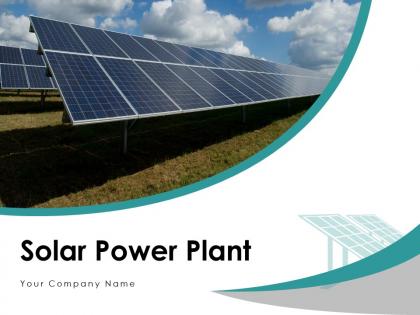
Solar Power Plant Photovoltaic Producing Technicians Installing Absorption




Try Before you Buy Download Free Sample Product
 Impress Your
 Audience
 100%
100% Editable
 Save Hours
 of Time


Our Solar Power Plant Photovoltaic Producing Technicians Installing Absorption are topically designed to provide an attractive backdrop to any subject. Use them to look like a presentation pro.
People who downloaded this PowerPoint presentation also viewed the following :
Solar Power Plant Photovoltaic Producing Technicians Installing Absorption with all 12 slides:
Use our Solar Power Plant Photovoltaic Producing Technicians Installing Absorption to effectively help you save your valuable time. They are readymade to fit into any presentation structure.
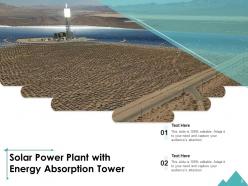
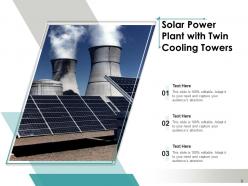
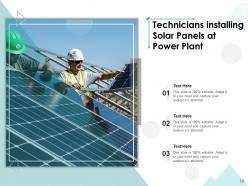
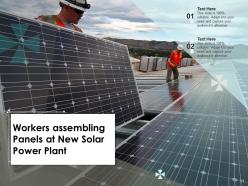

FAQs for Solar Power Plant Photovoltaic Producing
So solar PV techs install and fix solar panel systems - pretty straightforward stuff. Most days you're up on roofs mounting panels, running electrical wiring, testing everything works. Troubleshooting broken systems is actually a big part of it too. You'll need multimeters and basic electrical tools, plus do maintenance like cleaning panels and checking connections. Oh and safety training is mandatory since you're dealing with electricity at height - my buddy Jake says that part stressed him out at first. If you're thinking about it, definitely get comfortable with electrical work. The roof thing you can probably handle.
First thing - get your permits sorted or you'll hate yourself later. Start with checking your roof condition, electrical setup, and any shade problems. Mount the racking system, then attach panels and run DC wiring between them. Honestly, the electrical stuff is where it gets tricky - inverter installation, conduit work, connecting to your main panel. Oh and don't forget the monitoring system. After that you're coordinating inspections with the city and utility company for interconnection. It's a lot of moving pieces but totally doable if you plan it right.
You'll need your high school diploma first, then either get an associate's in renewable energy or finish a solar installer program. NABCEP certification is pretty much mandatory - employers love seeing that. The electrical side is huge since you're dealing with DC and AC systems constantly. Stay in decent shape because you'll be hauling panels up on roofs in crazy weather. Some states make you get an electrician's license too, which honestly makes sense. Community colleges usually have solid programs for this, or you can look for NABCEP-approved courses to start out.
Dude, fall protection is everything - harnesses, guardrails, proper ladder setup. Can't stress that enough when you're on roofs. Always check circuits are dead before touching anything, and lockout/tagout isn't optional. Weather's a killer too - storms and high winds are a hard no. I made that mistake once, not fun. Your tools need to be rated for electrical work obviously, and honestly? Make a checklist for every job. Sounds nerdy but it'll save your ass. Oh and don't cheap out on insulated gloves and safety glasses.
So basically you start with the obvious stuff - cracked panels, loose wires, leaves covering everything. Then break out the multimeter to check voltage and current at different spots. Clamp meters are super handy since you don't have to disconnect anything to measure current. Thermal cameras will show you hot spots where components are dying (though those things aren't cheap). I always work from panels down to the inverter, then to the main panel. Document everything or you'll forget what you tested five minutes later. It's honestly like detective work but with electricity.
Dude, you're gonna need a bunch of different tools for solar work. Get yourself a good multimeter, drill driver, wire strippers, and crimping tools for the electrical stuff. Torque wrenches are clutch for mounting panels properly. Safety gear is absolutely critical - harnesses, hard hats, insulated gloves, the works. Honestly, the ladder system might be your most important investment since you'll be on roofs constantly. Don't forget solar irradiance meters to check sunlight levels and MC4 connector tools - those connectors are weirdly finicky. Start collecting quality tools now because cheap ones will bite you later when you're 20 feet up.
First thing - check if your roof can actually handle the weight and isn't falling apart. Then figure out sun exposure and shading issues. Trees and nearby buildings will kill your efficiency, trust me on that one. South-facing roofs with a 30-45 degree angle work best for most places. You'll also want to make sure your electrical panel can handle the extra load. Oh, and if you've got an HOA, they might have rules about panels. Take tons of photos when you visit and maybe grab a shade analysis app - they're pretty helpful for mapping out problem spots.
So environmental stuff really messes with your solar panels. Temperature's the weird one - hotter weather actually makes them less efficient, which seems backwards but whatever. Shading is brutal though, even a tiny shadow can kill your whole string's output. You've got dust and snow blocking sunlight obviously. Humidity and salty air will eat away at components over time. Oh and wind actually helps by cooling everything down. Honestly just check on them regularly and clean them when they look gross - catches problems before they tank your whole system.
Dude, the tech stuff is moving fast in solar right now. Smart inverters let you troubleshoot remotely instead of always hauling yourself up on roofs - saves so much time. Microinverters are getting way more common too, which makes pinpointing problems at individual panels easier. Battery storage is where the money's at though, so learn DC and AC-coupled systems. Oh and drones for inspections are becoming standard - thermal imaging spots issues in like half the time. My buddy just got his energy storage cert and he's booked solid. I'd jump on training for monitoring systems first, then storage tech.
So basically residential is way smaller - you're doing rooftops for individual houses. Commercial means bigger installs on businesses and industrial buildings, more complex stuff. With homeowners you'll do tons of hand-holding and they care how everything looks. Commercial is different - you work with facility managers, deal with flat roofs or ground mounts, higher voltage equipment. Way more paperwork and permitting headaches on commercial jobs too. Honestly if you're just getting started, residential is perfect for learning the basics. Then you can tackle the bigger commercial stuff once you know what you're doing.
Definitely go for NABCEP certification first - that's the North American Board of Certified Energy Practitioners and honestly, it's what everyone looks for. OSHA 10 or 30 is a must since you're constantly on rooftops dealing with electrical stuff. Safety's no joke up there. Check if your state needs an electrical license for the wiring work too - varies by location. You'll also need to know the National Electrical Code inside and out. Some manufacturers have their own training programs, which can be worth it. I'd start with NABCEP and OSHA though - those two will get you hired faster than anything else.
Check out Solar Power World and PV Magazine - they're solid for staying current on tech stuff. NABCEP has continuing ed courses that'll keep your certs valid. LinkedIn groups are actually clutch for troubleshooting tips from other techs in the field. I swear I've picked up more practical knowledge there than in half my formal classes. Trade shows like Solar Power International are worth it if you can swing the time and cost - seeing equipment in person beats reading specs online. Oh, and set up Google alerts for solar news so you don't miss anything major. Start small though, don't overwhelm yourself right away.
Honestly, the weather's gonna be your biggest headache - rain delays everything and you're stuck on steep roofs in all kinds of conditions. Heights aren't optional in this job, obviously. Tech keeps changing too, so you'll constantly be learning new equipment and installation methods. Electrical troubleshooting gets frustrating when systems act up and customers are breathing down your neck for answers. Safety's no joke since you're dealing with electricity plus being up high all day. Oh, and definitely don't cheap out on safety gear - that stuff's worth every penny.
Honestly, the sunny states are where it's at - California, Arizona, Texas, Florida. Those places are absolutely crushing it with solar right now. Northeast states are catching up fast though, thanks to all their green energy incentives. Even rural areas in the Midwest and South are starting to boom with those massive utility projects. I'd say look up your state's renewable energy targets first. Then check local installation numbers - that's gonna tell you everything about where the real opportunities are hiding.
Dude, solar is blowing up right now. BLS says it'll grow 63% through 2028 - that's insane compared to other jobs. Makes sense though, solar's getting cheaper and the government's pushing renewables hard. Every house you drive by could need panels eventually, right? Residential installs are huge, but there's also commercial stuff and maintenance gigs since older systems need upkeep. Honestly, if you're considering it, get certified soon. Way more demand than qualified people can handle.
-
It saves your time and decrease your efforts in half.
-
Enough space for editing and adding your own content.
-
It saves your time and decrease your efforts in half.