


Sustainability Plan Business Environment Management Development Planning Implementation




Try Before you Buy Download Free Sample Product
 Impress Your
 Audience
 100%
100% Editable
 Save Hours
 of Time


Our Sustainability Plan Business Environment Management Development Planning Implementation are topically designed to provide an attractive backdrop to any subject. Use them to look like a presentation pro.
People who downloaded this PowerPoint presentation also viewed the following :
Sustainability Plan Business Environment Management Development Planning Implementation with all 12 slides:
Use our Sustainability Plan Business Environment Management Development Planning Implementation to effectively help you save your valuable time. They are readymade to fit into any presentation structure.
-
Sustainability Plan Business Environment Management Development Planning Implementation
-
Sustainability Plan Business Environment Management Development Planning Implementation
-
Sustainability Plan Business Environment Management Development Planning Implementation
-
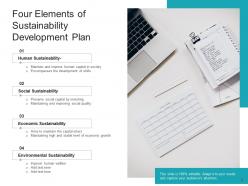
Sustainability Plan Business Environment Management Development Planning Implementation
-
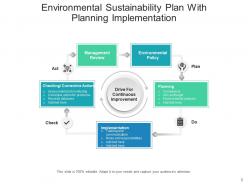
Sustainability Plan Business Environment Management Development Planning Implementation
-
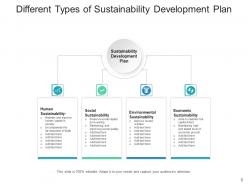
Sustainability Plan Business Environment Management Development Planning Implementation
-
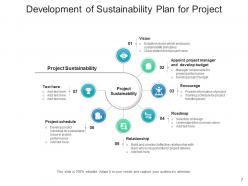
Sustainability Plan Business Environment Management Development Planning Implementation
-
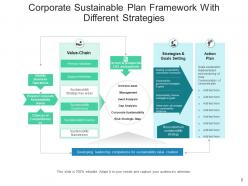
Sustainability Plan Business Environment Management Development Planning Implementation
-
Sustainability Plan Business Environment Management Development Planning Implementation
-
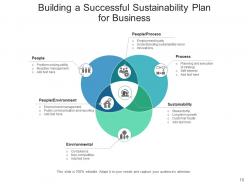
Sustainability Plan Business Environment Management Development Planning Implementation
-
Sustainability Plan Business Environment Management Development Planning Implementation
-

Sustainability Plan Business Environment Management Development Planning Implementation
FAQs for Sustainability Plan Business Environment Management
Honestly, I'd start with an energy audit - that's where you'll see quick wins and actual money back in your pocket. Energy efficiency upgrades are clutch. Waste reduction is huge too, but getting your supply chain vendors to cooperate? That's a whole other beast, though totally worth it if you can pull it off. Your employees probably have way better ideas than you think, so definitely tap into that. Oh, and here's the thing - don't try to fix everything at once or you'll burn out. Pick one thing, nail it, then move on. Way more realistic that way.
Honestly, the little stuff really does add up. Switch to LEDs and unplug your chargers - my electric bill dropped like $20 just from that. Walk or bike places when you can, take the bus if it's not terrible in your area. The food waste thing is massive though - I started meal planning and it's crazy how much less I throw away now. Don't buy as much random stuff, and when something breaks, try fixing it first before tossing it. Pick maybe two things to start with so you don't burn out. Once those become habit, add more.
Honestly, tech is pretty much carrying the whole sustainability game right now. Smart grids are making energy way more efficient, and solar panels keep getting cheaper (finally!). There's AI that can actually predict waste before it happens, which blows my mind. Apps can track your carbon footprint live now too - kinda addictive once you start using them. The cool part? Technology isn't just measuring problems anymore, it's fixing them. Oh, and those energy monitoring apps for your house are actually useful if you want to start somewhere small.
Honestly, going green usually saves you money despite what people say about costs upfront. Energy bills drop. Waste fees get cut. Operations run smoother. Customers will literally pay 15-20% more for sustainable stuff - which still blows my mind but hey, I'm not complaining. Tax breaks and grants are solid bonuses too. Oh, and your employees actually stick around longer when they feel good about where they work. Start by tracking what you're using now so you can see the real impact when you make changes. Numbers don't lie.
Honestly, the money thing hits hardest - you're dropping serious cash upfront but won't see returns for ages. People hate change too, so expect pushback from your team. Finding suppliers that actually care about sustainability? Good luck with that headache. Oh, and don't oversell what you're doing or you'll get called out for greenwashing (embarrassing). Regulations keep changing which makes planning a mess. Start with small test runs first. Prove it works and people will get on board. Way easier than going big right away and failing spectacularly.
Oh totally, people are way more into eco-friendly stuff now. Like, they'll actually spend more money if something's sustainable - it's crazy how much that's changed. Check out any grocery store and you'll see people flipping packages over to read about recycling. The whole boycotting brands thing is real too. Gen Z obviously leads this, but honestly my parents are even getting pickier about it. If you're working on any products right now, you better make the green angle super obvious upfront. What used to be a bonus feature is now make-or-break for most buyers.
Honestly, start by mapping out what you've actually got first - that's where the big "oh shit" moments happen when you see how messy your chain really is. Three main things to hit: vet your suppliers' environmental stuff (and labor practices too), optimize shipping by bundling orders and going local when you can, plus switch to better packaging. The packaging thing is weirdly satisfying once you get into it. Right-sizing boxes alone saves tons of waste. I'd pick the worst environmental hotspot from your map and tackle that first rather than trying to fix everything at once.
So mixed-use development is huge for this - basically neighborhoods where you can walk to work, shops, whatever. Throw in some good bike lanes and green spaces too. Those green roofs everyone's obsessed with? They're actually legit for managing stormwater and cleaning the air. Transit-oriented design helps cut down car dependency, which is honestly where most cities mess up. Oh, and affordable housing near job centers is key - nobody should have to commute two hours just to afford rent. I'd start by looking at your zoning codes first since they're usually the biggest roadblock.
So here's the thing - renewable energy is where you gotta start if you actually want to be sustainable. Solar, wind, hydro... they slash your carbon footprint way more than anything else you could do. Fossil fuels won't last forever anyway, right? The cool part is renewables are getting stupid cheap now, so it's not even a financial sacrifice anymore. Without clean energy, you're basically spinning your wheels on everything else. My advice? Check what's powering your house first - that's where you'll see the biggest difference. Once you nail that down, the rest starts falling into place.
Honestly, just start with something students can actually see every day - like campus gardens or better recycling bins. Weave sustainability into regular classes too, not just the environmental ones. Student clubs are where the magic happens though (they always have the wildest ideas). Maybe throw in some workshops about composting or whatever. Buildings with solar panels are cool but kinda expensive upfront. The trick is getting people involved instead of just lecturing about polar bears melting. Pick one big thing this semester and see what happens.
Honestly, there are some solid examples to check out. Patagonia's whole repair-don't-replace thing has customers obsessed with them while cutting tons of waste. Microsoft's planning to go carbon negative by 2030, and Google already runs on renewable energy. Interface carpets did this "Mission Zero" program and completely eliminated their environmental impact - which is wild for a manufacturing company. Oh, and Walmart (I know, Walmart!) cut emissions 18% while still growing revenue. The thing is, none of these companies just slapped on green initiatives later. They built sustainability right into their business model from day one, and it actually worked.
Honestly, climate change is forcing everyone to get real about balancing social, economic, and environmental stuff - that's sustainability in a nutshell. Your supply chains can't handle getting flooded every other year, so companies have to find solutions that work for people, the planet, AND make money. Short-term profits usually clash with environmental goals though. But here's what's interesting - tackling climate issues through sustainable practices actually opens doors for innovation and saves cash. I'd start by figuring out where your biggest environmental mess-ups could also be your biggest money drains.
Yeah there's tons of legislation backing sustainability stuff now. The Inflation Reduction Act has crazy good tax credits for solar and EVs - like, seriously worth looking into. Most states also have these renewable portfolio standards that force utilities to use more clean energy. Europe's going even harder with their Green Deal thing. But heads up, some states still make it stupidly difficult to connect solar panels to the grid (why??). I'd definitely check what incentives your area offers first, then build around those. Free money's free money, and you'll want to grab it while it's there.
Track the obvious stuff first - carbon footprint, waste rates, energy and water usage. But honestly? Those numbers don't tell you if people actually care. Employee engagement matters just as much - are they buying into your green initiatives or just going through the motions. Customer perception shifts are huge too. Third-party audits help with credibility (though they can be pricey). Pick maybe 3-5 metrics that match your biggest priorities instead of measuring every little thing. Quality beats quantity here.
Non-profits are like the watchdogs of sustainability - they're constantly pushing governments for better environmental policies and calling out companies when they greenwash. Think Greenpeace or Sierra Club making headlines with their campaigns and lawsuits. They also educate people about climate stuff and fund research that's too risky for regular companies to touch. Honestly, grassroots organizing is where they really shine. If you want to help out, look into local environmental groups in your area. You can donate or volunteer - both make a real difference.
-
Design layout is very impressive.
-
Very unique and reliable designs.
-
Excellent Designs.