Swot Analysis Of Food Manufacturing Industry Market Research Report

Rating:
80%
Swot Analysis Of Food Manufacturing Industry Market Research Report
Slide 1 of 6

or

Favourites Favourites

Try Before you Buy Download Free Sample Product

Audience Impress Your
Audience
Editable 100%
Editable
Time Save Hours
of Time
The Biggest Sale is ending soon in
0
0
:
0
0
:
0
0
Rating:
80%
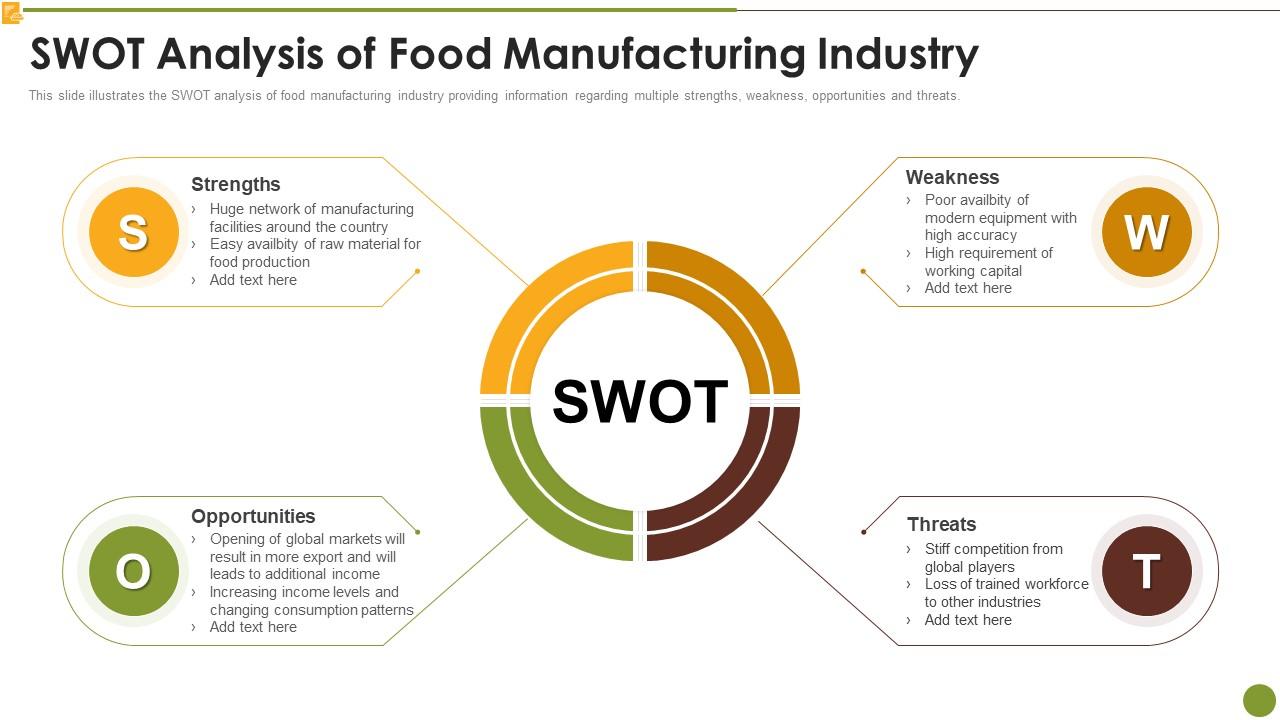
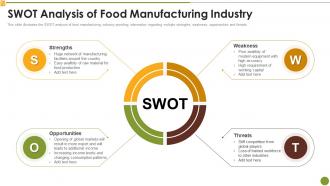
This slide illustrates the SWOT analysis of food manufacturing industry providing information regarding multiple strengths, weakness, opportunities and threats. Introducing Swot Analysis Of Food Manufacturing Industry Market Research Report to increase your presentation threshold. Encompassed with four stages, this template is a great option to educate and entice your audience. Dispence information on Strengths, Analysis, Weakness, using this template. Grab it now to reap its full benefits.

FAQs for Swot Analysis Of Food Manufacturing Industry

Dude, you're in such a solid spot - everyone's gotta eat no matter what. Your supply chain connections are probably your biggest asset, especially after all the crazy shortages we've had. Volume production gives you cost advantages smaller players can't touch. Brand loyalty is massive in food too. Those safety certifications you invested in? Gold. Automation stuff helps but honestly the relationships with suppliers and distributors are what competitors can't just copy overnight. Map out what makes you irreplaceable vs what they'd struggle to replicate.

Dude, manufacturing weak spots will absolutely wreck your product quality. Bad temperature control? Hello spoilage. Sketchy sanitation practices lead straight to contamination issues. Old equipment messes up texture every time. One breakdown or undertrained worker can destroy an entire batch - I've seen it happen and it's brutal. Poor quality checks mean off-flavors, products dying on shelves, or worse... safety recalls. You don't want that headache. Map out where things could go wrong first, then audit those spots regularly. Way better to catch problems before customers do.

Honestly, I'd focus on plant-based stuff and functional foods - people are crazy about health right now. Direct-to-consumer is still blowing up too, which is wild considering how long e-commerce has been around. Sustainable packaging is huge if you can crack it. Personalized nutrition could be a goldmine, but the tech side seems like a nightmare to figure out. Oh, and emerging markets are interesting - people there want the fancy processed stuff as their income goes up. Don't try to do everything though. Pick maybe two areas where you're already decent and build from there.

Ugh, external stuff can totally mess up your sustainability plans even when you're crushing it internally. Supply chain issues screw with getting sustainable materials. Regulatory changes might suddenly make your green processes way too expensive or non-compliant. Climate change is probably the worst - it directly hits your raw material costs and availability. When the economy tanks, customers just go for cheaper options over eco-friendly ones. Plus new competitors can undercut your green efforts. You've gotta build some flexibility into your strategy so you can adapt without completely ditching your environmental goals.

Dude, tech is like a superpower for food manufacturing. Your production lines get way more efficient and consistent with automation. Those quality sensors? They'll save your ass from expensive recalls - seriously, those are nightmares you don't want. Data analytics helps optimize everything from where you buy ingredients to predicting demand. IoT sensors are pretty cool too - they give you real-time visibility into your whole operation. Here's the thing though: don't just buy whatever's trendy. Pick tech that actually fixes your specific problems, not the flashiest option.

Honestly, don't try to fix everything at once - you'll just burn out. Focus on whatever's bleeding money first. Got old equipment breaking down constantly? Supply chain disasters? Fix those because they actually move the needle. Quality issues are non-negotiable though - one bad recall and you're toast. After that, maybe look at your team. Do people need training or are you missing key specialists? I'd probably start with food safety gaps if I had to guess. Pick like 2-3 things max and actually make deadlines. Otherwise you'll just keep putting it off forever.

Honestly, plant-based stuff is still crushing it right now. Everyone wants functional foods too - probiotics, adaptogens, all that wellness nonsense (but it sells). Clean labels are huge. Like, if your ingredient list looks like a chemistry textbook, you're screwed. Sustainability packaging isn't just trendy anymore - customers will literally boycott you over it. The personalized nutrition thing is getting crazy specific too. People want products made for their exact diet or whatever lifestyle they're into. I'd figure out which trends actually match what you can already make. Don't chase every shiny trend - focus on where your production setup already works.

Ugh, regulatory changes are brutal - they can totally wreck your margins if you're caught off guard. New food safety rules usually mean pricey equipment upgrades or reformulating products. The paperwork alone is insane. Trade regulations might block market access, and don't get me started on nutritional disclosure requirements that keep changing. My cousin's bakery got hit with new labeling rules last year and it cost them like $15k. Stay connected with industry groups so you can actually budget for this stuff instead of scrambling when it hits.

So the big food companies basically win on scale - they're pumping out massive volumes which makes everything way cheaper per unit. Their distribution is everywhere, like literally every store you can think of. R&D budgets are crazy high too, so they're always first to jump on new trends. Brand power is obvious - people just grab what they recognize, honestly it's kinda lazy but whatever. Most have their hands in tons of different products, so if protein bars crash, their cereal line saves them. When you're scoping out competition, those are the main things to watch for gaps.

Look, your suppliers probably know stuff you don't - that's actually a good thing. Struggling with quality? Find suppliers with better testing or certifications. Supply chain a mess? Work with multiple partners or ones with solid logistics. You can tackle costs through bulk purchasing deals or locking in long-term rates. The trick is being honest about where you're weak and finding suppliers who fill those gaps. Don't just go for whoever's cheapest - I've seen that backfire. They often have industry insights you're missing anyway.

Honestly, I'd go hard on the tech stuff first - automation saves you tons of money. Sustainable packaging is huge right now, especially with younger buyers who actually care about that stuff. Plant-based is getting crowded but there's still money there. Direct-to-consumer cuts out all those retail markups too. Social media tells you everything about what people want if you're paying attention. Oh, and personalized nutrition is blowing up right now. Don't try to do everything at once though. Pick whatever you're already decent at and expand from there. Stay flexible with product cycles.

Honestly, it's brutal out there for small food companies. Big corporations crush you on pricing because they buy everything in massive quantities. Meanwhile you're scraping together budget for Facebook ads while they're dropping millions on TV commercials. Shelf space? Forget about it - they've got those relationships locked down already. During supply shortages, guess who gets their ingredients first? Not you. But here's the thing - focus on what they can't do. Maybe it's being local, having weird flavors nobody else makes, or just that personal connection. That's your edge.

Ugh, supply chain messes basically flip your whole SWOT analysis on its head. You'll suddenly discover weaknesses you never saw coming - like being way too dependent on one supplier or not having enough backup inventory. Threats start piling up quick: ingredient shortages, crazy price swings, delayed shipments that tick off your customers. But here's the thing - sometimes these disasters actually show you what you're good at. Maybe your team's more flexible than you thought, or you find suppliers you didn't know existed. Honestly, it's like a brutal reality check. Perfect time to map out backup plans though.

Honestly, environmental stuff is completely changing the game for food companies right now. The upside? People are throwing money at sustainable packaging and plant-based products - like, actually paying premium prices. But there's some scary downsides too. Regulations keep getting tighter on emissions, climate change is messing with supply chains, and don't even get me started on water scarcity issues. That'll kill you if you're in something water-heavy. Rising costs for eco-friendly materials are brutal. I'd probably start by figuring out where you stand environmentally, then see what trends might help or hurt your profits.

So basically, your SWOT strengths are worthless if nobody knows about them. Take whatever you found - maybe it's quality ingredients or crazy efficient production - and make that your main talking point. Quality ingredients? Boom, you're all about farm-to-table and premium stuff. Super reliable production? That's your angle for being the dependable supplier everyone can count on. I always think it's weird how companies discover these amazing strengths and then... just sit on them? Map each strength to a specific campaign or message. That's literally what branding is for - amplifying what makes you different.

Ratings and Reviews

80% of 100
Review Form
Write a review
Most Relevant Reviews
  1. 80%

    by Charlie Jackson

    The Designed Graphic are very professional and classic.
  2. 80%

    by Craig Moreno

    SlideTeam’s pool of 2Million+ PPTs has really benefited my team, everyone from the IT department to HR. We are lucky to have crossed ways with them.

2 Item(s)

per page: