

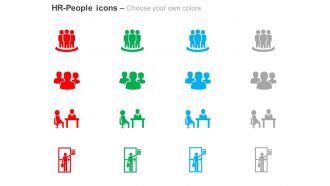
Team business people communication ppt icons graphics






Try Before you Buy Download Free Sample Product
 Impress Your
 Audience
 100%
100% Editable
 Save Hours
 of Time


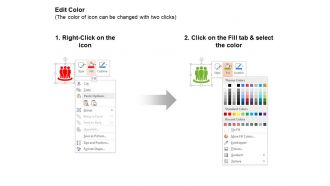
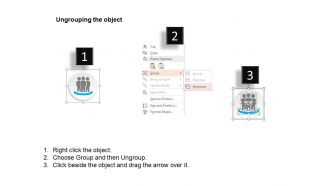
If you are in search of the PowerPoint diagrams which will enhance the overall performance of yours in your next corporate meet, then make use of our team business people communication PPT icons graphics. In the provided PPT infographics PowerPoint slides you have vector based designs of that related to human resource of the company. The use of PowerPoint icons make it easier for the audience to comprehend the information shared by presenters as part of lengthy corporate models. Visuals create more impact on the mind of the audience as compared to those bulky textual materials. Because of flawless picture quality the business team people communication PowerPoint presentation icons can be used as per the need of an hour. Apply these icons as bullet marks to increase the understanding level for the audience r use them as slide design background after increasing their size to huge slide size. Simply click, download, save, customize and present. Give a boost to employee education with our PT&s. They help cut the cost of attrition.
People who downloaded this PowerPoint presentation also viewed the following :
Team business people communication ppt icons graphics with all 4 slides:
Our Team Business People Communication Ppt Icons Graphics are applicable across generations. They cater for every age group.

FAQs for Team business people communication
Effective remote team communication includes clear communication protocols, regular video meetings, collaborative digital platforms, structured feedback mechanisms, and defined response timeframes. These elements streamline workflow coordination by establishing consistent touchpoints, enhancing transparency through shared workspaces, and maintaining team cohesion, with many organizations finding that strategic communication frameworks ultimately deliver improved productivity and stronger remote team relationships.
Presentation templates enhance team meetings by providing consistent structure, visual hierarchy, professional formatting, and standardized information flow that eliminates confusion and keeps discussions focused. These frameworks streamline content preparation, reduce meeting time spent on formatting issues, and improve audience retention through cohesive design elements, with many organizations finding that template-driven presentations deliver clearer decision-making outcomes.
Active listening enhances team communication by demonstrating respect, building trust, and encouraging transparent dialogue among colleagues. Through focused attention, thoughtful responses, and empathetic understanding, teams create psychologically safe environments where members feel valued and heard, ultimately delivering stronger collaboration, reduced misunderstandings, and more innovative problem-solving across diverse organizational settings.
Visual aids improve understanding and retention by simplifying complex data, creating memorable associations, and engaging multiple learning styles simultaneously. Through infographics, charts, and interactive presentations, teams across industries like healthcare, finance, and consulting can reduce meeting times, enhance decision-making speed, and ensure consistent message delivery, ultimately boosting collaboration efficiency and strategic alignment.
Strategies include establishing clear communication protocols, leveraging multilingual tools, providing cultural competency training, implementing structured feedback systems, and creating inclusive meeting formats. These approaches streamline collaboration by minimizing misunderstandings, enhancing cross-cultural awareness, and ensuring equal participation, with many organizations finding that structured communication frameworks ultimately deliver improved project outcomes and stronger team cohesion.
Feedback culture significantly enhances team communication by fostering open dialogue, transparency, and continuous improvement across all organizational levels. Organizations with strong feedback practices experience improved collaboration, faster problem resolution, and higher employee engagement, with many teams finding that regular constructive feedback ultimately delivers better project outcomes and stronger performance results.
Virtual communication best practices include establishing clear protocols, utilizing collaborative platforms, scheduling regular check-ins, creating structured meeting agendas, and maintaining consistent documentation standards. These approaches streamline coordination by reducing miscommunication, enhancing transparency, and ensuring equal participation, with many organizations finding that dedicated communication channels and flexible meeting schedules ultimately deliver improved productivity and stronger team cohesion.
Team leaders can encourage participation by creating psychological safety, using structured discussion formats, actively soliciting quiet members' opinions, and rotating speaking opportunities during meetings. Through techniques like round-robin discussions and small breakout groups, organizations enhance collaboration while ensuring diverse perspectives are heard, with many teams finding that inclusive practices ultimately deliver better decision-making and stronger employee engagement.
Effective real-time team communication tools include Slack, Microsoft Teams, Zoom, Discord, and Google Workspace, each offering instant messaging, video conferencing, and file sharing capabilities. These platforms streamline collaboration by enabling seamless information exchange, reducing email dependency, and facilitating quick decision-making across departments, with many organizations finding that integrated communication systems significantly enhance productivity and team coordination.
Non-verbal communication enhances team dynamics by establishing trust through consistent eye contact, demonstrating engagement via active listening postures, and creating cohesive energy through synchronized gestures and movement. Teams leveraging strategic body language, vocal tone variations, and spatial positioning during presentations find they deliver more compelling messages, build stronger audience rapport, and ultimately achieve greater stakeholder buy-in.
Communication styles vary significantly across cultures through direct versus indirect expression, hierarchical versus egalitarian approaches, high-context versus low-context messaging, and different attitudes toward conflict resolution and decision-making timelines. Teams navigate these differences by establishing clear communication protocols, providing cultural awareness training, and creating inclusive meeting structures that accommodate various styles, ultimately enhancing collaboration and reducing misunderstandings in increasingly diverse work environments.
Technology streamlines team communication documentation through cloud-based collaboration platforms, automated meeting transcriptions, searchable message archives, project management tools, and integrated knowledge bases. These solutions enable teams to maintain comprehensive communication histories, quickly retrieve past decisions and discussions, and ensure continuity across projects, ultimately delivering improved accountability and faster onboarding for new team members.
Poor communication creates confusion, missed deadlines, duplicated efforts, increased conflicts, and reduced trust among team members. These breakdowns significantly impact productivity by slowing project timelines, decreasing quality outcomes, and lowering employee engagement, with many organizations finding that communication gaps ultimately lead to higher turnover and diminished competitive advantage.
Regular check-ins improve transparency by ensuring consistent information flow, aligning team priorities, addressing concerns proactively, and creating accountability structures across all team members. These communication practices enable teams to identify bottlenecks early, resolve conflicts efficiently, and build stronger working relationships, with many organizations finding that structured updates ultimately enhance collaboration and project outcomes.
Icebreakers and team-building activities enhance team communication by breaking down interpersonal barriers, establishing psychological safety, and creating shared experiences that build trust among members. These structured interactions enable colleagues to discover common ground, understand diverse communication styles, and develop rapport, with many organizations finding that regular team-building significantly improves collaboration and reduces workplace conflicts.
-
Presentation Design is very nice, good work with the content as well.
-
Excellent Designs.