

Theory Of Change Powerpoint PPT Template Bundles




Try Before you Buy Download Free Sample Product
 Impress Your
 Audience
 100%
100% Editable
 Save Hours
 of Time


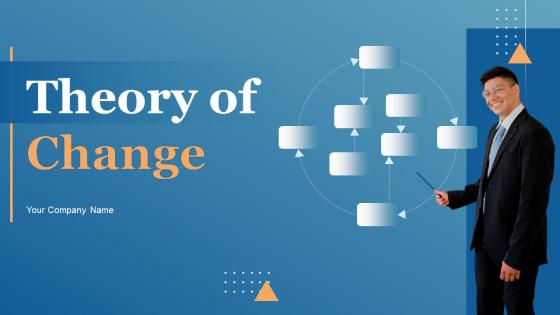
Our Theory Of Change Powerpoint PPT Template Bundles are topically designed to provide an attractive backdrop to any subject. Use them to look like a presentation pro.
People who downloaded this PowerPoint presentation also viewed the following :
Theory Of Change Powerpoint PPT Template Bundles with all 17 slides:
Use our Theory Of Change Powerpoint PPT Template Bundles to effectively help you save your valuable time. They are readymade to fit into any presentation structure.





FAQs for Theory Of Change Powerpoint
You need four main things: clear outcomes (the change you want), activities (what you're actually gonna do), assumptions (what has to be true for this to work), and some way to track if it's working. Most people skip the assumptions part, which is a mistake honestly. That's where you figure out what could go sideways. Work backwards from your end goal first. Then connect everything with "if this, then that" logic. Oh, and make sure you can actually measure progress somehow - otherwise you're just hoping for the best.
Think of Theory of Change as storytelling - it explains WHY you believe something will work and digs into all your assumptions. Logic models? Just boxes and arrows showing inputs and outputs. Way more structured. Honestly, logic models are what funders want to see, but they're super linear and don't capture how messy real change actually is. Your Theory of Change should come first when you're figuring out strategy. It maps those longer-term pathways and nonlinear stuff that happens in communities. Then you can use that thinking to build your logic model afterward.
So basically, a Theory of Change is like having GPS for your evaluation instead of just wandering around measuring random stuff. You can actually track if your path to making change is working step by step. It shows you what indicators matter at each stage, plus you'll spot where your logic falls apart way earlier. Honestly, stakeholders love it because everyone already agreed on how change should happen upfront. The best part? You catch problems while you can still fix them instead of that awful moment at the end when you realize everything went sideways.
Your stakeholders are like your sanity check - honestly, you need them way more than you think. Start by getting your beneficiaries and partners involved early to test if your assumptions actually hold water. I've watched so many theories crash because people built them in a bubble. Community members will tell you straight up if your solutions are realistic or total wishful thinking. Don't just check in once either. Keep coming back to them throughout the process so they can poke holes in your logic and help you course-correct. Funders bring a different angle too - they'll spot gaps you missed.
Honestly, visuals are a game-changer for Theory of Change stuff. People can actually see how everything connects instead of trudging through walls of text. Flowcharts and diagrams save your life when presenting to executives - they get the big picture instantly. I swear busy board members have like 30-second attention spans. But here's the thing: making it visual also helps YOU catch weak spots in your logic that text would hide. Start with a basic flowchart first. You'll be shocked how much clearer everything becomes once it's mapped out.
Honestly, the worst thing you can do is make it too neat and tidy - like step 1, step 2, step 3. Real life doesn't work that way. Also don't be super vague about what you're actually trying to achieve or skip over HOW you'll get there. Oh, and definitely include your assumptions because that's where everything usually goes sideways. I've seen so many people create these things in isolation without talking to their team or the people they're supposed to help. Big mistake. Work backwards from your end goal and really think through what could tank the whole thing.
Think of it like reverse-engineering your goals. Start with where you want to end up, then work backwards to map out each step that'll get you there. Honestly, it's way better than just winging it and hoping things work out. Your stakeholders will actually understand what you're doing and why. Plus you can spot problems before they blow up in your face - which has saved me more times than I can count. It's basically giving your strategic planning some actual structure instead of just throwing ideas at the wall. You'll need fewer resources too since you're not wandering around aimlessly.
Yeah totally! The basic framework usually works, but you'll need to adapt the hell out of it for different cultures. What seems brilliant in one place can crash and burn somewhere else - trust me on that one. Get local people involved from day one because they'll spot stuff you'd never think of. Power dynamics, communication styles, even what counts as "success" can be wildly different. Don't just copy-paste your model and hope for the best. Talk to folks who actually live there first. They'll save you from making embarrassing assumptions about what'll work.
Track three types of metrics: output (workshops you run), outcome (knowledge/behavior changes), and impact (long-term goals). Map these to your logic model first - seriously, everyone skips this and kicks themselves later. For each level, pick 3-5 key indicators. Mix quantitative stuff (surveys, participation rates) with qualitative feedback like interviews and stories. Short sentences work. Build your data collection plan around those indicators once you've got them nailed down. The outcome metrics are honestly the trickiest part since they're measuring those in-between changes.
Build in regular check-ins where you actually test if your assumptions are happening in real life. Kinda like adjusting your route while driving instead of just hoping you'll hit the right destination. Schedule specific times to get feedback from the people you're trying to help, your partners, whoever's in the trenches with you. Here's what I've learned though - you gotta decide upfront how you'll actually use that feedback to tweak your approach. Otherwise it's just data collecting for no reason. Block out those reflection moments in your calendar now, because once you're in execution mode everything else gets pushed to the side.
Your Theory of Change is basically your roadmap for figuring out if you're actually making a difference long-term. It's like your hypothesis that you test over time - honestly, without one you're just measuring random stuff and crossing your fingers it adds up to something meaningful. Most of the time it doesn't, which is frustrating. The ToC gives you actual indicators and milestones to watch. That way you can see if your outcomes are happening like you planned. I'd start by checking your assumptions regularly (they change more than you'd think) and build your whole measurement system around those pathways.
Think of your Theory of Change like a roadmap for where to put your money. Instead of throwing cash at random programs, you can focus on the stuff that actually moves the needle toward your goals. Honestly, it's been a lifesaver for me when I need to turn down projects that look cool but don't fit. The logic model shows you which steps need more funding and which ones you're probably overspending on. Sometimes I get distracted by flashy new initiatives, but going back to that pathway keeps me grounded. Try mapping your next budget against it - you'll see what I mean.
So first thing - get everyone's honest take on how it's actually going versus what you thought would happen. Your team, the people you're helping, stakeholders, all of them. Look at your data too and see which assumptions were total nonsense (trust me, there will be some). Figure out where reality didn't match expectations, then decide if you need to tweak your activities or maybe you were just way too optimistic about timelines - happens to the best of us. Write down what you're changing so nobody's confused later. Oh, and set up regular check-ins going forward, like quarterly or something.
Honestly, just grab Miro or Lucidchart - way cleaner than trying to draw everything on whiteboards. Your whole team can jump in and map out pathways together without the usual chaos. Google Workspace is perfect for version control too, no more digging through email threads to find the right doc. Project management tools can track your indicators automatically which saves tons of time. I'd start with something basic like a shared Google Doc first though. Once you get the hang of it, then maybe look into the fancier Theory of Change software. The visualization aspect alone makes everything so much clearer.
So Grameen Bank mapped out how giving women small loans would create businesses, boost household income, and reduce poverty - pretty straightforward chain. TOMS built their whole brand around it too, showing shoe donations → better health → kids staying in school. Teach for America did something similar, placing college grads in struggling schools to close achievement gaps. The trick? They all identified measurable steps between what they're doing and the actual impact they want. Like, don't just say "we'll help kids" - show HOW that happens step by step. Honestly the best ones aren't complicated at all. Just map out your assumptions about how change really works and you're halfway there.
-
“Ample and amazing variety of templates available, really helpful for making professional PPT for day to day workings.”
-
Fantastic and innovative graphics with useful content. The templates are the best and latest in the industry.