


Three pillars of business intelligence strategy powerpoint images





Try Before you Buy Download Free Sample Product
 Impress Your
 Audience
 100%
100% Editable
 Save Hours
 of Time


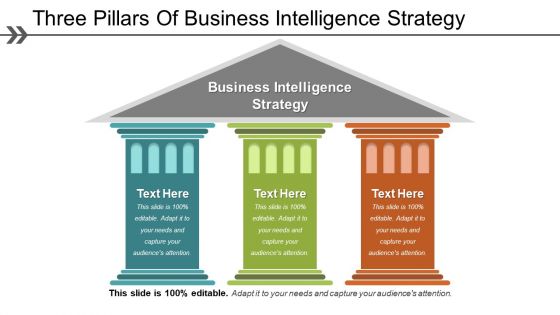
Highlight the information related to the three pillars of business intelligence using this professionally designed PowerPoint template. In today’s corporate industry, it is important that you take the business decisions after analyzing each aspect. Our presentation slide gives you access to deliver the information for the most crucial facet of company management. Business intelligence is a technology driven that allows you all the people in the organization take important decisions after looking at the current analysis. The great part of this PowerPoint diagram is that it will assist you in presenting even the complex topic in the most precise manner. The three pillars can be used to show the three pillars of business intelligence which are business process strategy, data strategy and technology strategy. To use this innovative PPT template you just have to add and download it in your presentation and make an impression among your business associates for the long association. To search more designs related to similar topic and even for other reliable topics, take a look at our website. Get folks fully aware of your inclinations with our Three Pillars Of Business Intelligence Strategy Powerpoint Images. It helps you declare your agenda.
People who downloaded this PowerPoint presentation also viewed the following :
Three pillars of business intelligence strategy powerpoint images with all 5 slides:
Deliver excellent guidance with our Three Pillars Of Business Intelligence Strategy Powerpoint Images. Your team will develop beautifully.

FAQs for Three pillars of business intelligence
First thing - audit what data you've got and figure out where the gaps are. You need solid data governance, the right tech setup, and leadership that actually cares (seriously, without that you're screwed). Get your KPIs locked down and make sure your data quality processes don't suck. Find people who can interpret the numbers, not just dump them into Excel. Oh, and user adoption matters way more than most companies think - your dashboards better be intuitive or nobody's using them. Start with clear business objectives. Training helps too, but honestly most people learn by doing anyway.
Okay so first thing - figure out what your company actually wants to achieve, then build your BI around that. Growth mode? Track revenue stuff and new customers. I learned this the hard way by collecting random data that nobody cared about lol. Start with what the executives are asking about and work backwards from there. Definitely get stakeholders involved early or they'll just ignore your dashboards later. Oh and review everything quarterly because priorities change constantly. Your BI needs to shift with the business or you'll end up measuring yesterday's goals.
Honestly, data governance is what stops your BI from being a total mess. You'll get departments using different definitions for the same metrics, crappy data quality, and reports that completely contradict each other. Trust me, I've seen companies where sales and marketing can't agree on basic numbers because of this. Good governance means everyone's working from the same playbook - same data sources, consistent standards, proper access controls so confidential stuff stays locked down. My advice? Figure out who owns what data first and get your definitions straight across teams. Skip that step and your fancy dashboards won't mean much.
Dude, start with data governance on day one - figure out who owns what and set quality standards right away. Most companies totally blow this because they think about it too late. Get automated profiling running so you catch weird stuff early. Standardize how you name things across systems (sounds boring but trust me). Regular audits help spot when things start drifting. Here's the thing though - don't dump this all on IT. Everyone needs to care about data quality. First step? Map out what data sources you've got and where the mess already exists.
Honestly, you gotta track both the nerdy stuff and the business stuff. User adoption rates, how often people actually use dashboards, data quality - that's your tech side. Business impact is trickier but way more important - like how fast teams make decisions now, any cost savings, revenue you can tie back to insights. I'd baseline everything first, then check quarterly. The hardest part? Connecting those dots between tech metrics and real business wins. That's where you prove your worth though. Don't go crazy - pick maybe 3-5 metrics tops or you'll drown in reports.
Start with your data quality - seriously, if that's messy you're wasted before you begin. Pick one big business problem that needs prediction, not just reporting on what already happened. ML models and forecasting tools can plug right into your current setup. Anomaly detection is usually a good first win since it's pretty obvious when it works. Customer churn prediction, demand forecasting - stuff like that. Don't try to boil the ocean though. Prove it works with one use case, show the value, then people will actually want more.
Start with whatever reporting you actually need, then figure out the tech stack from there - way smarter than buying everything upfront. For the foundation, you're looking at something like Snowflake or AWS. Tableau or Power BI handle the dashboard side pretty well. ETL tools are necessary but honestly such a pain if you mess up the planning stage. Oh, and don't skip data governance stuff or you'll hate yourself later when compliance comes knocking. ML platforms are pretty much expected now too. But seriously, work backwards from your real needs first.
Honestly, just get people comfortable with the tools first. Train them on your BI stuff so they're not constantly bugging IT for basic reports. When someone actually uses data to make a decision, make a huge deal about it in meetings - like genuinely celebrate that shit. Find a data person in each department who can help translate the numbers for everyone else. Quick wins are everything here because people need to see results fast, otherwise you'll just have a bunch of unused dashboards collecting digital dust. Oh, and don't overwhelm them right away - that never works.
Honestly, the worst mistake is trying to do everything at once - total recipe for disaster. Get people on board first or you'll build stuff nobody wants. I've watched gorgeous dashboards sit there unused because no one actually asked for them. Your data's probably messier than you think too. Pick one real problem to solve, get your boss excited about it early on, then talk to whoever will actually click around in these things daily. Pretty charts mean nothing if they don't solve actual business headaches.
Honestly, visual storytelling is what separates good BI from the stuff that just sits in someone's inbox forever. You're basically becoming a detective presenting a case instead of just throwing spreadsheets at people. Figure out your main point first - like, what's the one thing you need them to remember? Then build your visuals around that story arc. Show the problem, walk them through what you found, point toward solutions. Most executives have maybe three minutes of attention span anyway, so you need that emotional hook plus solid analysis. It's way more effective than drowning them in charts and hoping something sticks.
Honestly, hands-on training is everything - but make it specific to what each team actually does. Generic demos are useless. Find the power users first and get them excited, they'll sell it for you. The biggest thing though? Show people how it makes their current stuff easier, not how it adds more work to their plate. I swear, half the resistance comes from people thinking you're trying to replace their beloved Excel sheets. Oh, and definitely do regular check-ins the first couple months. Catch the frustration early before they just give up entirely.
Ugh, compliance stuff totally controls your whole BI setup. GDPR, HIPAA, SOX - whatever hits your industry - they're gonna decide where data lives, who touches it, how long you keep it. You have to bake in governance controls and audit trails from day one. Trust me, retrofitting compliance later is a nightmare I wouldn't wish on anyone. Map out what rules you're stuck with early, then build your data architecture around those constraints. Yeah it's annoying but way better than getting slapped with fines later.
First thing - figure out what you actually need before getting distracted by shiny features. Map out your data sources, team skills, budget, all that stuff. Trust me, I've seen people buy expensive tools that just collect digital dust because nobody knows how to use them. Definitely grab free trials and test with your real data, not their perfect demo scenarios. Check how it plays with your current systems too. Oh, and don't forget support costs - licensing is just the beginning. Make a simple spreadsheet to score your top few options. Keeps you honest instead of going with whatever has the flashiest sales pitch.
Okay so three things that actually matter for self-service BI. Get tools like Tableau or Power BI - the drag-and-drop stuff that doesn't need coding. Clean up your data sources beforehand though, because if people are fighting with messy databases, they'll just give up (learned this the hard way). Training is huge too, plus you need some kind of governance so nobody accidentally nukes anything. Oh, and find a data champion in each department. Those people are gold - they'll help everyone else figure things out and handle the basic "why isn't this working" questions.
You need real-time data because making decisions off last week's numbers is like driving blind. Customer stuff changes hourly - their buying patterns, what they're clicking, all of it. Market conditions too. Honestly, most companies are way behind on this and don't even realize it. Set up live dashboards for your most critical metrics first. Figure out which data actually impacts your daily decisions (not everything does), then get your IT people to create real-time feeds for those areas. Without current insights, you're always playing catch-up instead of staying ahead.
-
Excellent design and quick turnaround.
-
Great designs, really helpful.