


Servicio de transporte propuesta presentación de diapositivas




Try Before you Buy Download Free Sample Product
 Impress Your
 Audience
 100%
100% Editable
 Save Hours
 of Time


Como cualquier otra industria, la industria del transporte es altamente competitiva y desempeña un papel fundamental en la economía, ya que la mayoría de los bienes y servicios deben transportarse de un lugar a otro. Deben transportarse del productor al consumidor, lo que requiere el establecimiento de una red de transporte sólida y competente para entregar los productos a tiempo. Un próspero negocio de transporte también requiere un buen marketing y la capacidad de retener a sus clientes. Una buena propuesta de negocio de transporte le ayuda a licitar por todas estas oportunidades y ocupar un lugar importante en el mercado. Esta plantilla de negocio proporciona a las empresas de tours y proveedores de transporte un esquema sencillo y profesional para cotizar sus servicios de transporte. Utilizando esta plantilla, las empresas que brindan servicios de transporte pueden obtener nuevas perspectivas al licitar por sus servicios de viaje más lejos. Muestre testimonios de clientes, descripción general de la empresa, etc. También puede delinear los beneficios de hacer negocios con usted junto con el paquete que describe el costo total con o sin desglose. Si sus servicios de transporte pueden ofrecer servicios de viaje rentables y convenientes, indíquelos en la sección de beneficios de esta presentación. Ya sea que se especialice en tours de bodas, convenciones o cualquier otro evento corporativo, esta plantilla le ayudará a mostrar sus servicios de una manera visualmente atractiva. Esta plantilla también es 100% editable, por lo que le permite optimizar su agencia y servicios de viaje. Descargue esta plantilla ahora para hacer una oferta adecuada para sus servicios de viaje.
People who downloaded this PowerPoint presentation also viewed the following :
Contenido de esta presentación de Powerpoint
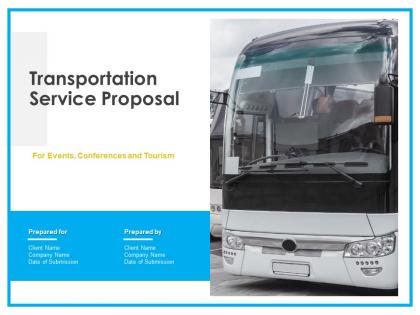
Diapositiva 1: Esta diapositiva presenta la Propuesta de Servicio de Transporte. Agregue el nombre de su cliente y el nombre de la empresa para comenzar.
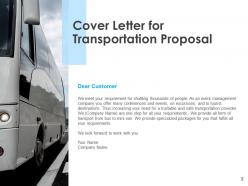
Diapositiva 2: Esta diapositiva muestra la Carta de Presentación para la Propuesta de Transporte.
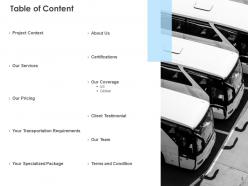
Diapositiva 3: Esta diapositiva representa la Tabla de Contenido, como: Contexto del Proyecto, Nuestros Servicios, Nuestros Precios, Sus Requisitos de Transporte, Su Paquete Especializado, Términos y Condiciones, Sobre Nosotros, Certificaciones, Nuestra Cobertura, Testimonios de Clientes, Nuestro Equipo.
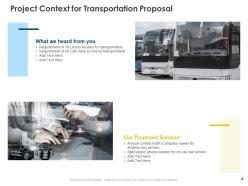
Diapositiva 4: Esta diapositiva muestra el Contexto del Proyecto para la Propuesta de Transporte: lo que escuchamos de usted y Nuestra Solución Propuesta.
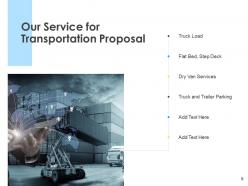
Diapositiva 5: Esta diapositiva representa Nuestros Servicios para la Propuesta de Transporte, como Carga de Camiones, Estacionamiento de Camiones y Remolques, Servicios de Furgones Secos y Camas Planas, Plataformas Escalonadas.
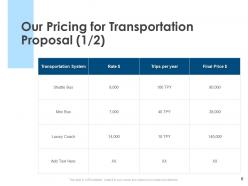
Diapositiva 6: Esta diapositiva representa Nuestros Precios para la Propuesta de Transporte.
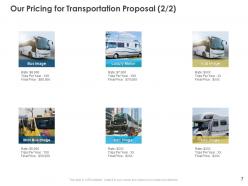
Diapositiva 7: Esta diapositiva también representa Nuestros Precios para la Propuesta de Transporte.
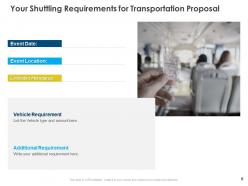
Diapositiva 8: Esta diapositiva muestra Sus Requisitos de Transporte para la Propuesta de Transporte.
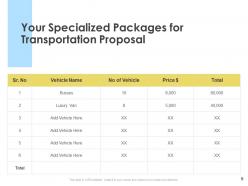
Diapositiva 9: Esta diapositiva muestra Sus Paquetes Especializados para la Propuesta de Transporte.
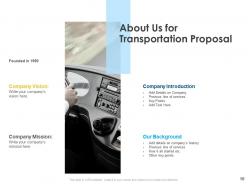
Diapositiva 10: Esta diapositiva representa Sobre Nosotros para la Propuesta de Transporte: Introducción de la Empresa, Visión de la Empresa, Nuestros Antecedentes, Misión de la Empresa.
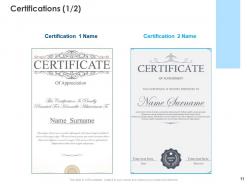
Diapositiva 11: Esta diapositiva muestra las Certificaciones.
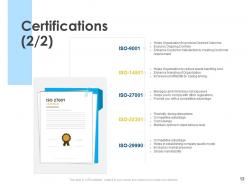
Diapositiva 12: Esta diapositiva también muestra las Certificaciones.
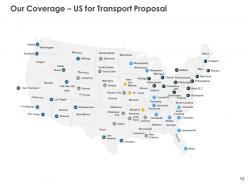
Diapositiva 13: Esta diapositiva representa Nuestra Cobertura - EE.UU. para la Propuesta de Transporte.
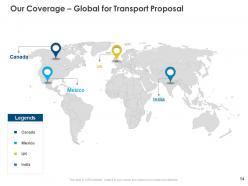
Diapositiva 14: Esta diapositiva representa Nuestra Cobertura - Global para la Propuesta de Transporte.
Diapositiva 15: Esta diapositiva muestra los Testimonios de Clientes.
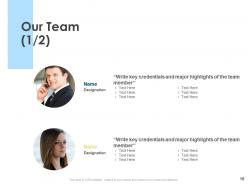
Diapositiva 16: Esta diapositiva muestra los nombres y cargos de los miembros de Nuestro Equipo.
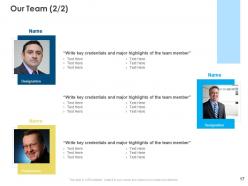
Diapositiva 17: Esta diapositiva muestra los nombres y cargos de los miembros de Nuestro Equipo.
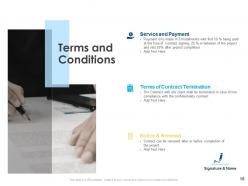
Diapositiva 18: Esta diapositiva representa los Términos y Condiciones relacionados con: Servicio y Pago, Aviso y Renovación, Términos de Terminación del Contrato.
Diapositiva 19: Esta es una diapositiva de Contáctenos que consta de Dirección de la Empresa, Nombre de la Empresa, Número de Teléfono, Correo Electrónico y Sitio Web.
Diapositiva 20: Esta plantilla se titula Diapositivas Adicionales para avanzar.
Diapositiva 21: Esta plantilla representa Sobre Nosotros - Servicios Premium, Nuestra Empresa y Clientes de Valor.
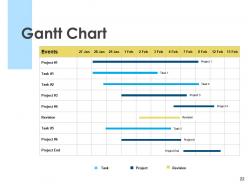
Diapositiva 22: Esta plantilla comprende un Diagrama de Gantt que muestra varios proyectos y tareas.
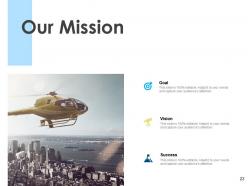
Diapositiva 23: Esta diapositiva muestra Nuestra Misión: Objetivo, Éxito y Visión.
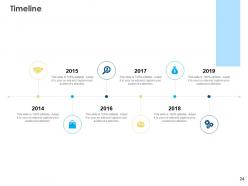
Diapositiva 24: Esta diapositiva muestra la Línea de Tiempo para un cierto período de tiempo.
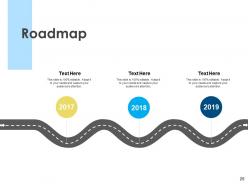
Diapositiva 25: Esta diapositiva explica la Hoja de Ruta.
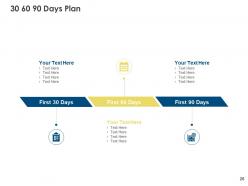
Diapositiva 26: Esta diapositiva representa el Plan de 30 60 90 Días.
Slide 1: Servicio de transporte Slide 2: Introducción - Descripción general de la empresa y los servicios ofrecidos - Objetivos del servicio de transporte Slide 3: Ventajas del servicio de transporte - Conveniencia - Ahorro de tiempo - Reducción de costos Slide 4: Tipos de servicios de transporte - Transporte de pasajeros - Transporte de mercancías - Transporte especializado Slide 5: Flota de vehículos - Descripción de los vehículos utilizados - Mantenimiento y seguridad Slide 6: Equipo y tecnología - Sistemas de seguimiento y monitoreo - Aplicaciones móviles y plataformas en línea Slide 7: Equipo y tecnología (continuación) - Integración con sistemas de gestión de flotas - Análisis de datos y optimización de rutas Slide 8: Equipo y tecnología (continuación) - Medidas de seguridad y protección - Cumplimiento de regulaciones Slide 9: Servicios adicionales - Servicio de atención al cliente - Programas de fidelización - Servicios de logística y almacenamiento Slide 10: Servicios adicionales (continuación) - Personalización y adaptación a las necesidades del cliente - Soluciones de transporte a medida Slide 11: Experiencia y trayectoria - Historial de la empresa - Logros y reconocimientos - Equipo de profesionales calificados Slide 12: Experiencia y trayectoria (continuación) - Clientes satisfechos y testimonios - Asociaciones y alianzas estratégicas Slide 13: Cobertura geográfica - Áreas de servicio - Expansión y crecimiento futuro Slide 14: Cobertura geográfica (continuación) - Infraestructura y red de distribución - Capacidad de respuesta a nivel local y regional Slide 15: Compromiso con la sostenibilidad - Iniciativas de reducción de emisiones - Prácticas ecológicas y eficiencia energética Slide 16: Compromiso con la sostenibilidad (continuación) - Certificaciones y reconocimientos ambientales - Responsabilidad social corporativa Slide 17: Propuesta de valor - Resumen de los beneficios clave - Ventajas competitivas Slide 18: Propuesta de valor (continuación) - Soluciones personalizadas - Garantía de calidad y satisfacción del cliente Slide 19: Planes y tarifas - Opciones de planes de servicio - Estructura de precios y tarifas Slide 20: Planes y tarifas (continuación) - Descuentos y promociones - Políticas de facturación y pago Slide 21: Implementación y soporte - Proceso de implementación y puesta en marcha - Asistencia y soporte técnico Slide 22: Implementación y soporte (continuación) - Capacitación y desarrollo de habilidades - Atención al cliente y resolución de problemas Slide 23: Resultados esperados - Mejora en la eficiencia operativa - Aumento de la satisfacción del cliente - Crecimiento y expansión del negocio Slide 24: Resultados esperados (continuación) - Reducción de costos y optimización de recursos - Ventaja competitiva en el mercado Slide 25: Próximos pasos - Proceso de contratación y acuerdos - Cronograma y hitos clave Slide 26: Conclusión - Resumen de los principales puntos - Agradecimiento y llamado a la acción
Nuestro servicio de transporte propuesta Presentación de diapositivas de PowerPoint le ayudará a ahorrar tiempo valioso. Están listos para adaptarse a cualquier estructura de presentación.



FAQs for Transportation service proposal
So for your transportation proposal, you gotta cover the basics first - what routes you're running, your schedule, what kind of vehicles. Pricing breakdown is huge too. Then dive into your operational stuff like driver quals and safety protocols. Insurance coverage is always one of those things clients obsess over, so definitely include that. I'd also throw in some examples of similar work you've done - maybe with metrics you can promise to hit. Oh and make your timeline realistic, not some crazy ambitious thing. Basically just be super specific about deliverables and prove you can actually pull it off.
Honestly, the best way to nail transportation proposals is showing off tech that actually fixes their headaches. GPS tracking gives them real-time visibility. Mobile apps handle booking and updates. Route optimization through data analytics cuts costs - clients eat that stuff up. AI demand forecasting is pretty hot right now too, helps predict what they'll need. But here's the thing - don't just throw random tech buzzwords at them. Match solutions to their actual problems. Oh, and definitely create mockups or demos of your interfaces. Makes everything feel real instead of just another boring pitch deck. Shows you're not just talking, you know?
Fuel, driver wages, maintenance, and insurance are your big ones obviously. But permits and tolls will sneak up on you - that stuff adds up crazy fast. Build in wiggle room for gas price swings because stations love screwing us over lol. Fixed vs variable costs per mile is the way to break it down. Deadhead miles are profit killers so factor those in too. Oh and route delays - traffic's always worse than you think it'll be. This way if fuel costs spike mid-contract you can adjust pricing without starting from scratch.
Your demographics totally shape how you pitch everything. Seniors? Focus on safety, accessibility, reliable service - they don't care about flashy tech. Young professionals want the opposite - apps, real-time updates, speed. I made this mistake once pitching some fancy tech solution when people just wanted basic wheelchair access. Awkward. Demographics also affect your pricing and hours of operation. Map out who's actually using the service first, then craft everything around what keeps them up at night. Trust me, it's way more effective than a one-size-fits-all approach.
Dude, sustainability isn't optional anymore - it's literally make or break. Clients want to see environmental impact and carbon reduction stuff right in your proposal. Most RFPs now require specific green metrics upfront. The scoring? It's weighted heavy on this stuff. You gotta mention electric vehicles, route optimization, emission targets, eco-certifications - all that. Honestly, I've seen proposals get tossed just for weak sustainability sections. It's wild how fast this shifted from "nice bonus" to "must have." Skip it and you won't even make the first cut.
Dude, research all the transportation laws and licensing stuff first - don't wait until later like so many people do. Driver background checks, vehicle inspections, insurance, permits... list it all out in your proposal. I swear, half the proposals I've seen tank because they think the legal stuff is boring and skip it. Show them you actually know what you're doing compliance-wise. Oh and have a plan for keeping up with new regulations too - they change more than you'd think. Trust me, regulators will kill your project instantly if they think you're winging it.
Here's what works: lead with whatever actually sets you apart - maybe it's specialized equipment or crazy fast response times. Don't bury that gold on page 10! I see so many proposals that just ramble through boring capabilities instead of real advantages. Back everything up with actual numbers too, like "cut delivery times 30%" instead of fluffy promises. Got exclusive partnerships or tech nobody else has? Flaunt it. Honestly, half these transportation companies sound identical in their pitches. Make it obvious why picking someone else would be a mistake.
Honestly, you can't skip the data analysis part - it's what makes or breaks your whole proposal. Numbers help you figure out what's actually broken in their transportation system and why people use it the way they do. Without that foundation, you're basically guessing at solutions (which never ends well, trust me). Plus executives eat up solid data that backs your recommendations. Get that transportation data early and let it shape everything you propose. The boring spreadsheets might suck to deal with, but they'll make your solutions way more realistic and cost-effective for whatever problems your client is dealing with.
Start with the big numbers - "cut delivery times 30%" or "saved 50K in logistics costs." That's what grabs attention first. Pick case studies from companies similar to theirs if you can. Client quotes work great, but skip the generic "amazing service" stuff and go for ones that mention actual results. Oh, and keep each one short - maybe 2-3 paragraphs tops. People don't have time to read novels. Always wrap up with what the client actually achieved. Honestly, the concrete outcomes are what sell these things more than anything else.
Honestly, visuals are a game-changer for transportation proposals. People's eyes just glaze over when they see blocks of text about fleet specs and logistics. Charts work really well for cost breakdowns, and route maps are obvious must-haves. I'd definitely throw in some infographics for service benefits too. Photos of your actual vehicles help build trust - way better than just describing them. Oh, and those before/after scenarios? Super effective for showing impact. Driver safety stats look more credible in visual format than buried in paragraphs. Pick your three biggest selling points first and turn those into visuals.
Honestly, I'd start simple with the obvious stuff - ridership, on-time performance, cost per ride. Those are what everyone's gonna ask about anyway. Then add customer satisfaction scores and wait times since those actually matter to riders. Safety incidents are crucial too, obviously. Vehicle utilization is smart to track but maybe not day one priority? I made the mistake of building this super complex dashboard once and ended up scrapping half of it after a few months. Better to nail 5-6 metrics you can actually do something about than track everything under the sun. Service coverage is worth monitoring too - like are people actually using those routes you think are important?
Definitely set up weekly calls with everyone from the start. Email chains are the worst - they get so confusing so fast. Pick one person from each group to be your main contact, that'll save you tons of headaches later. A shared dashboard works great so people can check updates whenever they want instead of bugging you constantly. Slack or Teams beats email every time for quick updates. Document everything and send meeting notes afterward (I learned this the hard way). Oh, and map out your whole communication plan before you even start writing the proposal. Being ahead of the game with updates is way better than playing catch-up.
Hey! So the big thing I see people mess up is being way too vague about fleet size and what routes you actually cover. Like, don't just say "we do logistics" - give them real numbers. You'll want your safety certs and insurance info right up front too. Can't tell you how many proposals I've seen get trashed because someone stuck all the compliance stuff at the bottom (or forgot it entirely, yikes). Be super clear on pricing - hourly rates, mileage, fuel surcharges, all that. Your timeline needs to be realistic. Oh and always throw in backup plans for when trucks break down or whatever. Most important though - actually answer what they're asking for, not what you think they want.
Dude, you absolutely need market research before writing that proposal. Survey potential riders and check out what competitors are doing with their routes and pricing. Look into demographics too - like who actually lives where you want to run service. I swear, half these transport companies tank because they just assume demand exists without proving it. The data helps justify your route choices and keeps your ridership numbers realistic. Oh and don't price yourself out of the market either. Start with some online surveys or focus groups first, then write the actual proposal.
So you'll need your launch date obviously, plus all the implementation phases mapped out. Driver recruitment takes forever - seriously, don't underestimate that part. Build in time for training, getting vehicles ready, route planning, and any permits you need. Pilot testing always drags on longer than you think it will. Add review checkpoints so stakeholders can jump in and tweak things if needed. Show which tasks depend on others finishing first - that's huge for keeping everyone on the same page. And honestly? Pad everything with buffer time because transport projects never go smoothly.
-
Enough space for editing and adding your own content.
-
Innovative and Colorful designs.