


Vision Mission Strategic Management Process Powerpoint Presentation Slides
Nailing the right vision mission strategic management process PowerPoint presentation slides is hard. We well comprehend this and hence here we have come up with a readymade PowerPoint presentation on mission and vision in strategic management. With help of this slide presentation you can easily define vision and mission in strategic management to underline the components, significance as well as benefits of vision & mission. Furthermore, using this PowerPoint slide deck you can easily clarify the directions and operational context of your organization for better strategic management process. But thats not all, our PPT sample well fit to easily portray how a specific company potentially differ from competitors. Not only this; this PPT model best fits to deliver visual communications explaining business strategy mapping and growth planning. Going further, to make it more penetrative we have included exclusive presentation templates like what do you want to become, the strategic pyramid, setting objectives, short term vs long term objectives. In short, don't waste time! Just click and download this PPT example to deliver an arresting visual communication about mission and vision strategy. Our Vision Mission Strategic Management Process Powerpoint Presentation Slides are an excellent aid for growth. You will acquire expertise and experience.


















-

- Google Slides is a new FREE Presentation software from Google.
- All our content is 100% compatible with Google Slides.
- Just download our designs, and upload them to Google Slides and they will work automatically.
- Amaze your audience with SlideTeam and Google Slides.
-

Want Changes to This PPT Slide? Check out our Presentation Design Services
-

- WideScreen Aspect ratio is becoming a very popular format. When you download this product, the downloaded ZIP will contain this product in both standard and widescreen format.
-

- Some older products that we have may only be in standard format, but they can easily be converted to widescreen.
- To do this, please open the SlideTeam product in Powerpoint, and go to
- Design ( On the top bar) -> Page Setup -> and select "On-screen Show (16:9)” in the drop down for "Slides Sized for".
- The slide or theme will change to widescreen, and all graphics will adjust automatically. You can similarly convert our content to any other desired screen aspect ratio.
Compatible With Google Slides

Get This In WideScreen
You must be logged in to download this presentation.


Do you want to remove this product from your favourites?
PowerPoint presentation slides
Complete set of 53 high resolution presentation slides. Perfect set for strategic thinkers, strategic planners, HR managers and business planners. Easily edit PPT background, font, text etc. using exclusive manual option. Project on broad screens without any pixelate problem. Insert option for text, video, animation and logo. Free from space constraints. Downloading process is pretty short.The stages in this process are strategic management, mission statement, vision statement, organization objectives, internal decision making, business terms.

People who downloaded this PowerPoint presentation also viewed the following :
Content of this Powerpoint Presentation
Slide 1: This slide introduces Vision Mission Strategic Management Process with your company name. State it here.
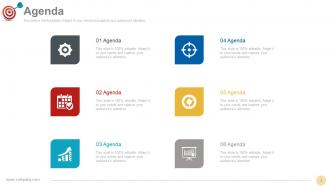
Slide 2: This slide displays Agenda. You can add your agenda in these boxes.
Slide 3: This slide is titled The Vision to add your vision mission etc.
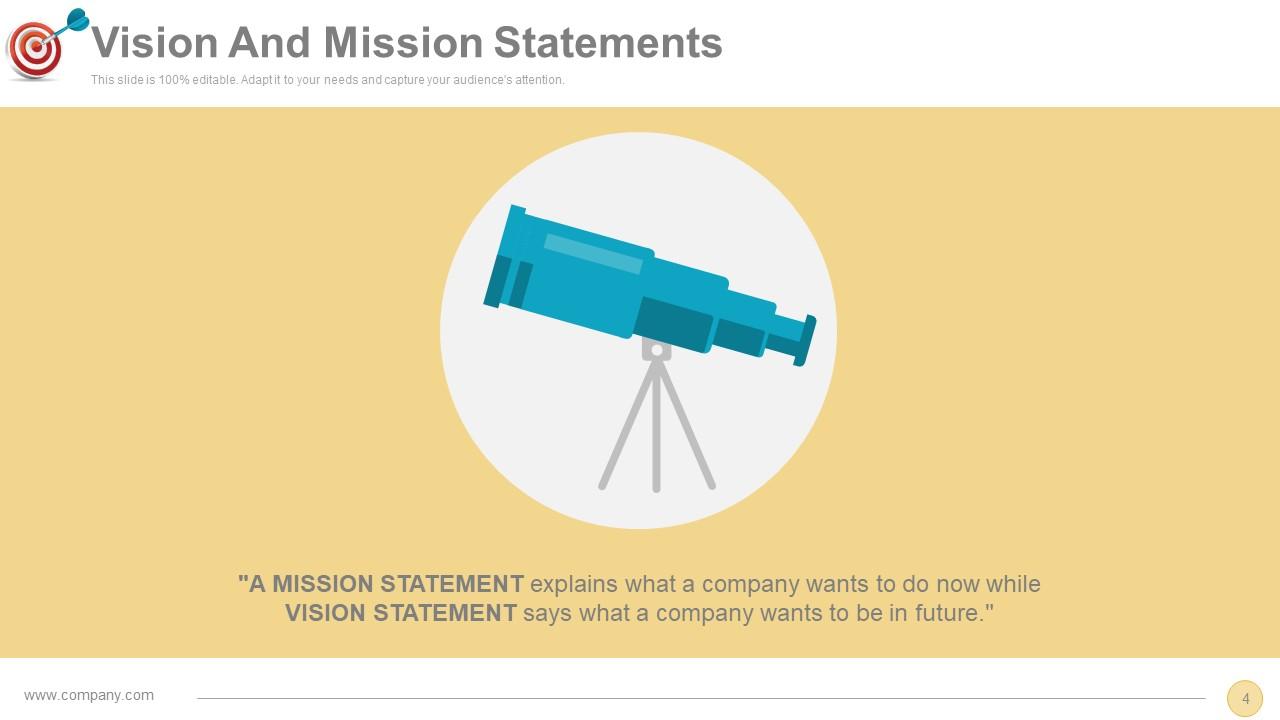
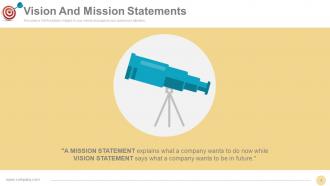
Slide 4: This slide presents Vision And Mission Statements with creative imagery and text boxes.
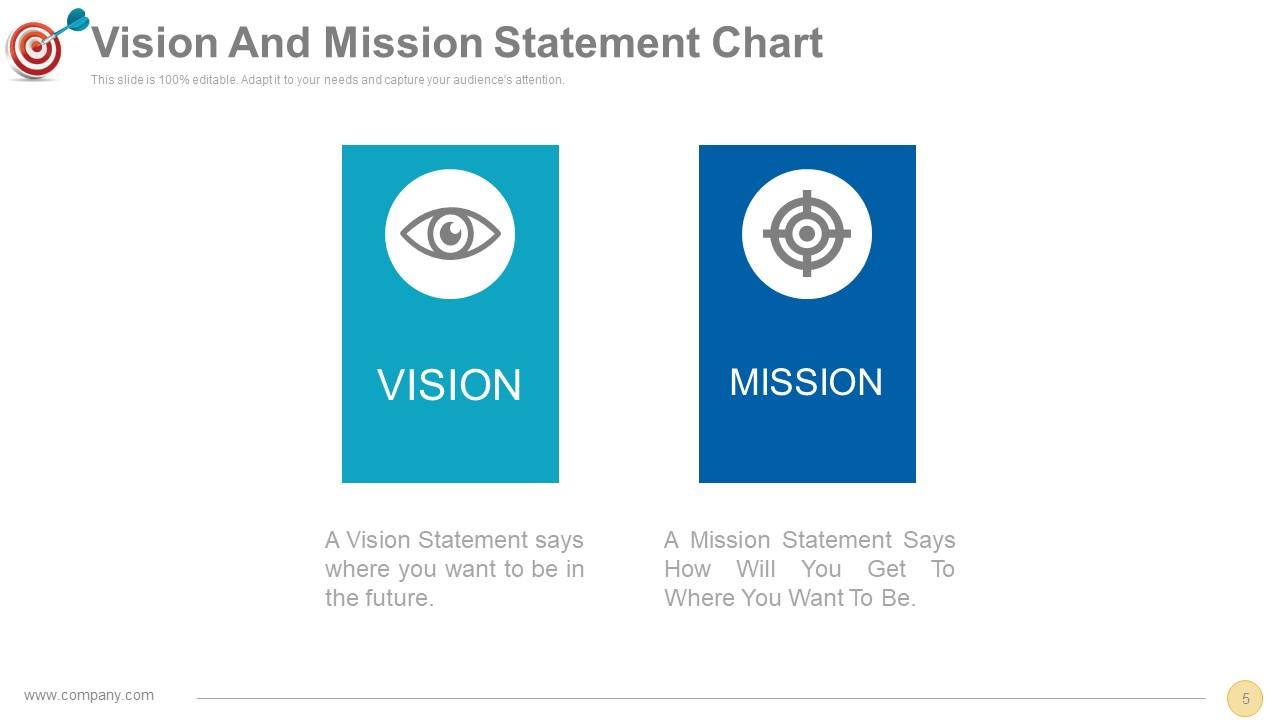
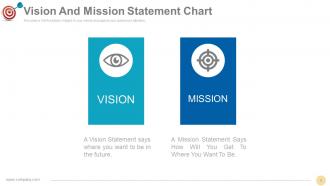
Slide 5: This slide showcases Vision And Mission Statement Chart with their respective icons. Add your mission, vision etc. here.
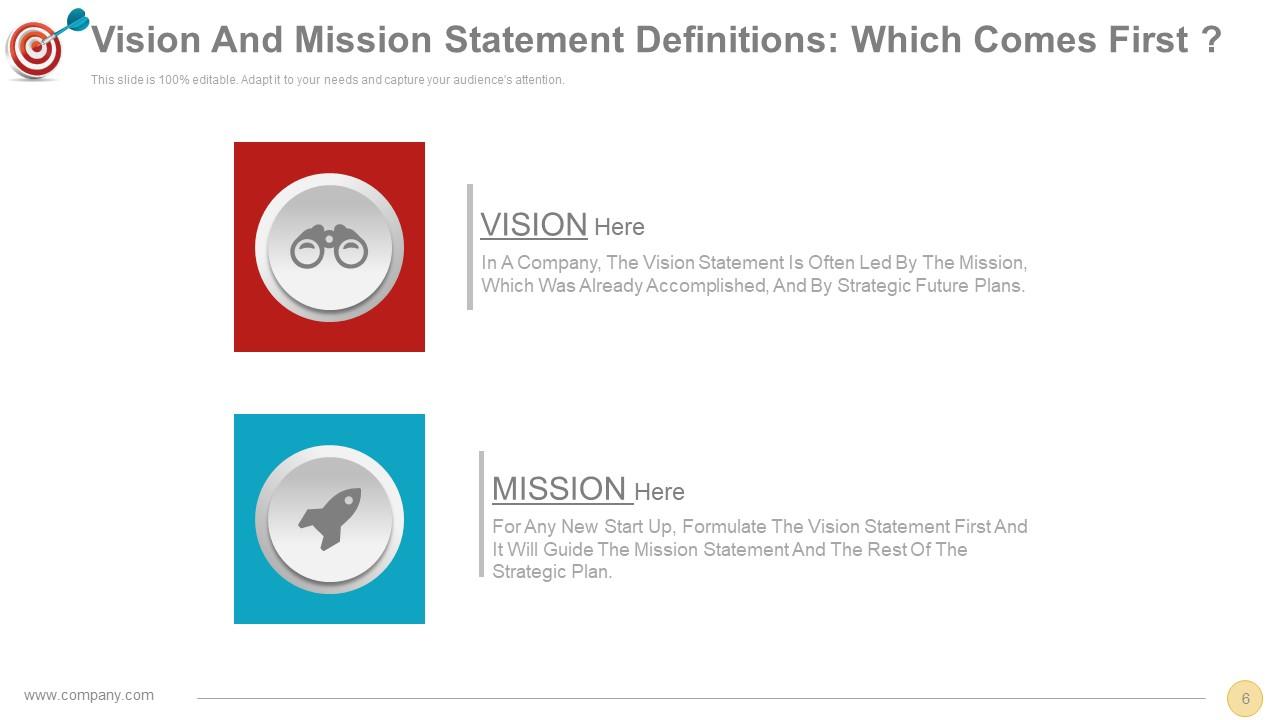
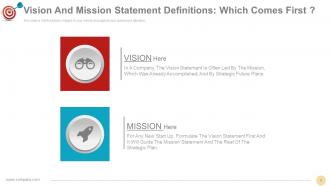
Slide 6: This is a slide on Vision And Mission Statement Definitions: Which Comes First ?
Slide 7: This slide presents What Is Our Business to state business specifications, information etc.
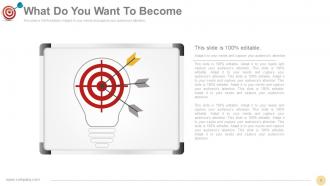
Slide 8: This is What Do You Want To Become slide with bulb and target imagery. State your aspirations etc. here.
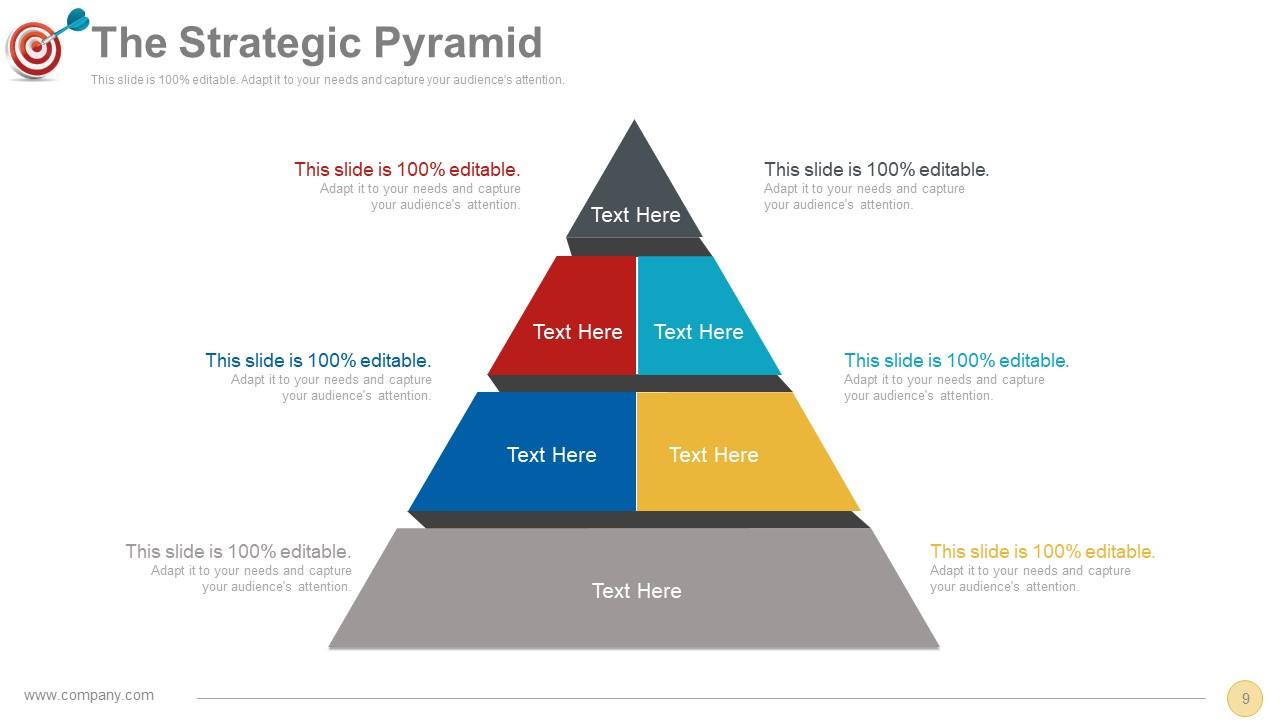
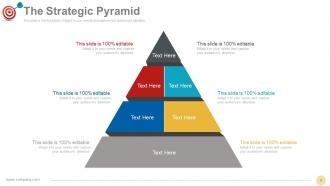
Slide 9: This slide displays The Strategic Pyramid with 6 levels. You can add/ change content as per need.
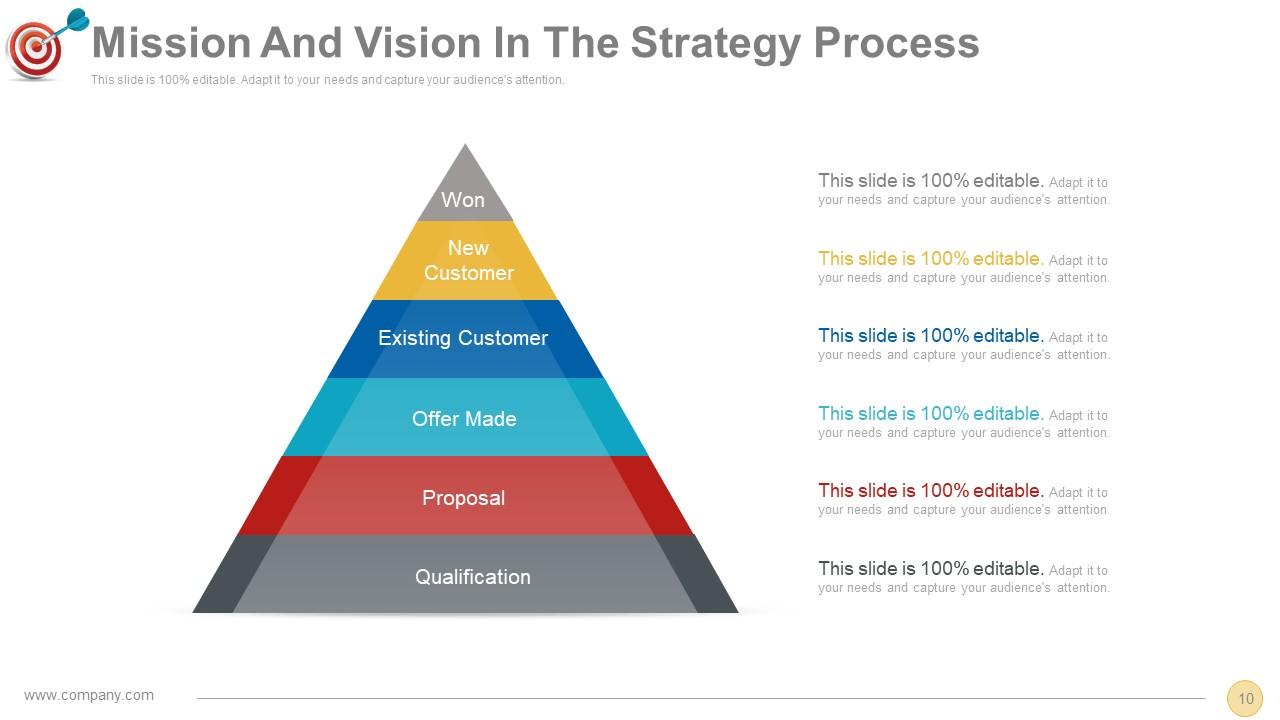
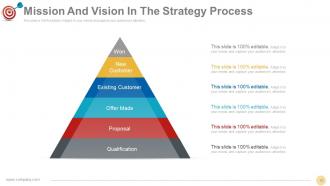
Slide 10: This slide displays Mission And Vision In The Strategy Process which includes- Qualification, Proposal, Offer Made, Existing Customer, New Customer, Won.
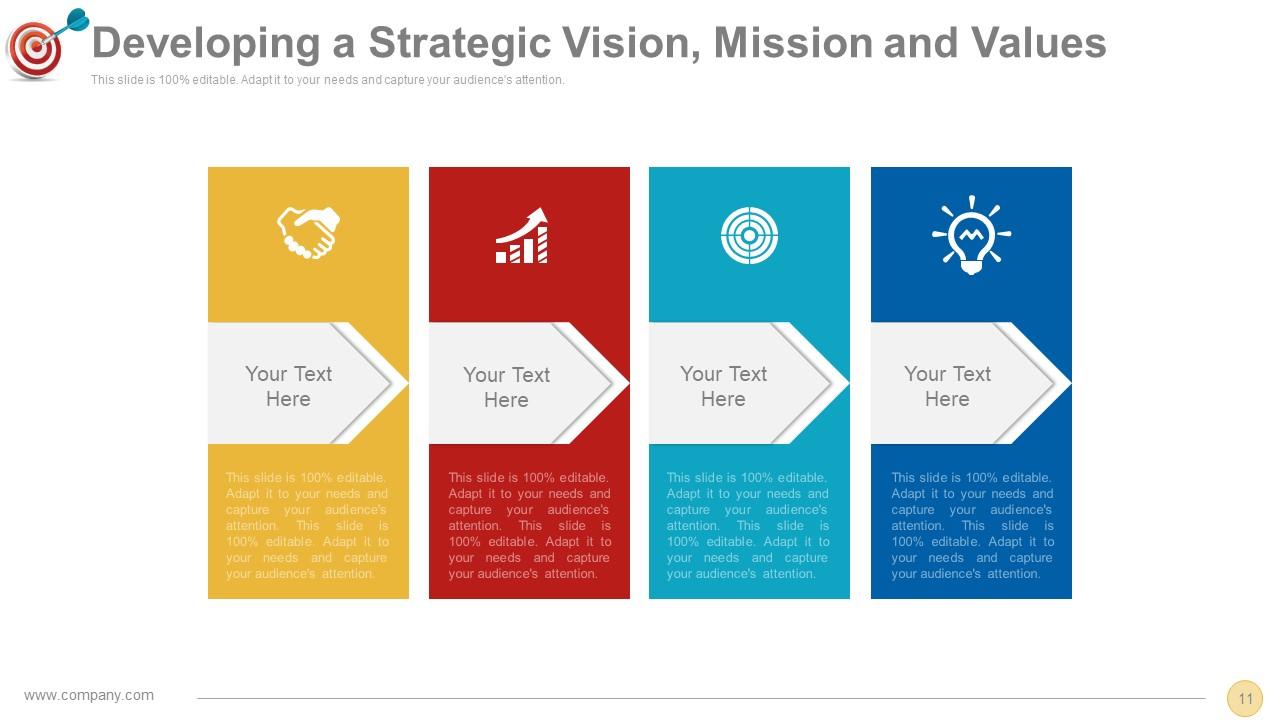
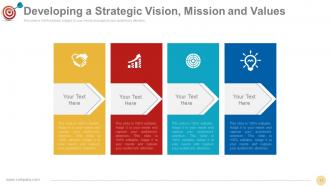
Slide 11: This is Developing a Strategic Vision, Mission and Values slide to state your mission, vision, goals, values etc.
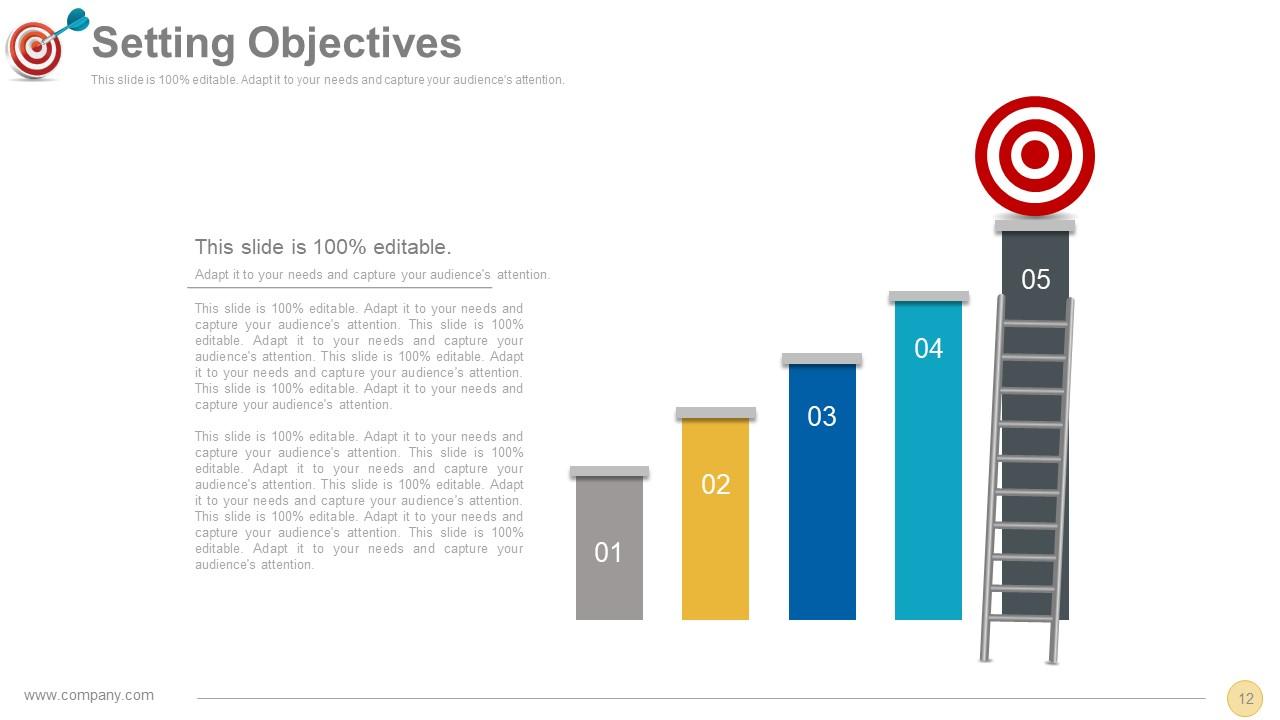
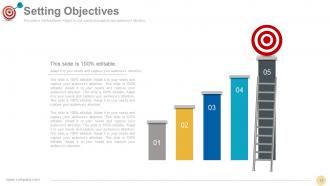
Slide 12: This is Setting Objectives slide with creative imagery.
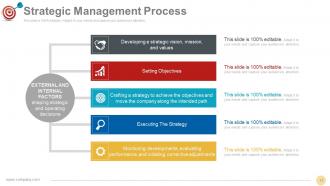
Slide 13: This slide displays Strategic Management Process with respect to External And Internal Factors.
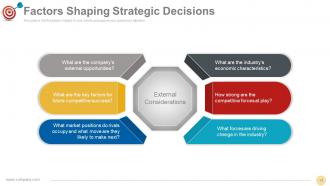
Slide 14: This slide presents Factors Shaping Strategic Decisions. It majorly focuses on stating External Considerations.
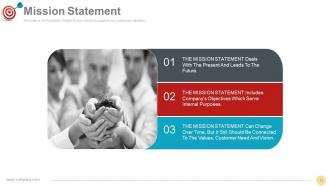
Slide 15: This slide showcases Mission Statement with its various aspects. You can change/alter them as per need.
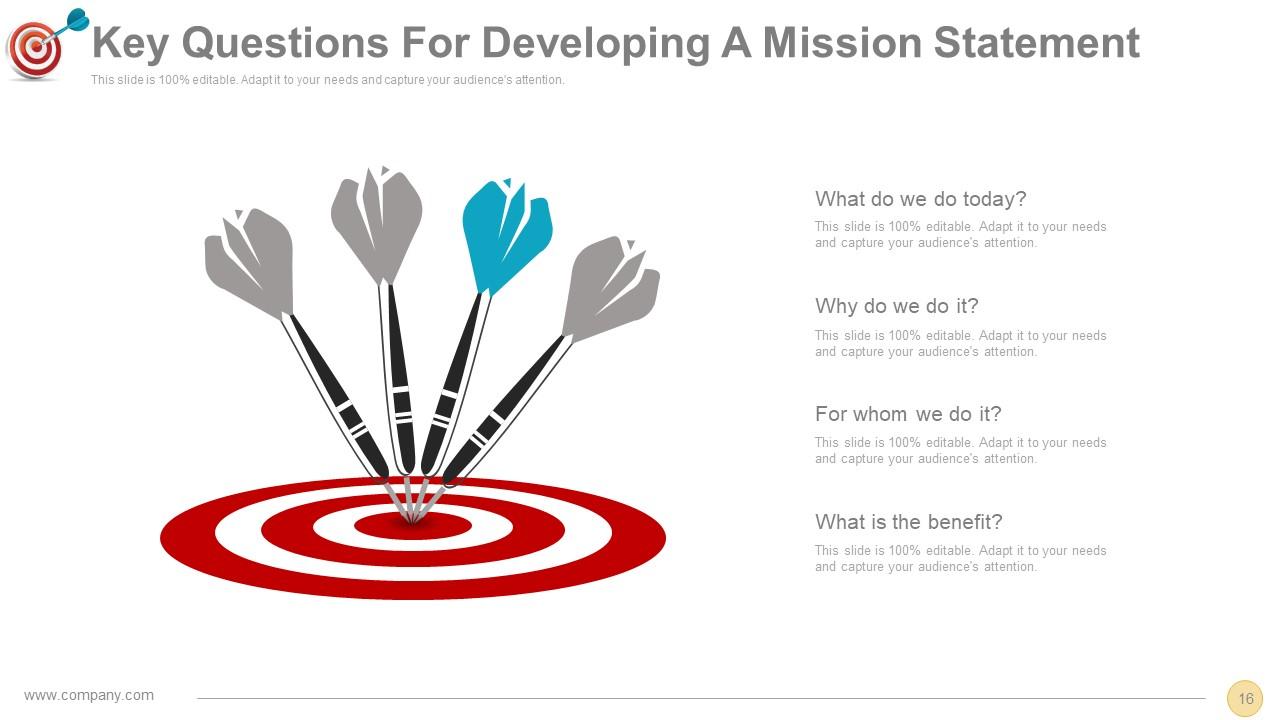
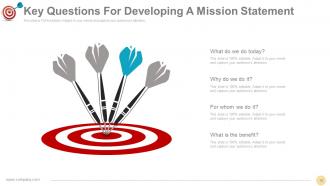
Slide 16: This slide states the Key Questions For Developing A Mission Statement with arrow and target imagery. These include- What do we do today? Why do we do it? For whom we do it? What is the benefit?
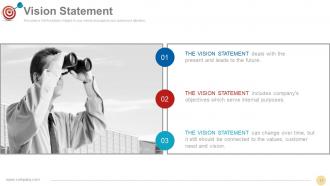
Slide 17: This slide showcases the Vision Statement with imagery.
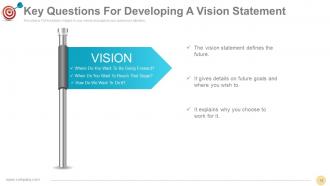
Slide 18: This slide states Key Questions For Developing A Vision Statement.
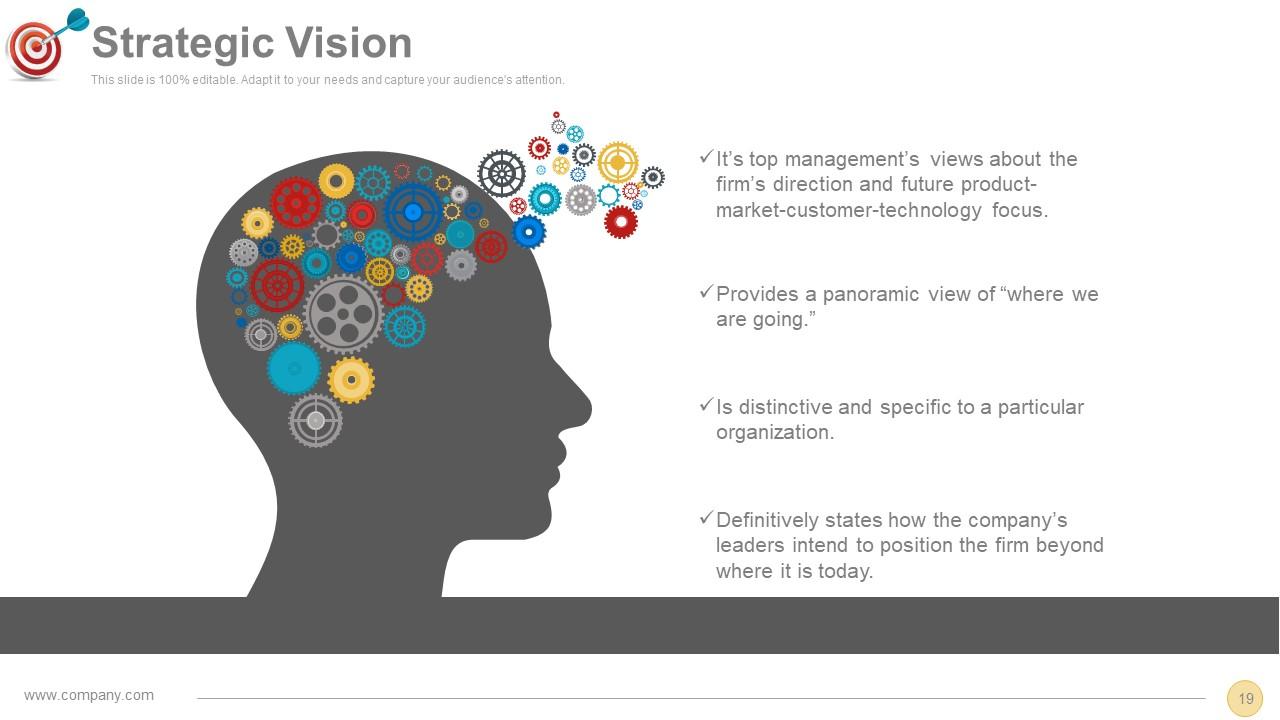
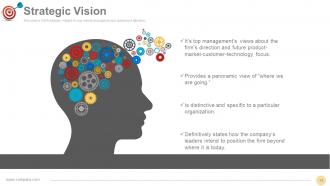
Slide 19: This slide states the Strategic Vision with creative imagery.
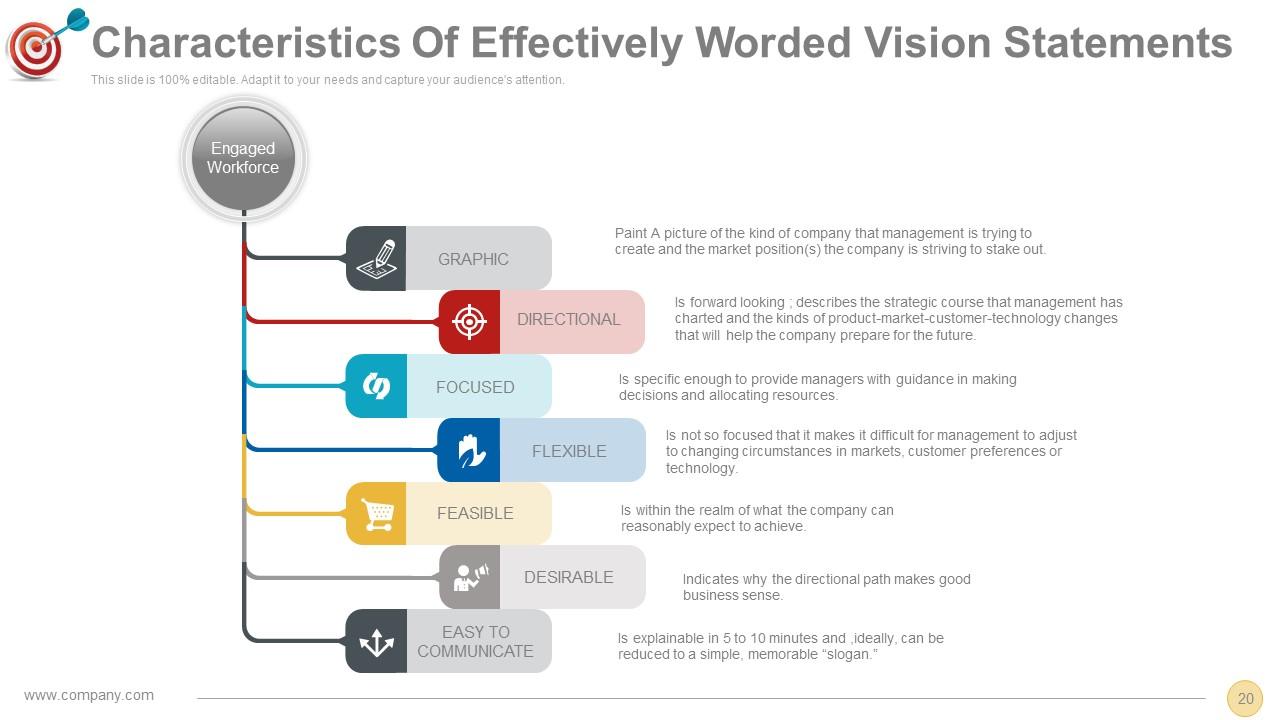
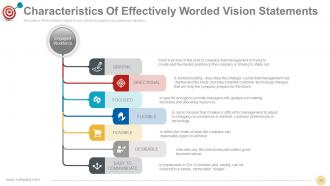
Slide 20: This slide states the Characteristics Of Effectively Worded Vision Statements. The distinct features of ENGAGED WORKFORCE are- Graphic, Directional, Focused, Flexible, Feasible, Desirable, Easy To Communicate.
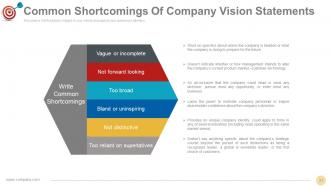
Slide 21: This slide presents the Common Shortcomings Of Company Vision Statements. Some of them are listed below- Vague or incomplete, Not forward looking, Too broad, Bland or uninspiring, Not distinctive, Too reliant on superlatives.
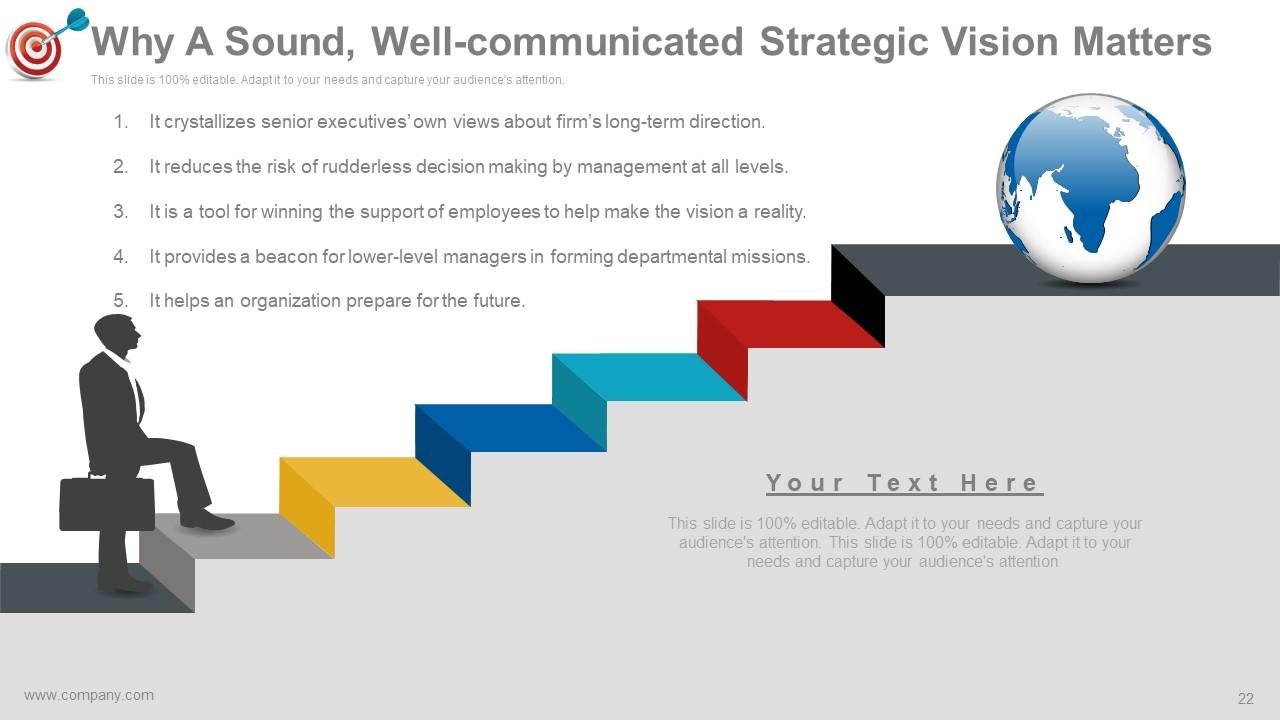
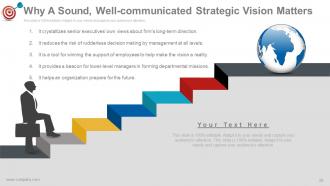
Slide 22: This is Why A Sound, Well-communicated Strategic Vision Matters slide with creative imagery.
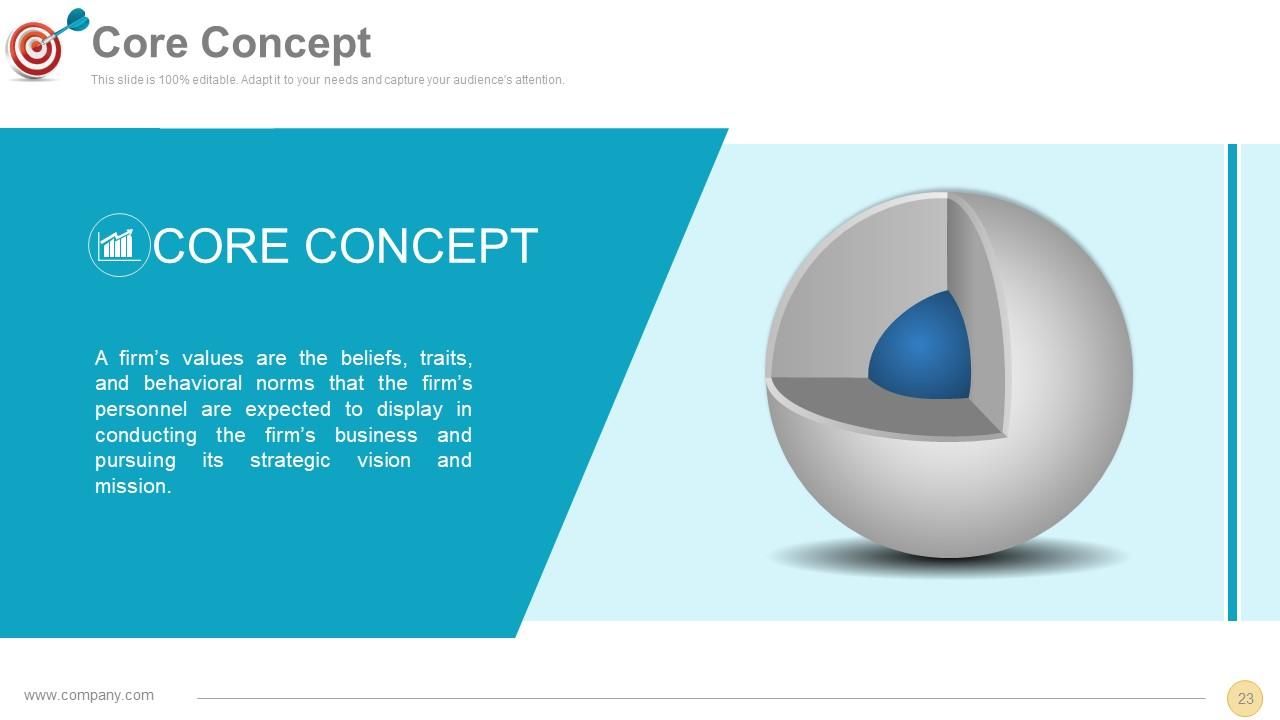
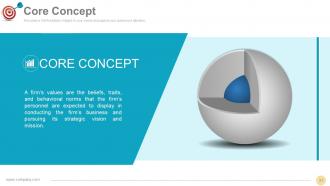
Slide 23: This slide showcases the CORE CONCEPT with relevant imagery.
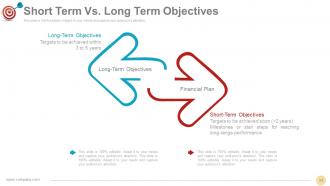
Slide 24: This is Short Term Vs. Long Term Objectives slide to state a comparison between them.
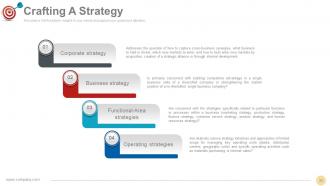
Slide 25: This is Crafting A Strategy slide. It includes the following strategies- Corporate strategy, Business strategy, Functional-Area strategies, Operating strategies.
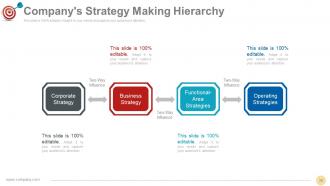
Slide 26: This slide displays Company's Strategy Making Hierarchy with arrow imagery.
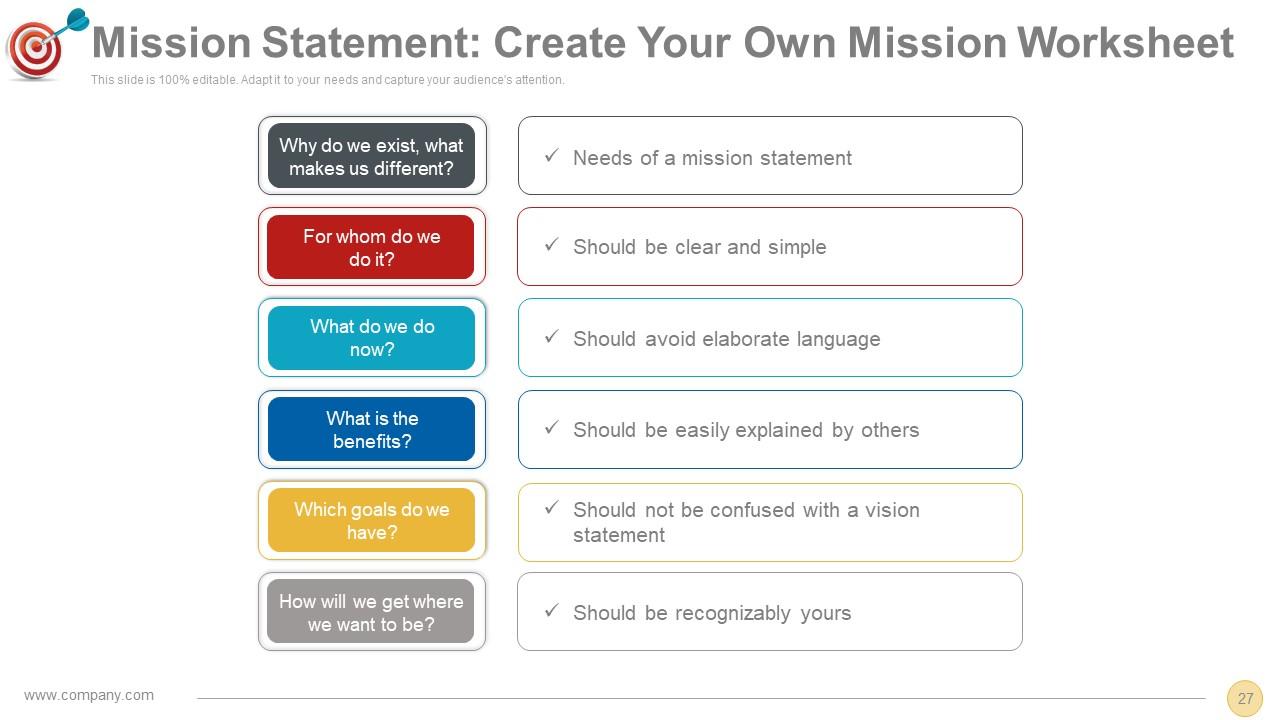
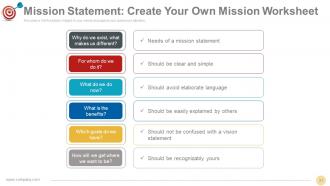
Slide 27: This is Mission Statement: Create Your Own Mission Worksheet slide. It showcases- Why do we exist, what makes us different? For whom do we do it? What do we do now? What is the benefits? Which goals do we have? How will we get where we want to be?
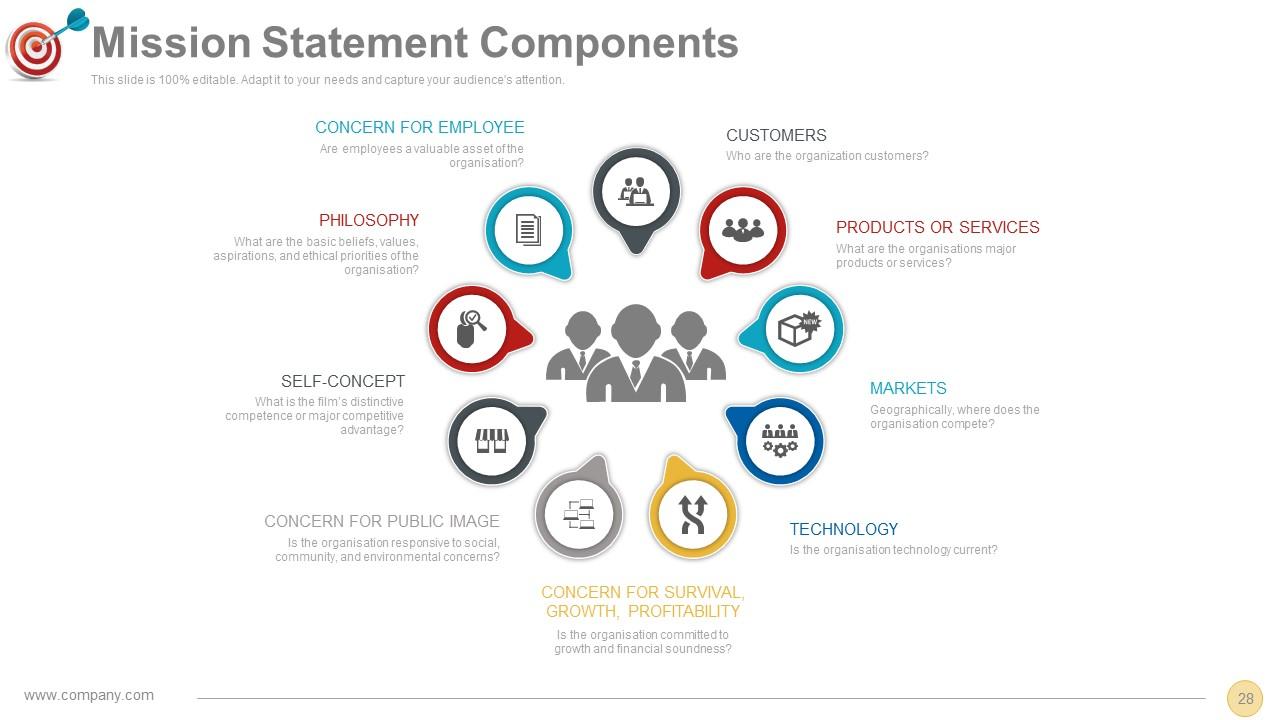
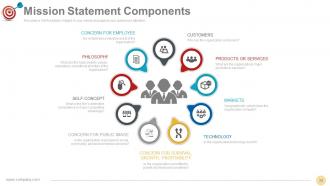
Slide 28: This slide states Mission Statement Components which includes- Customers, Products Or Services, Markets, Technology, Concern For Survival, Growth, Profitability, Philosophy, Self-Concept, Concern For Public Image, Concern For Employee.
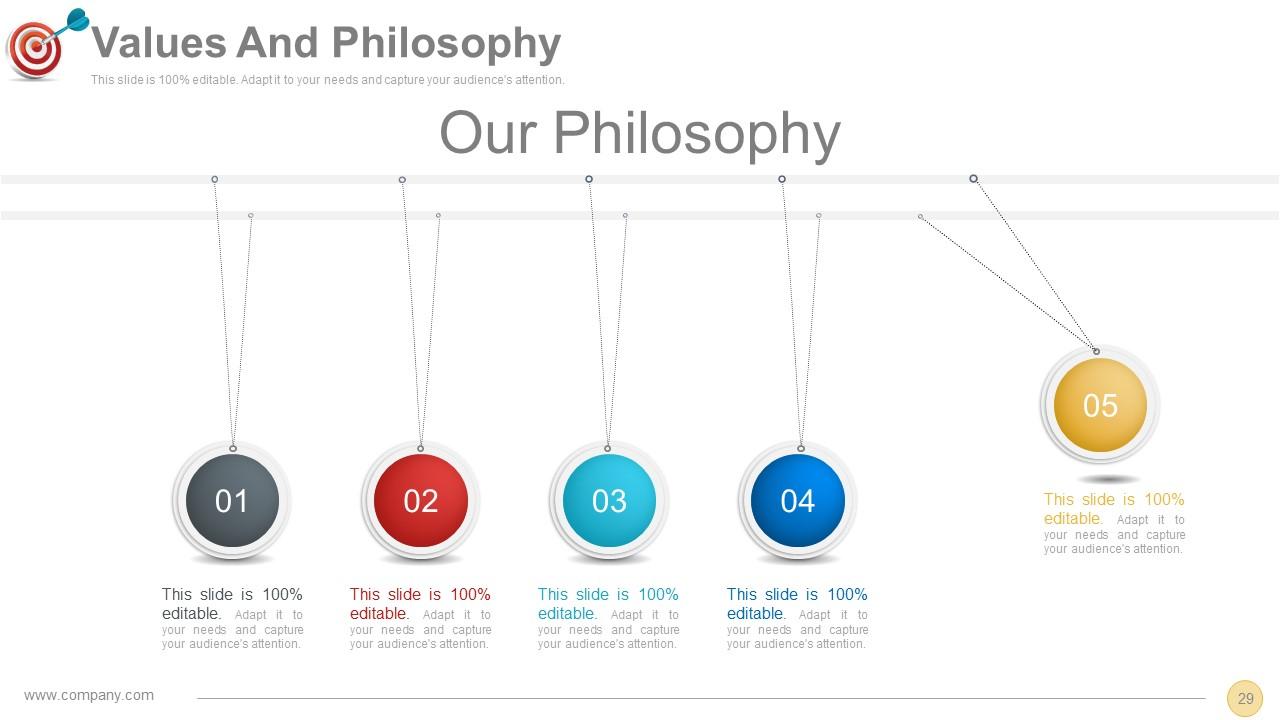
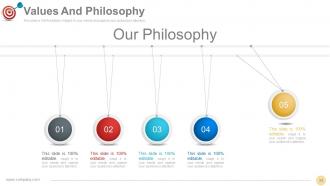
Slide 29: This slide presents Values And Philosophy with text boxes.
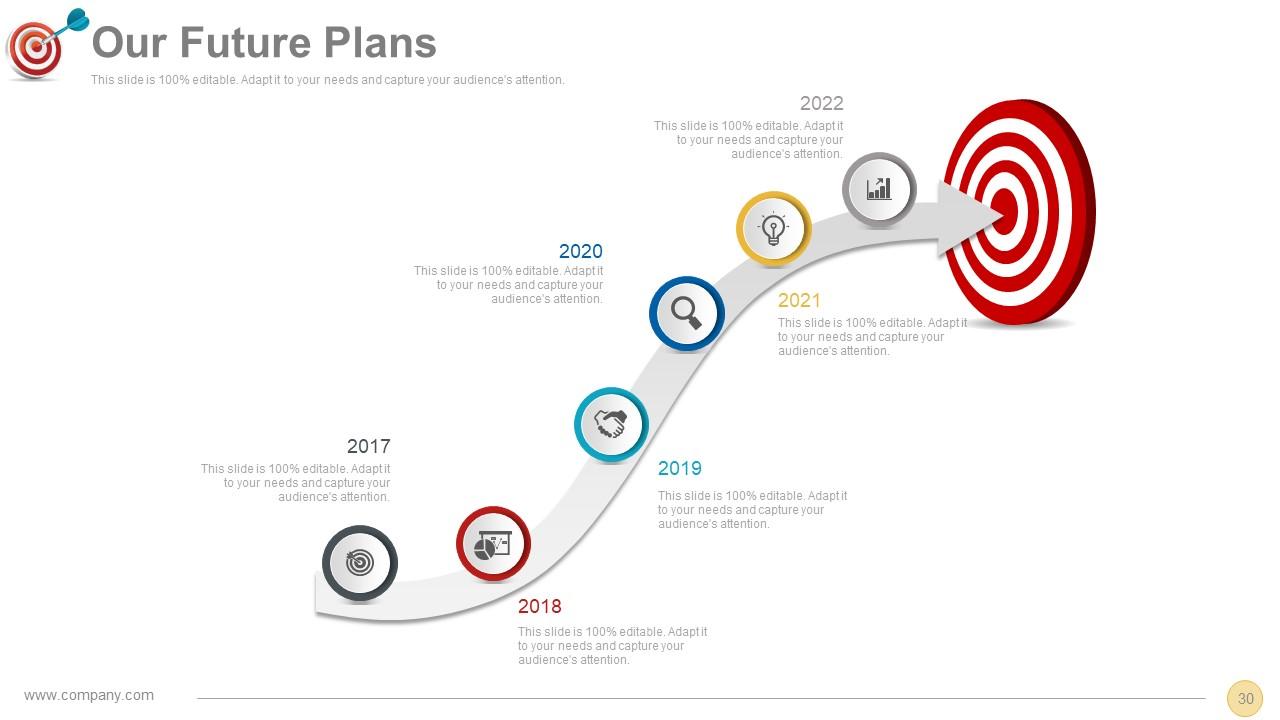
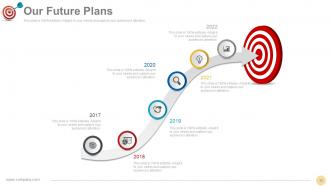
Slide 30: This slide states Our Future Plans with arrow and target imagery. Mention company plans etc. here.
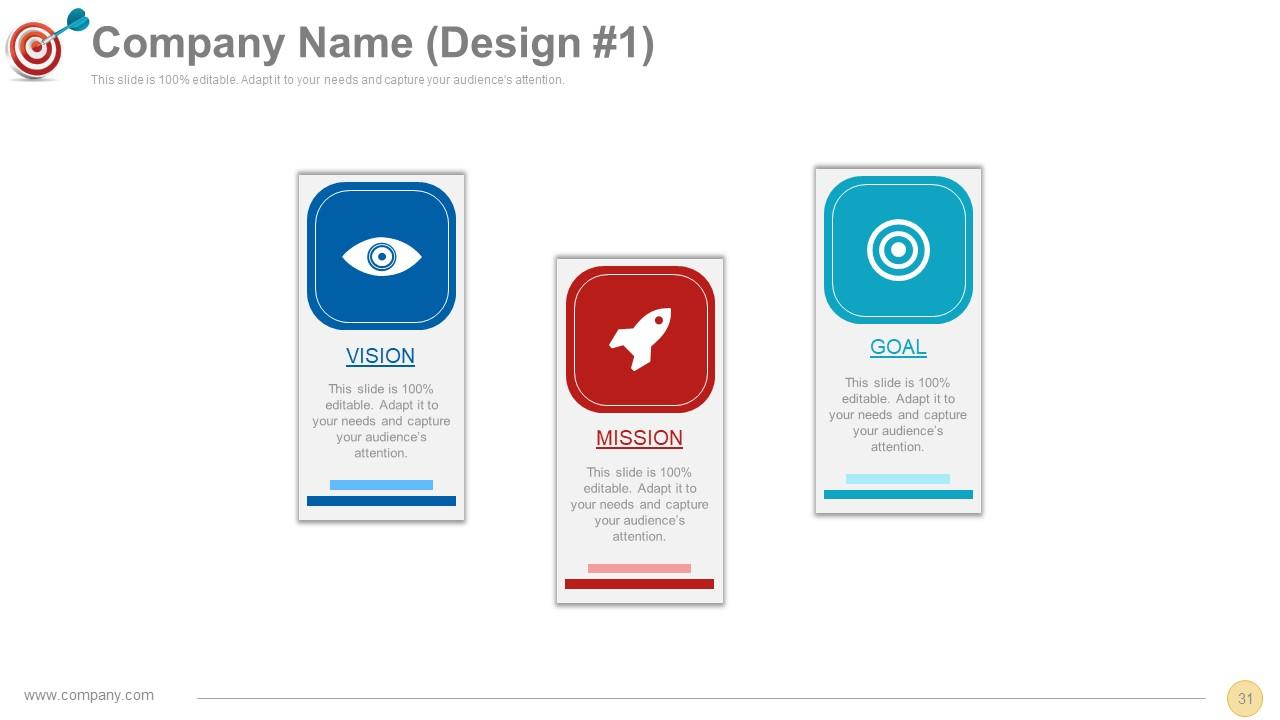
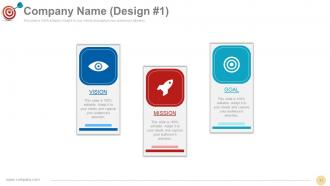
Slide 31: This is first Company Name slide. State Vision, Mission, Goals etc. here.
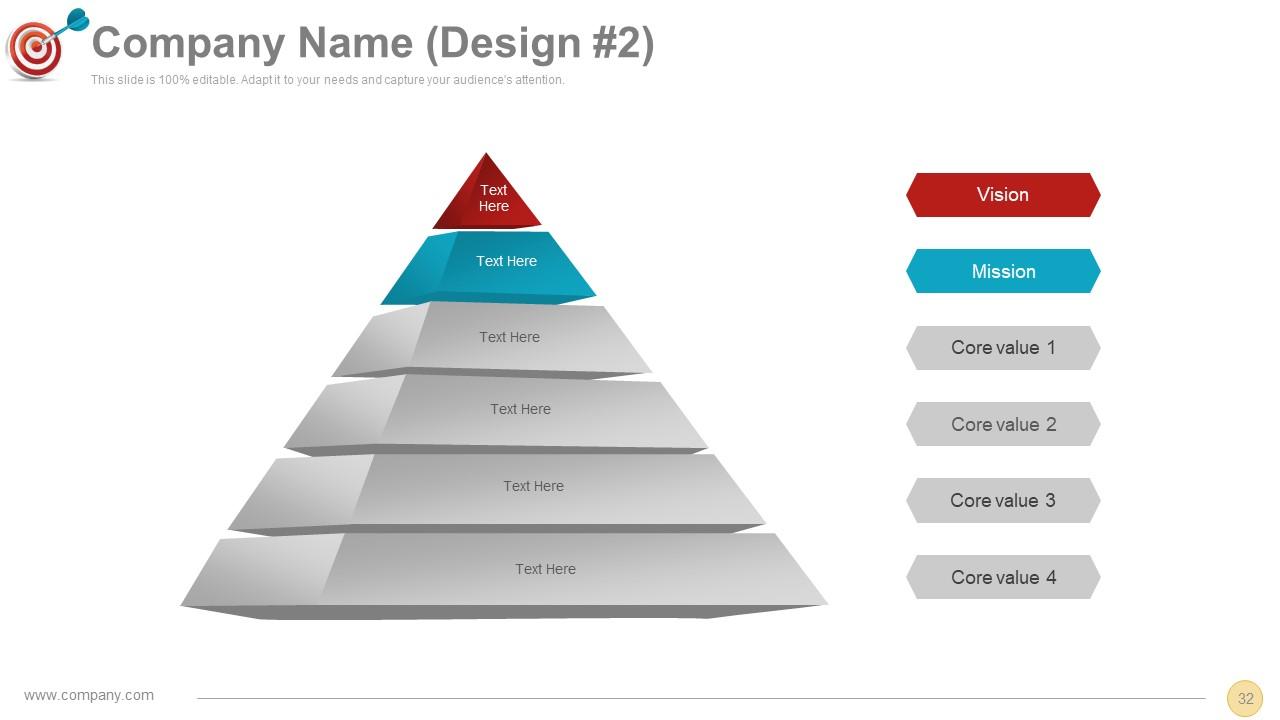
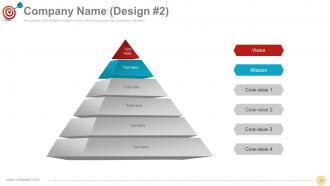
Slide 32: This is second Company Name slide in a pyramid image form.
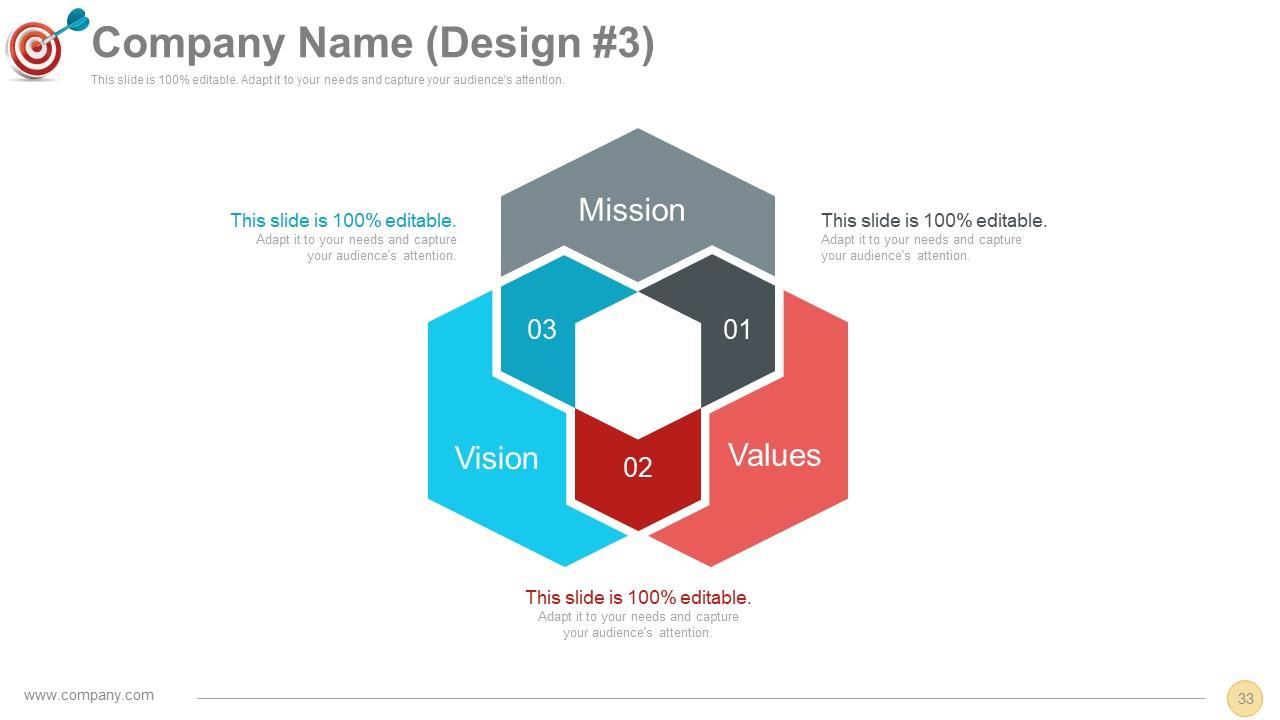
Slide 33: This is third Company Name slide to state.
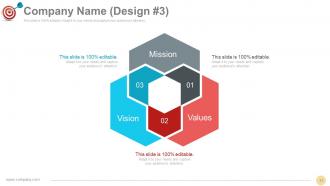
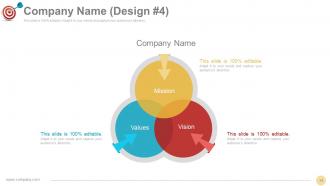
Slide 34: This is fourth Company Name slide in a venn diagram form.
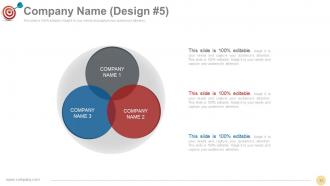
Slide 35: This is fifth Company Name slide.
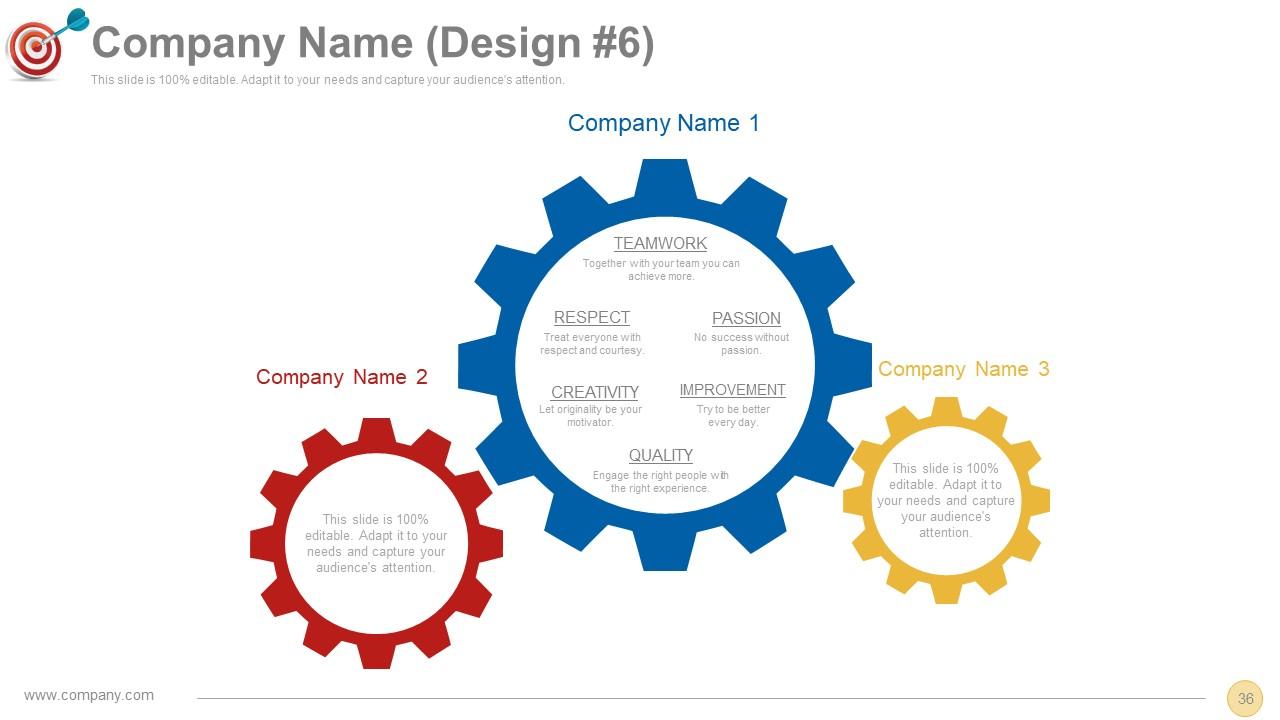
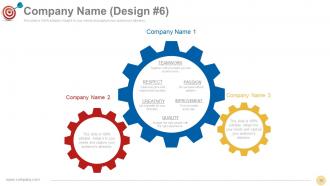
Slide 36: This is sixth Company Name slide with- Teamwork, Quality, Creativity, Improvement, Respect, Passion.
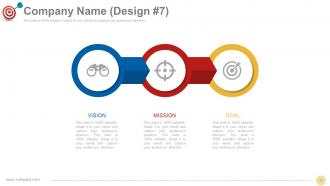
Slide 37: This is seventh Company Name slide.
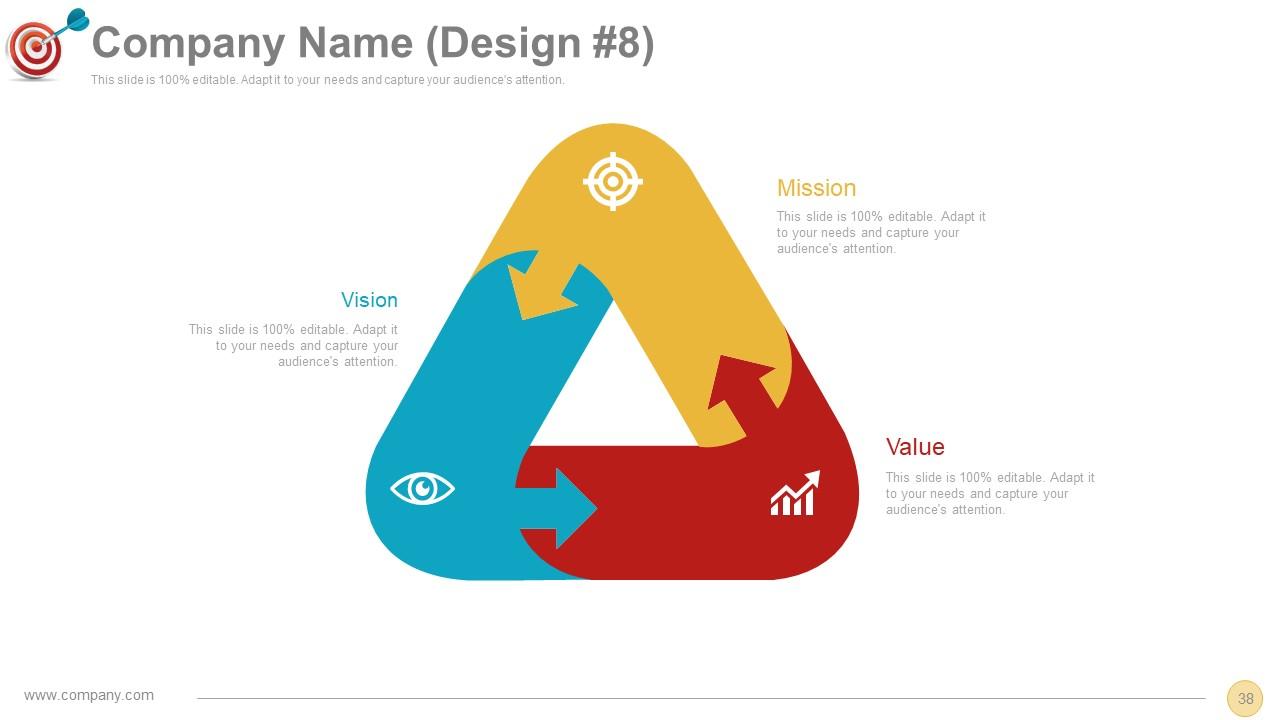
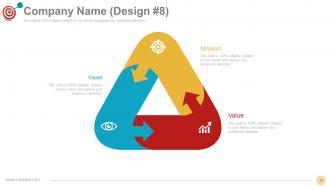
Slide 38: This is eighth Company Name slide in triangular image form and arrows to go with.
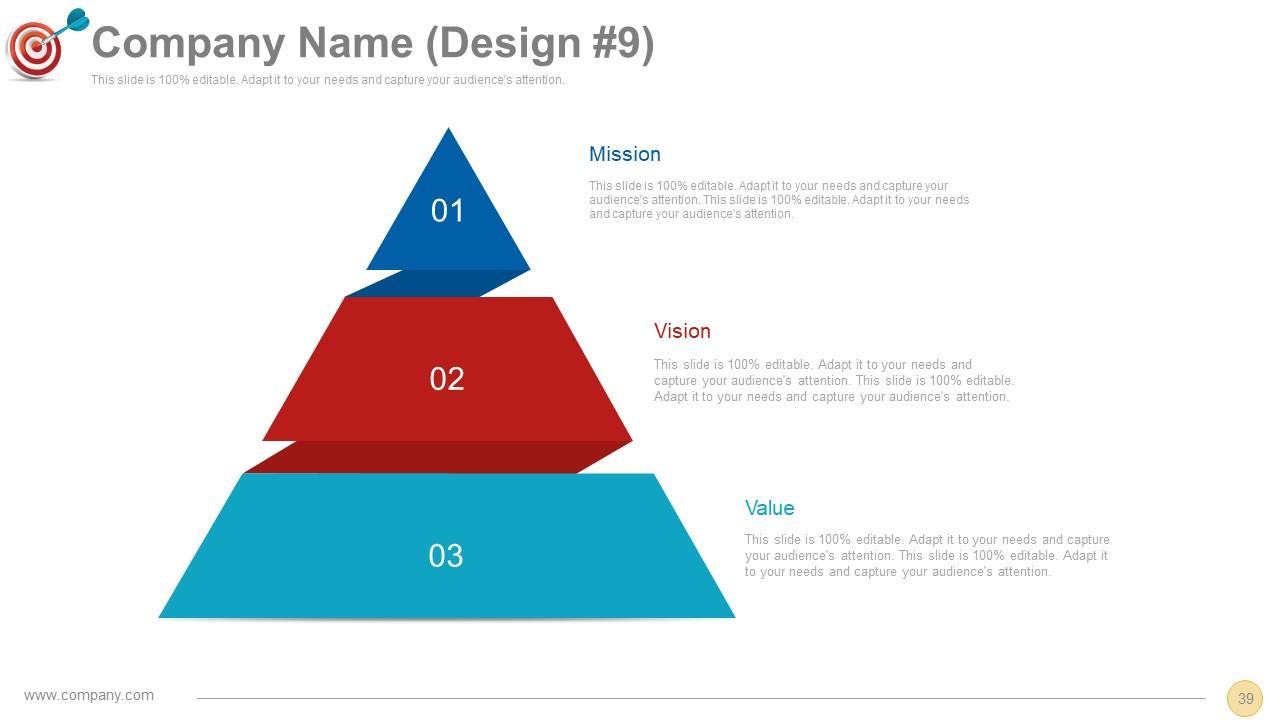
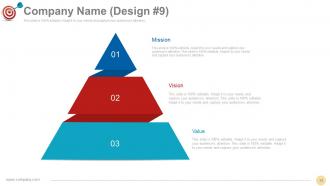
Slide 39: This is ninth Company Name slide with pyramid imagery.
Slide 40: This is titled Additional Slides to proceed forward. Change/ alter contents as per need.
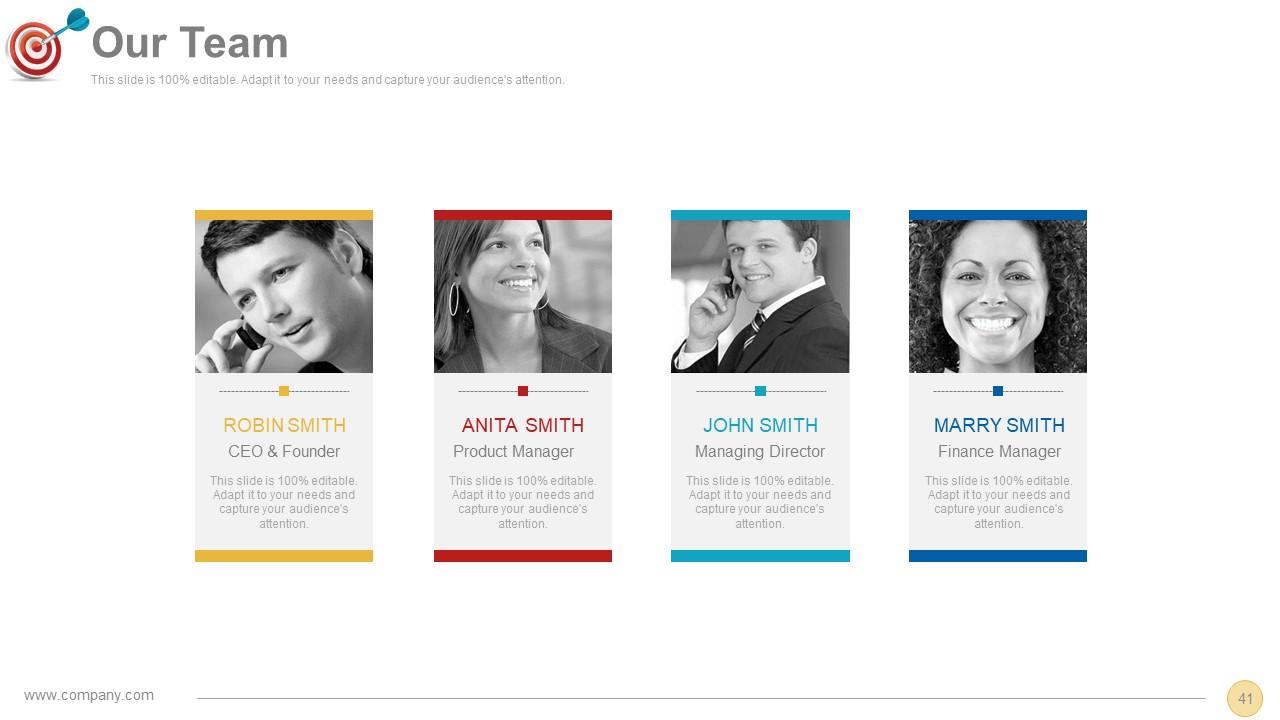
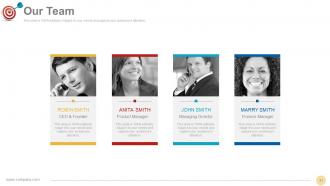
Slide 41: This slide showcases Our Team with name and designation to fill.
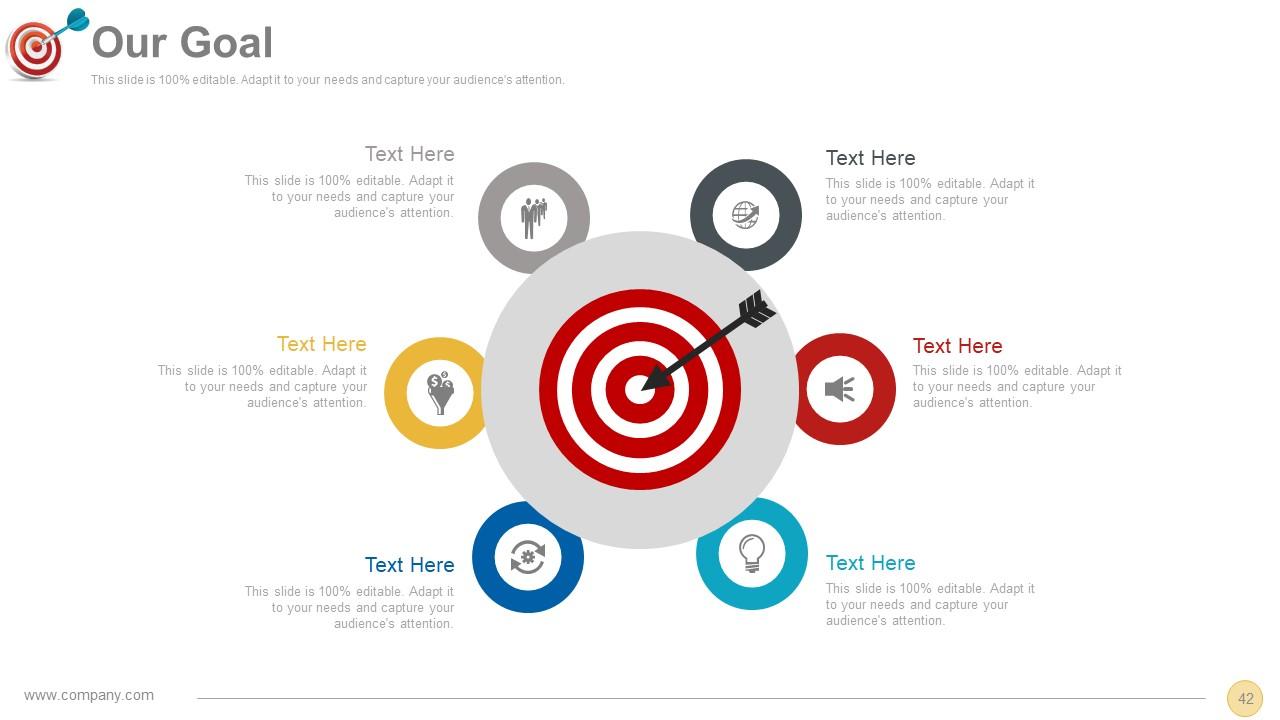
Slide 42: This is Our Goal slide. State your important goals here.
Slide 43: This is a Quotes slide to highlight, or state anything specific.
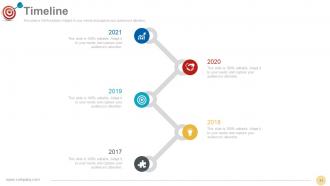
Slide 44: This is a Timeline slide to show milestones, growth or highlighting factors.
Slide 45: This is Important Notes slide to depict anything specific, important etc.
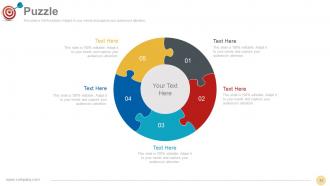
Slide 46: This is a Puzzle image slide to show information, specifications etc.
Slide 47: This is a Target slide to show targets, plans etc.
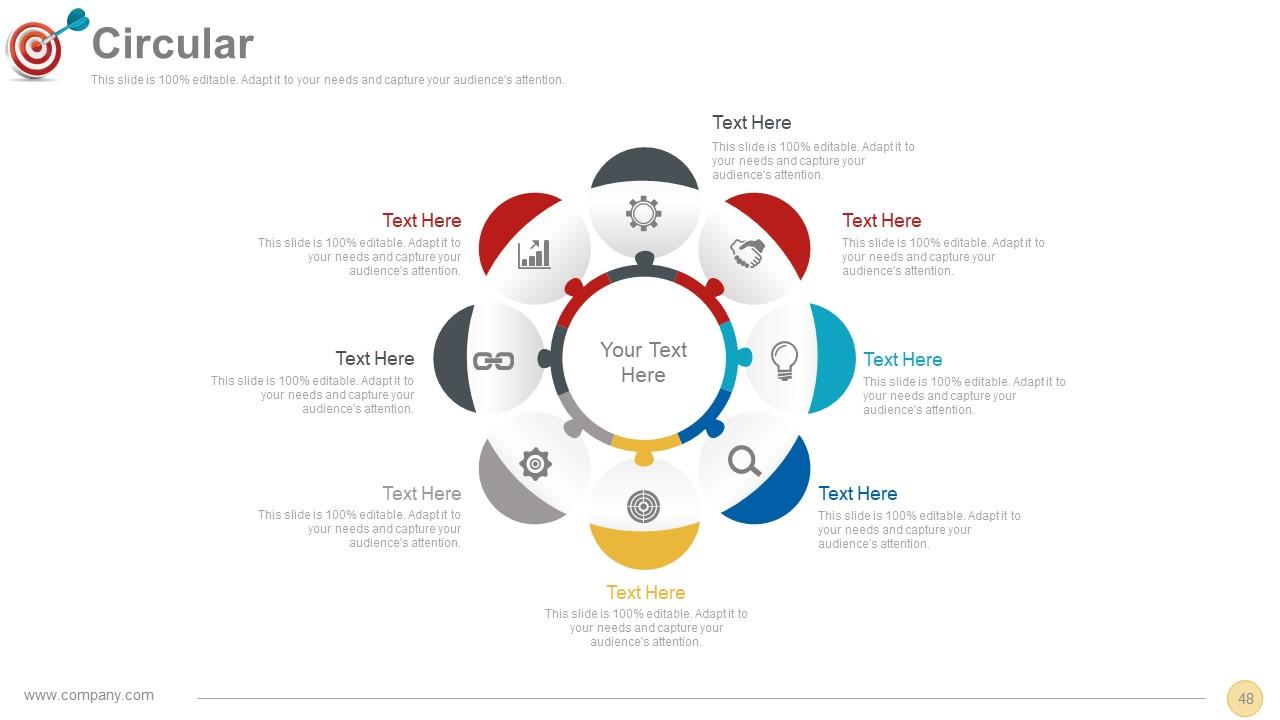
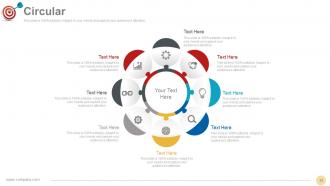
Slide 48: This is a Circular image slide to show information, specifications etc.
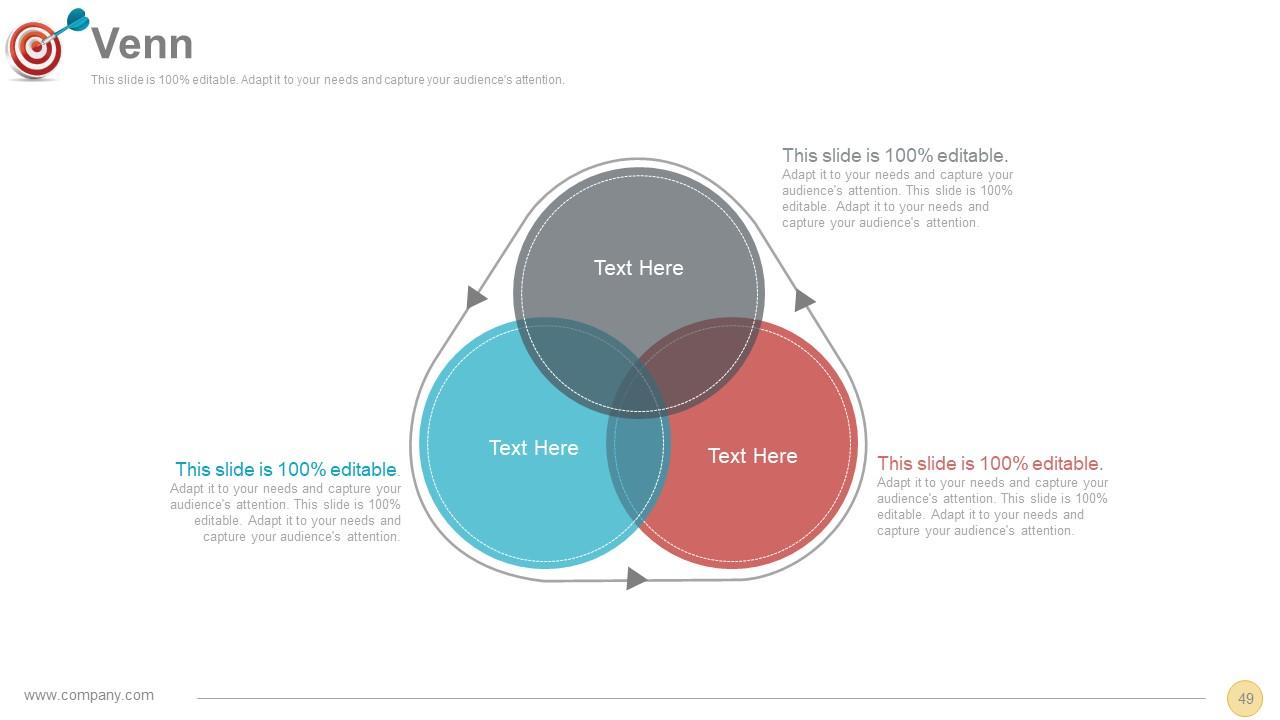
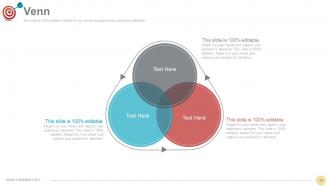
Slide 49: This is a Venn diagram image slide to show information, specifications etc.
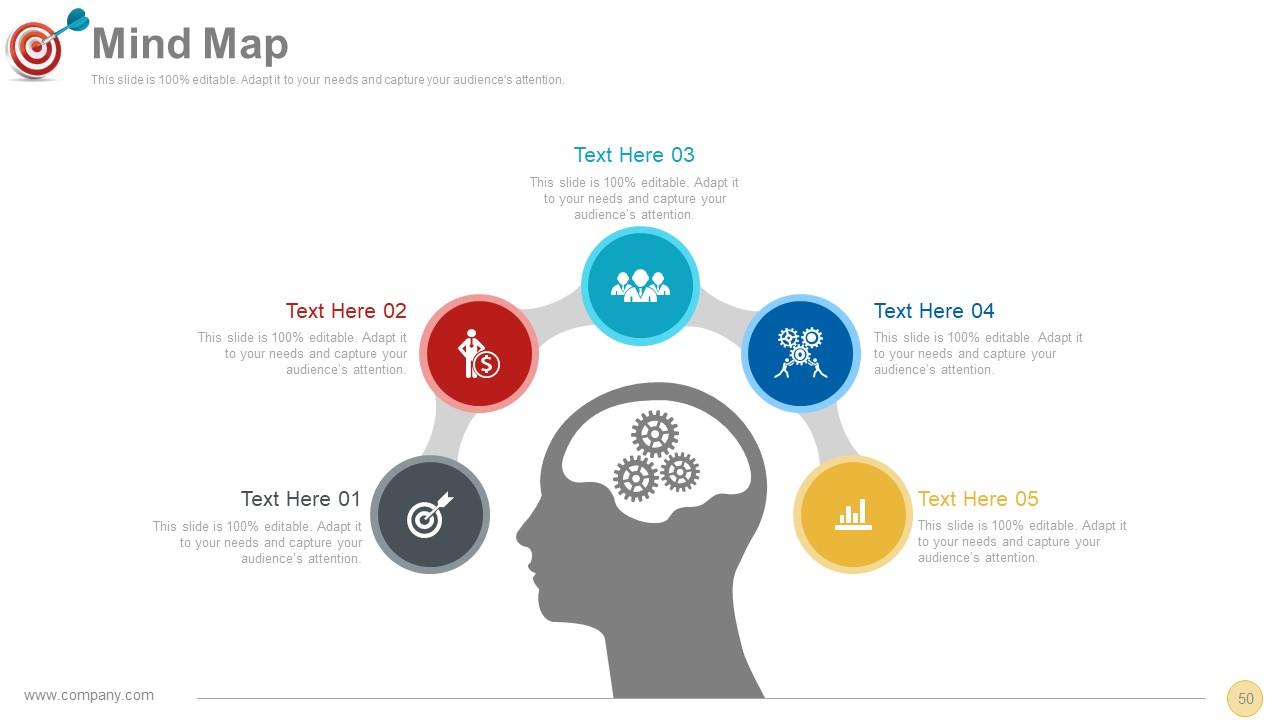
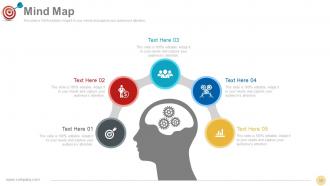
Slide 50: This is a Mind map image slide to show information, segregation, specifications etc.
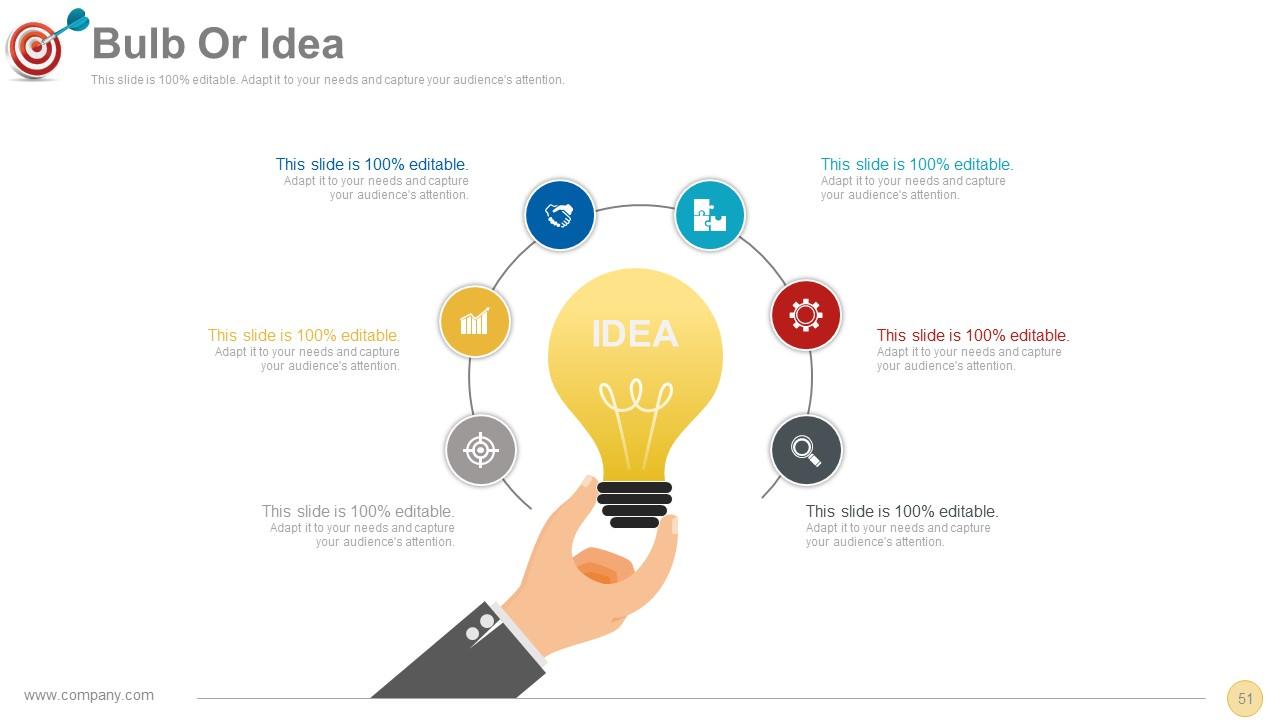
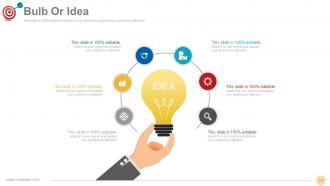
Slide 51: This is a Bulb or Idea image slide to show information, innovation specifications etc.
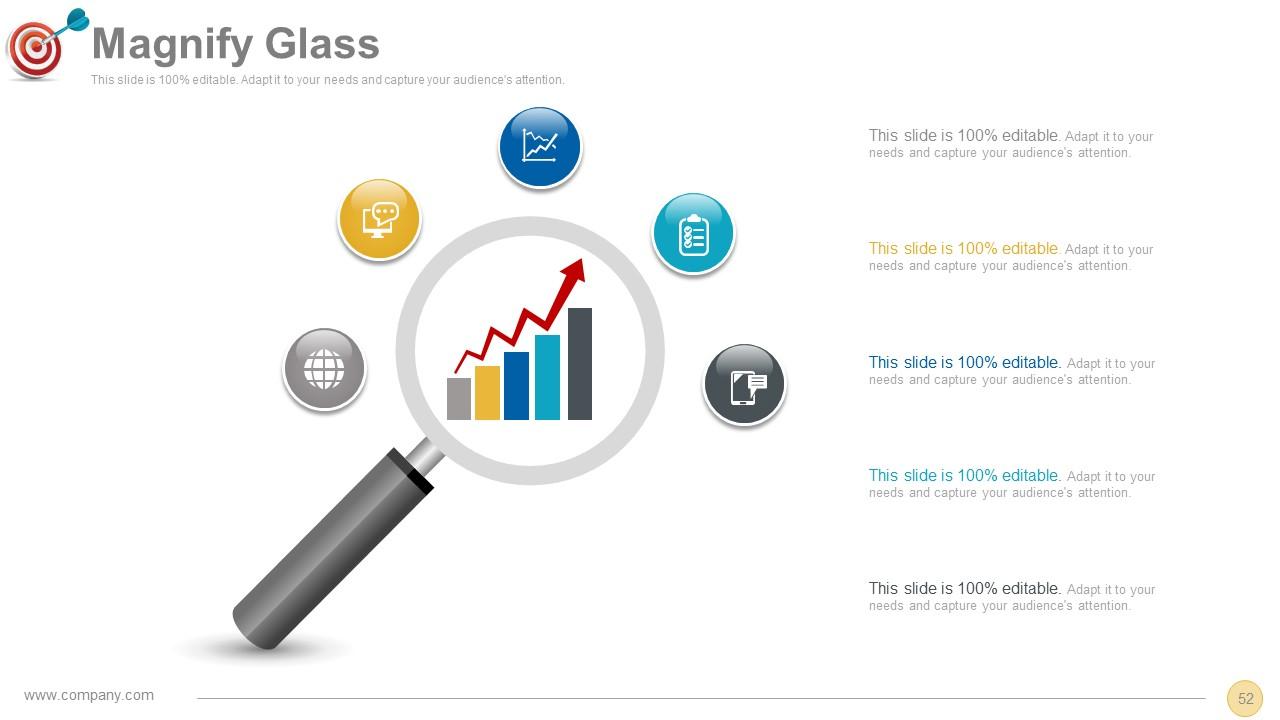
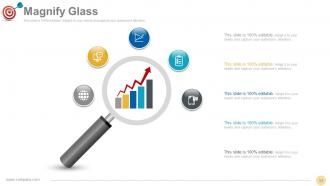
Slide 52: This slide shows a Magnify glass image with text boxes. State information etc. here.
Slide 53: This is a Thank You slide with Address# street number, city, state, Contact Numbers, Email Address.
Vision Mission Strategic Management Process Powerpoint Presentation Slides with all 53 slides:
Be fast off the draw with our Vision Mission Strategic Management Process Powerpoint Presentation Slides. Come out the best in any duel.
-
Commendable slides with attractive designs. Extremely pleased with the fact that they are easy to modify. Great work!
-
Editable templates with innovative design and color combination.
