

Ways To Motivate Employees Powerpoint Presentation Slides




Try Before you Buy Download Free Sample Product
 Impress Your
 Audience
 100%
100% Editable
 Save Hours
 of Time


Talk about the categories of employee value proposition such as opportunity, rewards, work, people, organization, etc. with the aid of our content ready Ways To Motivate Employees PowerPoint Presentation Slides. Create a friendly work environment and encourage employee achievements using this professionally designed employee value proposition PPT slideshow. Reward recognition and positive communication is the key to employee motivation. Take the assistance of the visually appealing employee motivation PowerPoint complete deck to create a career path and encourage friendly competition for your employees. The methods of staff motivation PowerPoint complete deck contains ready to use twenty-one PPT slides that will help you to focus on employee growth, management development, ongoing employee recognition and so on. You can also use the topic-specific employee satisfaction techniques PPT graphics to attract and retain talent sufficiently. Thus, download the eye-catching and informative work motivation PowerPoint presentation to create a strong people brand. Our Ways To Motivate Employees Powerpoint Presentation Slides keep you calm and controlled. They ensure you don't fly off the handle.
People who downloaded this PowerPoint presentation also viewed the following :
Content of this Powerpoint Presentation
Slide 1: This slide introduces Ways to Motivate Employees. State Your Company Name and begin.
Slide 2: This slide shows Employee Value Proposition Components as- Rewards & Benefits, Employment Brand, Recruiting Strategy, Corporate Brand, Employment Feedback.
Slide 3: This slide presents Employee Value Proposition Categories as- Opportunity, Rewards, Work, People, Organization.
Slide 4: This slide displays Employee Value Proposition Canvas describing- Work Life, Compensation & Benefits, Professional Development, Recognition & Rewards, Culture.
Slide 5: This slide represents Employee Value Proposition Template with categories as- Compensation, Benefits, Career, Work Environment, Culture.
Slide 6: This slide showcases Employee Value Proposition Framework describing- People, Work, Opportunity, Reward, Organization.
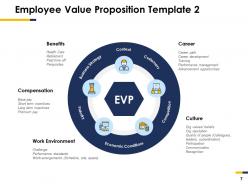
Slide 7: This slide shows Employee Value Proposition Template 2 describing- Career, Culture, Work Environment, Compensation, Benefits.
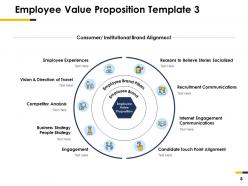
Slide 8: This is another template for Employee Value Proposition.
Slide 9: This slide reminds about 10 minutes coffee break.
Slide 10: This slide displays Way To Motivate Employees Icons.
Slide 11: This slide is titled as additional slide for moving forward.
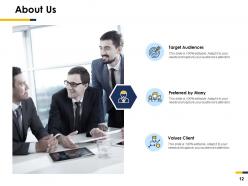
Slide 12: This is About Us slide to show company specifications etc.
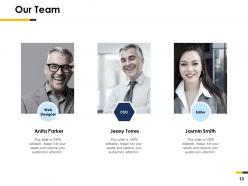
Slide 13: This is Our Team slide with names and designation.
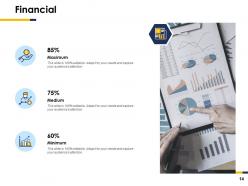
Slide 14: This is a Financial slide. Show your finance related stuff here.
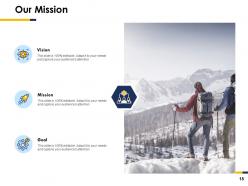
Slide 15: This is Our Mission slide with related imagery and text.
Slide 16: This is a Silhouettes slide to show people specific information etc.
Slide 17: This is Our Target slide. State your targets here.
Slide 18: This is a Puzzle slide with text boxes to show information.
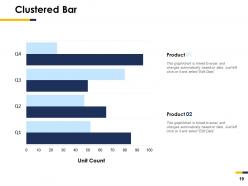
Slide 19: This slide shows Clustered Bar chart with two products comparison.
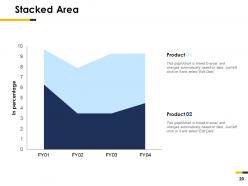
Slide 20: This slide displays Stacked Area chart with two products comparison.
Slide 21: This is a Thank You slide with address, contact numbers and email address.
Ways To Motivate Employees Powerpoint Presentation Slides with all 21 slides:
Use our Ways To Motivate Employees Powerpoint Presentation Slides to effectively help you save your valuable time. They are readymade to fit into any presentation structure.







FAQs for Ways To Motivate Employees
Honestly, just ask your people what actually motivates them - sounds obvious but most managers never do this! Give them control over their work when possible, chances to learn new stuff, and help them see how their job matters. Recognition hits different than money sometimes (though yeah, pay them fairly too obviously). Career growth opportunities are huge. What gets Sarah excited might bore Mike to tears, so you gotta know your team individually. I swear some people just want their work acknowledged while others are all about climbing the ladder.
Honestly, hybrid leadership is mostly about being super intentional with communication. Check in with people regularly - and I mean actually ask how they're doing, not just project updates. Inconsistent communication will tank morale so fast it's not even funny. Make sure you're celebrating wins publicly whether someone's in the office or at home in their pajamas. You've got to create those casual interaction moments since they don't happen naturally anymore. Regular one-on-ones are clutch, but use them to actually listen instead of just dumping more tasks on people.
Honestly, culture makes or breaks everything motivation-wise. If people feel valued and safe to speak up, they'll actually want to be there. Toxic environments? Money won't fix that mess - I've seen it firsthand. Your day-to-day interactions get shaped by whatever vibe the workplace has going on. Trust matters way more than fancy perks too. When folks know their work gets noticed and they're not walking on eggshells, that's when real engagement happens. Focus on celebrating wins and having people's backs. Those things stick around long after bonus season ends.
SMART goals work because your team gets specific targets instead of that useless "just do better" feedback. People can actually track progress and celebrate small wins when they know exactly what they're hitting and by when. Honestly, the "achievable" part might be the most important - nothing crushes motivation like impossible goals. I'd have your employees write their own SMART goals first, then you review together. They'll be way more invested when they help create the targets themselves. Nobody wants to aim at invisible goals anyway, it's just annoying.
Mix public stuff with personal rewards that actually hit different for each person. Employee of the month works, but honestly some people hate being called out publicly - they'd rather get a quiet thanks and maybe extra time off or training opportunities. Be specific about what they did well instead of just "nice work!" Generic praise is basically useless. Oh, and asking for their input on big decisions? That's huge recognition right there. Shows you actually value what they think. Keep notes on what motivates each person individually. Short bursts of praise work for some, others need the whole song and dance.
Honestly, autonomy is a game changer for keeping people motivated. When your team can actually control how they get stuff done, they're just happier - and way more productive too. I've seen micromanagers kill entire teams' energy. Give people clear goals but let them figure out their own approach. It hits that basic human need to feel capable and independent, you know? Sometimes I think we overthink management when really it's about trusting people to do good work. Try picking one small area where you can give folks more freedom in how they tackle things.
Honestly, escape rooms work great - creates natural teamwork without feeling forced. Innovation tournaments are surprisingly addictive too, where teams compete solving actual work problems. Feels like a game but you're actually getting stuff done, which is kinda genius. Volunteer days build real connections while doing something that matters. Just don't make your quiet people do karaoke - that's torture for introverts lol. Match the vibe of your actual team. I'd start with one thing quarterly and see what clicks. Some teams love competition, others just want to hang out and cook together.
Dude, feedback is huge for keeping people motivated. Without it, your team will basically check out - I've watched it happen so many times. People need to know how they're doing or they just lose interest fast. Quick weekly check-ins work way better than waiting for those dreaded annual reviews. Even something simple like "nice work on that presentation" goes a long way. Honestly, I think managers underestimate how much this stuff matters. When someone goes silent for months? Yeah, that's when people start updating their LinkedIn profiles.
Dude, job design is seriously underrated for boosting motivation. Give people variety and some control over their work - they'll actually care about what they're doing. Micromanaged, repetitive tasks? Total motivation killer. You want that sweet spot where it's challenging but not overwhelming. Here's what works: ask your team what energizes them vs. what makes them want to quit (you might be surprised by their answers). Most people just want some autonomy and to understand why their work matters. Oh, and don't redesign everything at once - that's chaos waiting to happen.
Honestly, just make mental health support super easy to access and ditch any stigma around it. Your people will be way more motivated when they feel supported - I've literally watched entire teams change once everyone felt safe taking care of themselves. Survey what they actually want first (don't assume), then offer like 2-3 solid options. EAPs, therapy coverage, mental health days, stress workshops - whatever fits your budget. The biggest thing though? Make it crystal clear that using these won't tank their career. Nobody should have to jump through hoops to get help.
Honestly, training and motivation go hand in hand. When you develop your employees' skills, you're showing they matter and have a future there. Growth energizes people. It builds confidence so they can handle new challenges instead of feeling overwhelmed or stuck. I've watched this play out countless times - though obviously every workplace is different. The trick is aligning your programs with what they actually want to learn. Don't just guess at career goals. Ask your team directly what skills they're excited about developing. That's where you'll see the biggest motivation boost happen.
Okay so Maslow's thing is pretty straightforward - people can't focus on fancy stuff like career growth when they're stressed about basic needs. Fair pay and job security come first, obviously. Then work on the social side with team stuff and recognition. After that you can tackle the bigger picture - meaningful work, development opportunities, all that good stuff. Honestly, real life isn't as neat as the theory suggests (people are weird and complicated), but it's still helpful for figuring out why someone might be checked out. Just think about where they're getting stuck and what's missing at that level.
Dude, communication is literally everything when it comes to keeping people motivated. You've gotta be clear about what you expect and actually recognize when they do good work. People hate being kept in the dark - I learned that the hard way at my old job. Regular feedback helps them grow, and being transparent about company goals makes them feel like they're part of something bigger. But here's the thing: make it a real conversation. Actually listen to what they're saying and respond like you mean it, not just some corporate BS.
Honestly, start with engagement surveys - those tell you way more than you'd think about how people actually feel. Retention rates are huge too; if motivated people are bailing, that's your red flag right there. I'd also watch productivity numbers and whether your team's consistently hitting their targets. Oh, and absenteeism data - nobody calls out when they're excited about work, you know? The key thing is measuring before and after you roll out changes. Otherwise you're just throwing darts in the dark. A quarterly pulse survey works great for this stuff. Way better than just hoping your motivational pizza parties are doing the trick.
Yeah, so here's the thing - financial incentives can totally backfire. People start expecting bigger payouts every time, which gets crazy expensive. The work itself becomes less interesting when it's all about chasing money, you know? I've watched this mess up teams at my old job because everyone got super competitive over bonuses instead of working together. Plus your intrinsic motivation just... dies when everything feels transactional. Mix in some recognition and growth opportunities instead - maybe let people have more autonomy too. Way better for long-term results than just throwing cash at everything.
-
Thanks for all your great templates they have saved me lots of time and accelerate my presentations. Great product, keep them up!
-
Unique design & color.
-
Understandable and informative presentation.