


Work Safety Planning Process Environment Knowledge Construction Manufacturing




Try Before you Buy Download Free Sample Product
 Impress Your
 Audience
 100%
100% Editable
 Save Hours
 of Time


Our Work Safety Planning Process Environment Knowledge Construction Manufacturing are topically designed to provide an attractive backdrop to any subject. Use them to look like a presentation pro.
People who downloaded this PowerPoint presentation also viewed the following :
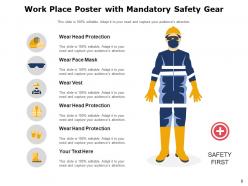
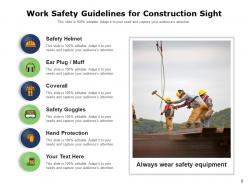
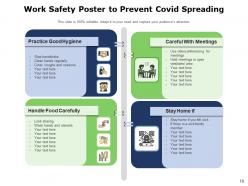
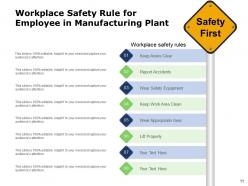
Work Safety Planning Process Environment Knowledge Construction Manufacturing with all 12 slides:
Use our Work Safety Planning Process Environment Knowledge Construction Manufacturing to effectively help you save your valuable time. They are readymade to fit into any presentation structure.

FAQs for Work Safety Planning Process Environment
Okay so you need four main things: figure out what could go wrong and how risky it is, write down clear procedures everyone can follow, have emergency plans ready, and train people regularly. Also set up ways to report incidents and do safety audits - I know audits sound boring as hell but they actually catch problems before they blow up. Give specific people safety jobs so nothing falls through the cracks. Keep everything updated too. The trick is making it simple enough that people will actually use it instead of some giant manual nobody reads.
Walk through your whole workplace room by room and write down anything sketchy - slippery spots, busted equipment, chemical stuff, bad ergonomics. Your employees are gold for this since they actually work there every day. Trust me, they'll point out random things you'd never think of that are actually super dangerous. Check your incident reports for patterns too. Oh, and don't forget the boring stuff like crappy lighting or ventilation - that matters more than you'd think. Do this every few months or whenever you get new equipment, because hazards keep changing.
Look, training is literally what makes or breaks your whole safety setup. People need to know how to spot hazards, use equipment right, handle emergencies - all that stuff. Best policies in the world don't mean anything if your team has no clue what they're doing. Keep it ongoing too, not just some boring orientation day everyone forgets. Oh, and document everything! Seriously. If something goes sideways later, those training records might be the only thing standing between you and a lawsuit. It's honestly one of those things you can't half-ass.
Honestly, once a year is the bare minimum but that's kinda pushing it. I'd update mine whenever something major changes - new gear, different processes, staff changes, or definitely after any accidents. High-risk stuff probably needs quarterly checks. The real trick is making sure your plan matches what's actually happening right now, not some outdated version from months ago. Oh and set a calendar reminder or you'll totally forget. Your team's counting on you to stay on top of this stuff, so don't let it slide.
Honestly, treat your employees like actual partners instead of just going through the motions. Have them help with hazard assessments and incident investigations - they're out there doing the job every day, so they'll catch stuff you totally missed. Face-to-face chats work way better than those generic survey forms, though suggestion boxes are still decent. When someone comes up with a solid safety idea, call them out publicly for it. Shows you're not just pretending to listen. Start small - grab a couple people you trust and have them look over your current procedures. You'll probably be shocked at what they notice right away.
So many ways tech can actually help with safety stuff. Wearable sensors track air quality, noise, worker fatigue - all in real time which is pretty cool. Mobile apps let people report hazards right away instead of that whole paperwork nightmare later. Your team can do digital training at their own speed, and IoT devices will automatically shut equipment down when something's not right. Honestly though, don't just buy random tech because it sounds fancy. Pick stuff that fixes actual problems you're dealing with - otherwise you'll just have expensive gadgets collecting dust.
Start with OSHA - that's your foundation for everything from hazard signs to safety gear. Then check your state regs since they're often stricter than federal. Industry stuff is where it gets tricky though. Construction, healthcare, manufacturing - they all have their own maze of rules that honestly matter more for daily operations. Fire codes are another thing to look into, plus any environmental regs. Oh, and local requirements can surprise you sometimes. I'd grab an OSHA checklist first, then pile on the state and local stuff after you've got the basics down.
You gotta start by figuring out what could actually go wrong in your specific workplace. Construction sites worry about people falling off stuff and getting crushed by machinery, so they're all about harnesses and equipment checks. Healthcare is completely different - they're focused on needle injuries and not catching diseases from patients. Chemical plants? That's all about containing spills and making sure people can breathe safely. Office workers mostly just need good desk setups and fire evacuation plans. Honestly, the worst thing you can do is grab some cookie-cutter safety plan online. Walk around your actual workspace and write down every hazard you spot - that's your starting point.
You need both types of metrics, honestly. Leading indicators help you catch stuff early - think safety training rates, near-miss reports, PPE compliance checks. Lagging indicators are the aftermath: injury rates, comp claims, lost time incidents. Most companies just obsess over the lagging numbers because they're easier to count, but that's like looking in the rearview mirror while driving. The leading ones actually let you fix problems before someone gets hurt. Track both monthly and watch for patterns, not just the raw data. Way more useful that way.
Don't treat safety planning like some bureaucratic box you check off. Most companies create these giant binders that collect dust while people get hurt. Your plan has to actually evolve - update it when stuff goes wrong, train people regularly, and honestly? Get your frontline workers involved from day one. They're the ones who know where things can go sideways. I've seen too many safety managers sit in offices making rules without ever stepping foot on the floor. Do regular walks, ask for feedback, then actually do something with it. Keep everything simple so people will use it.
Look, you've gotta get everyone involved in safety, not just dump it on management. Your workers see the actual dangers every day - let them help spot problems and brainstorm fixes. Those monthly safety meetings? Total snooze-fest. Make them interactive instead, focus on real issues your team deals with. When someone flags a safety concern, don't blow them off - actually thank them for speaking up. And here's the thing: if you're skipping your hard hat or taking shortcuts, they'll do it too. Maybe try a monthly safety suggestion thing to keep people engaged?
So you need clear emergency procedures first - evacuation routes, first aid stuff, who calls 911. Communication chains are huge too. Make sure everyone knows their specific role before shit hits the fan, not during. Include incident reporting and how you'll review what went wrong after. Honestly, the worst thing is people standing around confused when there's an actual emergency. Do drills every few months to catch problems early. Oh, and keep all emergency contacts updated - sounds obvious but people forget that part all the time.
Look, safety policies mean nothing if nobody talks about them. Your team needs to understand WHY each rule exists - not just what it is. Hold regular meetings where people can actually speak up about concerns. Visual reminders help too, honestly they work better than you'd think. When something goes wrong, talk through it openly instead of pretending it didn't happen. That's how you actually learn. Quick tip though - ask your team what safety info they think is missing right now. They'll tell you exactly where the gaps are.
Safety drills are honestly a lifesaver - they stop people from panicking when real emergencies hit. You'll catch problems with your evacuation routes before you actually need them, which is huge. Plus your team builds that automatic response so they don't just stand there confused. I've seen it happen where people freeze up completely without practice. The repetition makes everyone way more coordinated too. Do them every few months and mix up scenarios - fire drills, chemical spills, whatever fits your place. It's one of those things that seems annoying until you really need it.
Look, skip the expensive consultants for now. Most accidents happen from dumb little oversights anyway - I've seen it a million times. Put your money toward actual training and basic safety gear instead. OSHA's website has loads of free stuff, plus check out your local small business groups. Make a checklist your team will actually use (not one that gets buried somewhere). The trick isn't treating this like some huge separate project. Just work it into what you're already doing daily. Way more effective than throwing money at fancy solutions.
-
Easy to edit slides with easy to understand instructions.
-
Use of different colors is good. It's simple and attractive.
-
Easily Editable.
-
Innovative and attractive designs.
-
Great quality slides in rapid time.
-
Best way of representation of the topic.
-
Excellent products for quick understanding.