


Workplace digital transformation powerpoint presentation slides




Try Before you Buy Download Free Sample Product
 Impress Your
 Audience
 100%
100% Editable
 Save Hours
 of Time


To move towards a digital future, companies need to have a clear vision of digital transformation. Download our Workplace Digital Transformation PowerPoint Presentation Slides to build a step by step digital transformation strategy. The readymade technology change strategy PowerPoint complete deck consists of professionally designed slides such as components and barriers of digital change strategy, ways to achieve digital transformation, transformation roadmap, task distribution, transformation budget, value added from the transformation, pie charts, bar chart, combo chart, etc. Digital change PPT design covers various topics and highlights important concepts like digitization, IT integration, digital transformation, technology change plan, the digital revolution, information revolution and many more. IT integration Plan Presentation layout includes charts and graphs that enable users to analyze the outcomes and their impact on employees and organization. Showcase value addition from transformation using digital innovation strategy. Enhance the knowledge of your audience with this well-researched deck.
People who downloaded this PowerPoint presentation also viewed the following :
Content of this Powerpoint Presentation
Slide 1: This slide introduces Workplace Digital Transformation. State Your company name and begin.
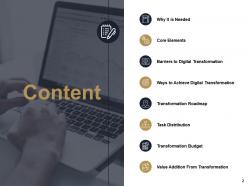
Slide 2: This slide shows Content of the presentation.
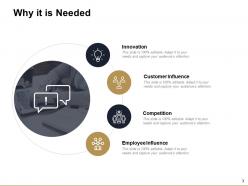
Slide 3: This slide shows Why it is Needed describing- Innovation, Customer Influence, Competition, Employee Influence.
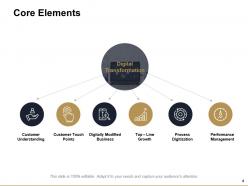
Slide 4: This slide presents Core Elements describing- Customer Understanding, Customer Touch Points, Digitally Modified Business, Performance Management, Process Digitization, Top – Line Growth.
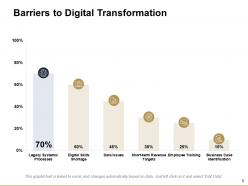
Slide 5: This slide displays Barriers to Digital Transformation in a graphical form.
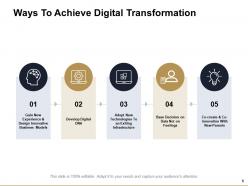
Slide 6: This slide represents Ways To Achieve Digital Transformation.
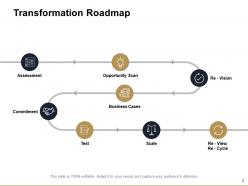
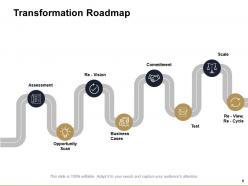
Slide 7: This slide showcases Transformation Roadmap describing- Opportunity Scan, Re - Vision, Business Cases, Commitment, Test, Scale, Re - View, Re - Cycle, Assessment.
Slide 8: This is another slide on Transformation Roadmap.
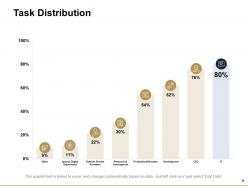
Slide 9: This slide shows Task Distribution in graphical form.
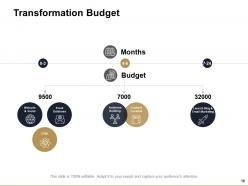
Slide 10: This slide presents Transformation Budget with related icons and text boxes.
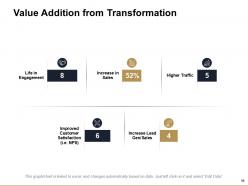
Slide 11: This slide represents Value Addition from Transformation.
Slide 12: This slide displays Digital Innovation Strategy Icons.
Slide 13: This slide is titled as Additional Slides for moving forward.
Slide 14: This is Our Team slide with names and designation.
Slide 15: This is Our Mission slide with related imagery and text boxes.
Slide 16: This is a Financial slide. Show your finance related stuff here.
Slide 17: This is About Our Company slide to show company specifications etc.
Slide 18: This is a Timeline slide. Show information related with time period here.
Slide 19: This is a Target slide. State your targets here.
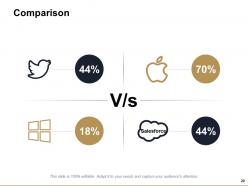
Slide 20: This is a Comparison slide. Show related data accordingly.
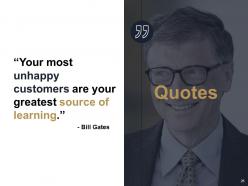
Slide 21: This is a Quotes slide to convey message, beliefs etc.
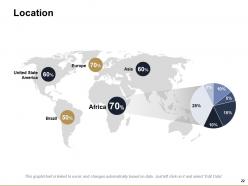
Slide 22: This is a Location slide with maps to show data related with different locations.
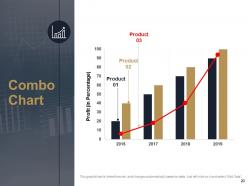
Slide 23: This slide shows Combo Chart with three products comparison.
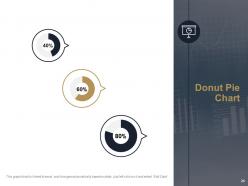
Slide 24: This slide displays Donut Pie chart with data in percentage.
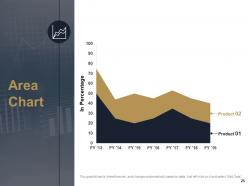
Slide 25: This slide presents Area Chart with two products comparison.
Slide 26: This is a Thank you slide with address, contact numbers and email address.
Workplace digital transformation powerpoint presentation slides with all 26 slides:
Use our Workplace Digital Transformation Powerpoint Presentation Slides to effectively help you save your valuable time. They are readymade to fit into any presentation structure.


FAQs for Workplace digital transformation
Look, customers now expect everything to work like Amazon - fast, smooth, no excuses. Competition's brutal too. COVID basically fast-forwarded everything by like 5 years, which was wild to watch happen in real time. Your team needs decent digital tools or they'll hate their jobs. Remote work? Not optional anymore. You're sitting on tons of data that's useless without the right systems to make sense of it. Honestly, operational efficiency hits your profits harder than most people realize. Companies that aren't transforming are getting left in the dust by ones that are.
Look at the numbers that actually matter - cost savings, revenue from digital stuff, how happy your customers are. Employee adoption is massive though. If nobody's using your shiny new systems, you're basically throwing money away. Honestly, I see companies obsess over technical metrics when they should focus on business results. Check in every few months to see if you're hitting your original targets. Don't be afraid to change course if something's clearly not working - happens more than you'd think.
Honestly, culture beats technology every single time when it comes to digital transformation. I've seen so many companies blow ridiculous amounts of money on fancy tech that just sits there unused because nobody wants to change how they work. Your people need to feel safe screwing up while they learn new systems - otherwise they'll just stick to the old ways. Leadership has to actually use the tools themselves, not just mandate them from above. Oh, and create that curiosity mindset first. Don't just dump software on teams who hate change and expect miracles.
Start with a skills audit - figure out what gaps you actually have versus what people think you need. Train your existing team first (seriously, don't just abandon them for shiny new hires). Partner with online platforms for the technical stuff, but also focus on change management skills since that's where most transformations crash and burn. Bring in some consultants for knowledge transfer if budget allows. Create mentorship programs too - pair your tech-savvy folks with others. Oh, and be realistic about timelines. Rome wasn't built in a day and neither is digital transformation.
Cloud stuff and data analytics are your bread and butter - gotta have those. Automation tools too. Don't sleep on cybersecurity though, seriously. API integration is clutch so everything actually works together instead of being a mess. Oh, and some AI/ML capability plus customer experience platforms since that's usually what kicks off these projects anyway. Here's what I'd do: look at what you've got now, figure out where the biggest headaches are. Then fix ONE major problem first. Trust me, trying to do everything at once just creates chaos.
Dude, don't make the mistake I see everywhere - build security in from the start, not after everything's already set up. Zero-trust is your friend here, verify literally everyone and everything. Companies always rush the cloud stuff then freak out about breaches later (learned that one the hard way). Encrypt your data when it's moving and sitting still, throw multi-factor authentication on everything, and actually train your people on the new protocols. Oh, and here's the thing - security should help your transformation happen faster, not slow it down. Trust me on this one.
Honestly, most companies just try to do way too much at once and burn out their teams. People hate change when they don't understand why it's happening - that's like rule number one. Leadership loves buying fancy software but won't actually fix their broken processes first, which is backwards if you ask me. Time estimates? Always multiply by three, minimum. Start with something small that actually solves a real problem your team faces daily. Get them excited about it before rolling out the big stuff. Skip the change management and you'll watch your adoption rates tank every single time.
Honestly, personalization is where it's at - AI recommendations and chatbots that actually help instead of annoying people. Mobile apps are clutch too since everyone wants to handle stuff themselves these days. The analytics part is probably my favorite though, you finally know what customers actually think instead of making stuff up. Oh and omnichannel is huge - they can bounce between phone and computer without losing their minds. Way better than the old school approach. I'd start by figuring out your biggest customer headaches first, then see which ones tech can actually fix.
Honestly, data analytics changes everything about how you make decisions. You stop relying on hunches and start using actual numbers to guide your choices. Your team can predict what customers will do and catch issues before they become disasters. Once you get hooked on having all that insight, there's no going back - it's like having superpowers or something. Decisions happen way faster because you're confident in the evidence. Problems get solved before they even start. My advice? Pick one thing you're currently just winging and figure out what data could help you there instead.
Honestly, make your employees part of the solution instead of just dumping changes on them. Tell them WHY you're doing this transformation - people hate what they don't get. Pick some digital champions from different teams who can train others and sell the benefits. The fear of being replaced is real, so don't ignore it. Give them actual hands-on training and make a big deal when they nail using new tools. Oh, and definitely ask what they think throughout the whole thing. I'd set up feedback sessions every couple weeks to catch problems early and tweak your approach.
Yeah totally! Small businesses can definitely compete if you're strategic about it. Don't try doing everything at once though - I've watched companies burn out that way. Pick your biggest time-wasters first. Maybe that's invoicing, customer emails, or tracking inventory. Cloud tools are perfect since they won't break the bank and grow with you. Honestly, focus on stuff that either saves you tons of manual work or directly helps customers. Start with one or two things, nail those, then expand. My cousin did this with his shop and it worked great.
Look, AI and IoT are game-changers for going digital - they automate crazy complex stuff and give you data insights in real time that you'd never see otherwise. IoT connects your physical equipment to everything digital through smart sensors. They monitor customer behavior, machinery, whatever you need. AI predicts when things'll break before they actually do, which saves you tons of headaches. The visibility is honestly insane once you get it running. My advice? Pick one annoying problem you're dealing with and start there. Scale up after you prove it works - don't try to boil the ocean right away.
Oh man, leadership makes or breaks this stuff completely. I've watched so many companies treat digital transformation like some IT side project - total disaster every time. You need executives who actually get it, not just people going through the motions. They have to sell the vision to everyone, fight for budget, and deal with all the pushback (and trust me, there will be pushback). Without that top-down commitment, you'll just end up with random tech upgrades that don't connect to anything meaningful. Make sure your sponsors are genuinely bought in first.
You should look at Netflix ditching DVDs for streaming - that was ballsy. Walmart went hard into e-commerce to fight Amazon. Starbucks nailed it with their mobile app thing too. Banks like JPMorgan Chase completely redid their digital platforms. Disney+ literally saved Disney's ass during COVID, which was genius timing honestly. But here's the thing - these weren't just tech updates. They totally flipped how customers interact with them. If you're thinking about this for your company, figure out what actually bugs your customers first, not whatever's hot right now.
Honestly, just pick tech that actually cuts your environmental impact instead of adding to it. Cloud migration saves energy. Automation kills paper waste. AI can streamline supply chains – that kind of stuff. But here's the thing: don't digitize just because everyone else is doing it. I've seen companies waste so much money on that approach. Start with what you have now and ask yourself: does this reduce waste or energy? Short sentences work. If the answer's no, you're probably on the wrong track.
No Reviews