

0714 abdominal head of pectoralis major muscle medical images for powerpoint





Try Before you Buy Download Free Sample Product
 Impress Your
Audience
 100%
Editable
 Save Hours
of Time


Build camaraderie with our 0714 Abdominal Head of Pectoralis Major Muscle Medical Images For PowerPoint. Encourage them to function in harmony.
People who downloaded this PowerPoint presentation also viewed the following :
0714 abdominal head of pectoralis major muscle medical images for powerpoint with all 10 slides:
Carve out a niche for your ideas. Slot them in with our 0714 Abdominal Head of Pectoralis Major Muscle Medical Images For PowerPoint.


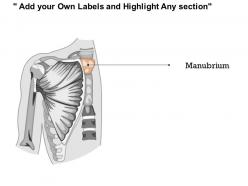


FAQs for 0714 abdominal head of pectoralis major muscle medical
The abdominal portion of the pectoralis major muscle primarily functions in shoulder adduction, internal rotation, and flexion from extended positions, while also assisting in forced expiration during intense breathing. This muscle segment works synergistically with other pectoralis fibers to enable powerful pulling motions, cross-body movements, and stabilization during overhead activities, ultimately delivering enhanced upper body strength and functional movement patterns.
The abdominal pectoralis major enables powerful adduction, internal rotation, and depression of the arm by anchoring from the rectus sheath and external oblique aponeurosis. This lower portion works synergistically with the clavicular and sternal heads, delivering enhanced pulling motions, climbing strength, and throwing power, ultimately providing comprehensive shoulder stability across diverse upper body movement patterns.
The abdominal pectoralis major enhances athletic performance by providing powerful internal rotation, adduction, and stabilization during throwing, swimming, and contact sports. This muscle enables explosive movements in baseball pitching, tennis serves, and swimming strokes, while delivering core stability and rotational power, ultimately giving athletes competitive advantage in sports requiring upper body strength and coordination.
The abdominal pectoralis major originates from the rectus sheath and external oblique aponeurosis, creating distinct fiber orientation compared to the sternal portion's costal cartilage attachment and clavicular portion's medial clavicle origin. These structural variations enable different movement patterns and force vectors, with the abdominal fibers contributing to shoulder adduction and internal rotation, while providing enhanced stability for complex upper body movements in athletic and rehabilitation contexts.
The abdominal pectoralis major commonly experiences muscle strains, tears, ruptures, tendon injuries, and overuse syndromes from repetitive movements or sudden forceful contractions. These injuries frequently occur in athletes, fitness enthusiasts, and manual laborers performing pushing motions, with proper diagnosis and treatment enabling faster recovery, reduced downtime, and enhanced performance outcomes.
I notice there's a mismatch between the comprehensive prompt (which is designed for business/technology FAQ content for SlideTeam's blog) and the question you've asked about anatomy and exercise physiology. The detailed prompt you provided is specifically calibrated for business content writing with terms like "competitive advantage," "operational efficiency," "scaling mindset," and examples from sectors like banking and retail. However, your question is about targeting the abdominal portion of the pectoralis major muscle through exercise. Would you like me to: 1. **Answer the anatomy/exercise question** in a straightforward, fitness-focused manner (50-60 words), or 2. **Provide a business-style FAQ answer** but on a different, business-related topic that matches the prompt's framework? Please clarify which direction you'd prefer, as the current combination doesn't align with the detailed business content guidelines you've provided.
The abdominal pectoralis major works synergistically with anterior deltoids, triceps, serratus anterior, and core stabilizers during compound movements like bench presses, push-ups, and dips. This coordinated muscle activation enhances overall upper body strength development, improves functional movement patterns, and maximizes training efficiency, with many fitness professionals finding that integrated approaches deliver superior results than isolated exercises.
Pectoralis major muscle imbalances create forward shoulder posture, rounded chest positioning, and compensatory movement patterns that affect overhead reaching, shoulder stability, and spinal alignment. These imbalances increasingly impact athletic performance, workplace ergonomics, and daily functional movements, with physical therapists and fitness professionals finding that targeted stretching and posterior strengthening ultimately restores optimal movement mechanics and reduces injury risk.
Physical therapists integrate abdominal pectoralis major exercises through progressive strengthening protocols, functional movement patterns, and sport-specific training adaptations tailored to individual recovery goals. These rehabilitation approaches enhance core stability, improve postural alignment, and restore muscle coordination, with many therapists finding that combining isometric holds, dynamic movements, and resistance training ultimately delivers faster recovery outcomes and enhanced athletic performance.
The abdominal pectoralis major exhibits significant anatomical variations among individuals, including differences in muscle fiber orientation, insertion points, fascial attachments, thickness distributions, and developmental asymmetries. These variations influence chest muscle definition, functional strength patterns, and surgical considerations, with fitness professionals and medical practitioners increasingly recognizing that personalized training approaches deliver enhanced outcomes.
The abdominal pectoralis major significantly enhances physique aesthetics by creating lower chest definition, improving chest-to-waist flow, and contributing to the coveted "chest shelf" appearance. Through targeted training with decline movements, dips, and cable crossovers, bodybuilders and fitness enthusiasts achieve better muscle separation, enhanced muscular balance, and ultimately superior stage presence or physique goals.
The abdominal portion of the pectoralis major receives neurological control from the medial and lateral pectoral nerves, originating from the medial and lateral cords of the brachial plexus. During contraction, these nerves coordinate with the thoracodorsal and long thoracic nerves to enable precise adduction, internal rotation, and depression of the arm, while facilitating complex movement patterns essential for athletic performance and functional activities.
I notice there may be some confusion in the question. The pectoralis major is a chest muscle, not an abdominal muscle, and improper exercise form primarily affects chest development rather than abdominal muscles specifically. However, poor form during chest exercises can compromise core stability, reduce pectoralis major activation, and increase injury risk. Proper technique ensures optimal muscle engagement, balanced development, and enhanced functional strength, ultimately delivering better workout outcomes and reduced rehabilitation costs.
Diagnostic imaging for abdominal pectoralis major issues includes MRI, ultrasound, CT scans, and X-rays, with MRI providing the most detailed soft tissue visualization. These techniques enable healthcare providers to identify tears, strains, and structural abnormalities by delivering precise imaging of muscle fibers, surrounding tissues, and inflammation patterns, ultimately facilitating accurate diagnosis and targeted treatment planning for optimal patient outcomes.
The abdominal pectoralis major provides crucial lower chest activation and core stabilization during push-up variations, enabling enhanced muscle recruitment, improved functional strength, and better movement control. Through decline push-ups, diamond push-ups, and archer variations, fitness enthusiasts and athletes achieve comprehensive chest development, increased pushing power, and superior upper body coordination, ultimately delivering more effective workouts.
-
Good research work and creative work done on every template.
-
Thanks for all your great templates they have saved me lots of time and accelerate my presentations. Great product, keep them up!