

0814 cell division mitosis medical images for powerpoint




Try Before you Buy Download Free Sample Product
 Impress Your
 Audience
 100%
100% Editable
 Save Hours
 of Time


Our 0814 Cell division mitosis Medical Images For PowerPoint enable you to begin with a bang. Your entrance will be explosive.
People who downloaded this PowerPoint presentation also viewed the following :
0814 cell division mitosis medical images for powerpoint with all 11 slides:
Dreams are no longer distant with our 0814 Cell division mitosis Medical Images For PowerPoint. They get closer and closer every day.
FAQs for 0814 cell division mitosis medical
Okay so mitosis is basically your cells copying themselves - one cell splits into two identical ones. The whole point? Keeping your chromosome count consistent and passing down exact genetic info. Honestly, it's kinda mind-blowing that this is happening millions of times in your body right now! This is how you grow, heal cuts, and replace old cells. When mitosis goes wrong though, you get problems like cancer or weird developmental stuff. Oh and those diagrams you see in bio class? Pay attention to how the chromosomes line up perfectly and then separate - that's the key part that keeps everything working right.
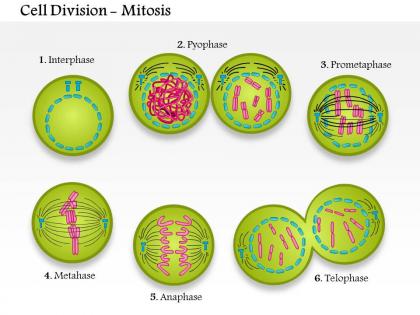
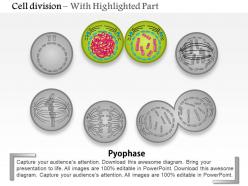
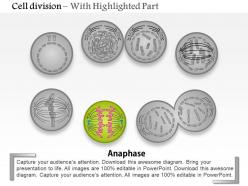
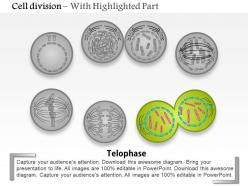
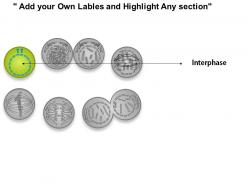
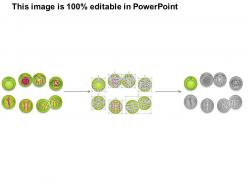
Okay so mitosis has four phases you need to know. Prophase is when chromosomes get thick and visible, plus the nucleus breaks apart. Then metaphase - all the chromosomes line up in the middle like they're waiting for instructions or something. Anaphase is where things get interesting - the sister chromatids actually pull apart and head to opposite ends. Telophase basically undoes prophase by building new nuclei around each chromosome set. Both daughter cells end up with the same DNA. Honestly, just track what's happening to the chromosomes each step and you'll be fine.
So the mitotic spindle is basically the cell's way of organizing chromosome movement during division. Think of it like scaffolding made of microtubules - pretty cool actually. These spindle fibers grab onto chromosomes at their centromeres and literally yank the sister chromatids apart during anaphase. Then they drag them to opposite ends of the cell. If this whole process screws up, you'll get cells with wrong chromosome numbers. That's where cancer research gets really interesting - a lot of it ties back to spindle problems messing up cell division.
So basically these checkpoints are like quality control for your cells - they hit pause if anything's sketchy. The G1/S one checks for DNA damage before copying starts. Then you've got the intraS checkpoint catching replication mistakes. But the spindle checkpoint? That's the big one. Won't let chromosomes separate until they're all properly hooked up to those spindle fibers from both sides. It's honestly pretty clever. Without them you'd end up with cells missing chromosomes or having extras, which usually means they die or turn cancerous. They're basically preventing total cellular disaster.
So basically when mitosis screws up and you get aneuploidy, cells end up with wonky chromosome numbers. Gene expression goes haywire and most cells just die. The survivors though? That's where things get messy - developmental issues, intellectual disabilities, higher cancer risk. Down syndrome's the classic example everyone knows. Your body tries to catch these mistakes with checkpoints, but they're not perfect. Oh and if you're looking at cancer stuff, aneuploidy is huge for tumor development since it can amplify oncogenes. Pretty wild how one cellular mistake can cascade like that.
So basically, animal cells have these things called centrioles that help organize the spindle fibers during division. Plant cells don't have them but somehow manage just fine - nature's pretty wild like that. The big difference you'll notice is how they actually split apart. Animal cells can just pinch themselves in two, but plant cells can't do that because of their tough cell walls. They have to build this whole new wall (called a cell plate) right down the middle using stuff from the Golgi apparatus. When you're looking at slides, it's super obvious which is which during the later stages.
So basically cyclin B builds up and grabs onto CDK1 to make this mitosis-promoting factor - that's what starts the whole show. Aurora and Polo-like kinases jump in too. Honestly, cells are pretty paranoid about dividing at the wrong time, so there's tons of regulation here. All these kinases then go crazy phosphorylating proteins to condense chromosomes, break down the nuclear envelope, build spindles - you name it. If you're doing experiments on this stuff, just track cyclin B levels. Way easier than trying to monitor everything else.
So cyclins and CDKs are basically like security guards controlling when cells can move through mitosis. During S and G2 phases, cyclin B builds up and then hooks up with CDK1 to create this thing called mitosis-promoting factor - that's what actually kicks off M phase. Pretty neat system honestly. At the end of mitosis, cyclin B gets broken down, which shuts off CDK1 and lets the cell get back to interphase. Oh and if you're looking at this for cancer stuff, definitely focus on how these checkpoints fail. That's where it gets clinically relevant and way more interesting than just memorizing the basic cycle.
So cancer basically hijacks the whole cell division process. Normal cells have these checkpoints that act like quality control - they won't divide if something's wrong. But cancer cells? They completely ignore those stop signs and just keep going. They'll even divide with messed up DNA, which is insane because healthy cells would just kill themselves first. It's honestly like a car with no brakes speeding downhill. That's how you get tumors growing and spreading everywhere. If you're studying this stuff, definitely look into how those checkpoint proteins break down - that's where most of the new treatments are targeting.
Yeah, so environmental stuff totally affects how fast cells divide. Temperature's probably the biggest one - warmer speeds things up until it gets too hot and basically fries everything. You need proper nutrients too, like glucose and amino acids, because dividing cells are energy hogs. Low oxygen screws with cellular respiration, which makes sense. pH changes mess with enzymes and slow the whole process down. Honestly, if you're doing any lab work with cell cultures, just keep everything as stable as possible or you'll get weird inconsistent results that'll drive you crazy.
So for watching mitosis happen live, you'll definitely want time-lapse fluorescence microscopy - that's your bread and butter. Label chromosomes or spindle proteins and just record away. Confocal gives you sharper images if resolution matters. Honestly, once you start making these mitotic movies you kinda get obsessed watching cells divide. FRAP is cool too for tracking how proteins move around during division. My lab mate spent like three hours yesterday just staring at her latest time-lapse. Start simple though - basic fluorescence time-lapse will show you everything that's happening without getting too complicated.
Dude, you've gotta see what they're doing with microscopy now - it's insane. They can tag chromosomes with fluorescent markers and literally watch them get yanked apart by molecular motors in real time. Time-lapse stuff shows the whole dance from start to finish. Electron microscopy gets you crazy detailed shots of spindle fibers too. The super-resolution tech reveals protein interactions we never knew existed. Honestly, I spent way too much time last week just watching videos of cell division (procrastinating on my actual work lol). But seriously, look up some recent live-cell imaging papers - they'll totally flip how you think about mitotic timing.
So for single-celled organisms, mitosis is just how they reproduce - they're literally making copies of themselves to survive. Multicellular organisms use the same process totally differently though. They need it for growth, fixing damaged tissue, and keeping all their cells genetically identical while building complex body structures. The evolutionary jump here is wild - going from simple self-copying to coordinating millions of cell divisions that can specialize into different roles. It's like the difference between making one photocopy versus orchestrating an entire printing operation. When you're explaining this, I'd focus on how identical processes can serve completely opposite purposes depending on complexity.
So basically when you get hurt, your body goes crazy with cell division to fix things up. Mitosis ramps up in that area and starts making copies of healthy cells to fill in the gaps. It's wild how it just happens automatically - like you don't even have to think about it. The new cells blend right in with what's already there and keep everything working normally. That's how cuts and bruises heal. Oh, and even bigger injuries too I guess. Next time you scrape your knee or whatever, you can picture all those tiny cells dividing like mad to patch you up!
So basically there are drugs that target cell division - they're called mitotic inhibitors. Taxanes like paclitaxel actually stabilize the cell's microtubules, while vinca alkaloids do the opposite and destabilize them. Both mess up mitosis pretty effectively. There's also some newer stuff being tested like aurora kinase inhibitors. The whole strategy works because cancer cells are dividing constantly compared to normal cells, so they're way more sensitive to this disruption. Problem is, your hair follicles and gut lining also divide rapidly - that's why chemo makes people feel so awful. Oh, and cancer's sneaky about developing resistance through those p-glycoprotein pumps.
-
Awesomely designed templates, Easy to understand.
-
Awesome use of colors and designs in product templates.