

1114 process customer complaints powerpoint presentation




Try Before you Buy Download Free Sample Product
 Impress Your
 Audience
 100%
100% Editable
 Save Hours
 of Time


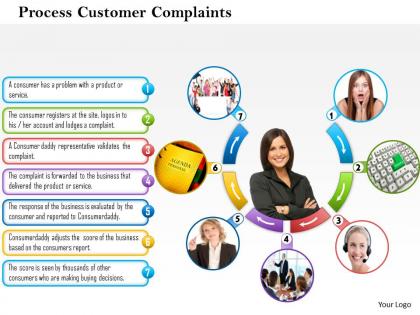
Consumer or customer is the king and queen of the market. They should always carry a positive feedback with happy faces for your product and services. But there are cases when customers have complaints to be attended to. Our 114 process customer complaints PowerPoint presentation has a complete step by step process which will help you in resolving the customer complaint issues. Make use of the provided customer complaint handling process PPT PowerPoint presentation model to explain to your customer support team , how they should respond to the complaints received from customers. Proper interaction and knowledge of customer support team is very essential, as they are the one who come in verbal contact with our prestigious customers often. So do download our consumer complaint redress process PPT presentation slide design layout for marking the changes desirable at individual level, by clicking on the download link provided below. Save the presentation in desired format for further level of customization and personalization. Our 1114 Process Customer Complaints Powerpoint Presentation help you handle challenges. Feel equipped to face the day.
People who downloaded this PowerPoint presentation also viewed the following :
1114 process customer complaints powerpoint presentation with all 5 slides:
Our 1114 Process Customer Complaints Powerpoint Presentation give birth to exotic ideas. They can evoke their fantasies.



FAQs for 1114 process customer
Okay so first thing - respond fast and acknowledge their complaint. Then dig into what actually went wrong (this part takes longer than you think). Document literally everything because trust me, you'll start seeing patterns and it's super helpful. After investigating, get back to them with what you found and offer a real solution. The tricky part is staying empathetic even when they're being total jerks about it. Oh, and don't forget to follow up later - most people skip this step. Set deadlines for yourself so nothing gets forgotten. Active listening is huge here.
Honestly, role-playing is your best bet here. Get your team practicing with fake complaint scenarios - way better than just talking about it in theory. Focus on three things: listening skills, showing empathy, and actually solving problems. Don't forget to train them on your company's specific procedures too, like when to escalate stuff. The whole point is building their confidence so they won't freak out when someone's screaming at them. Oh, and schedule refresher sessions every few months because people get rusty fast with this kind of thing.
So basically tech just speeds up your whole complaints process like crazy. Ticketing systems let you track everything from start to finish, and chatbots can knock out the easy stuff while your team handles the messy problems. The CRM part is honestly a game-changer - you'll see someone's entire history right away, which is clutch when they're calling back about the same issue for the fourth time. Oh, and analytics help you spot what keeps breaking so you're not always in damage control mode. I'd start with a simple ticketing system if you don't have anything set up yet.
Honestly, complaints are like gold mines for figuring out what's broken. Mine through them for patterns - when people keep bitching about the same thing, boom, there's your fix list. I kinda geek out over this stuff because it's basically free research from customers who actually care enough to complain. Sort them by category and track how often each issue pops up. Then tackle the biggest problems first - volume plus impact equals priority. Oh, and here's the thing most companies screw up: actually circle back with those customers afterward. Shows you weren't just ignoring them.
Resolution time is huge - definitely track that. Also customer satisfaction after you handle their complaint, and first-contact resolution rate. Repeat complaints from the same people? Major red flag there. Oh and escalations - trust me, you don't want those stacking up because then management gets involved and it's a whole thing. Honestly I'd just pick 2 or 3 of these to start with. You'll drive yourself crazy trying to measure everything right off the bat.
Honestly, just make giving feedback feel safe instead of scary. Ask for their thoughts through surveys or casual check-ins - whatever works. Then here's the big one: actually DO something with what they tell you and circle back to let them know. Your team needs to stop seeing complaints as personal attacks (yeah, good luck with that lol). Keep it super easy too - like one-click ratings or short forms. When someone does speak up, make a big deal about it internally. Those horror stories about bad customer service? Don't be that company. Pick one feedback method first and nail it.
Oh man, the worst thing you can do is get defensive with customers - it pisses them off immediately. Slow responses are death too. I've seen so many teams just slap band-aids on problems instead of fixing the real issue, which bites you later obviously. Not tracking complaints properly is another big one - you miss patterns and deal with the same crap over and over. And honestly? Most people forget to follow up after they "fix" something. Customers notice that. Set up clear escalation rules and response times so stuff doesn't get lost.
So complaints are usually just venting about what's wrong, while constructive criticism actually suggests how to fix things. Complaints come with more frustration - they want you to DO something about it. Constructive feedback feels more balanced and helpful. Though honestly? The line gets pretty blurry sometimes. I'd say look for whether they're just pointing out problems or offering actual solutions. Either way, take both seriously because even angry complaints can have good points buried in there. Start by acknowledging what they're saying, then figure out if they want action or just need to be heard.
Get back to them within 24 hours, even if you're still figuring things out. Train your people to actually listen and apologize - doesn't matter whose fault it is. Honestly, people just want to feel heard half the time. Let your front-line staff fix the obvious stuff without running to managers. Yeah, use templates but tweak them so they don't sound robotic. The big thing though? Track what keeps coming up so you can actually fix problems instead of just putting band-aids on everything. Oh, and follow up afterward - you'd be surprised how many companies skip that step.
Dude, empathy is everything in customer service - seriously. When someone's pissed off and you actually acknowledge why they're frustrated, it changes the whole dynamic. I've totally screwed this up before by sounding too corporate or whatever. The customer just gets more angry. Your tone matters as much as actually fixing their problem, maybe more? Like, even when you can't solve everything, people calm down when they feel heard. Oh and lead with the empathy first - don't jump straight into "here's what we'll do" mode. Makes all the difference.
Oh man, data protection laws are huge here - don't store complaint info carelessly. Train your team on language that won't accidentally admit fault (trust me, learned this one the hard way). Documentation matters since these things can blow up into legal issues later. Response times need to stay consistent across all customers too. You can't handle complaints differently based on demographics - that's discrimination territory and honestly just bad business. The wording in responses is everything. Avoid anything that sounds like you're accepting blame, even if you're just trying to be helpful.
Honestly, treat customer complaints like free consulting advice. Set up weekly meetings where your team digs into complaint patterns - this stuff reveals problems way before they explode into bigger messes. Track which categories pop up most and how long fixes take. The real trick? Make sure those insights actually reach whoever can change things, not just some manager who files them away. I'd start small - grab your top 3 complaint types this month and brainstorm one concrete fix for each. Sometimes the obvious solutions work best.
Honestly, handling complaints well can turn angry customers into your biggest fans - sounds backwards but it's true. Quick response time matters huge. When people feel genuinely heard and you actually fix their problem fast, they'll stick around longer than customers who never had issues in the first place. Weird psychology thing, I guess. But mess up the response? They're gone forever and probably telling everyone about it. I'd start keeping track of how many people who complain end up buying again. The numbers might shock you.
Honestly, just make a simple matrix thing. Safety/legal stuff always comes first - that's non-negotiable. But here's what I wish someone told me earlier: repetitive "small" problems are actually huge red flags. We totally ignored these billing complaints because each one seemed minor, but they were happening constantly and it bit us later. Set up like 3 severity levels, then track how often stuff comes up each week. If something's either super serious OR happening more than 5 times weekly, jump on it immediately. Even seemingly tiny issues become massive headaches when they keep repeating.
Amazon's crazy good at this - they'll basically refund anything no questions asked (kinda unfair to sellers tbh but whatever). Zappos is famous for their customer service too. Then you've got outdoor companies like Patagonia and REI who'll take returns like years later because they actually stand behind their stuff. The key thing? These companies let their customer service people solve problems instead of just taking notes. Train your team to say yes more often and you'll probably see way better results.
-
Great designs, really helpful.
-
Innovative and attractive designs.