


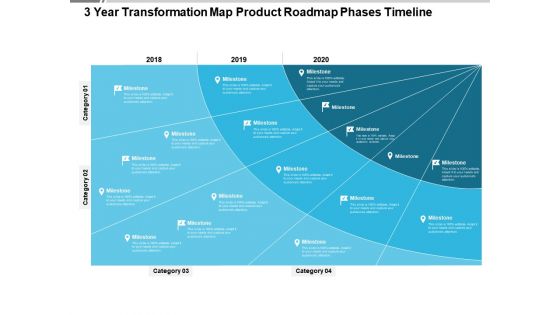
3 year transformation map product roadmap phases timeline





Try Before you Buy Download Free Sample Product
 Impress Your
 Audience
 100%
100% Editable
 Save Hours
 of Time


Initiate the greenhorns with our 3 Year Transformation Map Product Roadmap Phases Timeline. Get them going in the field.
People who downloaded this PowerPoint presentation also viewed the following :
3 year transformation map product roadmap phases timeline with all 5 slides:
Hold your audience captive toyour thoughts. Our 3 Year Transformation Map Product Roadmap Phases Timeline will ensure undivided attention.

FAQs for 3 year transformation map product
You need three main things: clear objectives, feature priorities, and timelines that actually make sense. Show what you're building and why users will care about it. Honestly, half the roadmaps I see are just random feature dumps with zero context - total waste of time. Add success metrics for each thing and flag any dependencies between features. Oh, and definitely include confidence levels, especially for the stuff that's months away. Nobody expects you to predict the future perfectly. Keep it visual so people can scan it quickly without getting lost in the weeds. Your stakeholders will thank you.
Honestly, I just score everything on three things: user impact, revenue potential, and how hard it'll be to build. Then I throw it all on a matrix and look for the high-impact, low-effort stuff - those are your quick wins. Leadership priorities and angry customer emails will obviously mess with your perfect ranking though. Monthly reviews work best since priorities shift constantly. Oh, and definitely audit what you've got first. You'll probably find a bunch of features that seemed cool six months ago but aren't actually helping anyone. Cut those ruthlessly.
Honestly, customer feedback is everything for your product roadmap. It shows you what's broken and what people actually want - not what you *think* they want. Collect it everywhere: surveys, support tickets, user interviews, even analytics data. Don't just build stuff in a vacuum though, that never works out well. The hard part? Not every loud customer represents your whole user base. Some people complain about everything while others stay quiet. I'd categorize feedback by how much impact it'll have versus how much work it takes. Then you can figure out what to tackle next quarter. Makes the whole prioritization thing way easier.
Honestly, monthly is the bare minimum but it really depends on your industry. Weekly might sound excessive, but I've watched teams crash and burn because they ignored market shifts for months. Most products do fine with monthly check-ins plus those deeper quarterly reviews. The tricky part? You want to stay flexible without becoming that team that pivots every other week and drives everyone insane. Oh, and actually put it on your calendar as a real meeting - otherwise you'll keep pushing it off. Trust me on that one.
Honestly, it depends on who you're showing it to. Timeline views are perfect for sequential stuff, and Kanban boards make status super clear. Gantt charts work but they're kinda overwhelming for most people - I'd skip those unless you really need to show dependencies. Story maps are amazing if you want to align around user journeys. For executives though? Just do a simple quarter-based grid. Engineers love detailed swimlanes but leadership wants high-level themes with dates they can actually remember. The trick is making the "why" obvious, not just cramming in what and when. Pick whatever won't make people's eyes glaze over.
Okay so first things first - figure out what your company actually cares about. Sounds dumb but seriously, so many PMs just wing this part. Then map everything on your roadmap to those goals. Revenue? Customer retention? Whatever it is. I usually make this basic matrix showing how each feature connects to the big picture KPIs. Check in with leadership regularly so you don't go rogue (been there). Here's my rule: if you can't explain why something's on the roadmap in one sentence, cut it. That stuff just creates noise anyway.
Don't get too granular on the long-term stuff - that's where things get messy. Also, stop treating it like some contract you can't change. Honestly, the worst thing you can do is stuff every random feature request in there just to keep people quiet. Your roadmap will turn into total garbage that way. Skip the "why" and you'll lose everyone's attention fast. Buffer time is huge because everything takes way longer than you think. Oh, and actually update the damn thing regularly - nothing's worse than a roadmap from six months ago that nobody touched.
Honestly, agile completely changes how you think about roadmaps. You're not stuck planning features months out anymore - instead you're constantly tweaking things based on what users actually tell you and what each sprint teaches you. Way better than those waterfall plans that fall apart the second you start building, if you ask me. Your roadmap stays pretty high-level for direction but flexible enough to pivot when something doesn't work. Focus on user stories that actually matter to people rather than just checking boxes. It becomes this living thing that grows with your product. Much less stressful too.
So strategic roadmaps are your big picture stuff - like 6-18 months out, major themes, business outcomes you're aiming for. Tactical ones dive into specific features and timelines for the next few quarters. You'll probably need both tbh, which is kinda annoying but makes sense. Executives want the high-level view while your dev team needs actual concrete steps they can work on. I'd start with the strategic one first to get everyone aligned on direction. Then break that down into smaller tactical pieces your team can actually execute. Strategic gets you buy-in across departments, tactical keeps the work moving forward.
Don't just dump a finished roadmap on everyone - that's a recipe for disaster. Get all your teams involved from the start. Run those cross-functional sessions where engineering, design, marketing, and sales can actually speak up about what's realistic. I can't tell you how many times I've watched roadmaps crash because nobody bothered checking if the devs could build it on time. Everyone needs to get the reasoning behind each project, not just a task list. Keep things transparent with shared docs and regular touchpoints so people can flag issues before they blow up your timeline.
Productboard and Aha! are built specifically for roadmaps and they're pretty solid for keeping stakeholders in the loop. Miro's my personal favorite though - the visual collaboration is just so much better when you're whiteboarding ideas with your team. Figma works too if you're already using it for design stuff. Honestly, simpler tools like Notion or Airtable can totally work as roadmap tools with their custom views. Just depends on your setup. The real trick is finding something your stakeholders will actually open and look at regularly. I'd probably try Productboard's free trial first if you want something polished, or go with Miro if your team's into the visual thing.
Don't treat competitive analysis like some separate thing you do once a year. Build it right into your roadmap sessions instead. I map out what competitors are shipping against our own priorities - helps you catch gaps or realize you're actually onto something good. Do this every quarter because honestly, things move way too fast now. Watch for patterns in their releases and pricing moves. Check what customers are saying about them on review sites too. The trick is letting this info guide your decisions without just copying what they do. Oh, and set up those alerts for competitor launches - nothing worse than being blindsided mid-sprint.
Honestly, timeframes are what make roadmaps actually useful instead of just pretty documents nobody believes in. I usually go with quarters or rough months - don't get too specific or you'll drive yourself crazy. The whole point is setting realistic expectations for everyone involved. Your team's bandwidth and all those pesky dependencies? Factor them in upfront. Short sentences work. Longer ones help you explain the nuances of why being honest about capacity matters more than promising the moon. You'll need to update these regularly as things change (and they always do), so just keep stakeholders in the loop when dates shift around.
Ugh, roadmap conflicts are the worst but honestly pretty fixable. Bring everyone back to your actual business goals and what customers are saying. Ask "what problem are we solving and for who?" first - saves so much drama later. Use whatever scoring system works (impact vs effort, revenue stuff, customer demand) to rank things objectively. Still fighting? Escalate with clear trade-offs laid out. Oh and definitely document the final call because someone will 100% ask "why didn't we do X instead" in like three months.
So I track a few main things - feature adoption rates, how fast we actually ship stuff, customer satisfaction, and revenue from new features. Honestly, hitting original delivery dates is like finding a unicorn in product world lol. But beyond numbers, I do regular check-ins with stakeholders to see if everyone's still aligned. The bigger question is whether you're actually solving real customer problems or just shipping features to feel productive. Revenue impact matters way more than just crossing things off lists. I'd pick maybe 3-4 metrics that actually connect to your specific business goals and start there.
No Reviews