

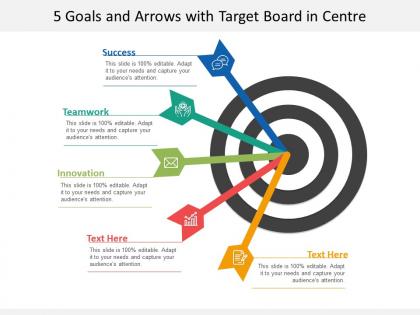
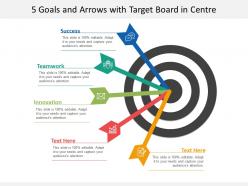
5 goals and arrows with target board in centre




Try Before you Buy Download Free Sample Product
 Impress Your
 Audience
 100%
100% Editable
 Save Hours
 of Time


Confuse the competition with our 5 Goals And Arrows With Target Board In Centre. It allows you to ball them a googly.
People who downloaded this PowerPoint presentation also viewed the following :
5 goals and arrows with target board in centre with all 5 slides:
Forge agreements with our 5 Goals And Arrows With Target Board In Centre.


FAQs for 5 goals and arrows with target
Okay so first thing - practice your transitions until they're automatic. That way if you zone out mid-sentence (happens to everyone), you can still get back on track. Keep water handy too because being dehydrated will wreck your focus way faster than you'd expect. When you lose your place, just pause and breathe. Don't panic and start rambling - nobody notices a quick pause but they'll definitely catch the word vomit. Find one person in the audience you can look at when you need to center yourself. Oh, and build in natural breaks where you can mentally reset before jumping into the next section.
Think of visuals like pointing - your audience can't help but look where you direct them. Arrows, bright colors, highlighted boxes all guide their eyes to what matters most. But here's the thing - if everything's flashy, nothing stands out. I learned this the hard way after making slides that looked like a rainbow exploded. Keep it clean instead. One main point per slide works best since people get overwhelmed easily. Use bold visuals only for your biggest messages, then watch how much better your audience follows along.
Okay so here's the thing - stories basically trick people's brains into paying attention. We're hardwired to follow narratives, right? When you drop a story into your presentation, suddenly everyone stops zoning out because they need to know what happens next. It's weird but it works. Abstract stuff becomes way more memorable when there's characters involved (our brains are strange like that). Don't go overboard though - keep your stories short and actually relevant to your point. I always start each section with a quick anecdote that sets up whatever problem I'm about to dive into. Works every time.
Oh man, your environment is HUGE for this stuff. Like, when I'm prepping, I have to find somewhere quiet or I'll just end up scrolling my phone instead of actually working. Cluttered spaces mess with my head too - probably sounds weird but it's true. If you can, check out the room beforehand. Weird lighting or random noise can totally throw you off mid-presentation. Just control what you can - clear the clutter, find good positioning, maybe bring headphones while prepping. Even tiny changes help way more than you'd think. Your brain will thank you for it.
Oh this happens to everyone! First thing - move around or step closer to snap them back. Ask someone a direct question or throw out a quick poll if you're online. I always have a crazy stat or funny story ready for these exact moments (seriously, prepare like 2-3 tricks beforehand). Sometimes I'll just call it out: "I can see I'm losing you, so let me switch things up." The trick is catching it fast before their minds completely wander off. Don't wait too long or you'll never get them back.
Your posture is honestly everything when you're trying to keep people focused. Stand up straight and actually look at your audience - those two things alone will completely change how they listen to you. When you look confident, people automatically think you're worth paying attention to. It's weird how that works, but it does. Don't be that person who's swaying around or staring at their shoes though. You're basically telling everyone this stuff doesn't matter if you can't even stand still. I read somewhere that good posture helps your own focus too - something about better blood flow? Anyway, nail your stance and eye contact first. Everything else gets easier after that.
People pay attention at the start and end of your presentation - it's called primacy and recency effect or something like that. The middle part? That's where everyone zones out because brains get overloaded and start wandering. Studies show attention tanks after about 10-18 minutes (hence why TED talks stop there). You can snap people back by switching up your pace, throwing in questions, or adding visual breaks. I'd chunk everything into smaller pieces and plan those reset moments. Put your big points at the beginning and end, then create little attention hooks throughout the boring middle section.
Honestly, interactive stuff is like hitting a reset button on people's attention every few minutes. Polls, quick Q&As, or just "raise your hand if you've ever..." - anything that makes them actually DO something instead of scrolling Instagram under the table. I always throw in a "turn to someone next to you" moment because it works ridiculously well. People can't zone out when they have to participate. The sweet spot is every 7-10 minutes or so. That's right when brains start wandering anyway, so you're catching them before they're completely gone.
Ugh, there's always something right? Your brain starts racing, someone coughs loudly, or the clicker dies mid-presentation. Practice until you could give the talk in your sleep - that's your safety net. Tech will fail you at some point, so bring backups for everything. When I get distracted, I pick one person who looks engaged and pretend I'm just talking to them. Sometimes I'll pause and take a breath too. Honestly, weird stuff happens during presentations and fighting it makes it worse. Just acknowledge it happened and keep going. Most people won't even notice half the things that feel huge to you.
Honestly, knowing your audience is like having a BS filter for your presentation. You can cut anything that doesn't actually serve them. Instead of dumping every random fact you found during research (guilty as charged), just ask yourself "do they really need this?" Three things work for me: write down what your audience actually cares about most, then use that list to stay focused. Skip the rabbit holes about stuff that fascinates you but puts them to sleep. Your presentation time is limited anyway - might as well spend it on what matters to their goals and knowledge level.
Yeah so basically people check out after like 10-15 minutes - I've seen it happen so many times. Their attention just tanks. You might squeeze 20 minutes if you're lucky, but after that? Forget it, they're thinking about dinner or whatever. I bombed this 45-minute thing last year because I didn't get this. Break up longer presentations with interactive stuff or clear sections. Short bursts work way better. If you're stuck doing something longer than 20 minutes, build in these little "reset" moments every 10-15 to grab them back.
Dude, just watch your audience like a hawk and pivot when needed. If you see glazed eyes or people scrolling their phones, switch gears immediately - I've literally rescued bombed presentations this way. Throw in direct questions every few minutes. Pause and wait for actual responses. Their faces will tell you everything you need to know about whether you're hitting or missing. Build in these little interaction moments so you're not just talking at a wall of blank stares. Honestly, most speakers are terrible at this but it's such a game-changer once you get the hang of it.
Honestly, pacing is like your secret weapon for keeping people hooked. Go too fast? Everyone gets overwhelmed and checks out. Drag it out too much and they're scrolling Instagram. I learned this the hard way lol. What works is mixing up your rhythm - slow way down when explaining tricky stuff so people can actually follow you. Then speed back up during the easy parts to keep energy flowing. It's kinda like how good music changes tempo. Oh, and pause after big points! Don't just barrel through transitions either.
Oh man, when random stuff happens during your presentation, just roll with it! Someone's phone rings or there's jackhammering outside? Just laugh it off - "well, that's perfect timing!" Trust me, your audience will actually like you more for being real about it. Don't pretend nothing happened, that's just awkward. Use the interruption as a mini break. Take a breath, maybe circle back to your last point real quick, then keep going. The trick is having a mental note of where you were so you don't completely lose your place and start rambling about something totally different.
Ugh, virtual presentations are brutal for keeping people's attention. You've got maybe 5-7 minutes before they zone out, compared to like 10-15 minutes when you're actually in the room with them. Makes sense though - nobody feels accountable when they can mute themselves and browse Instagram. Plus you can't really tell if they're engaged since there's no real eye contact happening. Honestly, we've all been guilty of checking emails during Zoom calls. What works for me is chopping everything into smaller pieces and throwing in polls or questions every few minutes. Short bursts keep them awake.
No Reviews