


Action Plan For Quality Improvement In BPO Powerpoint Presentation Slides





Try Before you Buy Download Free Sample Product
 Impress Your
 Audience
 100%
100% Editable
 Save Hours
 of Time


A call center is a centralized department that manages inbound and outbound calls from potential customers. Check out our professionally designed Action Plan for Quality Improvement in BPO PowerPoint presentation. Firstly, It covers the company background information overview, geographical presence, organizational structure, and journey roadmap from 2008 to 2021. The deck also includes the solutions offered by the BPO company with inbound and outbound call volume rates. Furthermore, this Call Center Business Plan PPT includes the problems faced by the BPO center and its impact on the company. It also mentions the recent technological improvements in the industry and the strategies, including telephone etiquette for support agents and dealing with unsatisfied customers. Additionally, our performance management module includes the wrong and right approach to handling customers and Strategies for customer complaints and faults. It also mentions how to improve business processes with IT services, including IT services for BPO and training programs for call center agents. At last, the template highlights the improvement plans expected growth, including call center key performance indicators and dashboards. Download this 100 percent editable presentation and get access to our highly researched and skillfully designed product.
People who downloaded this PowerPoint presentation also viewed the following :
Content of this Powerpoint Presentation
Slide 1: This slide introduces Action Plan for Quality Improvement in BPO. State your company name and begin.
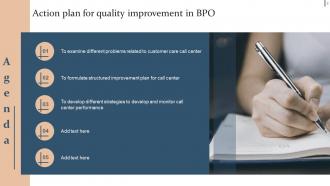
Slide 2: This slide states Agenda of the presentation.
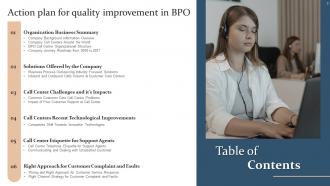
Slide 3: This slide shows Table of Content for the presentation.
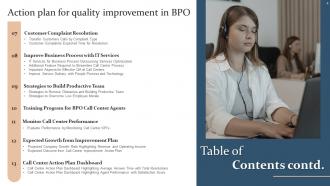
Slide 4: This is another slide continuing Table of Content for the presentation.
Slide 5: This slide highlights title for topics that are to be covered next in the template.
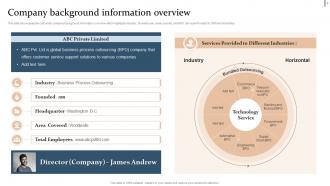
Slide 6: This slide presents Company background information overview.
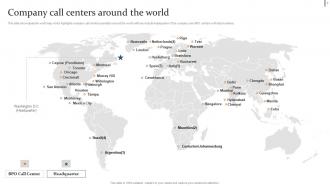
Slide 7: This slide displays Company call centers around the world.
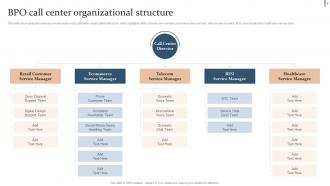
Slide 8: This slide represents BPO call center organizational structure.
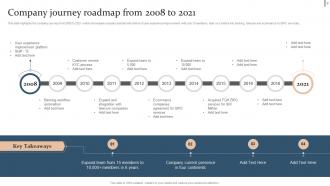
Slide 9: This slide showcases Company journey roadmap from 2008 to 2021.
Slide 10: This slide highlights title for topics that are to be covered next in the template.
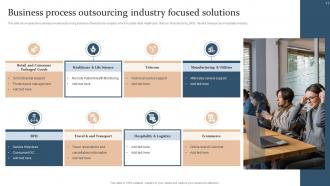
Slide 11: This slide shows Business process outsourcing industry focused solutions.
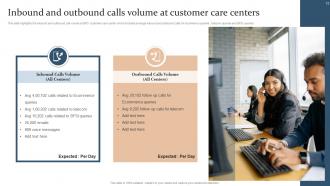
Slide 12: This slide presents Inbound and outbound calls volume at customer care centers.
Slide 13: This slide highlights title for topics that are to be covered next in the template.
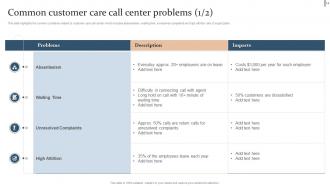
Slide 14: This slide displays Common customer care call center problems.
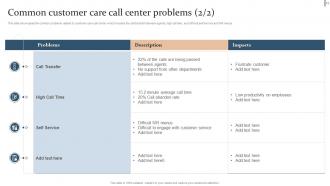
Slide 15: This is another slide continuing Common customer care call center problems.
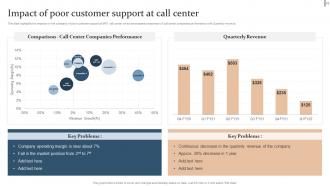
Slide 16: This slide presents Impact of poor customer support at call center.
Slide 17: This slide highlights title for topics that are to be covered next in the template.
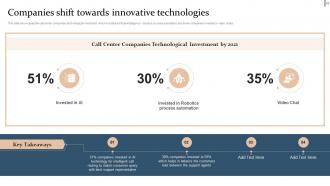
Slide 18: This slide represents Companies shift towards innovative technologies.
Slide 19: This slide highlights title for topics that are to be covered next in the template.
Slide 20: This slide showcases Call center telephone etiquette for support agents.
Slide 21: This slide shows Communicating and dealing with unsatisfied customer.
Slide 22: This slide highlights title for topics that are to be covered next in the template.
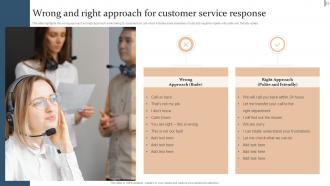
Slide 23: This slide presents Wrong and right approach for customer service response.
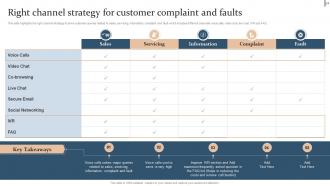
Slide 24: This slide displays Right channel strategy for customer complaint and faults.
Slide 25: This slide highlights title for topics that are to be covered next in the template.
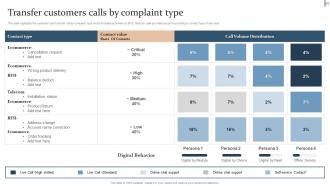
Slide 26: This slide represents Transfer customers calls by complaint type.
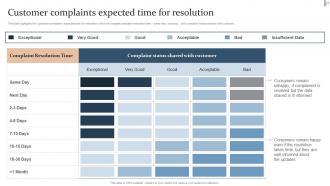
Slide 27: This slide showcases Customer complaints expected time for resolution.
Slide 28: This slide highlights title for topics that are to be covered next in the template.
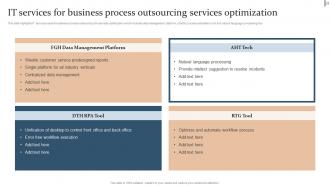
Slide 29: This slide shows IT services for business process outsourcing services optimization.
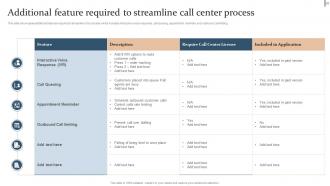
Slide 30: This slide presents Additional feature required to streamline call center process.
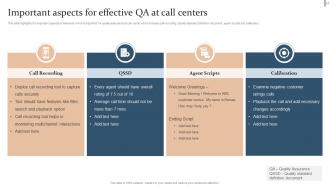
Slide 31: This slide displays Important aspects for effective QA at call centers.
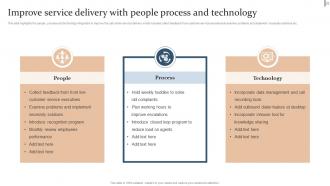
Slide 32: This slide represents Improve service delivery with people process and technology.
Slide 33: This slide highlights title for topics that are to be covered next in the template.
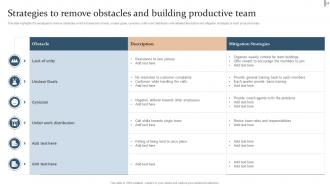
Slide 34: This slide showcases Strategies to remove obstacles and building productive team.
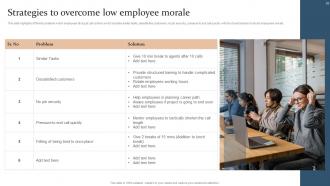
Slide 35: This slide shows Strategies to overcome low employee morale.
Slide 36: This slide highlights title for topics that are to be covered next in the template.
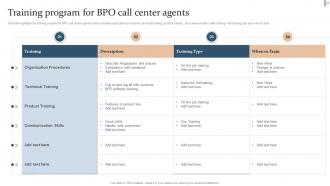
Slide 37: This slide presents Training program for BPO call center agents.
Slide 38: This slide highlights title for topics that are to be covered next in the template.
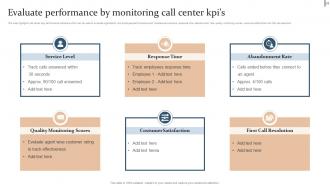
Slide 39: This slide displays Evaluate performance by monitoring call center kpi’s.
Slide 40: This slide highlights title for topics that are to be covered next in the template.
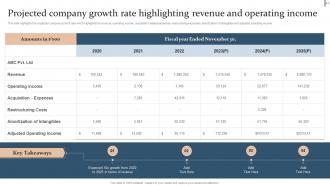
Slide 41: This slide represents Projected company growth rate highlighting revenue and operating income.
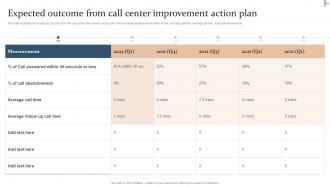
Slide 42: This slide showcases Expected outcome from call center improvement action plan.
Slide 43: This slide highlights title for topics that are to be covered next in the template.
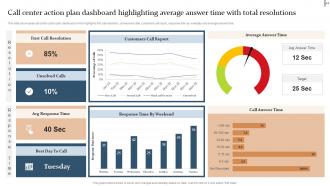
Slide 44: This slide shows Call center action plan dashboard highlighting average answer time with total resolutions.
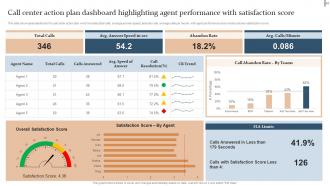
Slide 45: This slide presents Call center action plan dashboard highlighting agent performance with satisfaction score.
Slide 46: This slide contains all the icons used in this presentation.
Slide 47: This slide is titled as Additional Slides for moving forward.
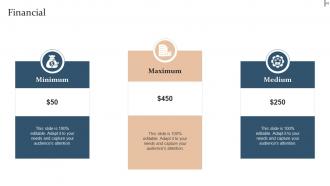
Slide 48: This is a Financial slide. Show your finance related stuff here.
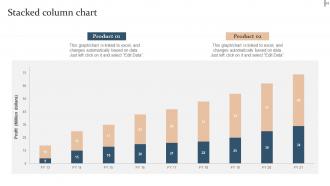
Slide 49: This slide represents Stacked column chart with two products comparison.
Slide 50: This is Our Target slide. State your targets here.
Slide 51: This is Our Team slide with names and designation.
Slide 52: This is an Idea Generation slide to state a new idea or highlight information, specifications etc.
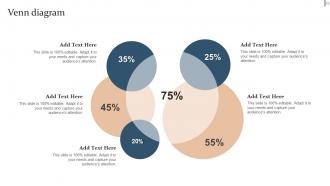
Slide 53: This slide depicts Venn diagram with text boxes.
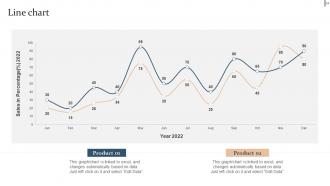
Slide 54: This slide describes Line chart with two products comparison.
Slide 55: This is a Thank You slide with address, contact numbers and email address.
Action Plan For Quality Improvement In BPO Powerpoint Presentation Slides with all 60 slides:
Use our Action Plan For Quality Improvement In BPO Powerpoint Presentation Slides to effectively help you save your valuable time. They are readymade to fit into any presentation structure.











FAQs for Action Plan For Quality Improvement In BPO
Honestly, you need three main things to start: clear goals, leadership that's actually on board, and baseline data so you know if you're making progress. Talk to your frontline people first though - they see the real problems every day while management's usually clueless about what's actually broken. PDSA cycles work great for structure, but here's the thing - most teams mess up by trying to fix everything at once. Don't do that. Pick one specific, measurable problem and nail it first. You'll need dedicated time and resources too, obviously. Build some wins early and momentum follows.
Look, engaged employees are honestly your secret weapon for quality improvement. They're the ones who'll actually notice problems and speak up with solutions. When people feel invested in their work, they stop just going through the motions and start genuinely caring about fixing broken processes. I've seen this firsthand - engaged workers jump into improvement initiatives, share ideas without holding back, and own changes instead of fighting them. They basically become your quality champions who naturally hold higher standards. If your quality initiatives keep falling flat, check engagement levels first. That's usually what's missing.
Honestly, data analytics is like having a crystal ball for fixing quality issues. You stop guessing where problems come from and actually pinpoint which machines or processes are screwing up. The crazy part? It spots patterns we'd never catch - like how tiny temperature changes mess with your products. Equipment failures become predictable instead of surprise disasters. Plus you can finally tell if those improvements you made actually worked or not. My advice - pick your worst quality nightmare and dive into that data first. You'll probably find some weird connections you never expected.
Start with baseline metrics before changing anything. Track the same stuff consistently - customer satisfaction, defect rates, cycle times, cost savings. Don't go crazy though, stick to 3-4 metrics max or you'll drown in data (learned this the hard way). Connect your quality wins to what executives actually care about - revenue, customer retention, that kind of thing. Monthly reviews work well for spotting trends without overdoing it. The tricky part? Making sure leadership sees how your improvements directly impact the bottom line. Otherwise you're just pushing numbers around for no reason.
Look, people hate being told what to do without understanding why. Get them involved in figuring out the solution instead of just dropping changes on them. Find your office influencers first - you know, those people everyone actually listens to - and get them excited about it. Then they'll do half your work for you. Communication is huge too. Don't just say "we're doing this now" - explain what's in it for them personally. Oh, and definitely celebrate small wins early. Nothing kills momentum like radio silence when things are actually going well. Training helps people feel less freaked out about new stuff too.
Honestly, Lean Six Sigma is pretty solid for fixing quality problems without just throwing random solutions at the wall. The lean part cuts out waste, while six sigma uses stats to reduce defects. Think of DMAIC (Define, Measure, Analyze, Improve, Control) as your roadmap - keeps everyone on track instead of letting projects spiral everywhere. I'd start with something small that's annoying the hell out of your team. You'll probably see real results in a couple months, and that builds buy-in for bigger stuff later.
So collect feedback everywhere - surveys, reviews, support tickets, social media. Then actually dig into it for patterns (most companies are terrible at this part honestly). Set up regular meetings where you sort feedback by how bad/common the issues are. Fix the big stuff first. Update your processes, retrain people, tweak products based on what you're hearing. Oh and definitely circle back with customers who complained - letting them know you fixed their issue is like marketing gold. The whole thing falls apart if you don't close that loop though.
Get the right people first - folks who actually know the process, not just whoever's available. Define what went wrong (crazy how many teams skip this basic step). Then dig deep with 5 Whys or fishbone diagrams. Don't quit after the first answer - keep asking why until you find the real systemic problem. Write everything down because your brain will definitely forget the details later. Focus on broken processes, not people screwing up. You want solutions that'll actually prevent this mess from happening again, not someone to blame.
Look, regulatory standards are basically your quality floor - they make you hit minimum safety requirements, which becomes your jumping-off point. You can't just improvise food safety anymore (honestly, good thing). But here's what's cool: those same standards actually spark innovation since you're always hunting for smarter ways to comply without losing your edge. HACCP, FDA stuff, local health codes - they all push you to document everything and spot your weak points. Then you fix them properly. Start with those standards as your base, but don't stop there. Build your whole quality system on top of that framework.
Honestly, if your leadership team isn't genuinely on board, don't even bother starting. I've watched so many quality programs crash and burn because executives talked a good game but never actually showed up or gave people what they needed. You need leaders who'll remove roadblocks, throw resources at problems, and actually celebrate when teams hit their targets. Otherwise it just looks like another corporate fad that'll be forgotten by next quarter. The accountability piece is huge too - people need to see that improvement metrics actually matter. Trust me, save yourself the headache and get real buy-in first.
Start with digitizing your PDSA cycles and retrospectives - Miro or Notion work great for this stuff. Honestly, keeping that spontaneous feedback vibe when everyone's in different time zones is brutal (still figuring that one out tbh). Use async communication for collecting data, then do quick virtual huddles for actual problem-solving. Document way more than you normally would since you can't just grab someone in the hallway anymore. Pick one tiny improvement process to test remotely first. Don't try to move everything at once - that's a recipe for chaos.
Oh man, you're gonna hit so many roadblocks. Money's always tight, and everyone's juggling like 5 jobs at once. Board members want one thing, donors expect another - it's honestly exhausting trying to keep everyone happy. People get weird about changing processes too because they think you're taking focus away from the actual mission work. Data collection? Good luck with that when you're already running on fumes. I'd say pick one small win that nobody can argue with. Something obvious that'll make their lives easier. Build from there once you've got some momentum going.
Honestly, you've gotta speak different languages to different people. Executives? Hit them with ROI numbers - that's all they care about. But your frontline folks want to know how this mess affects their actual day-to-day work. Skip the fancy jargon and just tell everyone "what's in it for me." Those visual dashboards are clutch for showing progress - people eat up a good before/after comparison. Keep sending updates even when things move slowly. Transparency builds trust way better than radio silence. Oh, and celebrate those quick wins! Momentum dies fast without them. Meet people where they are instead of forcing quality-speak on everyone.
Dude, the tech stuff happening with quality control is wild right now. Predictive analytics can catch defects before they even happen, which honestly blows my mind. IoT sensors give you real-time data, and there's automated tools that figure out root causes for you. Digital twins are sick - you can simulate everything virtually before making changes. Oh, and cloud platforms make it way easier for teams to work together across different locations. The best part? Automation cuts out human error in data collection. I'd start with whatever tech fixes your biggest headache first, then build from there.
Figure out exactly where your quality problems are happening first. Then build training that hits those specific issues - could be technical stuff, process gaps, or communication problems. Generic training is honestly pretty useless in my experience. Measure your results before and after, and definitely get feedback from trainees AND their managers about whether people actually use what they learned. The whole thing works backward - decide what quality results you want, then figure out how to teach people to get there. Way more effective than just throwing random training at everyone.
-
Good research work and creative work done on every template.
-
Wow! The design and quality of templates on SlideTeam are simply the best.