


Call Center Smart Action Plan For Quality Improvement Powerpoint Presentation Slides




Try Before you Buy Download Free Sample Product
 Impress Your
 Audience
 100%
100% Editable
 Save Hours
 of Time


A call center is a centralized department that manages inbound and outbound calls from potential customers. Check out our professionally designed Call Center Smart Action Plan for Quality Improvement template. It exhibits the companys background information overview and its global geographical presence. It further highlights the organizational structure and journey roadmap from 2008 to 2021. Our Performance Management deck includes the problems faced by the BPO center and their impact on the company. It also showcases the solutions offered by the BPO company with inbound and outbound call volume rate. Our Call Center Business Plan PPT mentions the recent technological improvements in the industry and the strategies for it. It also incorporates the telephone etiquette for support agents and how to deal with an unsatisfied customer. The presentation further deals with the wrong and correct approach to handling customers and Strategy for customer complaints and faults. Additionally, our Performance Management module depicts methods to improve business processes with IT services. Lastly, it elucidates the expected growth from the improvement plan through key performance indicators and dashboards. Get access to this powerful template now.
People who downloaded this PowerPoint presentation also viewed the following :
Content of this Powerpoint Presentation
Slide 1: This slide introduces Call Center Smart Action Plan for Quality Improvement. Commence by stating Your Company Name Here.
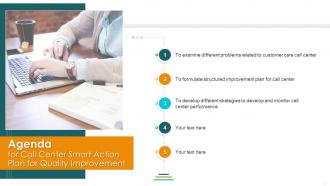
Slide 2: This slide depicts the Agenda of the presentation.
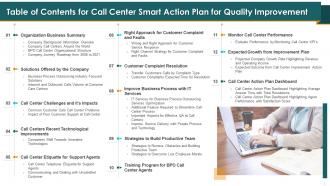
Slide 3: This slide highlights the Table of Contents.
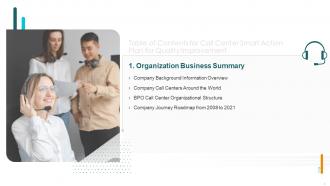
Slide 4: This slide mentions the Title for the Topics to be covered in the upcoming template.
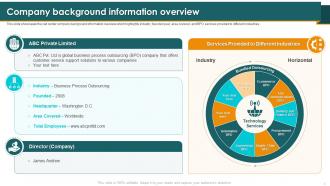
Slide 5: This slide showcases the call center company background information overview which highlights industry, founded year, area covered, and BPO services provided to different industries .
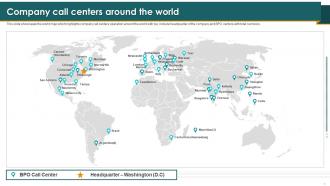
Slide 6: This slide portrays the world map which highlights company call centers operation around the world with key include headquarter of the company and BPO centers with total numbers.
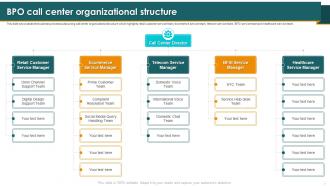
Slide 7: This slide showcases the business process outsourcing call center organizational structure which highlights retail customer service team, ecommerce service team, telecom service team, BFSI service team and healthcare service team.
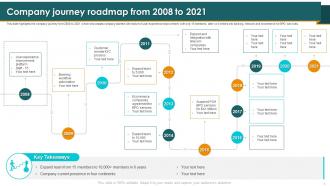
Slide 8: This slide presents the company journey form 2008 to 2021 which showcases company started with motive of user experience improvement with only 15 members, later on it enters into banking, telecom and ecommerce for BPO services.
Slide 9: This slide incorporates the Heading for the Ideas to be discussed next.
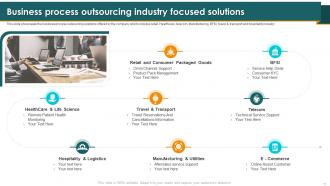
Slide 10: This slide deals with the Business process outsourcing industry focused solutions.
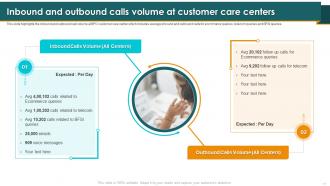
Slide 11: This slide outlines the Inbound and outbound calls volume at customer care centers.
Slide 12: This slide elucidates the Title for the Components to be discussed further.
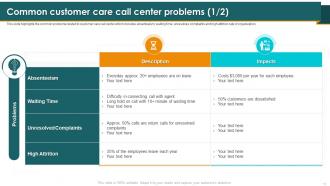
Slide 13: This slide highlights the common problems related to customer care call center which includes absenteeism, waiting time, unresolves complaints and high attrition rate of organization.
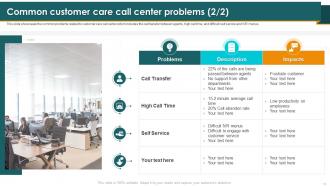
Slide 14: This slide continues the Common customer care call center problems.
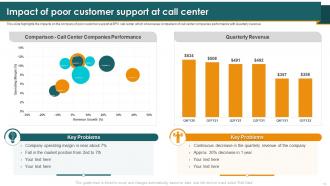
Slide 15: This slide reveals the impacts on the company of poor customer support at BPO call center which showcases comparison of call center companies performance with Quarterly revenue.
Slide 16: This slide indicates the Heading for the Topics to be discussed in the following template.
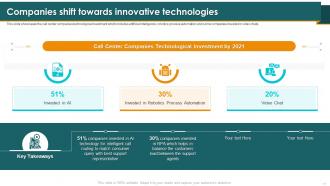
Slide 17: This slide showcases the call center companies technological investment which includes artificial intelligence, robotics process automation and some companies invested in video chats.
Slide 18: This slide mentions the Title for the Topics to be covered further.
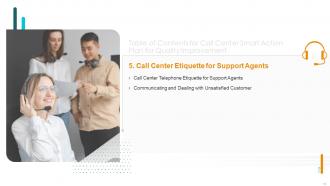
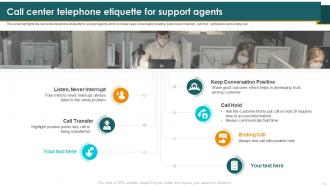
Slide 19: This slide talks about the Call center telephone etiquette for support agents.
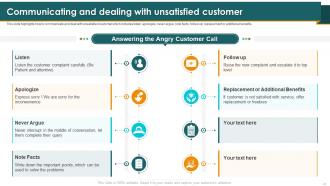
Slide 20: This slide highlights how to communicate and deal with unsatisfied customer which includes listen, apologize, never argue, note facts, follow up, etc.
Slide 21: This slide indicates the Heading for the Contents to be covered next.
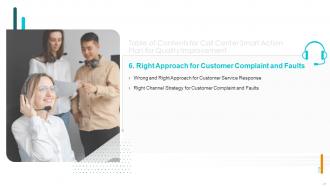
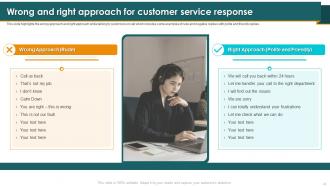
Slide 22: This slide shows the wrong approach and right approach while talking to customers on call.
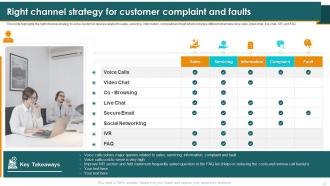
Slide 23: This slide represents the right channel strategy to solve customer queries related to sales, servicing, information, complaint and fault.
Slide 24: This slide reveals the Title for the Components to be covered further.
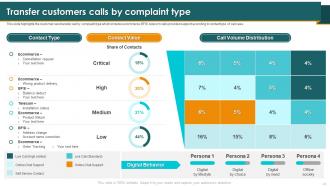
Slide 25: This slide shows the customer care transfer call by complaint type which includes ecommerce, BFSI, telecom calls provided support according to contact type of call case.
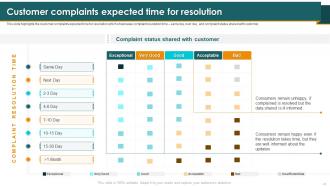
Slide 26: This slide contains the customer complaints expected time for resolution which showcases complaint resolution time – same day, next day, and complaint status shared with customer.
Slide 27: This slide exhibits the Title for the Ideas to be covered further.
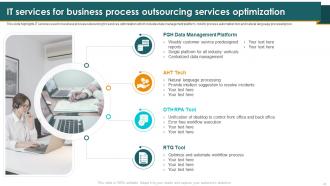
Slide 28: This slide talks about the IT services for business process outsourcing services optimization.
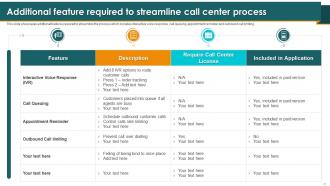
Slide 29: This slide showcases additional features required to streamline the process which includes interactive voice response, call queuing, etc.
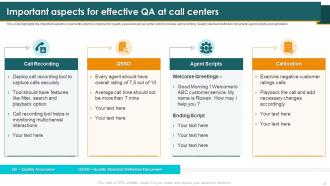
Slide 30: This slide highlights the important aspects or elements which is important for quality assurance at call center which includes call recording.
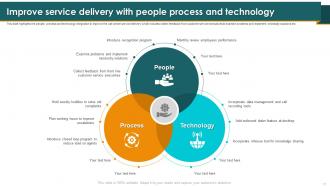
Slide 31: This slide elucidates the people, process and technology integration to improve the call center service delivery.
Slide 32: This slide portrays the Heading for the Contents to be discussed further.
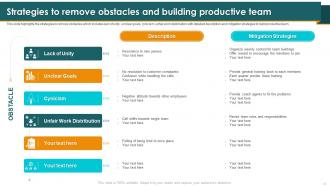
Slide 33: This slide reveals the strategies to remove obstacles which includes lack of unity, unclear goals, cynicism, unfair work distribution with detailed description and mitigation strategies to build productive team.
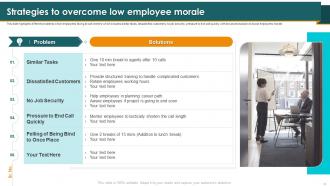
Slide 34: This slide mentions different problems which employees facing at call centers.
Slide 35: This slide elucidates the Title for the Contents to be covered in the upcoming slide.
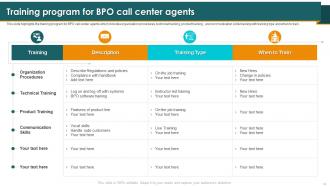
Slide 36: This slide shows the training program for BPO call center agents which includes organization procedures, technical training, product training, etc.
Slide 37: This slide elucidates the Heading for the Topics to be discussed next.
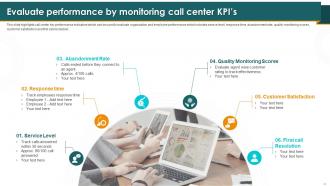
Slide 38: This slide emphasizes on Evaluating performance by monitoring call center KPI’s.
Slide 39: This slide indicates the Title for the Topics to be covered in the upcoming slide.
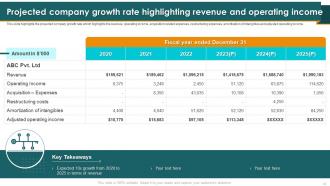
Slide 40: This slide highlights the projected company growth rate which highlights the revenue, operating income, acquisition related expenses, restructuring expenses, etc.
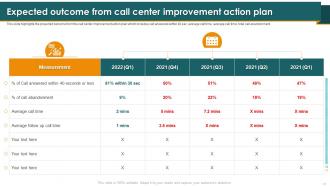
Slide 41: This slide displays the projected outcome from the call center improvement action plan which includes call answered within 40 sec, average call time, average call time, total call abandonment.
Slide 42: This slide reveals the Heading for the Contents to be discussed
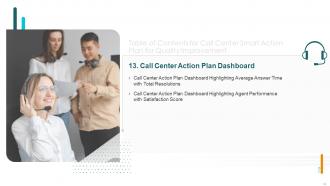
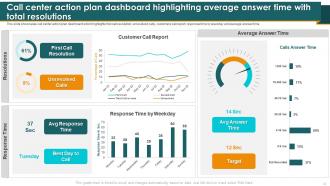
Slide 43: This slide showcases call center action plan dashboard which highlights first call resolution, unresolved calls, customers call report, response time by weekday and average answer time.
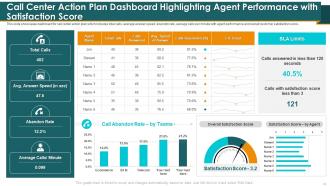
Slide 44: This slide presents the dashboard for call center action plan which includes total calls, average answer speed, abandon rate, average calls per minute with agent performance and overall customer satisfaction score.
Slide 45: The purpose of this slide is to depict some Additional information.
Slide 46: This is the Icons slide showcasing all the Icons used in the plan.
Slide 47: This is the About Us slide. State your Company related information here.
Slide 48: This is Our Goals slide for elucidating the Organization goals.
Slide 49: This slide displays the Company Targets.
Slide 50: This is Our Team slide. State the information related to your team members here.
Slide 51: This slide is used for the purpose of Comparison.
Slide 52: This is the Puzzle slide with related imagery.
Slide 53: This slide presents the Venn Diagram.
Slide 54: This slide contains the Post it Notes for reminders and deadlines.
Slide 55: This slide highlights the Company Mind Map.
Slide 56: This slide illustrates the Timeline of the organization.
Slide 57: This slide depicts the Organization's Roadmap.
Slide 58: This sldie indicates the 30 60 90 Days Plan for efficient planning.
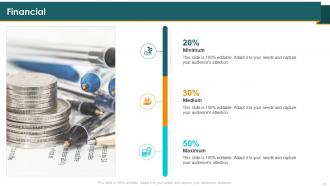
Slide 59: This slide represents information related to the Financial topic.
Slide 60: This is the Funnel slide with related imagery.
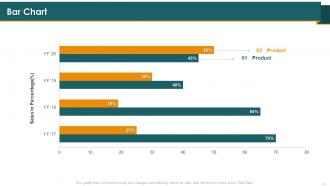
Slide 61: This slide showcases the Bar Chart.
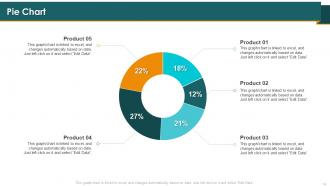
Slide 62: This slide illustrates the Pie Chart.
Slide 63: This is the Thankyou slide for acknowledgement.
Call Center Smart Action Plan For Quality Improvement Powerpoint Presentation Slides with all 68 slides:
Use our Call Center Smart Action Plan For Quality Improvement Powerpoint Presentation Slides to effectively help you save your valuable time. They are readymade to fit into any presentation structure.








FAQs for Call Center Smart Action Plan For Quality Improvement
So you'll want to focus on the big ones: First Call Resolution, Average Handle Time, Customer Satisfaction, and Net Promoter Score. FCR is probably the most telling - shows if your team's actually fixing things instead of just passing problems around. AHT tracks efficiency, but honestly don't get too obsessed with speed or you'll end up with agents rushing people off calls. CSAT gives you straight feedback on how interactions went, while NPS tells you if people would actually recommend you. Oh, and quality scores from monitoring calls matter too. Set some baselines first, then figure out realistic targets based on where you're at now.
Skip the generic scripts - they're pretty useless tbh. What actually works is using real call recordings from your center so agents hear the good and terrible examples firsthand. Role-playing saves you so much headache later when they're dealing with screaming customers. Don't do those one-off training sessions either. Regular coaching keeps skills sharp. Oh, and definitely track your quality metrics before/after training sessions. Otherwise you're just guessing what's helping and what isn't. Trust me, the data will surprise you sometimes.
Your customers are basically telling you exactly what's broken - you just gotta listen. They'll call out stuff your metrics totally miss, like confusing phone menus or why agents always disappear mid-call. Honestly, surveys aren't enough anymore. Check social media complaints, look for patterns in what people actually say. Here's what works: split the feedback into two buckets - is this an agent problem or a process problem? That way you're not trying to fix everything at once. Plus customers will literally tell you training opportunities if you pay attention to the compliments too.
Honestly, AI analytics can be a game changer for QA. Instead of randomly sampling calls, you're monitoring everything automatically - compliance issues, sentiment, key phrases, the works. Real-time alerts catch problems as they happen, and you can actually predict which calls might blow up before they do. The speech tech is wild now - picks up tone changes, dead air, when people talk over each other. Way better than just reviewing like 5% of your calls manually. I'd say figure out what's breaking most in your current process first, then find tools that tackle those specific headaches.
Here's the thing - be their coach, not the person hunting for mistakes. I always listen to the whole call first, then start feedback with what they actually did well (trust me, this works way better). Jot down specific moments instead of vague stuff like "needs improvement." Get them talking too - ask what they think went smoothly or what they'd change. Oh, and do this within a day while it's all still fresh in your heads. The whole point is helping them get better, not playing gotcha with their calls.
Honestly, ditch the word-for-word scripts - they make everyone sound like robots. Give your team talking points and natural phrases instead. Train them to read the room too. Angry customer? Skip the "how's your day going" nonsense and jump straight to fixing their problem. I swear, half the agents I talk to are clearly just waiting for their turn to recite the next line instead of actually listening. Practice sessions help a ton. Once they've got the key messages down, they can focus on real conversations. Oh, and throw in some empathy statements that don't sound fake.
Honestly, first-call resolution is your best friend here. Get your agents prepped on the most common stuff so they're not fumbling around. Give them quick access to customer history and knowledge bases - saves so much time. I'd also set up flexible templates, not those awful rigid scripts that make everyone sound like robots. Better call routing is huge too since nobody wants to get bounced between departments. Oh, and here's the thing - you gotta track satisfaction scores alongside speed. Otherwise you'll just end up with agents rushing people off calls without actually helping. Start by looking at your longest calls to see where things get stuck.
Dude, you absolutely cannot skip this part. When your quality metrics don't line up with what leadership actually wants, you end up tracking totally useless stuff. Like if the business cares about keeping customers happy but you're only measuring how fast agents get people off calls? Your team's gonna rush everyone and tank relationships. Pretty counterproductive if you ask me. Figure out what success looks like to your bosses first - is it revenue, customer satisfaction, something else? Then build your whole quality program around those goals. Otherwise you're just wasting time.
Honestly, the trickiest part is that every team leader interprets quality scores differently - it's maddening. Training standards are all over the place too. Teams develop their own little cultures which sounds cute but creates totally different customer experiences. Communication between teams? Forget about it. Team A figures something out and Team B never hears about it. Different shifts make coordination even messier. Here's what actually works: standardized playbooks everyone has to use (not negotiate), regular sessions where teams compare their scoring, and - this is key - measure quality the exact same way across all teams. No exceptions.
Honestly, coaching makes a huge difference because agents get feedback on their actual calls instead of just sitting through another boring training session. When you listen to recordings together and talk through what went well (and what didn't), they start catching their own mistakes. Confident agents perform way better than ones who are nervous and just read scripts word-for-word. The trick is keeping it chill - nobody wants to feel attacked during feedback time. I'd do weekly one-on-ones focused on maybe one or two specific things they can work on. You'll probably see scores improve pretty quickly, like within a few weeks.
So there's a bunch of ways to do this. Call recording is obvious, but customer surveys work great too. Real-time dashboards give you live data, which is pretty cool. Speech analytics tools are honestly game-changers - they pick up on stuff you'd totally miss otherwise. Track things like first call resolution and handle times. Agent self-assessments help too, though take those with a grain of salt sometimes. Quality scorecards keep everything standardized. Oh, and sentiment analysis shows you how pissed off (or happy) customers actually are. Don't try everything at once though. Pick like two methods first, then add more as you get the hang of it.
Honestly, cultural stuff can totally make or break those calls. Some customers want you to cut straight to the point, while others need that small talk first - it's wild how different people are. Time expectations vary too. Americans usually want instant fixes, but other cultures are way more chill about waiting. Language barriers are the obvious issue, but the cultural context thing? That's harder to catch. You really need to train your agents on this stuff and let them read the room instead of following some rigid script. Give them permission to adapt based on what they're picking up from each customer.
Honestly, it comes down to speed and not leaving people hanging. Give your agents more power to actually fix things instead of transferring everyone around - that's the worst. Keep customers updated even when there's no news yet, trust me on this one. Your team needs to ditch the robotic scripts and actually listen. I mean really listen, not just wait for their turn to talk. Set up clear escalation paths so issues don't ping-pong between departments. Oh, and always follow up afterward to make sure the fix actually worked. Most companies skip that last step.
Look, happy agents equal happy customers - it's that straightforward. Your team's mood literally becomes the customer experience. When agents feel good about their job, they'll actually listen and want to solve problems. But stressed-out agents? They rush through calls and customers can smell that "get me out of here" vibe from a mile away. I've watched it happen so many times - low morale turns into short conversations and missed chances to actually help people. Honestly, just check in with your team regularly about how they're feeling. Their job satisfaction isn't some HR thing - it directly hits your bottom line.
So basically, feedback loops make your call center way better at adapting. Agents spot patterns in customer complaints or confusing processes, then share those insights up the chain. When management actually does something with that info, agents feel like their voice matters - which is honestly half the battle with morale. You get this cycle where real problems get fixed fast, not months later when it shows up in some quarterly report. Management sees issues they'd never catch otherwise. Start with weekly sessions where people can speak up without worrying they'll get blamed for pointing out problems.
-
Innovative and attractive designs.
-
Easy to edit slides with easy to understand instructions.