

Aop PowerPoint Presentation Slides




Try Before you Buy Download Free Sample Product
 Impress Your
 Audience
 100%
100% Editable
 Save Hours
 of Time


Our Aop PowerPoint Presentation Slides are topically designed to provide an attractive backdrop to any subject. Use them to look like a presentation pro.
People who downloaded this PowerPoint presentation also viewed the following :
Content of this Powerpoint Presentation
Slide 1: This slide introduces AOP. State Your Company Name and begin.
Slide 2: This slide presents Agenda. Add your agenda and use it.
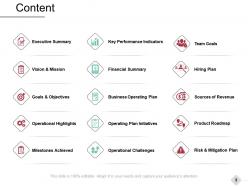
Slide 3: This slide presents Content which further showcases Executive Summary, Vision & Mission, Goals & Objectives, Operational Highlights, Milestone Achieved, Key Performance Indicator, Financial Summary, Operational Challenges, Operating Plan Initiatives, Business Operating Plan, Team, Goals, Hiring, Plan, Success of Revenue, Product Roadmap, Risk & Migration Plan.
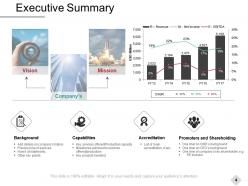
Slide 4: This slide presents Executive Summary describing- Background, capabilities, Accreditation, promoters and shareholders.
Slide 5: This slide displays Our Vision and Mission with related imagery and text.
Slide 6: This slide presents Our Goals and Objectives with these of the following stages- Business Plan, System and Solutions, Programmers for Strategic Objectives, Business Plan, Operation of Solution.
Slide 7: This slide represents Operational Highlights in a timeline form.
Slide 8: This slide showcases Milestones Achieved with text boxes.
Slide 9: This slide presents Key Performance Indicators which further showcases- Cost of Goods Sold, Net Promoter Score, % Sales Lost to Active Customers, Customer Retention Rate, Day Sales Outstanding.
Slide 10: This slide shows Financials Summary: Base vs. Stretch Plan.
Slide 11: This slide presents Financials Summary: Base Plan.
Slide 12: This slide represents Financials Summary: Stretch Plan.
Slide 13: This slide displays Business Operational Plan with categories as- Strategic intent, Objective, performance indicator, Budget, Timeline etc.
Slide 14: This slide showcases Operating Plan Initiatives in a tabular form with categories, Key initiatives, Prioritization and project leads.
Slide 15: This slide is titled as Challenges Have Been Divided into Two Parts which further showcases- Customer Facing, Back-Office, Operations, Entering the Market, Sales / Marketing / PR, Customer Care / CRM, Partners & Alliances, Organizational / Operations Setup, Optimize Revenue Sources.
Slide 16: This slide shows Team Goals with a table for different areas.
Slide 17: This slide presents Hiring Plan: Positions by Quarter in a graph form with categories as- Finance, support, product and marketing.
Slide 18: This slide shows Current Sources of Revenue with additional text boxes.
Slide 19: This slide presents Potential Sources of Revenue with the help of pie chart.
Slide 20: This slide displays Product Roadmap with text boxes to show information.
Slide 21: This slide represents Risk Mitigation Plan with Category, Identified risk and mitigation plan.
Slide 22: This slide showcases Risk Response Matrix with categories as- Risk event, response, trigger etc.
Slide 23: This slide is titled as Additional Slides for moving forward.
Slide 24: This is Meet Our Team slide with names and designation.
Slide 25: This is About Us slide to show company specifications etc.
Slide 26: This is a Comparison slide to state comparison between commodities, entities etc.
Slide 27: This is a Financial slide. Show your finance related stuff here.
Slide 28: This is a Dashboard slide with text boxes to show information.
Slide 29: This is a Location slide with maps to show data related with different locations.
Slide 30: This is a Timeline slide. Show information related time period here.
Slide 31: This is a Venn slide with text boxes.
Slide 32: This slide shows Mind Map for representing entities.
Slide 33: This slide displays Creative Idea to state a new idea and creative idea.
Slide 34: This slide shows Icons for Business Model Design.
Slide 35: This is a Puzzle slide with text boxes to show information.
Slide 36: This slide reminds about 30 minutes coffee break.
Slide 37: This slide shows Pie Chart with four products comparison.
Slide 38: This slide presents Clustered Column chart with two products comparison.
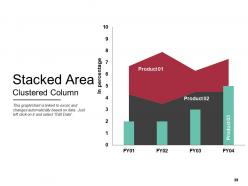
Slide 39: This slide displays Stacked Area Clustered Column chart with three products comparison.
Slide 40: This is a Thank You slide with address, contact numbers and email address.
Aop PowerPoint Presentation Slides with all 40 slides:
Use our Aop PowerPoint Presentation Slides to effectively help you save your valuable time. They are readymade to fit into any presentation structure.
-
Aop
-

Agenda Slide
-
Content
-
Executive Summary
-
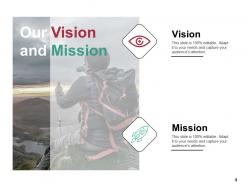
Our Vision and Mission
-
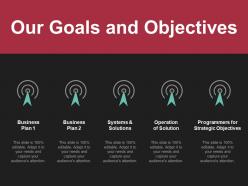
Our Goals and Objectives
-
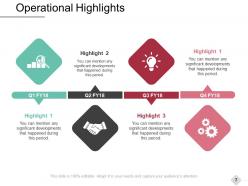
Operational Highlights
-
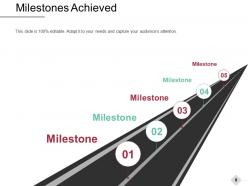
Milestones Achieved
-
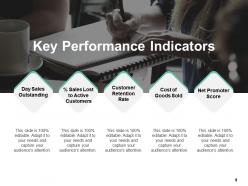
Key Performance Indicators
-

Financials Summary Base vs Stretch Plan
-
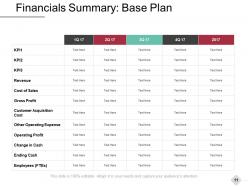
Financials Summary Base Plan
-
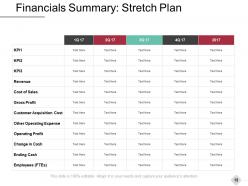
Financials Summary Stretch Plan
-
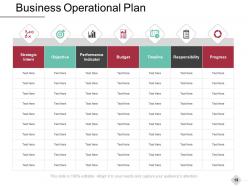
Business Operational Plan
-
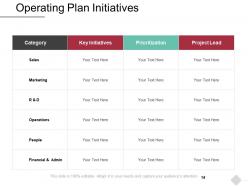
Operating Plan Initiatives
-
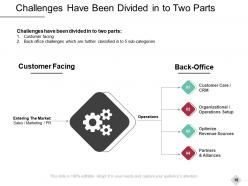
Challenges Have Been Divided in to Two Parts
-
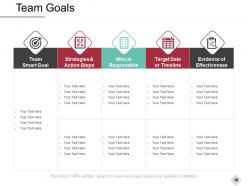
Team Goals
-
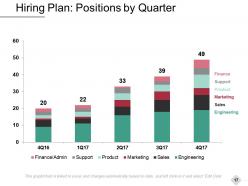
Hiring Plan Positions by Quarter
-
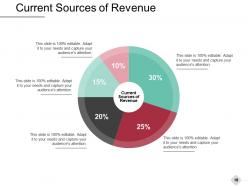
Current Sources of Revenue
-
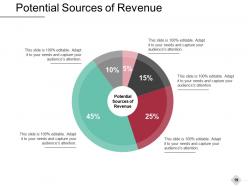
Potential Sources of Revenue
-
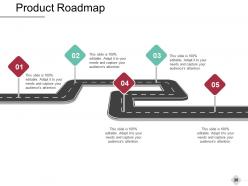
Product Roadmap
-
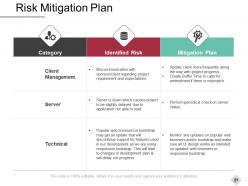
Risk Mitigation Plan
-

Risk Response Matrix
-

Additional Slides
-

Meet Our Team
-
About Us
-
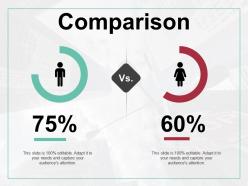
Comparison
-
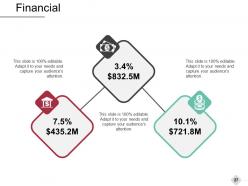
Financial
-
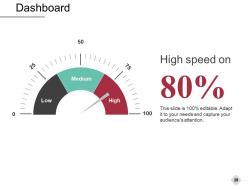
Dashboard
-

Location Social Media Users in Africa
-
Timeline
-
Venn
-
Mind Map
-
Creative Idea
-
Icons for Business Model Design
-
Puzzle
-

Coffee Break Slide
-
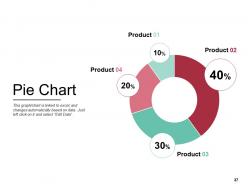
Pie Chart
-
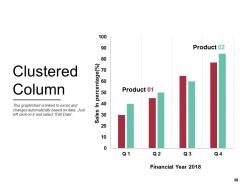
Clustered Column
-
Stacked Area Clustered Column
-
Thank You
FAQs for Aop
So AOP is basically about pulling repetitive stuff out of your main code. You know how logging and security checks end up scattered everywhere? That's what it fixes. There are three main ideas: separation of concerns, cross-cutting concerns, and join points. You define where these "aspects" hook into your business logic, then specify what happens at those intersection points. Honestly, it's pretty clever once you get it. Your core code stays clean while all the boring infrastructure stuff gets handled separately. Look for patterns you're copying and pasting - that's usually where AOP shines.
So OOP is all about organizing code around objects and how they talk to each other. AOP is different - it handles those annoying cross-cutting things like logging and security that touch everything. Here's the thing: with just OOP, you end up sprinkling logging code everywhere and it gets gross fast. AOP lets you pull that stuff out into separate "aspects" that get woven in automatically. It's like adding horizontal layers on top of your vertical object structure. Honestly? If you're copy-pasting the same infrastructure code all over the place, that's when AOP shines. Keeps your actual business logic way cleaner.
AOP is perfect for all that annoying stuff that clutters your code - logging, security checks, caching, transaction management. Performance monitoring too. I always tell people to start with logging because it's dead simple and you'll instantly see the difference. Instead of copy-pasting the same authentication or logging code everywhere, you write it once as an aspect and just apply it wherever you need it. Game changer honestly. Your business logic stays clean and you're not repeating yourself constantly. Way better than manually sprinkling that boilerplate everywhere.
So basically an **aspect** is your cross-cutting code (logging, security, whatever), and **join points** are all the spots in your app where that code could potentially run. **Advice** is what actually executes at those spots. **Pointcuts** are like your targeting system - they define which join points you actually want to hit. Think of pointcuts as your filter, join points as everything that matches, and advice as the code that fires. The aspect just bundles it all together. Honestly, the terminology's a bit much at first but it clicks once you start using it. Just figure out what cross-cutting stuff you need, then write pointcut expressions to target the right methods.
So proxies are what make AOP work - they catch method calls and add stuff like logging or security without you having to mess with your actual business code. Picture an invisible layer that sits between whoever's calling your method and the real object. Your core classes stay totally clean while the proxy deals with all the infrastructure nonsense. I mean, that's honestly the best part about AOP - you can swap aspects in and out without touching your main logic at all. It's like having a bouncer who handles all the annoying stuff before letting people into your club.
So weaving is just how AOP frameworks sneak your cross-cutting stuff (logging, security, whatever) into your main code. You've got three flavors: compile-time happens during compilation, load-time kicks in when classes hit the JVM, and runtime uses proxies while everything's running. AspectJ rocks at compile-time weaving, but Spring AOP only does runtime since it's way less of a headache to configure. Honestly, I'd go compile-time if performance matters, otherwise runtime's fine for most projects and you won't hate yourself debugging it later.
So basically AOP lets you take all that repetitive stuff - logging, security checks, error handling - and pull it out of your main code. Like instead of copying the same auth check into 20 different methods, you just write it once and slap it wherever you need it. Pretty neat, right? Your business logic stays clean and focused on actually doing its job. All the cross-cutting stuff gets handled in one place, which honestly makes debugging so much less painful. You won't be digging through a million files just to find one log statement. I'd say start with something simple like logging first, then tackle the trickier aspects once you get the hang of it.
So for AOP frameworks, you've got AspectJ, Spring AOP, and PostSharp for .NET as your main options. AspectJ is crazy powerful - does compile-time, load-time, runtime weaving, handles method execution, field access, all that stuff. Spring AOP keeps things simple though, just method interception with proxies. PostSharp's pretty good if you're stuck in C
-
Excellent template with unique design.