


Architecture Review Board Flowchart Software Enterprise Organizations Business Technology




Try Before you Buy Download Free Sample Product
 Impress Your
 Audience
 100%
100% Editable
 Save Hours
 of Time


Our Architecture Review Board Flowchart Software Enterprise Organizations Business Technology are topically designed to provide an attractive backdrop to any subject. Use them to look like a presentation pro.
People who downloaded this PowerPoint presentation also viewed the following :
Architecture Review Board Flowchart Software Enterprise Organizations Business Technology with all 12 slides:
Use our Architecture Review Board Flowchart Software Enterprise Organizations Business Technology to effectively help you save your valuable time. They are readymade to fit into any presentation structure.
-
Architecture Review Board
-
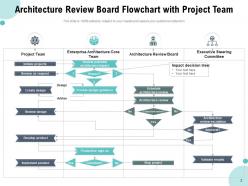
Architecture Review Board Flowchart with Project Team
-
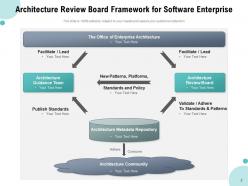
Architecture Review Board Framework for Software Enterprise
-
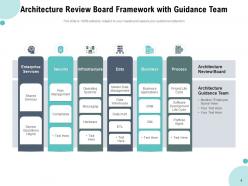
Architecture Review Board Framework with Guidance Team
-
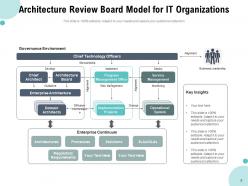
Architecture Review Board Model for IT Organizations
-
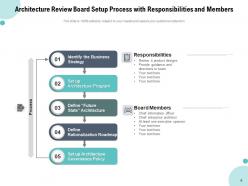
Architecture Review Board Setup Process with Responsibilities and Members
-
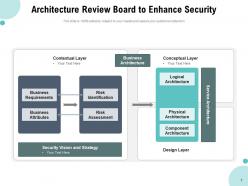
Architecture Review Board to Enhance Security
-

Architecture Review Board with Perspectives
-
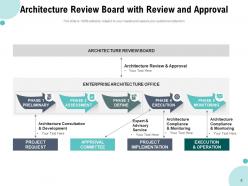
Architecture Review Board with Review and Approval
-
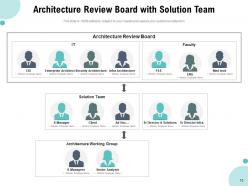
Architecture Review Board with Solution Team
-
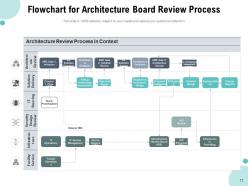
Flowchart for Architecture Board Review Process
-

Thank You Slide
FAQs for Architecture Review Board Flowchart Software Enterprise
So basically, an ARB is like having a "sanity check" team for your tech decisions. They review proposed architectures to make sure they'll actually scale and play nice with your existing systems. Plus they catch security issues before you build something terrible. Usually it's senior engineers who've watched enough projects blow up - trust me, they know what red flags look like. The main thing is getting them involved early in your design process, not after you've already locked into some approach. Otherwise you're just asking for headaches later when things don't work.
So the ARB is like your architecture consistency police - but actually helpful. They review designs upfront to stop teams from going completely off the rails with random tech choices. You don't want three different auth systems, trust me. They'll flag when your microservices suddenly don't play nice with company standards or when someone's reinventing the wheel for no reason. Bottom line: your systems actually talk to each other instead of becoming a total mess. Just bring them in early during planning, not after you've built half the thing.
So ARB members review and approve architectural decisions for projects. Basically you're looking at design proposals to make sure they fit technical standards and business goals. The review process can get pretty intense honestly - depends how complex stuff gets. You'll need to provide technical expertise during reviews, keep architectural docs updated, and mentor teams on best practices. Also gotta stay up on industry trends and new tech. Fair warning though - if you're thinking about joining, make sure you've got the time. These reviews need solid prep work or you'll be useless in meetings.
Track the usual stuff - how fast decisions happen, approval rates, whether teams actually follow what you approve. But here's the thing: survey your devs too. Are they feeling heard? Does your guidance actually help them build better systems? I'd also watch if your decisions cut down technical debt and security issues over time. Don't become a rubber stamp factory or a total bottleneck (both suck equally). Oh, and do quarterly check-ins on all this - you'll need to tweak your process as you go.
Look at risk first - anything touching multiple systems or new tech stacks needs attention. Budget stuff and tight deadlines too, obviously. Sensitive data projects? Yeah, those can get messy fast if something breaks. Honestly, I'd make a simple scoring system so you're not just winging it every time. Architectural complexity matters, especially if it'll set precedents down the road. Oh, and scope creep potential - some projects just attract that like magnets. Start with your biggest, scariest ones. Those are usually where the real problems hide anyway.
So an ARB basically becomes this bridge between your tech people and the suits upstairs. Monthly meetings where architects explain decisions in plain English - not engineer-speak - while management actually shares what the business needs. Honestly, it's kind of genius when it works. Documents everything too, so six months later nobody's like "wait, why did we build it this way?" Both sides show up to the same room and suddenly everyone gets it. Trust me, you'll avoid so many stupid arguments about technical choices that seemed random to leadership.
ARBs always seem to create these annoying bottlenecks - like when they only meet once a week and you're stuck waiting. Inconsistent decisions drive me crazy too. Same type of architecture, totally different feedback depending on which board members show up that day. Developers never know how much detail to include either, so there's constant back-and-forth. Oh, and don't get me started on when there's no clear approval criteria - it's basically a guessing game. Best thing you can do? Push for regular office hours where people can ask quick questions, and nail down some actual review standards upfront.
So the ARB sets up these "innovation zones" where you can experiment with non-critical stuff while keeping the important architecture locked down. Pretty smart actually. You pitch your new tech or whatever, but show how it plays nice with current systems and have a backup plan ready. I've watched teams get total freedom with frontend frameworks while database/security standards stayed untouchable. Here's the thing though - frame your innovation as building on what's already there, not throwing it all out. Always bring a working prototype and know how you'll migrate existing stuff.
Honestly, standardized templates are a game-changer for ARB stuff - everyone knows what to expect so reviews go way faster. Tools like SonarQube can catch the obvious compliance issues automatically before anyone even looks at it. Why waste time on things a script could flag, right? Decision trees help keep evaluations consistent too. Instead of endless meetings, try async reviews through Confluence or whatever platform your team actually uses. Oh, and definitely set clear timelines for approvals. Nothing's worse than proposals just sitting there forever while everyone waits around.
Honestly, your ARB could totally transform your disaster recovery setup. They'll standardize how you build resilient systems right from the start - proper redundancy, backups, failover mechanisms, all that critical stuff. I think of them as your "oops we missed something" reviewers who spot those single points of failure before they wreck your business continuity later. Having consistent recovery procedures across teams is huge too. Saves you from complete pandemonium when things actually go sideways. I'd start by getting them to review your current DR setup and find whatever gaps you've overlooked.
You'll want to track both technical stuff and business impact. Performance, reliability, security incidents - the usual suspects that show if your architecture actually works. But don't forget the business side: time-to-market, maintenance costs, dev productivity. Here's the thing though - I've watched so many teams get caught up in pretty diagrams while completely ignoring whether their decisions make any difference. Track how often you have to backtrack on major architectural choices too. That's a brutal but honest metric. Set up some kind of dashboard and check quarterly. Otherwise you're just making decisions in a vacuum, which... yeah, doesn't end well.
Honestly? Most teams I've worked with do bi-weekly or monthly meetings. Weekly feels like overkill unless you're in the middle of some big migration or something. The real trick is staying consistent - people need to know when they can actually bring stuff up and get answers. I learned this the hard way when our team started treating ARB meetings like a joke because we kept rescheduling. If decisions are sitting around for months, you're definitely not meeting enough. But if people start rolling their eyes when you send the calendar invite, that's a red flag too. Start monthly and see how it goes. You can always adjust based on how much stuff piles up.
So I'd set up regular feedback sessions during design - that's where you catch issues early. Include your key stakeholders as reviewers in ARB meetings too. Async feedback collection is honestly a game changer though - people can review docs and comment when they actually have time. Dedicated comment periods before final review work well. Don't forget simple stuff like Slack channels or feedback forms for quick input. The trick is keeping it structured without being super bureaucratic (nobody wants another tedious process). Make people feel like their input actually matters in the architecture decisions.
You really want different people on your ARB - like, seriously different backgrounds and experience levels. They'll catch stuff that would fly right past a group of similar people. I've seen too many boards where everyone just nods along with whoever speaks first. Mix in folks from various business units and technical areas. Your risk assessment gets way more thorough when someone from operations pushes back on the finance person's assumptions, you know? Plus you actually end up with solutions that don't completely bomb when other departments try to implement them. Next time you're adding members, grab people from areas you're currently missing.
Honestly, just write down three things every time: what you decided, why you decided it, and who's doing what next. Create some basic template with the proposal, main discussion points, any pushback, and the final call. Trust me on this - I've watched so many teams kick themselves later when they can't remember their reasoning. Stick everything in a shared folder that people can actually find. Action items need owners and deadlines, obviously. The consistency part is huge here. Six months from now when your PM asks "remind me why we went with approach Y" you'll look like a genius instead of scrambling through old Slack messages.
-
Use of icon with content is very relateable, informative and appealing.
-
Helpful product design for delivering presentation.
-
Best Representation of topics, really appreciable.
-
Great designs, Easily Editable.
-
Professional and unique presentations.
-
Awesomely designed templates, Easy to understand.
-
Thanks for all your great templates they have saved me lots of time and accelerate my presentations. Great product, keep them up!