


Brand perception powerpoint ppt template bundles




Try Before you Buy Download Free Sample Product
 Impress Your
 Audience
 100%
100% Editable
 Save Hours
 of Time


Our Brand Perception Powerpoint Ppt Template Bundles are topically designed to provide an attractive backdrop to any subject. Use them to look like a presentation pro.
People who downloaded this PowerPoint presentation also viewed the following :
Brand perception powerpoint ppt template bundles with all 22 slides:
Use our Brand Perception Powerpoint Ppt Template Bundles to effectively help you save your valuable time. They are readymade to fit into any presentation structure.

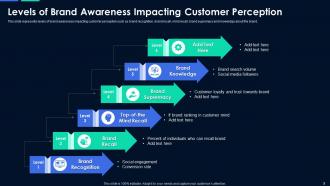
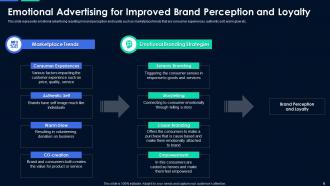
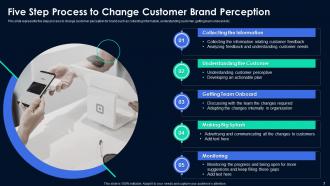
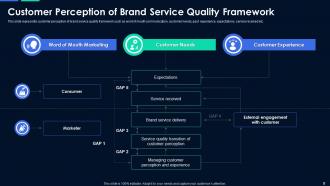
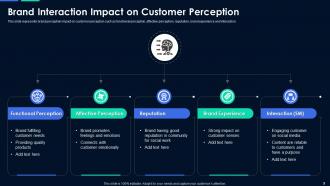
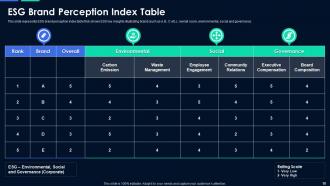
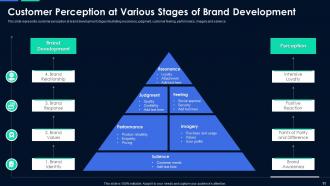
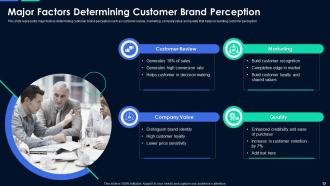






FAQs for Brand perception powerpoint
Key factors influencing brand perception include product quality, customer service experiences, brand messaging consistency, social media presence, and word-of-mouth recommendations. These elements work together by shaping consumer trust, emotional connections, and purchase decisions, with many companies finding that strategic alignment across all touchpoints ultimately delivers stronger customer loyalty and competitive advantage.
Brand visibility significantly impacts perception by increasing recognition, building trust through consistent exposure, and establishing market presence that differentiates companies from competitors. In crowded markets like retail or financial services, enhanced visibility through strategic marketing and consistent messaging enables businesses to capture consumer attention, reinforce credibility, and ultimately secure competitive advantage over less visible competitors.
Social media shapes brand perception through real-time customer interactions, viral content amplification, influencer partnerships, user-generated content, and direct brand storytelling capabilities. These platforms enable companies to humanize their brand voice, respond immediately to concerns, and showcase authentic customer experiences, while negative feedback can spread rapidly, ultimately requiring strategic social media management to maintain competitive advantage.
Customer experience fundamentally shapes long-term brand perception by creating emotional connections, building trust through consistent interactions, and generating lasting impressions that influence future purchase decisions. Through seamless service delivery, personalized touchpoints, and responsive support, organizations cultivate positive associations, strengthen customer loyalty, and enhance reputation, with many companies finding that superior experiences ultimately deliver competitive differentiation and sustained market advantage.
Customer feedback serves as a critical catalyst for redefining brand perception by revealing gaps between intended messaging and actual customer experiences, identifying emerging market expectations, and highlighting competitive differentiators. Through systematic feedback analysis, organizations across retail, hospitality, and financial services can strategically adjust their positioning, enhance service delivery, and ultimately transform negative perceptions into competitive advantages that drive customer loyalty.
Storytelling enhances brand perception by creating emotional connections, building trust through authentic narratives, and making complex messages memorable and relatable. Through compelling case studies, customer success stories, and vision-driven content, organizations transform presentations from data dumps into engaging experiences, with many companies finding that narrative-driven presentations significantly improve audience engagement and brand credibility.
Brand consistency significantly strengthens public perception by building trust, enhancing recognition, reinforcing brand values, and creating predictable customer experiences across all touchpoints. Through cohesive messaging and visual identity, organizations establish credibility and emotional connections with audiences, while consistent delivery of promises ultimately drives customer loyalty and competitive differentiation in increasingly crowded markets.
Marketing imagery significantly shapes brand perception by creating emotional connections, establishing visual identity, and conveying brand values through color schemes, composition, and subject matter. Professional, consistent imagery enhances credibility and trust, while inconsistent or poor-quality visuals can undermine brand authority, with many companies finding that strategic visual storytelling ultimately delivers stronger customer engagement and competitive differentiation.
Strategies to improve negative brand perception include transparent communication, proactive customer engagement, consistent quality improvements, strategic rebranding initiatives, and authentic corporate social responsibility programs. Through targeted public relations campaigns and genuine customer service enhancements, organizations can rebuild trust, demonstrate accountability, and shift market sentiment, with many companies finding that sustained transparency and community engagement ultimately deliver restored credibility and competitive advantage.
Cultural differences significantly affect brand perception through varying values, communication styles, aesthetic preferences, and consumer behaviors across global markets. Western brands often find that messaging emphasizing individualism resonates in North America but requires community-focused adaptation in Asian markets, while color symbolism, religious considerations, and local customs ultimately determine whether brands achieve authentic connection and competitive advantage internationally.
Influencer partnerships can significantly alter brand perception by enhancing credibility, expanding audience reach, humanizing brand messaging, and creating authentic emotional connections with target demographics. Through strategic collaborations, brands can reshape their image from traditional to trendy, exclusive to accessible, or corporate to relatable, with many companies finding that well-matched influencer partnerships ultimately deliver improved brand sentiment and increased consumer trust.
Pricing strategies significantly influence brand quality perceptions by creating psychological associations between cost and value, with premium pricing often signaling superior quality while value pricing emphasizes accessibility. Through strategic pricing positioning, brands like luxury retailers use high prices to enhance perceived exclusivity, while discount brands focus on functional benefits, ultimately delivering different market positioning and consumer expectations that align with their target audience's quality assumptions.
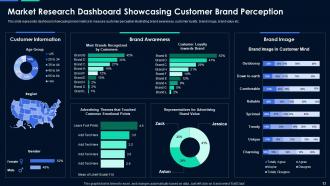
Brand perception directly influences brand loyalty by shaping how customers evaluate and connect emotionally with companies through consistent experiences, quality delivery, and value alignment. When organizations successfully manage their brand image through strategic messaging, reliable service, and authentic customer interactions, they cultivate stronger loyalty, with many businesses finding that positive perception increases retention rates and advocacy.
Data analytics measures brand perception through social media sentiment analysis, customer feedback tracking, brand mention monitoring, survey data analysis, and competitor benchmarking. These insights enable organizations to identify perception gaps, track reputation trends, and adjust marketing strategies accordingly, with many companies finding that data-driven brand management delivers improved customer loyalty, enhanced market positioning, and ultimately stronger competitive advantage in increasingly crowded marketplaces.
Common branding mistakes include inconsistent messaging across channels, poor visual design quality, ignoring customer feedback, misaligned brand promises with actual delivery, and inadequate crisis management responses. These pitfalls can be avoided by establishing clear brand guidelines, conducting regular perception audits, and maintaining consistent customer experiences, with many organizations finding that proactive brand monitoring and responsive communication strategies ultimately deliver stronger market positioning and customer loyalty.
-
Topic best represented with attractive design.
-
Appreciate the research and its presentable format.