


Brand reputation management powerpoint presentation slides




Try Before you Buy Download Free Sample Product
 Impress Your
 Audience
 100%
100% Editable
 Save Hours
 of Time


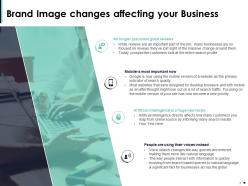
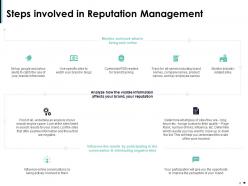
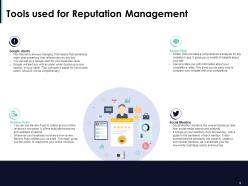
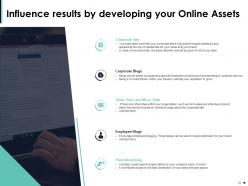
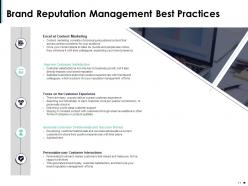
Increase the prestige of your company with these Brand Reputation Management PowerPoint Presentation Slides. Take the assistance of these brand association PowerPoint slideshow to portray the changes affecting business like artificial intelligence, search profile, etc. Take advantage of this perceived quality PowerPoint deck to show the components of brand reputation strategy like content marketing, SEO, website development, etc. Showcase the constituents of paid owned, and earned media such as traditional ads, brand content, press coverage, social media amongst others. Expound the reputation management process like setting up Google alerts, using specific sites, customizing readers, tracking brand names using these brand value PPT visuals. Demonstrate reputation management tools like Google alerts, review push, similar web, and social mention using these brand personality PPT infographics. Consistently develop your digital assets through corporate sites, blogs, paid advertising, microsites, etc. using these perceived quality PowerPoint templates. Download these amazing organizational value PPT graphics and engage with your clients in an effective manner.
People who downloaded this PowerPoint presentation also viewed the following :
Brand reputation management powerpoint presentation slides with all 22 slides:
Use our Brand Reputation Management Powerpoint Presentation Slides to effectively help you save your valuable time. They are readymade to fit into any presentation structure.
FAQs for Brand reputation management
You'll want three main things: monitoring, response plans, and creating good content ahead of time. Set up Google Alerts or Mention (both free) to track what people say about you online - social media, reviews, news, whatever. Most teams totally drop the ball here because nobody's actually watching lol. Create clear guidelines for who responds to what and how fast. The proactive stuff matters too though - regularly post content showing your values and happy customers. That way when something bad happens, there's already positive stuff out there. Honestly the monitoring part is where I'd start since you need to know what's being said first.
So these monitoring tools are basically like having eyes everywhere - they watch for mentions of your brand across all social platforms. Speed is huge here. You'll catch negative stuff before it blows up and can respond in hours instead of waiting forever. Plus you can spot influencers talking about you or catch trends early. I mean, without them you're just guessing what people are saying about your company. Set up alerts for your brand name and maybe key executives too. Then actually do something when alerts come in - that's the part most people mess up.
Honestly, customer feedback is what makes or breaks your reputation. Good reviews build trust fast. But here's what most people mess up - they freak out over negative feedback instead of seeing the opportunity. Quick, genuine responses to complaints actually make you look better than brands with zero bad reviews (which feels fake anyway). I'd monitor everything daily if I were you. Social media, Google, wherever people talk. Don't just respond when you feel like it - make it routine. The brands that really listen and engage authentically? Those are the ones people remember and recommend to friends.
Okay so first thing - respond fast and don't get defensive, that's where most people screw up. Just acknowledge what they're saying and if you actually messed up, own it. No excuses, just "sorry, here's how we'll fix this." I've watched businesses get all argumentative in the comments and it's painful to watch honestly. Try moving things to DMs when you can - like "hey, send us your info so we can sort this out." Shows everyone else you care but keeps the drama private. Most angry customers just want someone to actually listen to them anyway.
Honestly, you need both the numbers and the feelings stuff. I'd start with sentiment analysis - Brandwatch is solid but Google Alerts works too if you're on a budget. Track your NPS and customer satisfaction scores since they're pretty direct indicators. Share of voice against competitors is actually my go-to metric, super telling. Basic review ratings on Google and Yelp obviously matter. Social engagement rates too. Oh, and set up some kind of monthly dashboard to watch trends - way more useful than random data points here and there.
Honestly, testimonials are such a game changer for your brand. Put them right on your homepage and product pages where people can't miss them. Social media posts with customer quotes do really well too. Video testimonials are honestly the best - way more believable than just text reviews. Your sales team will love having case studies made from the good ones. Oh, and those quote graphics on LinkedIn? They get decent engagement. Just make sure they're specific, not that boring "great service" stuff everyone writes. I'd start by texting your favorite customers this week.
Honestly, reputation is everything when it comes to keeping customers around. People will stick with brands they trust, but the second you mess up - bad reviews, some drama - they're gone. It's wild how fast it happens. Good experiences create loyal customers who'll actually defend you to their friends, which is pretty cool. But man, one screw-up and years of building trust just evaporates. I'd definitely keep tabs on what people are saying about you online. Jump on issues quickly before they blow up into something bigger.
Okay so speed is everything here - respond in hours, not days. Own it immediately and don't hide behind corporate bullshit because people see right through that garbage. Acknowledge what went wrong, explain it if you actually know what happened, then lay out specific steps you're taking to fix things. You'll want someone monitoring social media 24/7 during this mess. Oh and definitely have legal review everything first - learned that one the hard way. But honestly? The real damage happens when you promise something and then completely flake on following through.
Look, people can spot fake authenticity from miles away - especially with sustainability stuff. You can't be like "we love the planet!" then dump chemicals everywhere. First, figure out what you actually stand for. Not what sounds good in meetings, but what you genuinely believe. Then go through all your messaging and see where it doesn't match up. Train everyone on your team so you're not sending mixed signals. Be honest about screwing up sometimes too. Nobody's perfect and pretending otherwise just makes you look sketchy. Actions first, big claims later. Trust me, real authenticity beats polished marketing BS every single time.
Okay so first things first - you've gotta own up to whatever happened. No beating around the bush, just straight accountability. After that, it's all about showing change through your actions, not just talking about it. Get on social media and actually engage with people who are pissed off. Find some influencers or organizations that don't suck and partner with them. Your own employees need to be singing your praises too, which honestly can be the trickiest part. Oh, and track sentiment metrics like crazy so you know if you're moving the needle. Just be ready to wait though - trust rebuilds painfully slow compared to how fast it disappears.
Your employees are basically walking billboards for your company. Happy workers naturally talk up their workplace and give way better customer service. I've seen this firsthand - when people actually like their jobs, it shows in every interaction. Customers pick up on that energy immediately. On the flip side? Miserable employees will trash your reputation so fast it'll make your head spin. Poor service, bad reviews, complaining on social media. People trust what employees say over corporate PR any day of the week. Make your team feel valued and their genuine excitement becomes your best marketing tool.
Honestly, influencer partnerships can totally transform how people see your brand. They're like having someone credible vouch for you to their followers. Way more authentic than regular ads, you know? But here's the thing - you gotta vet them super carefully because if they mess up, it reflects on you too. Don't just go for whoever has the most followers either. Find people whose values actually match yours. I'd probably start with micro-influencers in your space first - they usually have way better engagement and their audiences actually trust them more than these massive accounts.
Dude, cultural stuff can totally make or break your brand overseas. Colors, messaging, even your core values hit different depending on where you are. I've watched companies crush it in America then face-plant hard in Asian markets because they didn't bother adapting. Religious beliefs and social norms matter way more than people think. You gotta dig into each market's quirks before launching anything. Test with local focus groups first - seriously, don't skip this step. Also consider hiring regional teams who actually get the cultural context instead of just translating your US campaigns.
Set up Google Alerts for your company name and executives - seriously, most disasters could've been caught early with basic monitoring. Check review sites and forums too. Train your team on who handles what during a crisis (sounds boring but trust me). Oh, and build relationships with journalists NOW, not when everything's on fire. That's like trying to make friends at your own funeral. Draft some holding statements while you're not panicking. Monitor social media religiously. Having a actual plan beats winging it every time.
Honestly? Being transparent is huge for your brand's reputation. People can tell when you're being fake - social media makes everything blow up so fast these days. I've watched companies completely destroy themselves trying to hide stuff or give those vague corporate non-answers. Just be straight up about your processes and own your mistakes. Consumers actually respect that way more than perfect PR bullshit. My advice: get ahead of problems instead of letting people find out on their own. Clear, honest communication beats polished lies every single time.
-
Easy to edit slides with easy to understand instructions.
-
Content of slide is easy to understand and edit.
-
Very unique, user-friendly presentation interface.
-
Illustrative design with editable content. Exceptional value for money. Highly pleased with the product.