


Brand Equity Powerpoint Presentation Slides





Try Before you Buy Download Free Sample Product
 Impress Your
 Audience
 100%
100% Editable
 Save Hours
 of Time


Create value for your business brand for marinating the profitability of your business which is considered as an essential factor for all types of business as it is used for measuring your business success or failure over a period. Therefore, all you need for this is our brand equity PowerPoint presentation slides which help in explaining the brand value for your association. Make use of this PPT design to explain various benefits associated with the brand equity functions such as increases the customer loyalty, increases the business margins, improves more business opportunities for you , results in providing a competitive edge over other’s and many more. This brand equity presentation also results in proving a management tool to the business administration to make the effective customer satisfaction strategies for the business so that to increase their retention rate. Thus, start working over this exceptional PPT slide to offer an alluring PPT experience to the audiences. Complete the circle with our Brand Equity Powerpoint Presentation Slides. They will add that crucial bit.
People who downloaded this PowerPoint presentation also viewed the following :
Content of this Powerpoint Presentation
Slide 1: This slide introduces Brand Equity with imagery. You can state your company name here and get started with us.
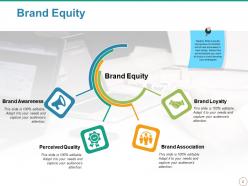
Slide 2: This slide shows Brand Equity with four basic factors that we have listed- Brand Awareness, Perceived Quality, Brand Association, Brand Loyalty. Select the prime factors you want to focus on and develop your strategies accordingly.
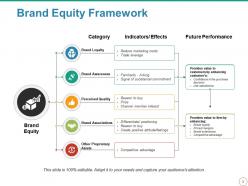
Slide 3: This slide shows Brand Equity Framework with three important divisions to state- Category, Indicators/ Effects, Future Performance. All of these divisions are further divided into parts which have also been showcased here.
Slide 4: This slide shows Brand Awareness with Awareness Pyramid. Identify your brand segment in this brand awareness pyramid and prepare short term and long term strategies to move up in the ladder.
Slide 5: This slide shows the perceived Brand Quality factors such as- Reason To Buy, Differentiation/Positioning, Premium Price.
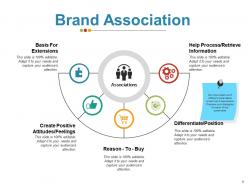
Slide 6: This slide shows Brand Association. We have listed out 5 different parameters under brand association. Prepare your strategies for each of these parameters.
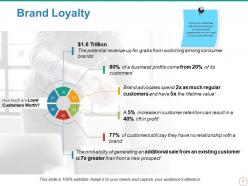
Slide 7: This slide shows Brand Loyalty. Input your inferences after brand tracking to provide a better perspective on how loyal is your customer base.
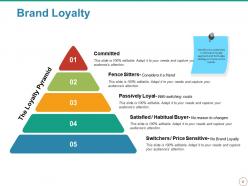
Slide 8: This slide shows Brand Loyalty using The Loyalty Pyramid. Identify your customers in the brand loyalty segment and formulate strategy to move up the ladder.
Slide 9: This slide shows four Stages Of Brand Development & Tracking Measures- Level of Development, Development Stage, Survey Measures, Strategic Emphasis.
Slide 10: This is Establish Brand Positioning slide. Evaluate the product on the basis of commonly used parameters listed here. You can also alter these as per your customer requirements.
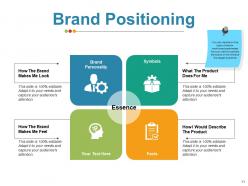
Slide 11: This slide shows Brand Positioning with certain parameters. You can decide on the basis of these parameters how you want to position the brand in the minds of the target audience.
Slide 12: This slide shows Brand Position with circles and text boxes. Move the circles and the text boxes as per your company’s product quality and value proposition.
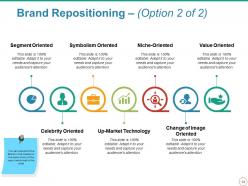
Slide 13: This slide shows different ways of Brand Repositioning. You can reposition the Brand in the market on the basis of any of the ways mentioned in this slide.
Slide 14: This slide also shows Brand Repositioning ways. Reposition the Brand in the market on the basis of any of the ways that we have mentioned.
Slide 15: This is a Coffee Break slide to halt. Alter the content as per your need.
Slide 16: This slide is titled Charts & Graphs to move forward. Alter the content as per your need.
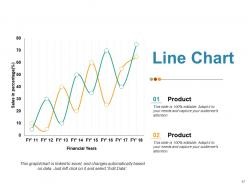
Slide 17: This slide presents a Line Chart for showcasing product/ company growth, comparison etc.
Slide 18: This slide presents an Area Chart for showcasing product/ company growth, comparison etc.
Slide 19: This is a Radar chart slide to show product/ entity growth, comparison etc.
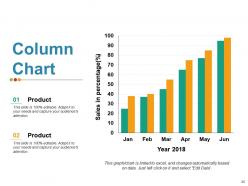
Slide 20: This slide showcases Column Chart which you can use to compare the products.
Slide 21: This slide is titled Additional Slides to move forward. You can change the slide content as per need.
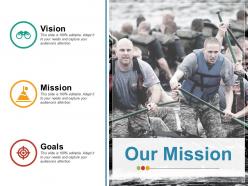
Slide 22: This is Our mission slide with imagery and text boxes to go with.
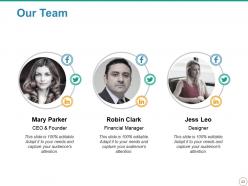
Slide 23: This is Our team slide with names and designation.
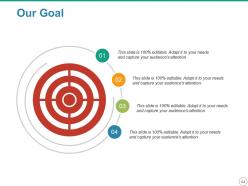
Slide 24: This is Our Goal slide. State your important goals here.
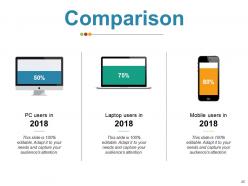
Slide 25: This is a Comparison slide to show comparison of entities/ products etc.
Slide 26: This is a Timeline slide to present important dates, journey, evolution, milestones etc.
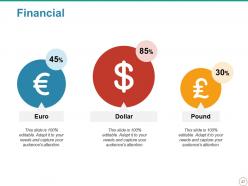
Slide 27: This slide is titled as Financials. Show finance related stuff here.
Slide 28: This is a Post It slide to mark events, important information etc.
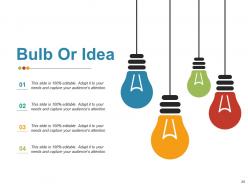
Slide 29: This is a Bulb Or Idea image slide to show ideas, innovative information etc.
Slide 30: This is a Thank You image slide with Address, Email and Contact number.
Brand Equity Powerpoint Presentation Slides with all 30 slides:
Establish your claim to being innovative with our Brand Equity Powerpoint Presentation Slides. Highlight your individual ingenuity.













FAQs for Brand Equity
Okay so there's four main things: brand awareness, perceived quality, brand associations, and customer loyalty. People need to instantly recognize your brand and actually trust it delivers. Positive mental connections matter too - like when customers think "quality" or whatever when they see your logo. Customer loyalty is honestly the holy grail though. That's when people pick you even if there's cheaper stuff out there. It's all connected - awareness builds those associations, quality keeps people coming back, and loyal customers basically become free marketing. Just stay consistent with what you promise and actually track how people see you, not how you think they do.
Okay so here's the deal - when people really trust your brand, they don't bail when competitors try to undercut you on price. Brand equity basically creates this loyalty bubble where customers will stick with you even if someone else has a flashy sale going on. I've seen it happen so many times. Strong brands have customers who actually defend them when things go sideways. The real trick is being consistent everywhere - your website, social media, customer service, all of it. That consistency builds up over time and suddenly you've got people who won't even consider switching. Way better than constantly fighting for new customers.
Honestly, brand equity measurement is way easier than people make it sound. Customer lifetime value comparisons are clutch - shows who's actually loyal vs just buying once. Brand awareness surveys help too, plus tracking what premium people will pay for your stuff over competitors. I'm obsessed with social listening tools lately for real-time sentiment (though the data can get overwhelming). Net Promoter Scores are solid. Market share tells the story financially. Don't try measuring everything though - pick 2-3 that actually matter for your business and stick with them consistently.
Your brand equity is basically what people think of you - that's it. When customers see you as quality or trustworthy, they'll pay more and stick around even when competitors have better deals. Crazy how perception beats reality most of the time, right? Every interaction shapes what they think too. So you've gotta stay on top of it through surveys, checking social media, reading reviews. Then actually change things based on what you learn. I mean, there's no point collecting feedback if you're just gonna ignore it.
Honestly, social media is terrifying and amazing at the same time. One viral complaint can destroy your reputation overnight. But when customers actually love you? They'll shout it from the rooftops. You've basically lost control of the narrative – people are talking whether you're there or not. The upside is huge though. You can actually talk to customers like they're real people, not just demographics on a spreadsheet. Build actual communities around your stuff. My advice? Don't just wait for disasters to happen. Stay on top of what people are saying and jump in with real responses, not corporate BS.
Look, here's the thing - stories stick way better than boring feature lists. There's actually research showing people remember stories 22x more than plain facts (crazy, right?). When you share real stories about why you started your company or how customers' lives changed, that's gold. Competitors can copy your product, but they can't steal your authentic experiences. Plus customers will pay more when they connect emotionally. They're not just buying your thing - they're buying into what it represents. Find one genuine story that shows what you actually stand for. That becomes your foundation for everything else.
Honestly, the brands I actually remember are ones that made me feel something real, not just tried selling me stuff. Quality has to be consistent everywhere - your website, store, customer service, all of it. Tell stories that connect emotionally and actually mean something to people. Customer service is huge too (learned this the hard way). Make sure your visual stuff looks the same across everything so people recognize you instantly. Oh, and definitely check where your brand experience feels off right now - that's probably where you're losing people. Most important thing though? Do what you say you'll do, every time.
So basically when your brand is solid, people will happily pay more for your stuff. It's wild how much extra customers shell out just because they trust you - look at Apple vs some random laptop brand. Your costs stay pretty much the same, but suddenly you can charge premium prices. Short sentences work. The profit margins get way better because people genuinely believe your product is worth it. Even when competitors try to undercut you with cheaper options, loyal customers stick around. Honestly, the trick is just being consistent with what you promise. Don't mess that up and you'll keep that pricing power.
So here's the deal with brand equity and customer experience - they're basically feeding off each other constantly. Good experiences build trust, get people talking about you, and honestly? They'll pay more too. Screw up consistently though and you're watching all that goodwill disappear. The flip side is kinda interesting - when you've got solid brand equity, customers expect way more from you. It's like being the popular kid in school, suddenly everyone's watching. Bottom line: nail those customer touchpoints every single time, because each one either builds you up or tears you down.
Honestly, M&As are risky for brand equity - it really depends how you play it. Acquiring a weaker brand? You might accidentally water down what you've built if customers think you're dropping in quality. But grabbing a strong brand that fits well can actually boost your value. Here's the thing though - that transition period is brutal. Customers get totally lost about what you even represent anymore. I've seen companies mess this up so badly. You gotta nail your brand message from the start and keep hammering it home, otherwise you'll end up in this weird limbo that hurts everyone.
Start with brand awareness and NPS - they're pretty straightforward to measure and give you a good foundation. Customer loyalty rates matter too, along with how much people will pay extra for your brand vs competitors. Survey fatigue is definitely a thing right now (I'm so tired of getting them myself), but the insights are still worth it. Brand perception surveys help you understand what people actually think about you. On the numbers side, track market share shifts and brand valuation if you can swing it. Net promoter score tells you who's actually recommending you to friends.
Look, cultural relevance can totally make or break your brand in different markets. McDonald's nails this - they actually change their menu for each country instead of just forcing the same stuff everywhere. Smart move. When you connect with local values and traditions, people form real emotional bonds with your brand. Ignore those cultural nuances though? You'll come across as completely tone-deaf and your brand equity will tank fast. The trick is adapting to local contexts while keeping your core identity intact. I'd definitely start by figuring out what actually matters to your audience in each market first.
Your brand gets way stronger when customers see you as the company that's always ahead of the curve. People start trusting you'll keep bringing them good stuff when you consistently roll out new solutions or make existing products better. Honestly, it's kinda like being that friend who discovers the best restaurants before everyone else does. Plus, innovation sets you apart from competitors who are just doing the same boring thing over and over. The trick though? Make sure you're actually solving real problems for people, not just being weird for no reason.
Oh man, yeah - bad PR can completely destroy your brand equity super fast. Once people lose trust, they start linking your brand to all the wrong feelings. Customer loyalty tanks. Nobody wants to pay premium prices anymore. Your whole brand value just crashes. Social media makes everything ten times worse too since drama spreads instantly now. Honestly, the best thing you can do is prep a crisis plan before anything goes wrong. By the time you're scrambling to fix things, you're already screwed. It's wild how quickly years of building can get wiped out.
Dude, brand equity is HUGE right now. People have infinite options online and they're making snap decisions in like 3 seconds - it's wild. Your brand basically decides if someone picks you or scrolls past to a competitor. Strong brands get people talking and sharing stuff organically, which is honestly the best marketing you can get. You can also charge more even when customers are price-shopping everywhere. The key thing? Make sure your brand feels consistent wherever people find you online. That's what actually builds loyalty and keeps customers coming back long-term.
-
Informative presentations that are easily editable.
-
Excellent work done on template design and graphics.