


Building AML and Transaction Monitoring Framework powerpoint presentation slides




Try Before you Buy Download Free Sample Product
 Impress Your
 Audience
 100%
100% Editable
 Save Hours
 of Time


AML compliance helps mitigate risks and maintain the financial systems integrity. Check out our Building AML and Transaction Monitoring Framework template. It offers details on the significance, advantages, process flow, market statistics, and the timeline for execution of transaction monitoring. Our AML System deck compares and contrasts manual and automated methods of transaction monitoring. Additionally, it provides tips for improving transaction monitoring systems that can assist financial organizations and businesses lower risks and reducing money laundering and other financial crimes. Customer segmentation, suspicious activity reporting SAR, money laundering prevention techniques, threshold management, behavioral analytics, alerts management, know your customer KYC, MIS reporting, transaction tracking tools, etc. are some of these. Our TM System PPT outlines the financial security departments roles, tasks, training schedule, communication schedule, etc. Lastly, it displays metrics, effect analysis, costs, KPI dashboards, and other transaction monitoring related information. Get access right away.
People who downloaded this PowerPoint presentation also viewed the following :
Content of this Powerpoint Presentation
Slide 1: This slide introduces Building AML and Transaction Monitoring Framework. Commence by stating Your Company Name.
Slide 2: This slide depicts the Agenda of the presentation.
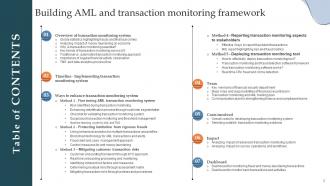
Slide 3: This slide incorporates the Table of Contents.
Slide 4: This slide highlights the Title for the Topics to be covered further.
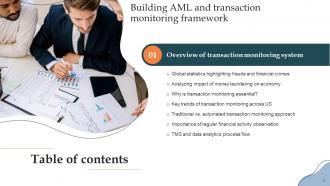
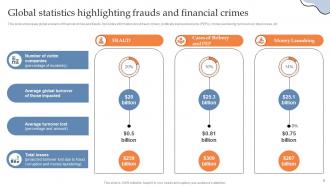
Slide 5: This slide showcases global scenario of financial crimes and frauds.
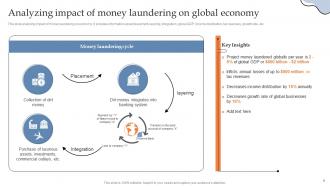
Slide 6: This slide deals with Analyzing impact of money laundering on global economy.
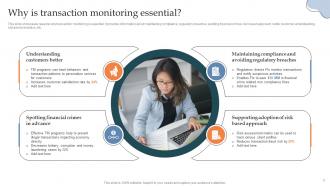
Slide 7: This slide highlights the reasons why transaction monitoring is essential.
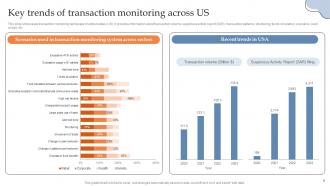
Slide 8: This slide portrays the Key trends of transaction monitoring across US.
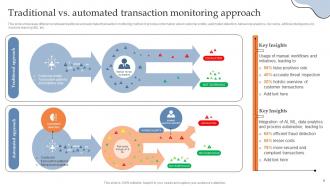
Slide 9: This slide states the difference between traditional and automated transaction monitoring method.
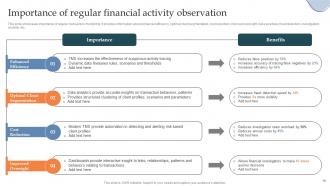
Slide 10: This slide mentions the Importance of regular financial activity observation.
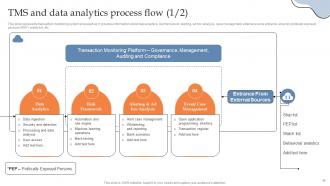
Slide 11: This slide reveals the transaction monitoring system process flow.
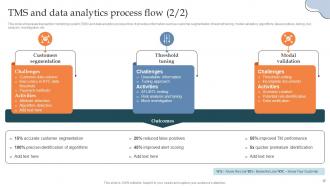
Slide 12: This slide continues the TMS and data analytics process flow.
Slide 13: This slide indicates the Heading for the Contents to be discussed next.
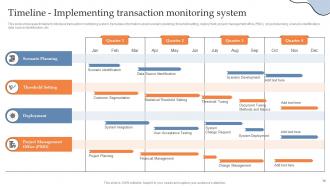
Slide 14: This slide displays the timeline to introduce transaction monitoring system.
Slide 15: This slide depicts the Title for the Ideas to be covered in the upcoming template.
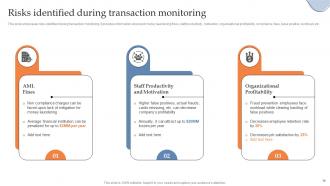
Slide 16: This slide talks about the Risks identified during transaction monitoring.
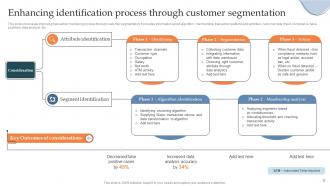
Slide 17: This slide focuses on Enhancing identification process through customer segmentation.
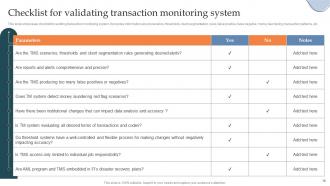
Slide 18: This slide depicts the Checklist for validating transaction monitoring system.
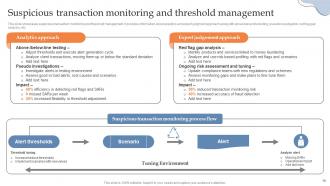
Slide 19: This slide showcases suspicious transaction monitoring and threshold management.
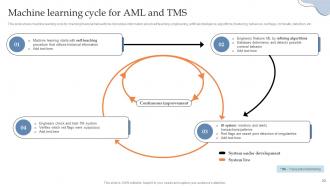
Slide 20: This slide highlights the Machine learning cycle for AML and TMS.
Slide 21: This slide displays the Heading for the Contents to be discussed in the forth-coming template.
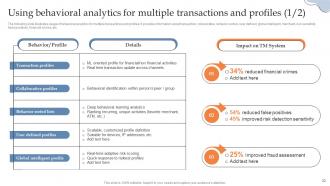
Slide 22: The following slide illustrates usage of behavioral analytics for multiple transactions and profiles.
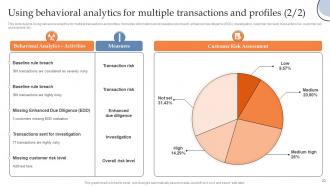
Slide 23: This slide continues the topic of Using behavioral analytics for multiple transactions and profiles.
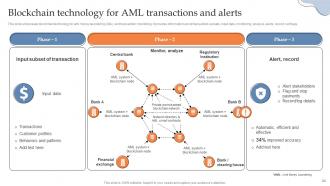
Slide 24: This slide shows the blockchain technology for anti money laundering (AML) and transaction monitoring.
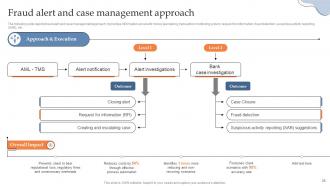
Slide 25: This slide states the Fraud alert and case management approach.
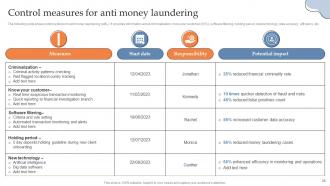
Slide 26: This slide exhibits the Control measures for anti money laundering.
Slide 27: This slide presents the Title for the Components to be covered in the next template.
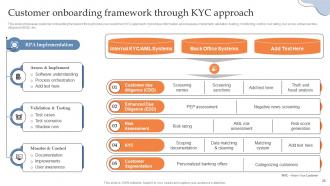
Slide 28: This slide mentions about the Customer onboarding framework through KYC approach.
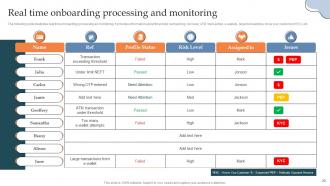
Slide 29: The following slide illustrates real time onboarding, processing an monitoring.
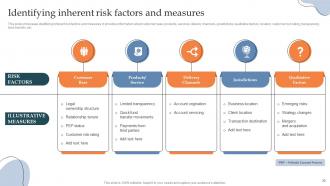
Slide 30: This slide talks about Identifying inherent risk factors and measures.
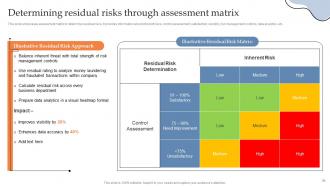
Slide 31: This slide deals with Determining residual risks through assessment matrix.
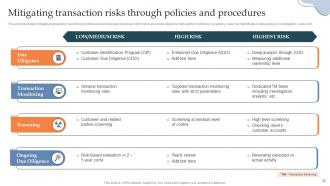
Slide 32: This slide portrays the mitigating transaction risks through policies and procedures.
Slide 33: This slide indicates the Heading for the Components to be discussed further.
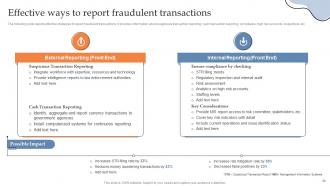
Slide 34: The following slide depicts effective strategies to report fraudulent transactions.
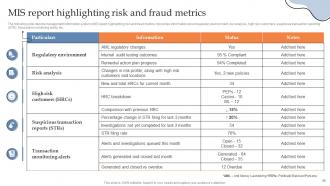
Slide 35: This slide shows the MIS report highlighting risk and fraud metrics.
Slide 36: This slide highlights the Title for the Ideas to be covered in the upcoming template.
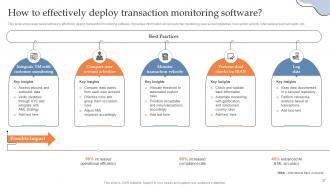
Slide 37: This slide showcases best practices to effectively deploy transaction monitoring software.
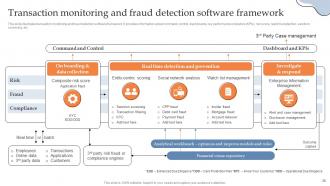
Slide 38: This slide illustrates transaction monitoring and fraud detection software framework.
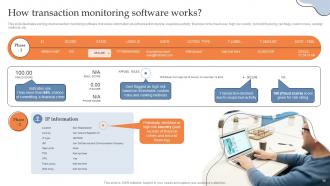
Slide 39: This slide reveals the working of a transaction monitoring software.
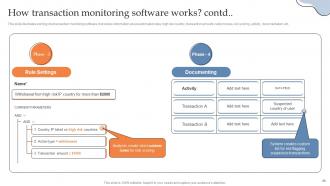
Slide 40: This slide displays the working of a transaction monitoring software.
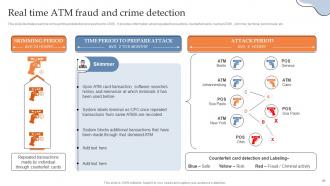
Slide 41: This slide portrays the Real time ATM fraud and crime detection.
Slide 42: This slide depicts the Heading for the Ideas to be discussed next.
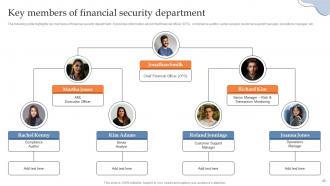
Slide 43: This slide talks about the Key members of financial security department.
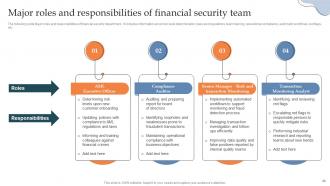
Slide 44: This slide states the Major roles and responsibilities of financial security team.
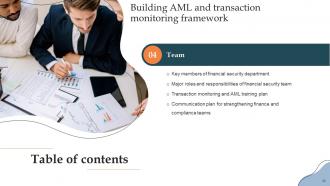
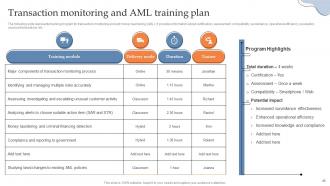
Slide 45: The following slide represents training program for transaction monitoring and anti money laundering (AML).
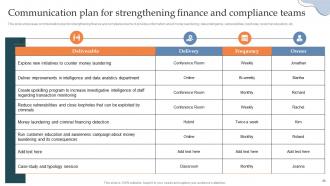
Slide 46: This slide elucidates the Communication plan for strengthening finance and compliance teams.
Slide 47: This slide shows the Title for the Contents to be further covered.
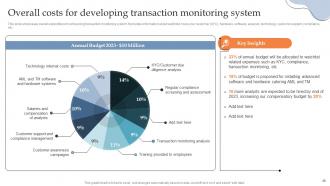
Slide 48: This slide emphasizes on the Overall costs for developing transaction monitoring system.
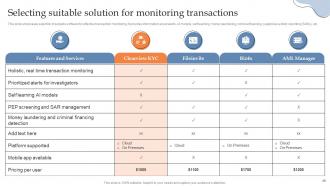
Slide 49: This slide deals with the Selecting suitable solution for monitoring transactions.
Slide 50: This slide highlights the Heading for the Topics to be discussed in the following template.
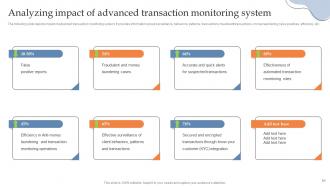
Slide 51: The following slide depicts impact of advanced transaction monitoring system.
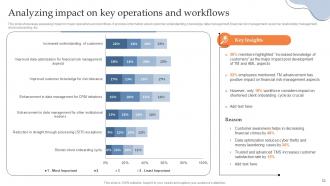
Slide 52: This slide emphasizes on Analyzing impact on key operations and workflows.
Slide 53: This slide represents the Title for the Ideas to be further covered.
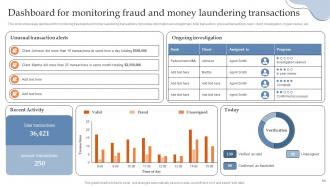
Slide 54: This slide displays the Dashboard for monitoring fraud and money laundering transactions.
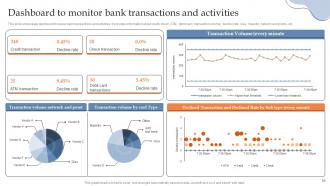
Slide 55: This slide showcases dashboard to review bank transactions and activities.
Slide 56: This is the Icons slide containing all the Icons used in the plan.
Slide 57: This slide is used for depicting Additional information.
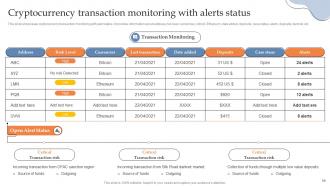
Slide 58: This slide highlights cryptocurrency transaction monitoring with alert status.
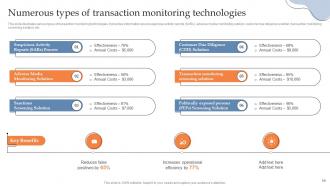
Slide 59: This slide illustrates various types of transaction monitoring technologies.
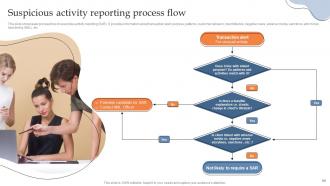
Slide 60: This slide reveals the process flow of suspicious activity reporting (SAR).
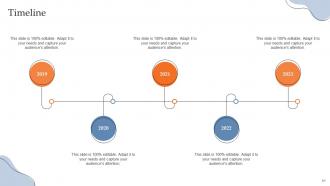
Slide 61: This slide displays the Company Timeline.
Slide 62: This slide represents the Mind map.
Slide 63: This is the 30,60,90 days plan sldie for effective planning.
Slide 64: This is the Idea generation slide for encouraging innovative ideas.
Slide 65: This is the Venn diagram slide.
Slide 66: This is Our goal slide for elucidating the organizational goals.
Slide 67: This is the Thank You slide for acknowledgement.
Building AML and Transaction Monitoring Framework powerpoint presentation slides with all 72 slides:
Use our Building AML and Transaction Monitoring Framework powerpoint presentation slides to effectively help you save your valuable time. They are readymade to fit into any presentation structure.










FAQs for Building AML and Transaction Monitoring Framework
You need scenario-based rules, real-time monitoring, case management workflows, and solid reporting tools. Rules should catch stuff like structuring, velocity issues, geographic red flags - but honestly, tuning without a million false positives is brutal. Good data quality controls are crucial for feeding your system. Analytics help with trends and regulatory reports. The big thing though? Your investigation team has to actually be able to work with the alerts efficiently. I'd focus hard on user-friendly case management - doesn't matter how smart your rules are if investigators can't navigate the interface smoothly.
Start by figuring out what risks actually matter for your industry. Correspondent banking? Set tighter limits on wires to sketchy countries. Running a casino? Watch for people dumping cash in and yanking it right back out. Don't just use whatever generic settings came with your system - honestly, that's what everyone does and it's pretty useless. Tweak your thresholds and how you group customers based on real threats you're seeing. Oh, and check your false positive rates every quarter or so. That'll tell you if your tweaks are actually helping or just making more work for everyone.
So ML is basically like having a super smart assistant that catches stuff your regular rules miss. It looks at tons of data points at once and figures out what's normal for each customer. False positives drop big time - which honestly is a game changer because those are such a pain. The cool part? It actually gets better as your investigators give it feedback. Weird money laundering patterns that would slip past traditional systems get flagged. Oh, and don't jump straight into real-time - start with analyzing past transactions first, then work your way up once everyone's used to it.
False positives are a huge pain for AML systems. Your investigators waste tons of time chasing down legit transactions that got flagged by mistake. Teams get swamped with useless alerts while actual suspicious activity slips through the cracks. It's honestly backwards - you're trying to catch bad guys but end up drowning in paperwork instead. Compliance costs go through the roof too. The trick is tweaking your detection rules regularly so they're not so trigger-happy. Otherwise you'll burn out your analysts and miss the stuff that actually matters.
Track your true positive rate first - that's how many suspicious activities you're actually catching. False positives are honestly the worst part of this job because your team will get buried in useless alerts. Also measure SAR conversion rates and how long investigations take. I'd throw in some coverage metrics too so you know your scenarios are watching the right transaction types. Staff productivity per analyst matters, plus case closure rates. Oh, and definitely track alert investigation times - that one's big for showing efficiency. Start there and add more later.
Quarterly updates are pretty standard, though honestly regulations move so fast it feels impossible sometimes. Most banks I know do quarterly rule reviews and then bigger overhauls once a year. But here's the thing - you can't just wait for those scheduled times. Check regulatory announcements monthly because some stuff needs immediate fixes. FATF updates, local guidance, industry changes - set reminders for all of it. Trust me, finding out you're behind during an audit is way worse than staying on top of it. Your compliance people will definitely appreciate the heads up too.
Oh man, data silos are the worst part honestly. Your monitoring system can't talk to KYC or case management, so people just copy-paste stuff all day. Alerts go off before customer info gets updated - hello false positives. Different teams have their own weird processes and risk scores that don't match up. Regulatory reports become this nightmare when formats clash between platforms. I'd map out how your data actually moves first (or doesn't move, more likely) and find where things get stuck or duplicated.
So basically these systems watch your payments as they happen, using rules and AI to spot weird stuff right away. They'll catch things like someone firing off tons of transactions super fast or sending money to sketchy countries. Picture it like a security camera that actually pays attention, you know? The tricky part is getting your settings right - crank them too high and you'll get buried in false alarms. Too low and the real bad guys slip through. I'd set up your alerts by risk level so your team tackles the scariest stuff first instead of wasting time on nothing.
Start with mapping your full risk profile - customer types, products, channels, geography. Document everything (auditors eat that up). Segment customers by risk levels and set your monitoring thresholds to match. Update risk assessments regularly - can't just do them once and call it done. Being granular enough to catch real risks without drowning in false positives is honestly the trickiest part. I'd recalibrate quarterly and always back up your assumptions with actual transaction data. That quarterly timeline works well in my experience.
So here's what works - dig into your historical data to spot patterns and build customer behavior baselines. ML algorithms are way better than basic rules at catching weird stuff like timing changes or sketchy counterparty connections. Clean data from multiple sources is crucial though. I saw one team drop alerts by 40% AND catch more bad actors just by doing proper customer segmentation and risk scoring. Honestly, start by looking at where your current false positives come from - it'll show you exactly where your rule-based system is screwing up and help you figure out your next move.
So GDPR basically throws a wrench into your transaction monitoring setup. You can't just hoard customer data forever anymore - need solid retention policies and the ability to delete stuff when people ask (though AML holds usually trump that). Document why you're processing the data, keep your monitoring rules tight, and be upfront about how you're using transaction info. Honestly, the hardest part is building systems that handle both frameworks without breaking either one. Get your legal and compliance folks talking about retention schedules from day one or you'll regret it later.
Dude, you'd be amazed how much better transaction monitoring works when compliance and IT actually collaborate instead of staying in their own bubbles. IT gets the tech constraints and can tweak performance. Compliance knows the regs and can catch those annoying false positives. Have them meet monthly to go over alert quality together - compliance explains which alerts actually matter, IT breaks down what they can realistically monitor live. Honestly, most places I've seen keep these teams way too separated. It's such a simple fix but makes a huge difference.
Honestly, real case studies hit different than boring generic modules. Show people actual million-dollar fines from missed red flags - that'll wake them up fast. Tailor scenarios to specific roles too since fraud analysts need totally different skills than customer service folks. Don't forget regular refreshers because regulations shift all the time (and let's be real, people zone out). Quick reference guides they can actually grab when needed are clutch. The whole trick is making it feel like part of their actual job, not just some compliance thing to suffer through.
Shoot for like 80-90% automation on the basic, high-volume stuff. Let your systems catch the obvious red flags and do initial screening. But don't go crazy trying to automate everything - I've watched teams crash and burn doing that. Some sketchy activity just needs a human gut check, you know? Keep your analysts focused on the weird edge cases that need actual judgment calls. Set up clear rules for when things get kicked upstairs to human review. And make sure your people can override the system when something smells fishy, even if they can't totally explain why yet.
Honestly, AI and machine learning are total game-changers for this stuff. They catch weird patterns without bombarding you with false alerts like the old systems do. Real-time processing is huge too - you'll spot sketchy activity instantly instead of finding out hours later. Graph analytics maps out those complex relationship webs that rule-based systems completely miss. Oh, and natural language processing helps analyze news feeds and social media data now, which is pretty neat. Start with AI for reducing false positives though - that's your easiest win to show the bosses.
-
The design is clean-cut, modern, and sleek, keeping the users' needs in mind. The multiple uses make this product worth every penny!
-
Professional and unique presentations.