


Business activity powerpoint slides presentation examples





Try Before you Buy Download Free Sample Product
 Impress Your
 Audience
 100%
100% Editable
 Save Hours
 of Time


Our Business Activity Powerpoint Slides Presentation Examples are comfortable in any environment. They adjust to all conditions.
People who downloaded this PowerPoint presentation also viewed the following :
Business activity powerpoint slides presentation examples with all 5 slides:
Encourage generosity with our Business Activity Powerpoint Slides Presentation Examples. Give them cause to show they care.
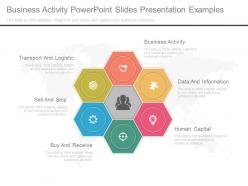


FAQs for Business activity powerpoint
You gotta really know your customers' actual problems, not what you think they are. Most businesses are way off here tbh. Solve real issues consistently and people will stick around. Having a solid online presence isn't optional anymore - seriously, I've seen tiny local shops crush it on social while big companies look clueless. Stay flexible because everything changes fast. Don't just chase sales; build actual relationships. Oh and manage your money properly, obviously. The winners right now? They listen to feedback and aren't afraid to change direction when something's not working.
Honestly, skip the vanity metrics that just make your dashboards look pretty. Start with 3-5 KPIs that actually move the needle - revenue per employee, customer acquisition costs, conversion rates, whatever fits your business. I'd mix leading indicators (the stuff that predicts what's coming) with lagging ones (results that already happened). Monthly or quarterly reviews work great for catching trends early. The worst thing you can do is drown yourself in data that doesn't matter. Pick metrics that connect to real money and stick with those.
Innovation keeps your business from getting left behind, honestly. You improve processes, create new products, find better ways to help customers - all of that makes you more efficient and valuable. It's like when you finally upgrade your ancient phone and everything just works better. You'll streamline stuff, cut costs, pull in new customers while competitors are still doing things the slow way. Oh, and here's a practical tip - look for whatever process in your workflow feels super clunky right now. That's usually where you should start innovating first.
Oh man, cultural stuff makes SUCH a huge difference in business. Germans love being direct - what they see as efficient, Japanese people might find totally rude since they're all about building consensus first. Time's another big one. I bombed my first international call by being "fashionably late" to what turned out to be a very punctual culture lol. Your marketing can backfire too - colors, messages, even product features mean completely different things depending where you are. Honestly? Partner with locals who actually get the nuances. Don't just wing it.
Honestly, most businesses waste so much time on redundant stuff it's crazy. Map out what you're actually doing first - you'll probably find tons of bottlenecks. Automate the boring repetitive tasks and get tools that fix real problems (not ones that just look fancy). Your team needs proper training too, plus clear ways to communicate. Short bursts work better than long meetings, trust me. The real game-changer though? Review your operations regularly so you catch issues early instead of dealing with expensive meltdowns later.
Honestly, you can't ignore sustainability anymore - customers actually care about this stuff now. Investors are all over ESG metrics too. Even random local businesses are jumping on it (my neighborhood coffee place just went carbon-neutral, which is kinda wild). Companies that don't adapt are literally getting left behind. The smart ones aren't just slapping green labels on everything - they're baking it into their actual strategy. If you're starting anything new, think about environmental impact right from the start. Way easier than trying to fix it later when you're already locked into bad practices.
Honestly, the biggest pain points are usually money and people being resistant to change. Your team will probably push back - they're already swamped and worried about extra work piling on. Can't really blame them. Budget constraints are killer too, plus most places don't train properly or explain WHY things need to change. Timeline pressure just makes everything ten times worse. Here's what actually works though: start small with a pilot program. Get your people involved in planning from the beginning - way easier to get buy-in when they feel heard.
Honestly, tech is a game-changer for getting rid of all that tedious stuff you hate doing. You can automate invoicing, scheduling, inventory - whatever's eating up your time. Cloud tools are great because your team can work from literally anywhere (I'm still amazed by this sometimes). Real-time analytics show you what's actually moving the needle vs. what's just wasting money. The trick is don't go crazy trying to fix everything at once. Pick your biggest headache first and solve that. Once you see how much time you get back, you'll want to automate everything else.
Honestly, just ask yourself "who gets screwed over by this decision?" before you do anything major. Pay your people fairly, don't lie to customers, and yeah - environmental stuff matters since we're all stuck on this rock together. Data privacy is big too if you're collecting info on people. Oh, and watch out for bias in hiring - that stuff adds up fast. I know it sounds preachy, but it's not really about avoiding lawsuits. Companies that think long-term about this stuff just... last longer? Plus customers can smell BS from miles away these days.
Honestly, partnerships are clutch because you can tap into what other companies do well instead of trying to build everything yourself. Like getting into new markets or borrowing their expertise when you're missing key skills. Splitting costs is nice too - way less risky than going solo. The trick is finding companies that want similar outcomes but aren't trying to do exactly what you do. I'd start by listing what you need vs what you bring to the table. Then hunt for spots where you both win something meaningful from the deal.
Honestly, just pick the metrics that actually move the needle for your business. Revenue growth, customer acquisition cost, and lifetime value are your heavy hitters. Profit margins too - duh. After that, look at conversion rates and customer satisfaction scores. Maybe employee productivity if that's relevant to your thing. Don't go crazy tracking 20 different numbers though - you'll lose focus. Five to seven max. Figure out what "winning" looks like first, then find the metrics that'll tell you if you're getting there. Way easier than drowning in data you don't need.
Dude, engaged employees are total game-changers. They'll catch mistakes early, pitch better ideas, and actually care about doing good work. Compare that to people just phoning it in - the difference is huge. You get way better customer service, fewer screw-ups, and people who solve problems instead of creating them. Honestly, I've seen teams transform just from small changes. Start simple though - ask what's bugging them or what tools they need. Sometimes it's something stupid like outdated software that's killing morale.
Honestly, just figure out what you actually need to know first - like are you trying to understand pricing or customer pain points? Mix it up with surveys and talking to real customers, plus grab some industry reports. I always tell people to dig into their existing data before anything else though. Your sales numbers probably already have half the answers sitting right there. The key thing is setting a hard deadline because otherwise you'll research forever and never actually do anything with it. Trust me, I've been there - analysis paralysis is real.
Ugh, regulatory changes are the worst - they make you rethink everything from budget to timelines. Build compliance costs into your planning upfront, don't try to squeeze them in later. Approvals take forever now, so pad your schedules. I learned this the hard way on a project last year. Smart companies track proposed regulations before they hit, not after. Set up regular reviews as part of your normal business intel routine. Oh, and always build buffer time into big projects - trust me on this one. Way better than scrambling when new rules drop.
Look, customer feedback is literally your cheat sheet for fixing what's broken in your business. They'll tell you straight up what sucks and what doesn't - way more honest than any internal meeting. Sometimes the criticism stings, but that's usually where the gold is. You can spot trends, figure out which features people actually use, and stop wasting money on stuff nobody cares about. Just don't be one of those companies that asks for feedback then ignores it completely. Set up different ways for people to reach you, then actually do something with what they say. It's probably the fastest way to stay ahead of competitors who aren't listening.
-
Great designs, Easily Editable.
-
Great experience, I would definitely use your services further.