


Diapositivas de presentación de PowerPoint sobre ética empresarial




Try Before you Buy Download Free Sample Product
 Impress Your
 Audience
 100%
100% Editable
 Save Hours
 of Time


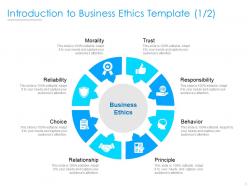
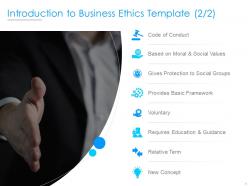
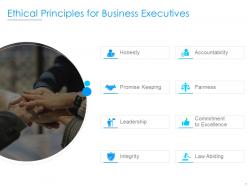
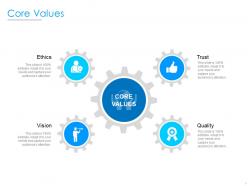
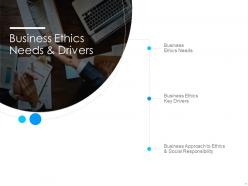
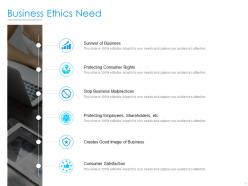
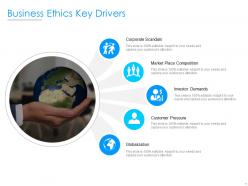
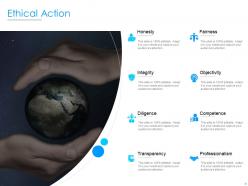
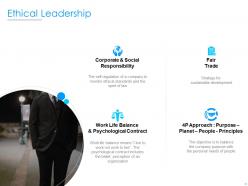
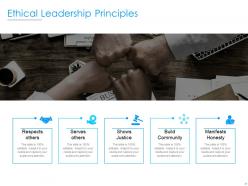
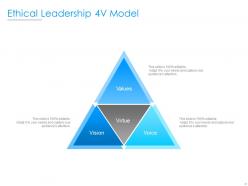
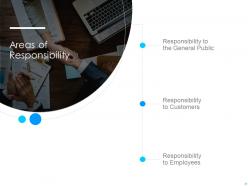
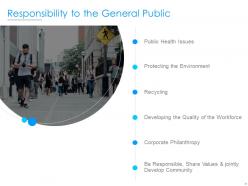
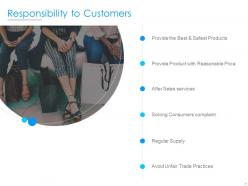
Muestra los problemas éticos que podrían surgir en un entorno profesional con estas Diapositivas de Presentación de PowerPoint sobre Ética Empresarial. Aprovecha estas plantillas de PPT de ética corporativa para mostrar principios éticos como la honestidad, la rendición de cuentas, la integridad, la excelencia, el liderazgo, etc. Utiliza estas diapositivas de PowerPoint de gobierno corporativo para representar los valores fundamentales de la ética, la confianza, la visión y la calidad. Utiliza estos diseños de PPT de moralidad para revelar la necesidad de la ética empresarial, incluida la protección de los derechos del consumidor, la satisfacción del consumidor, la protección de los intereses de los grupos de interés, etc. Presenta los principales impulsores de la ética, como la presión de los clientes, la globalización, las demandas de los inversores, la competencia en el mercado y los escándalos corporativos. Además, describe los componentes de la ética empresarial que son inevitables para las organizaciones, como la honestidad, la integridad, la imparcialidad y la objetividad, utilizando este conjunto de diapositivas de PowerPoint sobre principios éticos. Revela las responsabilidades de las empresas hacia el público en general, los clientes y los empleados utilizando estos gráficos de PPT de código de conducta. Ilustra los principios de liderazgo ético y explica el modelo de liderazgo de 4 V. Descarga esta presentación de PowerPoint sobre ética corporativa para garantizar la integridad de tu organización.
People who downloaded this PowerPoint presentation also viewed the following :
Contenido de esta presentación de Powerpoint
La innovación es un insumo esencial para el éxito y crecimiento de los negocios. Sin embargo, también traen consigo una tendencia a tomar atajos o incurrir en faltas éticas. Con el rápido cambio del entorno empresarial y la adopción de avances tecnológicos, desde el reconocimiento facial hasta la inteligencia artificial, las empresas enfrentan más dilemas éticos que antes. Esta es la razón por la que la ética se ha convertido en una función empresarial esencial, al igual que el marketing y las finanzas.
Para administrar un negocio exitoso, un empresario necesita seguir reglas y principios específicos. Aquí es donde entra el papel de la ética empresarial. En términos simples, la ética empresarial son los estándares o principios utilizados para guiar la toma de decisiones. Generalmente, las empresas la establecen para promover la integridad entre los empleados y generar confianza con los consumidores e inversores.
¿Está preocupado por la reputación de su empresa? No se preocupe. Una empresa seguramente funcionará correctamente, protegiendo a sus empleados y clientes. Las operaciones éticas de un negocio aseguran la rentabilidad tanto a corto como a largo plazo.
La ética empresarial juega un papel crucial en el éxito a largo plazo de un negocio. Por lo tanto, debe adherirse a los métodos, herramientas y marcos de la ética empresarial para tomar decisiones tecnológicas correctas.
Presentación de diapositivas de PowerPoint sobre ética empresarial con las 42 diapositivas.
Utiliza nuestras Diapositivas de Presentación de Ética Empresarial para ahorrar valioso tiempo de manera efectiva. Están listas para adaptarse a cualquier estructura de presentación.

FAQs for Business Ethics
Honestly, corporate values are like your company's moral compass - they should guide how everyone acts and makes choices. But here's the thing: they're completely useless if leadership doesn't actually follow them. You can't just slap inspirational words on the wall and call it a day. What really matters is whether you're rewarding behavior that matches those values. Like, are you promoting people who embody them? If there's a disconnect between what you preach and what you actually do, employees will notice fast. Want better ethics? Start by checking if your daily operations actually reflect what you claim to stand for.
Don't just stick ethics in some manual people will never open. During onboarding, walk them through real situations they'll actually encounter—show what good choices look like. Honestly, those yearly training sessions are pretty useless. Instead, bring it up in regular team meetings. Your managers have to actually walk the walk and praise people when they make solid ethical calls. The whole point is making it feel normal, not like this separate "ethics thing." Oh, and try weaving it into your usual project check-ins too.
Dude, cutting corners on ethics is such a bad idea. Legal troubles and fines are just the beginning - your reputation gets trashed and customers bail fast. Social media makes everything worse now too. Employees start checking out or straight up quit, regulators come sniffing around... it's a nightmare. The money you lose is brutal, but honestly the brand damage lasts forever. Oh and rebuilding trust? Takes years. Way better to just do things right from day one than deal with that mess later. Trust me on this one.
Yeah totally! Build ethics right into your business from day one instead of slapping it on later. Sustainable profits actually come from doing the right thing - customers stay loyal, employees don't quit every five minutes, and you won't get hammered by some scandal. My old boss learned that the hard way. Think of ethics as your secret weapon, not something that costs money. Find spots where your values match profitable moves, like being transparent about your supply chain or actually investing in your people. Shareholders love returns that last.
Dude, it really comes down to setting the example. When you're upfront about screwing up and treat everyone fairly, people notice. They start doing the same thing - it's weird how that works. Your team watches what you actually do way more than what you say in meetings. Honestly, I think most people want to do the right thing anyway, they just need to see it's okay. Be consistent with your values and don't be fake about it. The whole thing spreads naturally once you get momentum going.
Dude, social media completely changed the game for companies. One bad decision goes viral and you're screwed - I've seen businesses get destroyed overnight by a single TikTok. Can't hide anything anymore, which honestly is great for holding corporations accountable. Companies are actually investing in proper ethics training now because they know customers will roast them online if they mess up. Bad working conditions? Environmental damage? That stuff spreads instantly. Most businesses would rather do the right thing upfront than deal with the shitstorm later. My take? Just assume everything you do will be public eventually.
Dude, start with solid supplier audits and get ethics clauses written into every contract. You've gotta do actual site visits too - can't just trust their paperwork, you know? I learned this the hard way at my last job. Find suppliers who actually care about this stuff, not just whoever's cheapest. Set up anonymous reporting so workers can speak up without getting fired. Short sentences work. Have backup plans ready because something will definitely go wrong eventually. Make ethics a dealbreaker from the start - it'll save you massive headaches later.
Look, ethics is basically your moral compass - the framework guiding how you make decisions. CSR is what you actually *do* with those decisions out in the world. So if ethics tells you exploiting workers is wrong, CSR means you go implement fair wages or support local causes. They're connected though - you can't pull off genuine CSR without solid ethics backing it up, otherwise it's just performative BS (which people see right through anyway). My advice? Start by checking if your company's actions actually match what it claims to stand for. That's where most places trip up.
Ugh, global business ethics is such a headache because every culture has totally different ideas about what's right and wrong. Like, giving gifts builds relationships in Japan but looks like straight-up bribery here in the US. Wild, right? Different places also have their own takes on hierarchy, being transparent with info, and whether you're responsible as an individual or as a group. I'd say do your homework on local customs before jumping into new markets - honestly saved me so much trouble when I was dealing with overseas clients. Set clear ethical rules for your company but don't be tone-deaf about local culture. Train your people too.
Honestly, just pick one solid framework and actually stick with it - don't try to boil the ocean here. Get a code of conduct that isn't from the Obama era, then set up some regular training (yeah, I know, boring). Anonymous reporting is clutch though. Your leadership team needs to actually practice what they preach because people notice that stuff immediately. Regular audits sound like a pain but they'll save your ass when things go sideways. Oh, and definitely get an ethics committee that meets more than once a year. Start small, nail the basics first.
Dude, data privacy is such a mess right now. Companies are sitting on tons of personal info, and honestly? Most handle it terribly. You've got to ask yourself - are we being upfront about tracking, or just sneaking cookies everywhere like everyone else does. Just because the law lets you collect something doesn't make it right. People actually trust you with their stuff, which is kind of wild when you think about it. That trust should matter more than whatever's technically legal or profitable. Short version: don't be sketchy with people's data.
Ugh, there's so many sketchy tactics out there. False claims are probably the worst - like when companies straight-up lie about what their product does. Going after kids and elderly people is gross too. Then you've got the sneaky stuff like hiding fees in microscopic text or those "limited time" deals that somehow last forever lol. Don't even get me started on ads that prey on people's fears just to sell garbage they don't need. Oh, and data privacy violations with targeted ads? That's getting crazy invasive. My rule is simple: would I be cool with someone marketing to my mom this way? If not, it's probably unethical.
Honestly, the best training programs just make ethics feel real instead of preachy. Use actual scenarios your team deals with - like, what happens when a client asks for something sketchy? Role-playing these situations beats abstract lectures every time. Make it ongoing too, not some boring annual thing everyone forgets. When people regularly talk through gray areas together, they're way more likely to speak up when weird stuff happens. Oh, and tailor examples to specific roles - what matters to sales is different from what IT faces. Keep those conversations flowing.
Honestly? Pick ethics when there's real danger - safety issues, environmental mess, fraud, that kind of thing. Companies like Enron thought they were so smart prioritizing profits until everything collapsed. Your shareholders don't want returns if it means their investment crashes from scandal later. Laws exist for a reason too. Short sentences here - if you're already questioning whether something's sketchy, it probably is. Wells Fargo learned this the hard way with their fake accounts disaster. Trust yourself and say something.
So basically, talking to your stakeholders is like having built-in reality-checkers. You know how sometimes you get tunnel vision? Well, employees, customers, suppliers - they'll spot ethical issues you totally missed. I learned this the hard way at my last job actually. The trick is mapping out who matters most to your business, then checking in with them regularly. Not just when crisis hits, but like... ongoing conversations. They feel heard, you avoid major screw-ups, and honestly it just builds way more trust. Plus you'll make better decisions because you're thinking about real impacts on actual people instead of just numbers on a spreadsheet.
-
Easily Editable.
-
Unique research projects to present in meeting.