Business Plan Strategy House Diagram

Rating:
90%
Business Plan Strategy House Diagram
Slide 1 of 6
Favourites Favourites

Try Before you Buy Download Free Sample Product

Audience Impress Your
Audience
Editable 100%
Editable
Time Save Hours
of Time
The Biggest Sale is ending soon in
0
0
:
0
0
:
0
0
Rating:
90%
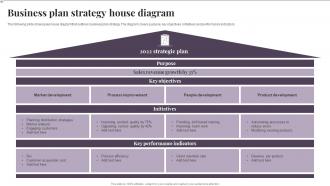
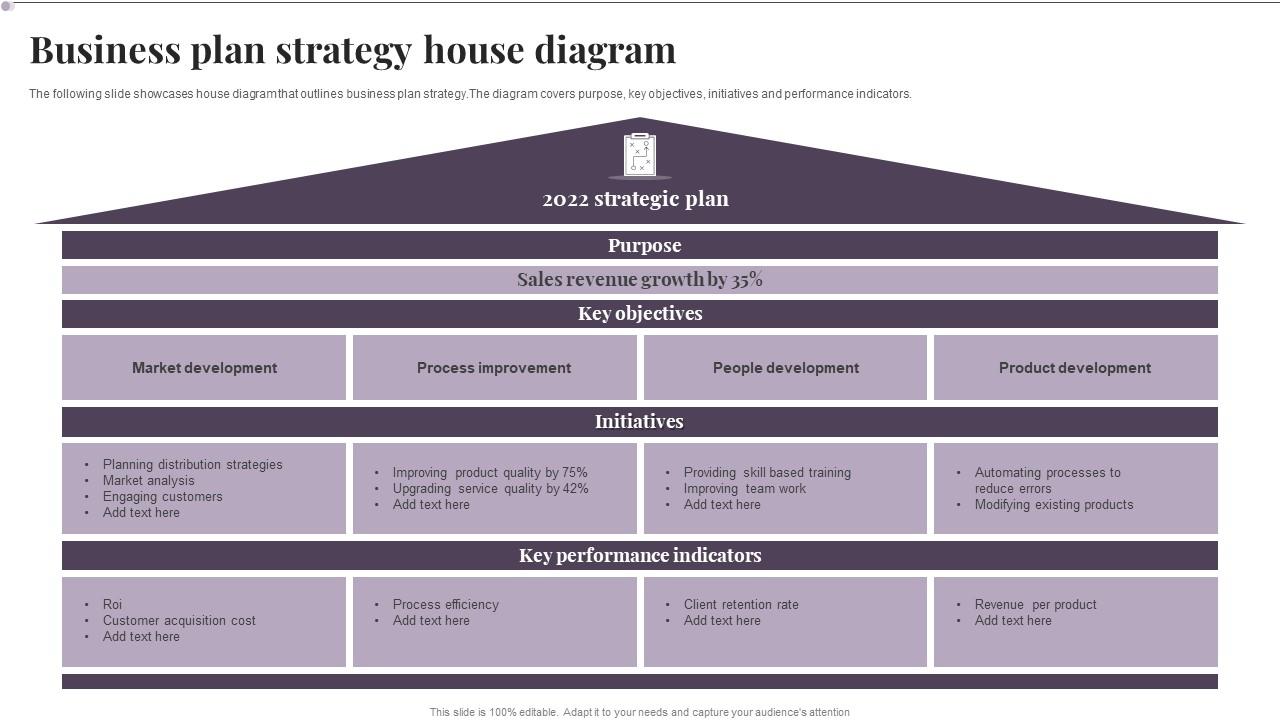
The following slide showcases house diagram that outlines business plan strategy.The diagram covers purpose, key objectives, initiatives and performance indicators. Presenting our well structured Business Plan Strategy House Diagram. The topics discussed in this slide are Market Development, Process Improvement, People Development. This is an instantly available PowerPoint presentation that can be edited conveniently. Download it right away and captivate your audience.
People who downloaded this PowerPoint presentation also viewed the following :

FAQs for Business Plan

You definitely need an exec summary first - investors bail fast if that part sucks. Market analysis and competitive stuff too, obviously. Financial projections are huge, but make them realistic or you'll look like an idiot. Oh, and actually define who your customers are! So many business plans are super vague about this. Operational plan covers how you'll run things day-to-day. Marketing strategy's important too. Really though, the whole thing needs to flow like a story about why you're gonna crush it. I'd start with a rough outline so you don't ramble all over the place.

Look, market research basically stops you from building something nobody wants. Instead of guessing, you get real data on your target market size, what pisses customers off, and how much they'll actually pay. Plus you can see where competitors are screwing up - which is honestly pretty fun to dig into. Even basic surveys beat winging it completely. The research helps validate whether your idea actually works and creates financial projections that don't look like fantasy numbers. Investors can smell BS from a mile away, so having actual data backing your assumptions makes a huge difference when pitching.

Honestly, SWOT analysis is just a fancy way to get real about where you stand before making big moves. Map out your strengths, weaknesses, opportunities, and threats - then actually use that info to figure out what strategies make sense. Play to your strengths when opportunities pop up. Fix the weaknesses that'll bite you later. Most companies do these things and then... nothing. They just sit in a drawer somewhere, which drives me crazy. Markets change so fast now, so I'd update yours every few months. It's basically your reality check before committing to anything major.

Dude, don't just slap your financial projections at the end like an afterthought. They should connect to everything else in your plan. Show how your marketing actually drives revenue, how operations affect your costs - that whole picture. I swear, half the business plans I see have numbers that make zero sense with their strategy. Build three scenarios too (conservative, realistic, optimistic) so investors know you're not just pulling stuff out of thin air. Oh, and start with assumptions that aren't completely delusional.

Look, your executive summary is everything - most investors bail after two pages if you don't hook them. Start with a problem people actually care about and prove you've got real customers, not just theories. Make your financial projections believable but exciting (wildly optimistic numbers just make you look clueless). Show them why your business can scale and what makes you different from competitors. Oh, and be super specific about funding - like exactly how much you need and where every dollar goes. Honestly, traction beats everything else. If you can show people are already paying for your solution, you're golden.

Treat your business plan like it's alive - keep updating it quarterly, not just writing it once and shoving it in a drawer. Check what's happening with competitors, listen to customer feedback, track market changes. Have backup financial scenarios ready because honestly, the businesses that make it are quick to pivot when things get weird. Build in warning signs that tell you when to switch up your strategy or pricing. Oh and maybe don't get too attached to your original idea - flexibility beats stubbornness every time. Markets change fast these days.

Honestly, your target audience shapes everything else in your business plan. Can't nail down pricing or marketing without knowing who you're selling to. I've watched so many startups crash because they thought "everyone" was their customer - huge mistake. Getting specific lets you create messaging that actually hits different. Plus you'll waste way less money on marketing that doesn't work. My advice? Build 2-3 detailed customer personas first - demographics, what keeps them up at night, how they buy stuff. Sounds boring but it's literally the foundation for everything else you'll do.

Look, competitive analysis is basically your cheat sheet for the market. Shows you what's actually working for other companies and where the gaps are. I'd update it every quarter or so - things move fast these days. What you're really looking for is pricing insights, product ideas, and ways to stand out. Sometimes you'll find customer segments nobody's hitting yet. Other times you realize your messaging is way off. The trick isn't copying everyone else though. Use the data to make smarter moves and find your own angle. Think of it like studying film before a game.

Track the obvious stuff first - revenue, profit margins, cash flow. But honestly? That's just half the picture. Customer acquisition costs and retention rates matter way more than people think. Also keep an eye on market share and how efficiently your team's actually working. Pick maybe 5-6 metrics that actually connect to your goals (don't go overboard tracking random stuff). Set up a basic dashboard and check it monthly. Oh, and make sure you can pivot fast when things aren't hitting - learned that one the hard way.

Honestly, visuals are a game-changer for strategy stuff. People's brains just process images way faster than walls of text. Charts instantly show growth patterns, infographics break down messy processes into digestible chunks. Nobody has patience for dense strategy documents anymore - I sure don't. Color coding helps people follow your thinking, and good icons stick in their heads after the meeting's over. Oh, and consistent templates matter too. Makes your key points stand out instead of getting buried. Your audience will thank you for not making them decode paragraphs of corporate speak.

Honestly, most people screw up by being way too rosy with their numbers - like thinking they'll capture 10% of the market in year one (lol no). Do actual research on your competitors instead of just listing random companies. Nobody wants to read a 50-page business plan either, so keep it tight. The operations stuff is huge too - investors need to see you've thought through how you'll actually make and deliver your product. I learned this the hard way when I helped my cousin with his food truck plan. Your financial projections should be based on real data, not dreams. Get someone brutally honest to tear it apart before you submit it anywhere.

Definitely add a risk assessment section - list your biggest threats like market shifts, supply chain problems, key people leaving, economic crashes, whatever keeps you up at night. Then write actual contingency plans with real steps, not just "we'll figure it out." COVID taught me that lesson the brutal way when we had literally nothing prepared! Build some financial cushion into your numbers too. I always do three scenarios now - best case, worst case, and realistic. The whole point is having specific actions ready when stuff hits the fan. Oh and update it regularly since risks change as you grow.

Get your stakeholders involved from the start - they'll actually buy into stuff they helped build. Talk to each group about what's in it for them specifically, not just generic company benefits. Back everything up with solid data, but don't overwhelm them with spreadsheets (learned that one the hard way). Address their concerns before they even bring them up. Here's what really works though: meet with your key people one-on-one first. Hash out the problems privately before any big presentation. Trust me, those side conversations save you from getting blindsided later. Keep everyone updated regularly too.

Dude, tech completely changes how you build business strategy. Real-time customer data, faster decisions, markets you couldn't touch before - it's crazy how different things are now. Automation frees up so much time and resources too. But here's the catch: you've got to stay flexible because tech moves insanely fast. What's working today could be dead next year. I'd build adaptability right into your planning from day one. Also keep watching for new tech that might mess with your industry - better to see it coming than get blindsided, you know?

Honestly, keep it under 20 minutes or you'll lose them. Start with the problem you're solving - that's your hook right there. Tell a story instead of just throwing numbers around (save those for questions later). Practice until you can wing it without slides because I swear tech always craps out when you need it most. Your team's credibility matters huge, plus market size and how you'll actually make money. Don't oversell yourself - be real about what could go wrong. I'd end with specifics: exactly how much cash you need and where it's going. Being vague there just makes you look unprepared.

Ratings and Reviews

90% of 100
Write a review
Most Relevant Reviews
  1. 100%

    by Dirk Kelley

    Great experience, I would definitely use your services further.
  2. 80%

    by Del Holmes

    SlideTeam is my go-to resource for professional PPT templates. They have an exhaustive library, giving you the option to download the best slide!

2 Item(s)

per page: