


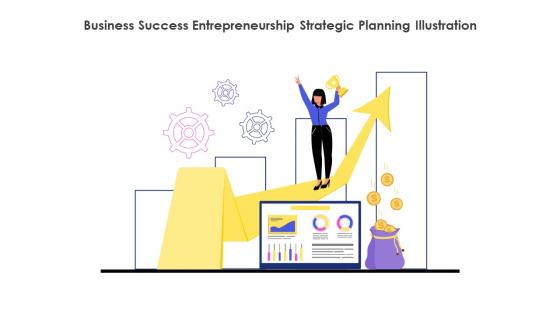
Business Success Entrepreneurship Strategic Planning Illustration




Try Before you Buy Download Free Sample Product
 Impress Your
 Audience
 100%
100% Editable
 Save Hours
 of Time


Use this Business success entrepreneurship strategic planning illustration and create amazing PowerPoint presentations or graphics with ease. This downloaded file is available in all the editable formats such as EPS, PNG and Powerpoint pptx.
People who downloaded this PowerPoint presentation also viewed the following :
Business Success Entrepreneurship Strategic Planning Illustration with all 6 slides:
Use our Business Success Entrepreneurship Strategic Planning Illustration to effectively help you save your valuable time. They are readymade to fit into any presentation structure.





FAQs for Business Success Entrepreneurship
Honestly? The main thing is successful entrepreneurs just *do* stuff instead of planning forever. They'll make calls with like 60% of the info while others are still researching. Failed? They shrug it off weirdly fast and move on. What really gets me though is how they're obsessed with actual problems people have - not whatever trendy thing everyone's talking about. Oh, and they test ideas in the real world instead of perfecting some business plan nobody will read. If you're still tweaking your deck after months, you're probably overthinking it.
Talk to your customers directly - way better than any survey. Do like 20-30 interviews before you build anything big. You're trying to figure out their real problems, not what you think they should care about. Look for people already throwing money at crappy solutions or competitors. That's a good sign there's actual demand there. Build a simple landing page or basic MVP to see if they'll actually pay, not just say "yeah sounds cool." I've seen too many people get burned by fake interest. Actions matter more than what people tell you in interviews, honestly.
Look, failing sucks but it's honestly the best teacher you'll get as an entrepreneur. Success feels great but doesn't tell you much - failure gives you real data about what's broken. When things go wrong, you're forced to get scrappy and find solutions you never would've thought of otherwise. The trick is failing quickly and on the cheap so you can bounce back fast. Write down what went sideways, figure out the lesson, then try again. I always think of it like buying intel about your market, just expensive intel sometimes lol. Nobody plans to fail but you might as well learn from it when it happens.
Dude, networking is honestly everything for startups. Most opportunities happen through people you know, not cold emails or whatever. I've watched average ideas blow up because the founder had solid connections, while genius concepts died because nobody heard about them. Your network becomes investors, first customers, mentors who'll save your ass when everything goes sideways (spoiler: it will). Join entrepreneur groups, hit up industry events - even the awkward coffee meetups. Oh, and actually follow up with people! Most founders are surprisingly cool about helping out. The person you meet today could fund you tomorrow.
Honestly, burnout destroys more businesses than terrible ideas ever will. Set boundaries or you'll work yourself to death - I'm serious about this. Block out personal time like it's a board meeting you can't miss. Stop checking emails at midnight (your brain needs a break). Hand off stuff that doesn't need your magic touch. Pick one night each week that's totally yours and guard it with your life. When you're always "on," your creativity tanks and you make dumb decisions. Even though you're the boss, you still need rules. Maybe especially because you're the boss.
Honestly? Bootstrap as long as you can - it's so underrated. Start with friends and family if you need cash, then find angels who actually know your industry (not just random rich people). VCs are cool for scaling but you're gonna lose a chunk of equity and control. Oh, and if you're doing consumer stuff, crowdfunding actually works pretty well these days. Government grants are worth checking out too if you're in tech or doing something with social impact. But seriously, only raise what you need to hit your next big milestone. Don't get fundraising-crazy.
Honestly, just pick one platform where your people actually are and commit for like 6 months minimum. Share your real opinions and expertise - not just "buy my stuff" posts because that's so transparent. Be consistent everywhere though - your social media voice should match how you talk at events or in emails. Document the whole messy journey openly. Failures included! That's what makes you different from everyone else saying the same generic business advice. Help other people first before you ask for anything - I know it sounds obvious but most people skip this part. Your unique perspective is literally your biggest asset, so don't water it down trying to appeal to everyone.
Your value prop is just answering "why pick us instead of literally anyone else?" Figure out what's really bugging your customers, then explain how you fix it better than the competition. Don't use fluffy words like "innovative" - nobody cares. Be specific about what you actually do for people. I swear, half the startups I see sound exactly the same because of this. Try explaining your business in one sentence to someone who doesn't know anything about it. If they look confused, you're being too vague or complicated. Keep tweaking until it clicks right away.
Here's how I'd put it: Social media lets you talk directly to customers without the corporate middleman BS. Pick one platform first - don't spread yourself thin trying to be everywhere. The cool thing is you can test ideas super fast and get real feedback instead of paying for expensive market research. Everyone's already scrolling anyway, so you're meeting them where they actually spend time. What I love about it is the conversation aspect. You're not just shouting ads into the void - people actually respond and share your stuff if it's genuinely helpful. Those customers can become your biggest advocates. Just focus on being useful rather than salesy.
Honestly, spread everything out - revenue, customers, suppliers, all of it. That whole "eggs in one basket" thing is real and it'll bite you eventually. Keep your fixed costs super low and stack cash like your life depends on it. The key is building something customers actually can't get elsewhere (easier said than done, I know). Stay flexible so you can change direction fast when stuff hits the fan. Oh, and constantly talk to your market - not like surveys and junk, but actually listen to what people are saying. Adaptation is everything in business.
Honestly, start with just one or two tools that fix your biggest headaches - don't go crazy trying to automate everything at once. CRM systems are game-changers for customer data, and cloud accounting software will save you hours. I'm kicking myself for waiting so long to try project management tools! Chatbots can handle basic customer questions, and you can schedule social media posts ahead of time (which feels like magic tbh). Inventory tracking gets way easier too. The trick is building up slowly so you don't overwhelm everyone on your team.
Look, I get that it's tempting to chase profits when you're just trying to keep the lights on. But think about everyone your business touches - customers, employees, suppliers, your community. Don't cut corners on safety or working conditions. Be upfront about pricing and what you're actually selling. Fair wages matter more than you think. Honestly, the "front page test" saved me once - would I be cool seeing this decision in the news? Sounds cheesy but it works. Trust takes forever to build and like two seconds to destroy. Short-term thinking will bite you eventually.
Start with making people feel safe to share weird ideas - nobody's gonna innovate if they think you'll roast them later. Celebrate when experiments fail intelligently, not just wins. That Google 20% time thing? Actually works if you commit to it. Keep asking "what if" and reward curiosity over just crushing metrics. Bring in outsiders from totally different industries - they'll spot stuff you're blind to. Oh, and model it yourself by saying "I have no clue" when you don't. People need to see you're human too.
Honestly? Stop trying to build the perfect product in your basement for months. That's how startups die. Get something basic in front of real people immediately - even if it's embarrassing. I can't tell you how many founders I know who burned through their savings on fancy offices and employees before they even knew if anyone wanted their thing. Customer feedback feels scary but it's literally everything. Meanwhile you'll be tempted to waste time on logos and business cards (guilty of this myself). Talk to potential users constantly. Like, every day. Don't spend money until you know people actually care.
Look, things change fast and most ideas flop anyway - that's just reality. Learning new stuff constantly means you'll catch shifts before your competition does. When you stay curious about tech, what customers actually want, changing trends... you spot openings others miss. Honestly, I've seen too many businesses get stuck defending old models while everything moves past them. Your willingness to pivot products, strategies, whatever - based on what you discover - becomes huge for staying ahead. Don't wait until you're desperate to start learning. Make it weekly.
-
Amazing slides! Unique, attractive, and easy to understand.
-
Delighted to see unique and eye-catching PowerPoint designs that are so easy to customize.