


89164808 style hierarchy 1-many 6 piece powerpoint presentation diagram infographic slide





Try Before you Buy Download Free Sample Product
 Impress Your
 Audience
 100%
100% Editable
 Save Hours
 of Time


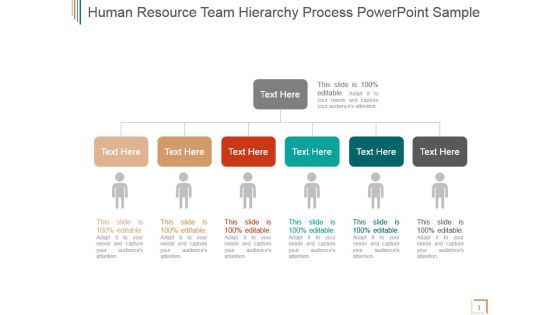
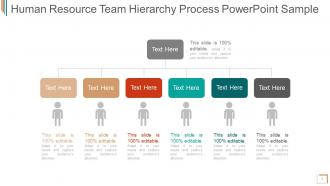
Represent your team in a professional way with our human resource team hierarchy process PPT template. Our dedicated designing team has made this brilliant PPT visual for your business presentations. A hierarchy is also a method of maintaining managerial integrity. Representing the team in a hierarchy by using our PPT slideshow can display the authorities of each team member which in turn can benefit your company and the employees. Add our Presentation design slide to establish efficient communication between employees, departments and divisions of your company. With this PowerPoint diagram slide, your employees can understand from whom they must receive the guidance from and they can act accordingly in the desired direction. You can also add more stages and enhance the hierarchy process as per your plan as the slide is fully modifiable. All you must do is just insert your team’s information and share it whenever required. So, include our PowerPoint graphic into your business presentations and showcase what roles and responsibilities each team member has in your business organization with this wonderful slide visual. Our Human Resource Team Hierarchy Process Powerpoint Sample enable you to begin with a bang. They are bound to buck you up.
89164808 style hierarchy 1-many 6 piece powerpoint presentation diagram infographic slide with all 5 slides:
Float your ideas with our Human Resource Team Hierarchy Process Powerpoint Sample. They will get a buoyant feel.

FAQs for 89164808 style hierarchy 1-many 6 piece powerpoint presentation
So basically it starts with HR Assistant/Coordinator doing all the admin stuff, then you've got HR Generalist handling employee problems day-to-day. After that it's HR Manager (they run teams and programs), then HR Director who deals with big company policies. CHRO or VP of HR is at the top - they're the ones sitting in executive meetings talking strategy. Honestly, the Director to CHRO jump seems huge to me. Smaller companies will totally skip levels though, so don't get too hung up on the exact titles. I'd just look at job postings to see what experience they actually want for the next level up.
So like, small businesses usually just have one HR person doing literally everything - or sometimes it's just the owner juggling HR stuff on top of everything else. Big companies though? They've got whole departments. Talent acquisition people, compensation folks, HR business partners - the works. Honestly, small places can feel pretty chaotic since everyone's wearing ten different hats, but you'll learn a ton. Corporate has those nice clear ladder progressions from coordinator all the way up to CHRO. Really depends what you want - if you like specializing in one thing, go corporate. Want to do a bit of everything? Small business is your jam.
So at the top you've got CHROs or HR VPs running the show. They're setting strategy, working directly with the CEO, handling big stuff like mergers and exec pay. Some companies use "Chief People Officer" instead - same job, just sounds more modern I guess. Bigger orgs might have specialized roles too, like Chief Diversity Officers or VPs of Talent Acquisition. Really depends on company size. If you're trying to figure out who actually calls the shots for HR decisions at your place, just look at your org chart and see which of these roles they have.
So basically, the HR hierarchy controls who decides what in hiring and how quickly things move. Senior people set strategy and budgets. Day-to-day stuff like screening falls to HR generalists. Recruiters do sourcing and outreach - they're honestly your fastest route to real answers about timing. Here's the thing though: approval processes get messy if you don't know the chain of command. I'd map out who handles each step so you're not constantly bouncing between the wrong people. Saves so much frustration when you actually need something done quickly.
So HR managers handle all the people stuff - hiring, training new folks, managing performance reviews, dealing with employee drama. Plus you're stuck making sure the company doesn't get sued over labor law violations, which honestly sounds stressful. You'll also do compensation and benefits work. It's a lot to juggle since you're basically translating between bosses and regular employees all day. Communication skills are huge for this job. My advice? Get experience in at least two areas first - maybe recruiting and employee relations - before diving into the full role.
So it's mostly about seniority and what they actually handle day-to-day. Entry-level people do stuff like benefits admin or help with recruiting. Senior specialists run whole programs and boss people around. The middle folks own their own little kingdoms - like compensation or employee relations drama (which honestly sounds exhausting). Company size totally changes things though! Junior people just follow the playbook. Senior ones actually write it. Quick tip: look for "manages" vs "supports" in job postings - dead giveaway for the hierarchy level.
Honestly, this makes such a difference when you get it right. Your HR setup needs to actually match what your company's trying to do - otherwise you're just fighting yourself. Like if you want innovation but only promote people who play it safe? That's backwards. Map out your current structure and see where it's clashing with your priorities. Good alignment means decisions happen at the right levels and info flows properly. Short sentences work better sometimes. Your people will actually understand how their work connects to the bigger picture, which is huge for motivation.
Honestly, it all comes down to who controls what in HR. Your manager spots what you need to learn, but the big bosses approve budgets and set those company-wide strategies. Mid-level HR people are gold though - they actually know how to get stuff done without jumping through a million hoops. Senior folks are always thinking big picture instead of your day-to-day skill gaps, which makes sense but can be frustrating. My advice? Don't just kiss up to one person. Build connections at different levels so when cool opportunities pop up, you've got people in your corner who'll remember you.
Yeah, HR challenges totally shift depending on your level. When you're starting out, you're basically drowning in learning all these crazy systems while trying to get seasoned employees to actually take you seriously. Mid-level is honestly the worst spot though - you get crushed between what leadership wants and what's actually happening on the ground, plus endless compliance stuff. Senior folks deal with more big-picture headaches like budgets and office politics (ugh). The trick is figuring out what level you're at so you can focus on building the right skills and finding people who've got your back.
Yeah, tech is totally changing how HR works. Fewer middle managers now since automation handles the boring stuff. Employees can just update their own benefits and request time off online - which honestly should've happened years ago. Frees up HR people to do more interesting strategic work instead of paperwork all day. Companies are hiring more specialized roles too, like data analysts who actually understand HR metrics. Oh, and systems specialists - didn't even know that was a thing until recently. If you're restructuring, start with automating the most repetitive processes first. Save the human touch for stuff that actually needs it.
So basically, you need leadership to actually care about D&I first - like, if your CEO and HR directors aren't visibly pushing for it, forget about it working. Then each level does their thing: execs set goals and fund stuff, managers focus on fair hiring and promotions, HR coordinators run the training sessions and employee groups. Grassroots efforts are nice but honestly? They don't have the power or budget to make real change happen. The trick is writing D&I responsibilities right into everyone's job descriptions instead of just hoping they'll figure it out. Makes a huge difference when it flows down from the top.
So having a solid HR hierarchy actually makes a huge difference for your team. People know exactly who to go to when they've got issues, and they can see real promotion paths ahead of them. Nothing's worse than getting bounced around because nobody knows whose job it is to handle your problem - trust me on that one. It also speeds up getting things resolved since there are clear escalation steps. My advice? Set up distinct levels with obvious responsibilities. Then make sure everyone knows how to work the system. Your employees will feel way more secure and motivated when they're not guessing about career growth or who can actually help them.
So succession planning is basically having a backup plan for when your key HR people leave or move up. Map out who could step into roles like HRBP or HR Director - these positions need someone who really knows the company inside and out. I'd start with your top performers and just ask them straight up what they want career-wise. Then give them projects that'll stretch their skills. Trust me, you don't want to be caught scrambling when your HR Director suddenly puts in their two weeks (been there, not fun). It's all about identifying high-potential people early and developing them before you actually need them.
Globalization turns HR into this weird paradox - simpler and way more complicated at once. You'll get matrix reporting where people answer to both local managers AND global HR heads. Regional HR business partners become crucial since they translate between headquarters and local teams. Honestly, the org charts never show who actually calls the shots versus who just gives input. New roles pop up too, like global mobility managers and international comp analysts that weren't around before. Oh, and good luck figuring out the decision-making flow - it's basically detective work half the time!
Track decision-making speed first - how long stuff actually takes to get approved. Check your span of control ratios too (managers with too many or few direct reports). Employee engagement surveys will show if people feel heard or if communication's broken. Honestly? When everyone complains about "too many meetings," that's your hierarchy screaming at you. Also watch internal promotion rates and how well departments work together. I'd start by timing your current decision processes - like, actually time them - then figure out realistic improvement targets from there.
-
Easily Understandable slides.
-
Great designs, Easily Editable.