


Case competition opening up new revenue streams in a stagnant market complete deck





Try Before you Buy Download Free Sample Product
 Impress Your
 Audience
 100%
100% Editable
 Save Hours
 of Time


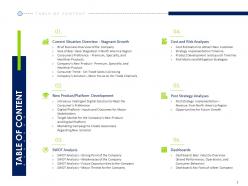
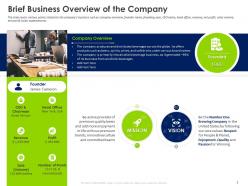
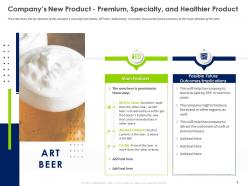
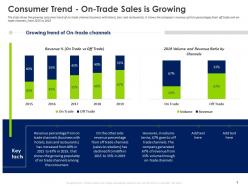
Discover the finest solution for your business problems by taking the assistance of our Case Competition Opening Up New Revenue Streams In A Stagnant Market Complete Deck. Present a clear and concise organizational overview to provide an insight into your business operations by taking the aid of these market strategy PPT slides. Elaborate on consumer preference and customer trends using these project revenue PPT templates to understand the market demand flow. Mention the features of new and updated products like premium, unique, and healthier versions through this income sources PPT slideshow. With this economic system PPT presentation, you can introduce digital business solutions for business development. Choose the right target market and audience for your company’s products and services by employing these professionally curated strategic positioning PPT layouts. Include our content-specific business strategy PPT themes to display the cost and risk analysis product development and launch. Download our stagnant growth PowerPoint deck to prepare a comprehensive presentation on a complex topic.
People who downloaded this PowerPoint presentation also viewed the following :
Case competition opening up new revenue streams in a stagnant market complete deck with all 42 slides:
Use our Case Competition Opening Up New Revenue Streams In A Stagnant Market Complete Deck to effectively help you save your valuable time. They are readymade to fit into any presentation structure.

















FAQs for Case competition opening up new revenue streams in a stagnant
Registration fees are decent money - usually $50-500 per team, and with hundreds competing that adds up fast. But honestly? Corporate sponsorships are where the real cash is. Companies drop $10k+ for branding rights and recruiting access (it's basically a job fair in disguise lol). Universities love partnering with these sponsors too - they provide judges and case materials in exchange for talent pipeline access. Focus on building those corporate relationships first. That's your goldmine, not just entry fees. Oh, and the recruiting angle is huge - companies pay premium to scout top talent early.
Honestly, sponsorships are gonna be your bread and butter - like 60-80% of your whole budget. Start hitting up companies at least 4-6 months out because their budgets get locked in way earlier than makes sense. You can get anywhere from a couple thousand to crazy six-figure deals depending on how big your competition is. The trick is creating different tiers. Some sponsors just want their logo plastered everywhere (whatever pays the bills), but the smart ones want actual recruiting access to participants. That's where you make everyone happy - they get talent, you get money, students get opportunities. Way better than just slapping logos on everything.
Entry fees are definitely your best bet for consistent money. They're predictable and you get the cash upfront to actually plan around. Plus they weed out teams who aren't really committed - which is honestly a bonus. Don't make the mistake of pricing too low though. I've seen so many competitions do this and then scramble for funding later. You want to hit that sweet spot where you're covering venue, prizes, materials, all that stuff, but not scaring away broke college kids. Early bird pricing works great too - gets people to register early AND brings in money faster. Just figure out your break-even first, then add some cushion for random expenses that always pop up.
Oh definitely try selling merch! T-shirts, hoodies, water bottles - whatever. People actually eat that stuff up, especially if the design doesn't suck. You'll want to keep your costs low and aim for like 50-70% profit margins. Registration fees and sponsorships are great, but this gives you another revenue stream without much extra work. Plus when people wear your gear around campus, it's basically free advertising for next year's competition. I'd start with just one or two items first - maybe shirts and stickers? - then see what sells before going crazy with inventory.
Yeah, educational partnerships can actually bring in decent money. Universities will pay participation fees, licensing for your format, or sponsor whole events. Business schools especially love hosting these - makes them look good and draws talent. I'd hit up their experiential learning departments first since they've got budgets earmarked for this stuff. You might even score ongoing consulting gigs helping them build case-based curriculum. Honestly, it's pretty much win-win for everyone involved.
Dude, there's actually a bunch of ways to make money off this stuff. Start with premium livestreams - charge for exclusive access or better camera angles. Record everything and sell it as business education content later. Partnership deals with platforms like Coursera are solid gold if you can swing them - they eat up real competition footage for their courses. Oh, and here's something most people miss: the data angle is insane. Package up anonymized performance metrics and sell those insights to consulting firms. They love that analytical stuff. I'd probably just pick one revenue stream first though and nail it before expanding. Don't spread yourself too thin right away.
Honestly, the best competitions I've seen don't just rely on entry fees anymore. Sponsorship packages are where the real money is - companies will pay big for exclusive recruiting access. Some events add paid workshops on the side, which feels kinda pushy but people eat it up. Corporate partnerships work really well too, like when a company funds a specific challenge track and gets first pick of participants afterward. Oh, and never put all your eggs in one basket funding-wise. Sponsors flake out constantly, so you need backup revenue streams or you're screwed.
Honestly, prize money is your best bet for getting people hyped. Bigger prizes = more serious competitors showing up. Teams get weirdly competitive when real money's involved - it's actually pretty fun to watch. Higher stakes also make sponsors way more interested since they want to attach their name to legit competitions, not some random event. More registrations, better teams, repeat participants - it all connects. I'd check what other competitions in your area are offering first, then go slightly higher. Don't lowball it though, you want people taking this seriously from day one.
Honestly? Crowdfunding could work really well for your case comp. You'll get funding obviously, but also free marketing and people actually caring about the event. Plus you can do cool rewards like mentorship sessions or company visits – way better than just t-shirts. But real talk, it's a ton of upfront work. Someone needs to babysit that campaign constantly, create content, promote nonstop. And there's no guarantee you'll hit your goal. I'd only do it if you have decent social media reach already and can dedicate someone to run it full-time. Otherwise you're just shouting into the void with everyone else.
Honestly, mentorship stuff can make you real money if you set it up right. Survey your past participants first - ask what they'd actually pay for. Then create premium tiers: one-on-one expert sessions, group coaching, career guidance after the competition ends. It's basically like airline upgrades - some people will always shell out more for better treatment. Here's the cool part though: mentors often work for equity or cheap rates since they're basically investing in future talent. Oh, and don't forget corporate sponsors who want direct access to your participants. That's where the big checks come from.
Honestly, it's all about showing sponsors real numbers - your participant demographics, where students end up career-wise, social media reach, that stuff. Companies eat up ROI potential. Tiered packages work great too, from basic logo placement up to exclusive recruiting access. Oh and the networking piece is massive since they want direct access to top talent. But here's the thing - don't blast out generic decks to everyone. Personalized pitches that actually connect to what each company needs? That's where you'll see results. Takes more time but it's worth it.
Honestly, the biggest win is getting money upfront instead of scrambling last-minute. People pay weeks ahead, which is clutch for covering venue deposits and all that expensive stuff early on. Early bird pricing actually works too - creates some FOMO that pushes registrations. Plus no more chasing people down for payments since it's all automated. One thing though - those transaction fees (like 2-3%) add up fast, so build that into your ticket prices from the start. Way fewer no-shows when people have already paid too.
Yeah, don't do the one revenue stream thing - it's like financial suicide honestly. Market crashes, customer tastes change, whatever, and boom you're done. I've watched businesses that looked super stable just completely collapse when their main income disappeared. Growth gets stunted too since you're not branching out to new customers or trying different approaches. When you're doing case analysis, this should immediately jump out as a huge problem. Always suggest they build at least 2-3 other revenue sources. Makes the whole business way less fragile and gives them actual options when things go sideways.
Honestly, licensing your frameworks could be pretty lucrative. Document everything first though - you'll want that IP protected. Business schools and corporate training programs actually pay decent money for solid case methodologies, especially if you've got something unique. Package your best stuff into digital products or maybe even create certification programs around your approach. I know someone who made bank selling their problem-solving frameworks to companies for internal competitions. The trick is finding orgs that'd benefit from what you've already proven works. Worth exploring for sure.
Dude, don't just count on registration fees - that's risky. Sponsorships are where the real money is, plus you can add workshops and premium coaching. Corporate training partnerships pay well too. Virtual events have been huge lately (honestly saved my butt during COVID). Oh, and membership models work great for people who keep coming back. Start with like 2-3 things that actually make sense for your crowd. I tried launching everything at once before and it was a mess - you'll burn out fast. Case studies and alumni networks can bring in steady cash later once you get the main stuff running.
-
Best way of representation of the topic.
-
Designs have enough space to add content.
-
Great designs, really helpful.