

Change readiness assessment powerpoint presentation slides




Try Before you Buy Download Free Sample Product
 Impress Your
 Audience
 100%
100% Editable
 Save Hours
 of Time


Select our content ready Change Readiness Assessment PowerPoint Presentation Slides to discuss change initiatives. Showcase objective, desired outcome & related measures using ready-to-use change assessment stages PPT Visuals. Utilize these change management assessment PowerPoint templates to understand the capacity to change. The professional-looking organizational readiness analysis PowerPoint complete deck contains ready-to-use templates such as phases of change initiative, change initiative value justification, change readiness matrix, checklist of readiness assessment, change readiness survey, interview select focus group, conduct one on one interviews, record the result, change readiness plan, change management performance dashboard, use case etc. You’ll find all the templates fully editable. Add or delete the content if you wish to. Icons and graphs given in this change impact analysis PPT deck can make your presentation even more impressive. Download this visually appealing resistance to change survey presentation graphics to assess the readiness of your employees. Establish harmonious conditions with our Change Readiness Assessment Powerpoint Presentation Slides. Create an environment for friendly discussions.
People who downloaded this PowerPoint presentation also viewed the following :
Content of this Powerpoint Presentation
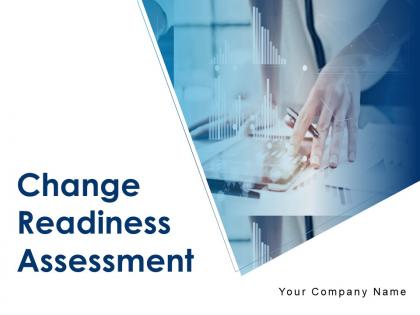
Slide 1: This slide introduces Change Readiness Assessment. State Your Company Name and begin.
Slide 2: This slide shows Content of the presentation.
Slide 3: This slide presents Phases of Change Initiative.
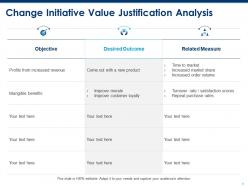
Slide 4: This slide displays Change Initiative Value Justification Analysis in tabular form.
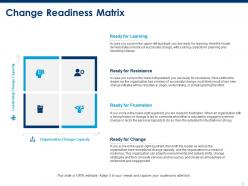
Slide 5: This slide represents Change Readiness Matrix with following categories- Ready for Learning, Ready for Resistance, Ready for Frustration, Ready for Change.
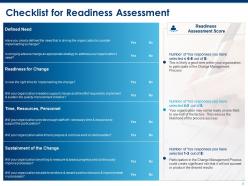
Slide 6: This slide showcases Checklist for Readiness Assessment.
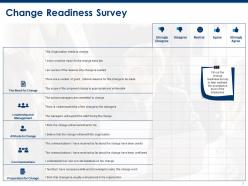
Slide 7: This slide shows Change Readiness Survey describing- The need for change, leadership and management, attitude to change.
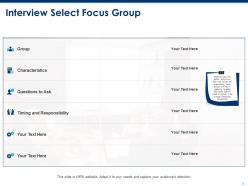
Slide 8: This slide presents Interview Select Focus Group with characteristics, questions, timing and responsibilities.
Slide 9: This slide displays Conduct One on One Interviews for better understanding the concers of employees.
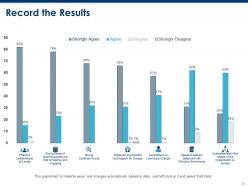
Slide 10: This slide represents Record the Results in graphical form.
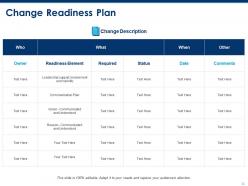
Slide 11: This slide showcases Change Readiness Plan in tabular form.
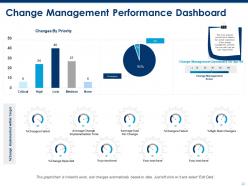
Slide 12: This slide shows Change Management Performance Dashboard to capture the overall experience of the change management process.
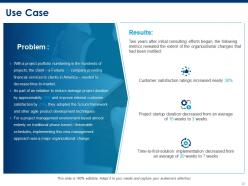
Slide 13: This slide presents Use Case describing the problem and results.
Slide 14: This slide displays Change Readiness Assessment Icons.
Slide 15: This slide is titled as Additional Slides for moving forward.
Slide 16: This is About Us slide to show company specifications etc.
Slide 17: This is Our Mission slide with related imagery and text.
Slide 18: This is a Financials slide. Show your finance related stuff here.
Slide 19: This is Meet Our Team slide with names and designation.
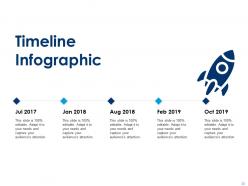
Slide 20: This is a Timeline Infographic slide to show information related with time period.
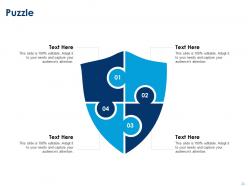
Slide 21: This is a Puzzle slide with text boxes to show information.
Slide 22: This is a Comparison slide to state comparison between commodities, entities etc.
Slide 23: This is Our Target slide. State your targets here.
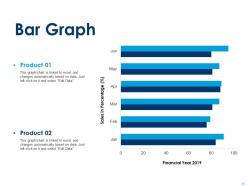
Slide 24: This slide shows Bar Graph with two products comparison.
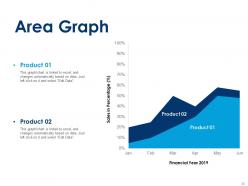
Slide 25: This slide presents Area Graph with two products comparison.
Slide 26: This is a Thank You slide with address, contact numbers and email address.
Change readiness assessment powerpoint presentation slides with all 26 slides:
Use our Change Readiness Assessment Powerpoint Presentation Slides to effectively help you save your valuable time. They are readymade to fit into any presentation structure.








FAQs for Change readiness assessment
So for change readiness, hit these four spots. Leadership alignment first - are the execs actually on board or just nodding along? Culture's huge too - how'd past changes go around there? Then check if people are already swamped because bad timing kills everything. Employee sentiment is the last piece. Honestly, the anonymous surveys work way better than face-to-face stuff since people actually tell the truth. You're basically hunting for roadblocks before they smack you in the face. Oh, and don't skip the honest convos with key people - they usually know where the bodies are buried.
Look, if your leaders aren't actually involved in the change readiness assessment, you're basically wasting everyone's time. People can smell fake support from a mile away - when leadership just pays lip service but doesn't show up, employees either blow it off completely or give you those useless "everything's fine" responses. You end up with total garbage data that tells you nothing. But flip that around? When leaders genuinely participate and ask real questions, suddenly people open up about their actual concerns. Plus you get someone with authority who can actually fix the problems you uncover instead of filing your results away somewhere. I've seen too many assessments turn into expensive paperwork exercises because leadership treated it like a checkbox.
Surveys are your best starting point - get that baseline data first. Then do focus groups and stakeholder interviews to dig into the real story behind those numbers. I'd look at leadership buy-in, how well they're communicating changes, and general employee mood about what's happening. Kotter's 8-step thing works pretty well for structure, plus ADKAR helps you check if people actually understand what's going on and want to participate. But honestly? Sometimes just grabbing coffee with people tells you way more than any formal assessment. Don't get too caught up in perfect methodology - you need honest feedback from different levels and departments, that's what matters most.
Honestly, your team's mindset is what makes or breaks any change initiative. People who see change as threatening will fight you every step of the way, no matter how solid your plan is. Past experiences really matter here - if leadership burned them before, good luck getting buy-in now. Trust levels and whether they actually understand the "why" behind changes? That stuff predicts success way better than having the right resources or skills. I always think of it like this: you can't teach someone to swim if they're terrified of water. The fear becomes the real problem. Start with anonymous surveys to figure out where people really stand, not just what they'll say to your face.
Honestly, communication makes or breaks everything here. Don't just announce the change and disappear - that's where most leaders screw up. People need to know why it's happening and how their actual job will change. Make it two-way though. Set up ways for them to ask questions and push back a bit. I've watched so many changes tank because nobody felt heard. Start talking early, like way before you think you need to. Keep those conversations going consistently too. Oh, and be real about their concerns - don't just brush off the messy stuff. Trust builds when people feel you're actually listening, not just checking boxes.
Honestly, you need to figure out three main things before you dive in. First - how does your team usually deal with change? Some places are just naturally resistant, which sucks but it's reality. Survey people, do focus groups, whatever. Check if leadership actually has your back on this (and if they've screwed up similar stuff before). Also look at whether you have enough resources and if there's other competing projects that'll steal attention. I'd make a simple scoring system to see where you're weakest. Better to know your problem areas now than get blindsided later.
Honestly? Getting real feedback is the hardest part - people just tell you what they think you want to hear. Timing's tricky too since readiness changes constantly. What looks good today could be a mess next month. Middle management will surprise you though. They'll torpedo things even when everyone else seems cool with it. Oh, and there's always that one team convinced they're "totally ready" when they're clearly not lol. Anonymous surveys help, but watching what people actually DO tells you way more than whatever they say in meetings. Actions don't lie.
Surveys are your best starting point - measure how open people are to change, their risk tolerance, that stuff. But honestly, the real gold is in focus groups where employees actually tell you what's going on. Look at how info flows in your company too. Do people speak up about problems or just stay quiet? I'd also dig into past change efforts - see what actually happened vs what leadership expected. Communication patterns matter way more than you'd think. A quick pulse survey gives you baseline data, then you can get into the messy details of where resistance comes from.
So basically, your readiness results tell you how hard to push. High readiness? Go faster, less babying needed. But if it's low, you'll need way more communication and training before anything happens - think longer runway. Pay attention to which teams are dragging versus your cheerleaders who'll actually help sell this thing. Those middle-ground people are honestly make-or-break most of the time. And here's the thing - use whatever specific gaps you found to create focused fixes instead of some cookie-cutter plan that doesn't hit the real issues.
Cast a really wide net when you're figuring out who to talk to - don't just hit up the obvious leaders. Find those informal influencers who actually know what's happening on the ground. Be totally honest that you're assessing readiness, not trying to sell anyone on changes yet. Mix up your approach too: surveys, focus groups, one-on-ones. People will tell you different stuff depending on the setting. Ask open-ended questions about their concerns instead of fishing for the answers you want to hear. Oh, and definitely circle back with what you learned - nothing pisses people off more than feeling like they just got checked off some list.
Don't just hit up the same people who always fill out surveys - that's like asking your most talkative coworker to speak for everyone. Mix it up with anonymous surveys, focus groups, casual chats, whatever works. Remote folks and night shift people especially get forgotten. Your questions shouldn't assume everyone works or communicates the same way either. I learned this the hard way when we missed a whole department's concerns because they weren't comfortable in group settings. Ask what specific support different people need during changes, then - and this is the big one - actually act on what they tell you.
Honestly, I'd start with just 3-4 key metrics instead of going overboard. Survey scores work great - track stuff like employee confidence and how much people trust leadership. Participation rates in training and change activities tell you way more than you'd think. Also check feedback sentiment and how long it takes people to actually adopt new processes. Oh, and definitely track any pushback incidents because those give you the real picture. The trick is being consistent with measuring at regular intervals. Don't just do it once and call it done - you'll miss the whole story that way.
Take those assessment results and actually use them to fix what's broken. Someone's freaking out about the new software? Give them extra tech help. Others just hate change in general? More check-ins and maybe pair them with someone who's already on board. Don't dump everyone into the same boring training - that's just lazy and doesn't work anyway. Group people by what they actually need. Oh, and start your rollout with the people who tested well. They'll become your cheerleaders. Check back in halfway through to see what's working. Sometimes you gotta pivot.
Okay so here's the thing - change readiness and agility are totally connected. Readiness is basically how prepared you are for changes coming down the pike. Agility is actually being able to pivot fast when stuff hits the fan. You can't really be agile if your readiness sucks, you know? It's like trying to build a house on quicksand - doesn't matter how fancy your blueprints are. I'd honestly start by figuring out where your biggest readiness gaps are first. Then chip away at those systematically. Low readiness scores? You're gonna struggle hard when you actually need to move fast.
You've got to tailor your assessment questions to whatever type of change you're dealing with. Tech stuff? Focus on digital skills and how people actually adopt new systems. Structural changes are all about power dynamics and who reports to who now. Cultural shifts though - ugh, those are seriously the worst to figure out. You need to dig into whether leadership is genuinely on board and if people's values actually align. Pick 3-5 things that'll make or break your specific change, then craft questions around those. Don't waste time on generic readiness surveys that ask about everything.
-
Unique and attractive product design.
-
Easily Understandable slides.