

Financial feasibility powerpoint presentation slides





Try Before you Buy Download Free Sample Product
 Impress Your
 Audience
 100%
100% Editable
 Save Hours
 of Time


Assess the economic viability of your business venture with our content ready Financial Feasibility PowerPoint Presentation Slides. Identify industry economic characteristics using the self-explanatory financial feasibility analysis PowerPoint presentation. The professionally designed market research PowerPoint complete deck comprises of topic-specific templates such as introduction to industry and description, SWOT analysis, industry vertical, market share, market landscape, total addressable market, market gap analysis, competitor analysis, characteristics, competitive landscape framework, market potential, revenue sources, sales projections, recommendations on market feasibility study and many more. Give accurate market insights for the proposed business venture using the feasibility study PowerPoint graphics. Make use of this professional-looking market analysis PPT visuals to showcase the target market, its size, location, projected growth, etc. Furthermore, you can also utilize the ready-to-use-economic feasibility presentation deck to evaluate project potential for success. Download the professionally designed proposed project assessment PowerPoint template to analyze current profitability and risk. Deal with achievers on an equal footing with the help of our financial presentation ppt Slides. They will be extremely appreciative.
People who downloaded this PowerPoint presentation also viewed the following :
Content of this Powerpoint Presentation
Slide 1: This slide introduces Financial Feasibility. State Your Company Name and begin.
Slide 2: This slide show Contents of the presentation.
Slide 3: This slide presents Introduction to Industry with related imagery.
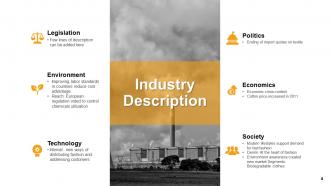
Slide 4: This slide displays Industry Description describing- Legislation, Politics, Environment, Economics, Technology, Society.
Slide 5: This slide is titled as Strengths. Show your firm's strengths here.
Slide 6: This slide is titled as Weaknesses. Describe your firm's weaknesses here.
Slide 7: This slide displays Opportunities with related imagery and text.
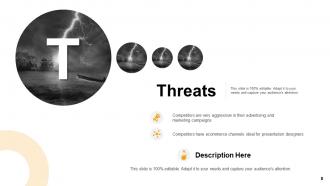
Slide 8: This slide shows Threats with related imagery.
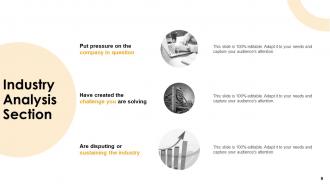
Slide 9: This slide presents Industry Analysis Section describing- Put pressure on the company in question, Have created the challenge you are solving, Are disputing or sustaining the industry.
Slide 10: This slide displays Industry Vertical Description.
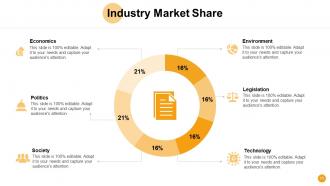
Slide 11: This slide represents Industry Market Share describing- Economics, Environment, Legislation, Politics, Technology, Society.
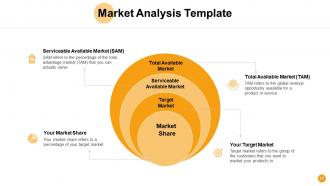
Slide 12: This slide showcases Market Analysis Template describing- Total Available Market (TAM), Serviceable Available Market (SAM), Target Market, Market Share.
Slide 13: This slide shows Market Research Results Template.
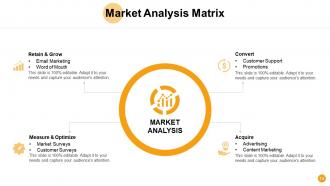
Slide 14: This slide presents Market Analysis Matrix describing- Convert, Retain & Grow, Acquire, Measure & Optimize.
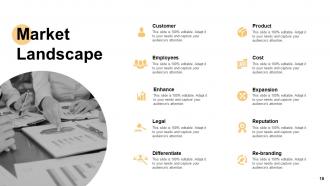
Slide 15: This slide displays Market Landscape describing- Employees, Cost, Enhance, Expansion, Legal, Reputation, Differentiate, Re-branding, Customer, Product.
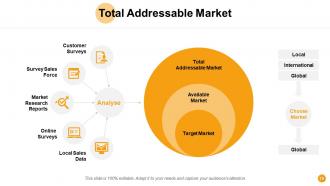
Slide 16: This slide represents Total Addressable Market explaining- Customer Surveys, Survey Sales Force, Market Research Reports, Online Surveys, Local Sales Data.
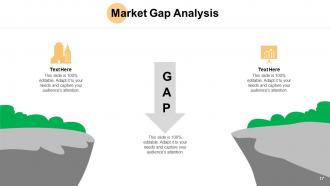
Slide 17: This slide showcases Market Gap Analysis with related imagery.
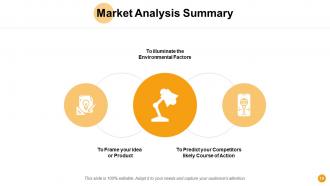
Slide 18: This slide shows Market Analysis Summary with related diagram.
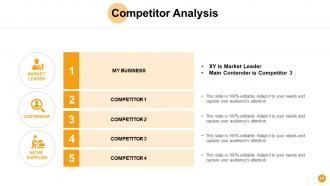
Slide 19: This slide presents Competitor Analysis. Add data as per needs.
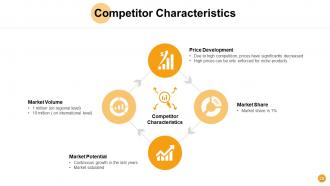
Slide 20: This slide displays Competitor Characteristics describing- Market Volume, Market Potential, Market Share, Price Development.
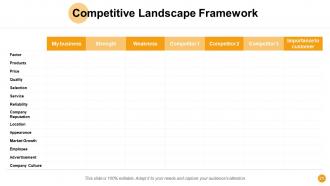
Slide 21: This slide represents Competitive Landscape Framework in tabular form.
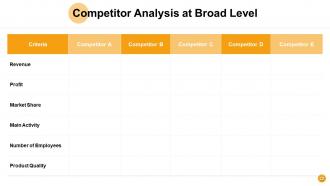
Slide 22: This slide showcases Competitor Analysis at Broad Level.
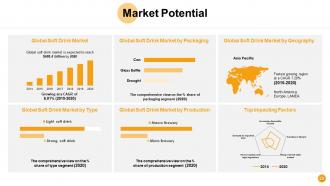
Slide 23: This slide shows Market Potential in graphical forms.
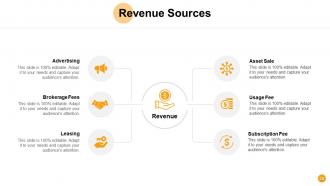
Slide 24: This slide presents Revenue Sources as- Leasing, Advertising, Brokerage Fees, Subscription Fee, Asset Sale, Usage Fee.
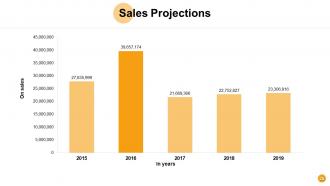
Slide 25: This slide displays Sales Projections in graphical form.
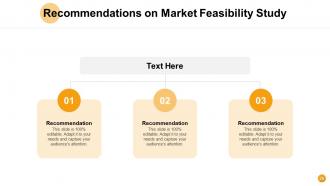
Slide 26: This slide represents Recommendations on Market Feasibility Study.
Slide 27: This slide showcases Financial Feasibility Icons.
Slide 28: This slide reminds about 15 minutes coffee break.
Slide 29: This slide is titled as Additional Slides for moving forward.
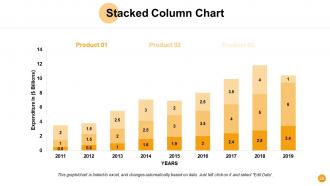
Slide 30: This slide shows Stacked Column Chart with two products comparison.
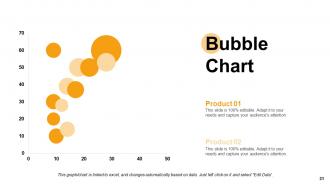
Slide 31: This slide displays Bubble Chart with two products comparison.
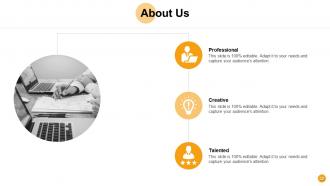
Slide 32: This is About Us slide to show company specifications etc.
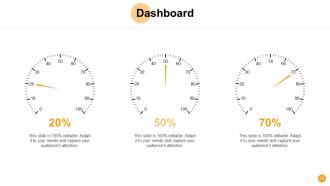
Slide 33: This is a Dashboard slide with text boxes.
Slide 34: This is Our Team slide with names and designation.
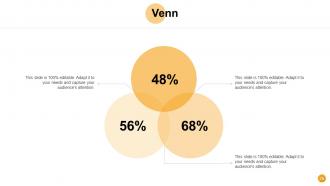
Slide 35: This is a Venn slide with text boxes to show information.
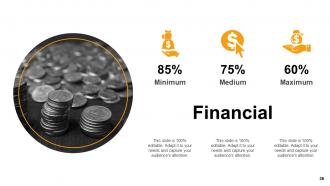
Slide 36: This is a Financial slide. Show your finance related stuff here.
Slide 37: This slide is titled as Post It Notes. Post your important notes here.
Slide 38: This is a Thank You slide with address, contact numbers and email address.
Financial feasibility powerpoint presentation slides with all 38 slides:
Use our Financial Feasibility Powerpoint Presentation Slides to effectively help you save your valuable time. They are readymade to fit into any presentation structure.






FAQs for Financial feasibility
Okay so first things first - you want your NPV to be positive and your IRR above whatever hurdle rate you're using. Payback period matters too, depending on how patient you can be. Cash flow projections are honestly where I'd spend most of my time though - like when does this thing actually start making money? ROI's pretty standard for comparing different opportunities. Break-even analysis is simple but tells you a lot about risk. Oh and definitely do sensitivity analysis to see what happens if your assumptions are off (they usually are lol). Those basics should give you enough to make your case.
So break it down into three parts: startup costs, working capital, and a cushion fund. First, list everything you'll pay once upfront - equipment, permits, inventory, setup fees. That stuff seriously adds up faster than you think! Next figure out working capital by estimating monthly operating costs before money starts coming in. Always tack on 15-20% extra because trust me, something unexpected will hit. Make a spreadsheet and double-check your numbers against what similar businesses actually spend, not just what you hope they spend.
Look, market research is basically your sanity check before diving into the money stuff. It shows you if people actually want what you're selling and how much they'll pay for it. Your revenue projections? They need real data backing them up, not just hopeful guesses. Plus you'll figure out your actual market size and scope out the competition. Honestly, skipping this step is like building a house without checking if the ground can support it. Investors can smell BS financial models from a mile away. Do the homework first, then build your numbers around what you actually learned. Way less embarrassing that way.
Look, cash flow projections are basically your financial roadmap - they'll show you exactly when money's coming in and going out. Super helpful for catching those nasty cash crunches early. Your project might look profitable overall, but what if you're hemorrhaging money for six months straight? That's the stuff that kills businesses. These projections help you figure out if you need extra funding upfront and when you'll actually break even. Oh, and definitely run different scenarios - like what happens if sales are slower than expected. Trust me, it's way better to know this stuff beforehand than get blindsided later.
Honestly, everyone screws up the revenue projections at first - way too rosy. Costs always end up higher than you think too. Make sure your market data isn't from like 2019 or something lol. Seasonal stuff will mess with your cash flow more than you expect. Customer acquisition takes forever, not weeks. Most people think they'll instantly connect with their target audience but that's not realistic at all. Run different scenarios to test your assumptions - best case, worst case, the works. Get someone else to look at your numbers because you'll miss obvious stuff when you're too close to it.
Honestly, your funding mix can totally make or break the whole thing. Equity means giving up ownership - which sucks but sometimes you gotta do it. Debt's tricky because you're stuck with payments even when cash is tight. Grants are amazing but let's be real, they're super competitive and you can't count on them. I'd map out like 2-3 different funding scenarios now and run the numbers hard on each one. Don't wait until you're already deep into it. Match whatever funding you pick to how your cash actually flows and what risks you can handle.
So cost-benefit analysis is just checking if a project's actually worth your money. You add up all costs vs. expected benefits to see if you'll profit - and how much. Honestly, people skip this step way more than they should. It catches red flags early and helps you compare different options with real numbers instead of gut feelings. Forces you to think about those sneaky hidden costs too. Oh, and stakeholders love seeing the math laid out. Just throw it in a basic spreadsheet first, nothing fancy needed.
So sensitivity analysis is basically stress-testing your financial projections - you tweak the big variables and see what happens to your bottom line. Play around with revenue assumptions, costs, market conditions, whatever. It's like running "what if" scenarios but with real numbers. Honestly, this stuff saves you from nasty surprises later. You'll figure out which factors can totally tank your project and where you're most exposed. Find your break-even points first - that's the money stuff. I'd start with your three biggest assumptions since those usually matter most, then work down to the smaller variables if you have time.
Honestly, just stick with the big three: NPV, IRR, and payback period. NPV shows you actual dollar value created. IRR gives you your return rate. Payback period? That's how fast you get your money back - super straightforward. Break-even analysis is worth adding too since someone always brings it up in meetings anyway. Don't overthink this with a million different ratios that'll just overwhelm everyone. Start with those core ones first. If your project's really complex or risky, then maybe layer in ROI or sensitivity analysis later. But seriously, those four will handle most situations.
Here's the thing - money today beats money tomorrow, always. Inflation eats away at value, plus you're missing out on what you could've done with that cash right now. So when you're looking at whether some project makes sense, you've got to bring those future payments back to today's dollars using a discount rate. NPV is honestly your lifesaver here - it tells you if you're actually making money or just fooling yourself. I've seen too many deals that looked amazing on spreadsheets but were total disasters because nobody bothered discounting future cash flows. Don't fall for that trap.
Honestly just start with Excel or Google Sheets - they're still what most people use anyway. Crystal Ball and @RISK are solid if you need Monte Carlo stuff or heavy risk analysis. There's also newer tools like Fathom and PlanGuru that work well for smaller studies (way less intimidating than the big enterprise software). Proforma and Argus are great but they'll cost you - only worth it for major projects really. I'd build your base model in Excel first, then see if you actually need the fancy features before dropping money on specialized tools. Most feasibility studies don't require anything too crazy tbh.
Look, base everything on actual historical data, not what you're hoping will happen. I always run multiple methods - trend analysis, different scenarios, sensitivity tests. Cross-check everything. Honestly? I've watched so many projects crash because people got way too optimistic with revenue numbers. It's painful to see. Update your forecasts when new info comes in, and always do three versions: conservative, realistic, and optimistic. Document how you got each number so others can actually validate your work. Being transparent about assumptions saves you later.
Honestly, regulatory stuff is such a pain but you can't ignore it. Budget for compliance costs, licensing fees, permits - all that boring paperwork that adds up fast. Environmental regs, labor laws, taxes... it varies by industry but healthcare and finance are especially brutal. Legal fees will definitely pop up (learned that one the hard way). I'd actually create a "regulatory buffer" line in your projections because these costs always balloon beyond what you expect. The rules change constantly too, so what's compliant today might not be tomorrow. It's annoying but better to overestimate than get hit with surprise penalties later.
Yeah so tech startups are way easier to bootstrap - you're basically just paying for developers and AWS bills instead of buying a bunch of expensive machines. Manufacturing though? That's a whole different beast. You need massive upfront cash for equipment and inventory before you sell anything. The feasibility analysis changes completely depending which route you go. With tech you can pivot super fast if things aren't working, but once you've dropped money on specialized manufacturing equipment you're kinda locked in for the long haul. Just make sure your study matches whatever industry constraints you're actually dealing with.
Honestly, diversification is your best friend here - don't put everything into one revenue stream because that's just asking for disaster. Build in some buffer money, like 10-20% extra on top of what you think you'll need. Set up financial checkpoints where you can actually pause and see how things are going. Try to line up backup funding sources before you desperately need them (learned that one the hard way). You could also stretch out your timeline to spread costs around, or maybe find partners to split the risk with. The whole thing comes down to figuring out where you're most vulnerable and having solid backup plans ready to go.
-
Awesome presentation, really professional and easy to edit.
-
Awesome use of colors and designs in product templates.