


Market Feasibility Powerpoint Presentation Slides
To make a powerful and flawless presentation on the idea of market feasibility, you should utilize our market feasibility PowerPoint presentation slides which will help you in clarifying different uses and strategies for studying the feasibility of your business market. You can utilize this PPT image to portray the essential parts of the idea which are depiction of the business achievements, examination of current business market, the future market capability of your business future, the projections of business deals or sales and many more. This market feasibility PPT slide will give you a standard component to characterize, organize report and track the risks and issues related with the market feasibility study. Hence begin instating with this presentation image to construct the presentation on market feasibility which will helps in deciding the profundity and state of a specific business market and its capacity to help a specific improvement. Accordingly tap on the download link now to get start with this PPT layout. Disclose your hand with our Market Feasibility Powerpoint Presentation Slides. Convince them you have all the aces.
To make a powerful and flawless presentation on the idea of market feasibility, you should utilize our market feasibility P..









-

- Google Slides is a new FREE Presentation software from Google.
- All our content is 100% compatible with Google Slides.
- Just download our designs, and upload them to Google Slides and they will work automatically.
- Amaze your audience with SlideTeam and Google Slides.
-

Want Changes to This PPT Slide? Check out our Presentation Design Services
-

- WideScreen Aspect ratio is becoming a very popular format. When you download this product, the downloaded ZIP will contain this product in both standard and widescreen format.
-
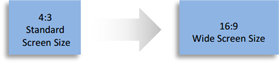
- Some older products that we have may only be in standard format, but they can easily be converted to widescreen.
- To do this, please open the SlideTeam product in Powerpoint, and go to
- Design ( On the top bar) -> Page Setup -> and select "On-screen Show (16:9)” in the drop down for "Slides Sized for".
- The slide or theme will change to widescreen, and all graphics will adjust automatically. You can similarly convert our content to any other desired screen aspect ratio.
Compatible With Google Slides

Get This In WideScreen
You must be logged in to download this presentation.


Do you want to remove this product from your favourites?
PowerPoint presentation slides
Eminently inventive PPT design patterns, Revise able sizes and colors for the Presentation images or icons, Ubiquitous PPT templates suitable for business managers, executives and business analysts form diverse fields etc., Flexibility to customize the same into divergent configurations like PDF or JPG, Can be used with Google slides and, option to insert the titles or subtitles as required.

People who downloaded this PowerPoint presentation also viewed the following :
Content of this Powerpoint Presentation
Slide 1: This slide introduces Market Feasibility. State Your Company Name and get started.
Slide 2: This is an Agenda slide. State your agendas here.
Slide 3: This slide shows Introduction to Industry with image and text boxes.
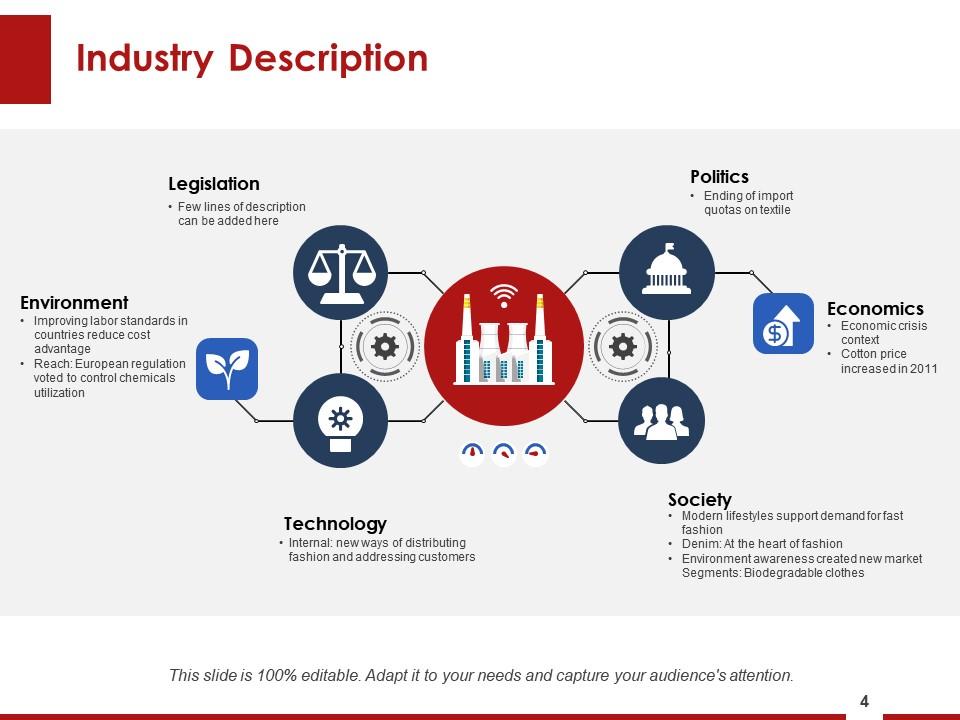
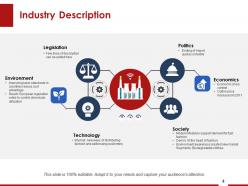
Slide 4: This slide showcases Industry Description with the following subheadings- Politics, Economics, Society, Technology, Environment, Legislation. Few lines of description can be added here
Slide 5: This slide showcases Strengths with description and text boxes.
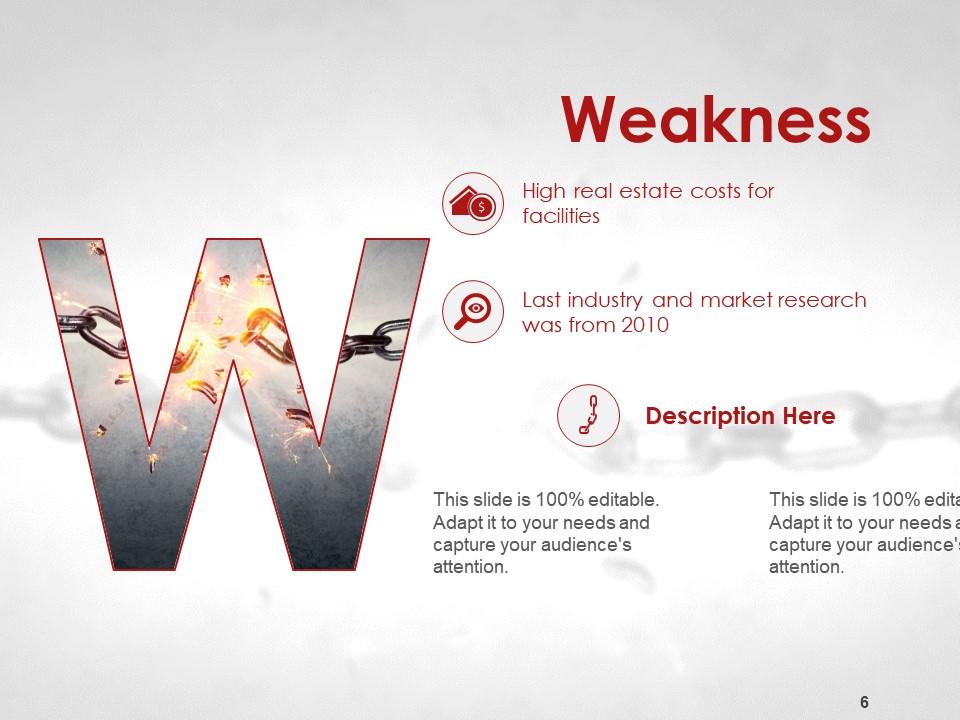
Slide 6: This slide showcases Weakness with description and text boxes.
Slide 7: This slide showcases Opportunities with description and text boxes.
Slide 8: This slide showcases Threats with description and text boxes.
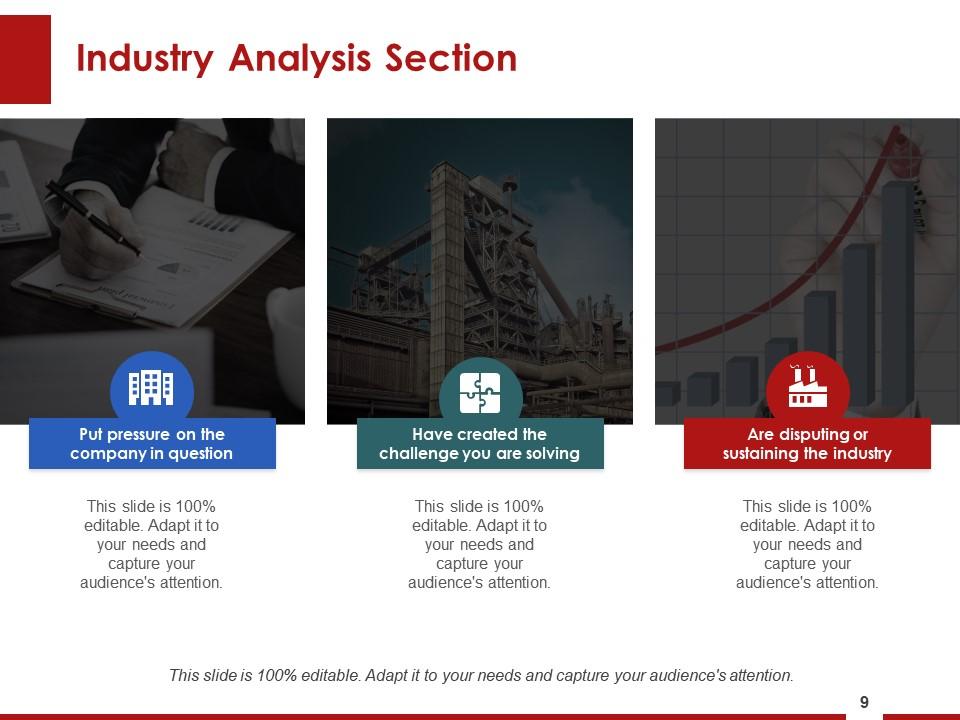
Slide 9: This slide shows Industry Analysis Section with the following constituents- Have created the challenge you are solving, Are disputing or sustaining the industry, Put pressure on the company in question.
Slide 10: This slide showcases Industry Vertical Description with text boxes and imagery.
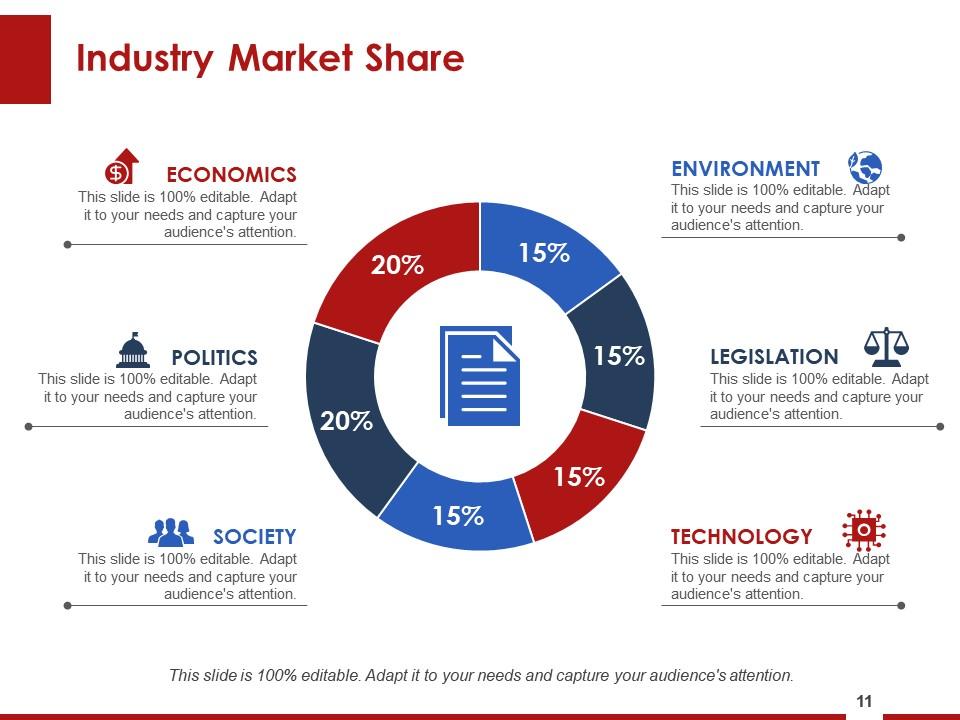
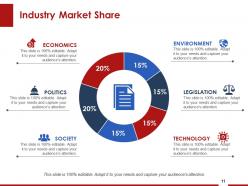
Slide 11: This slide showcases Industry Market Share with the following points- LEGISLATION, POLITICS, ENVIRONMENT, ECONOMICS, SOCIETY, TECHNOLOGY.
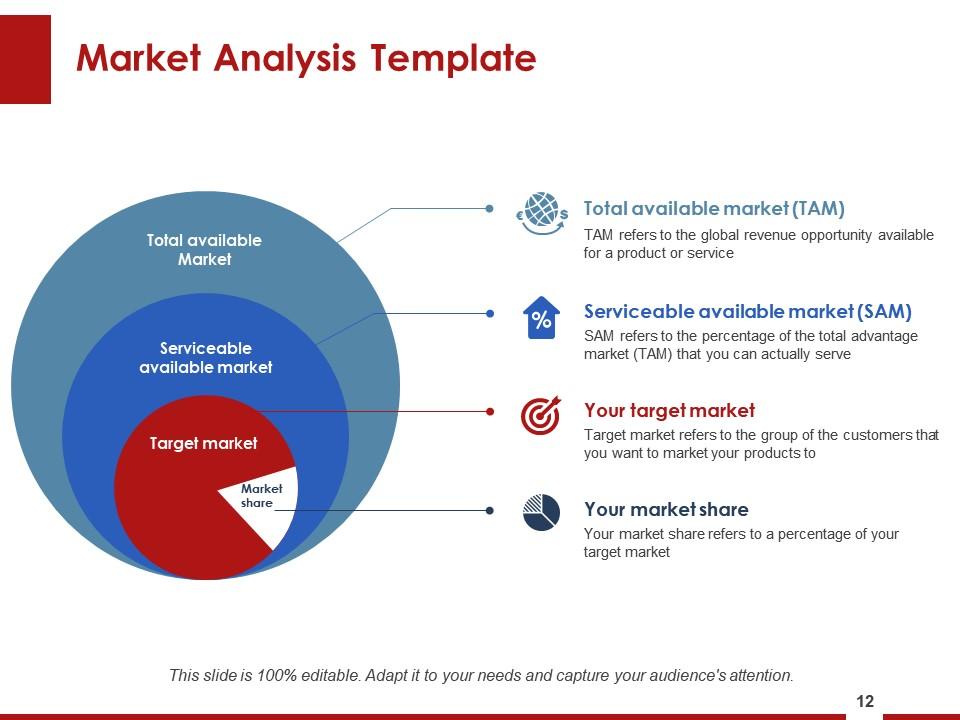
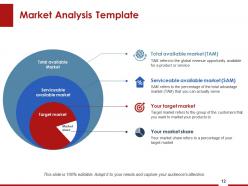
Slide 12: This slide presents a Market Analysis Template with- Total available market (TAM), Serviceable available market (SAM), Your target market, Your market share.
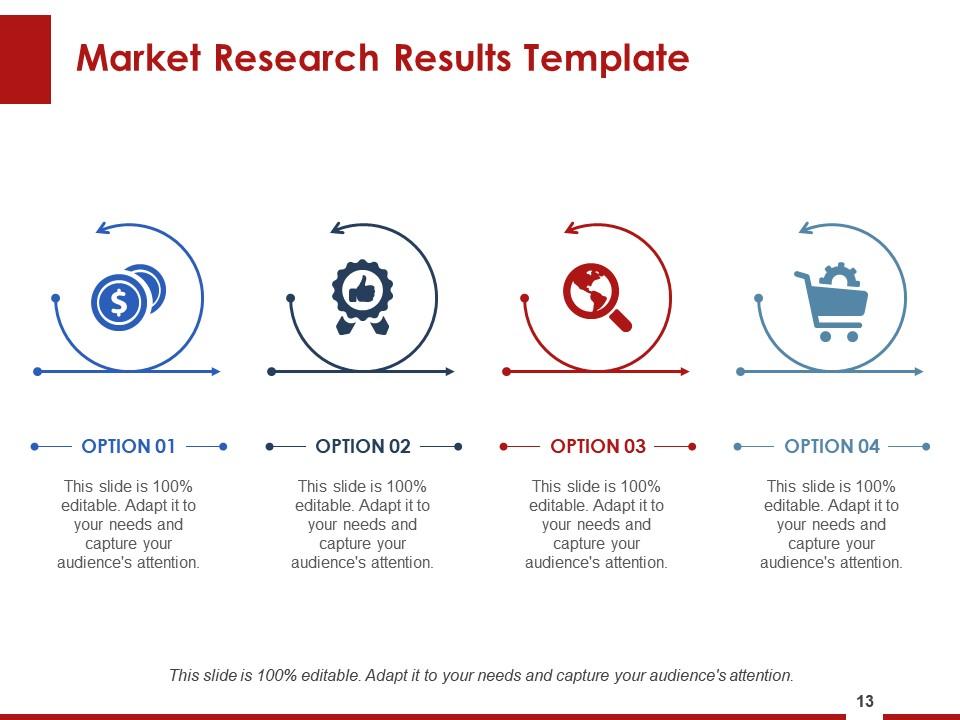
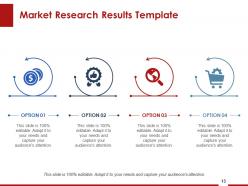
Slide 13: This slide presents a Market Research Results Template. State results here.
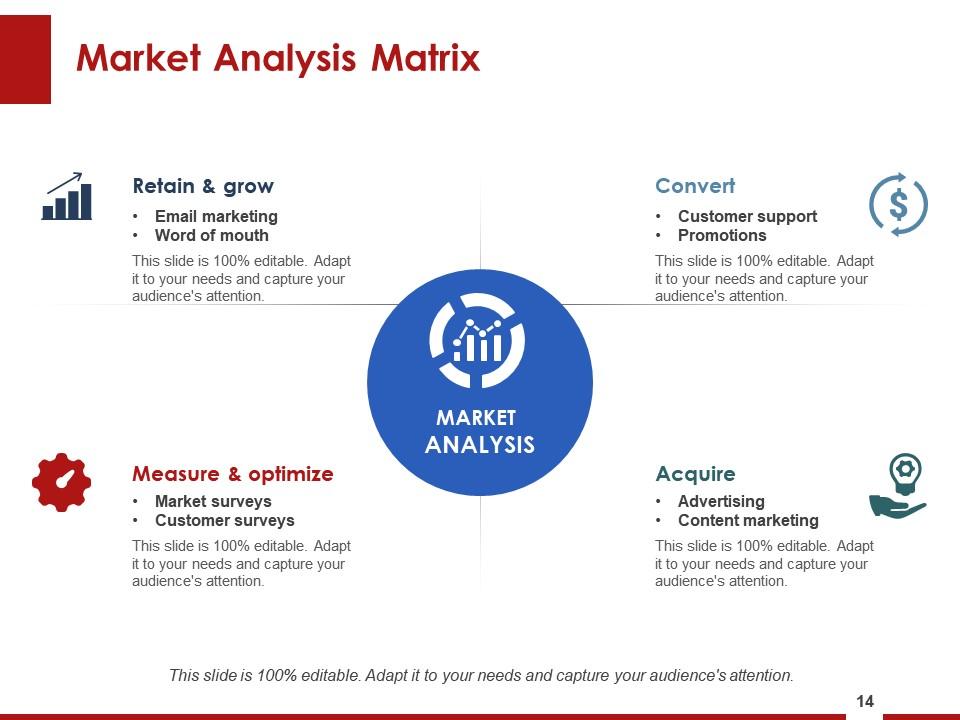
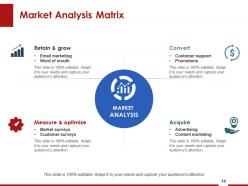
Slide 14: This slide presents a Market Analysis Matrix with the following sub headings- Retain & grow: Email marketing, Word of mouth. Measure & optimize: Market surveys, Customer surveys. Acquire: Advertising, Content marketing, Convert: Customer support, Promotions.
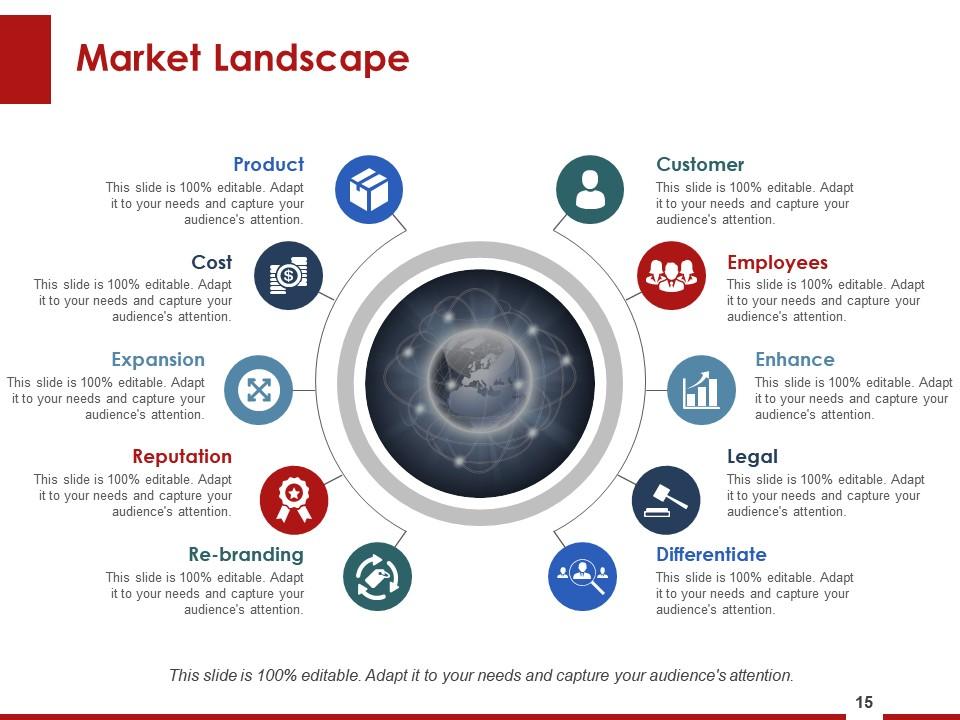
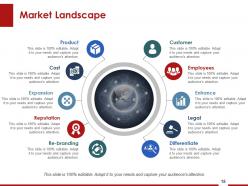
Slide 15: This slide presents a Market Landscape with the following subheadings- Customer, Employees, Enhance, Legal, Differentiate, Product, Cost, Expansion, Reputation, Re-branding.
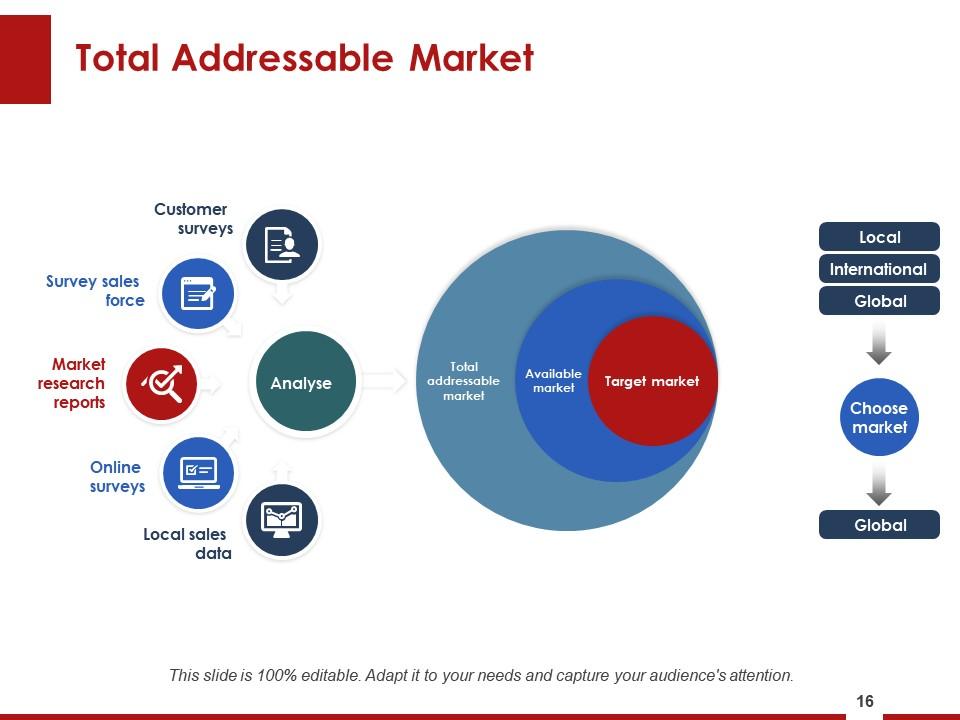
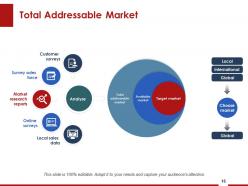
Slide 16: This slide presents Total Addressable Market with the following content- Target market, Available market, Total addressable market, Customer surveys, Survey salesforce, Market research reports, Online surveys, Local sales data, Analyse, Local, International, Global, Choose market.
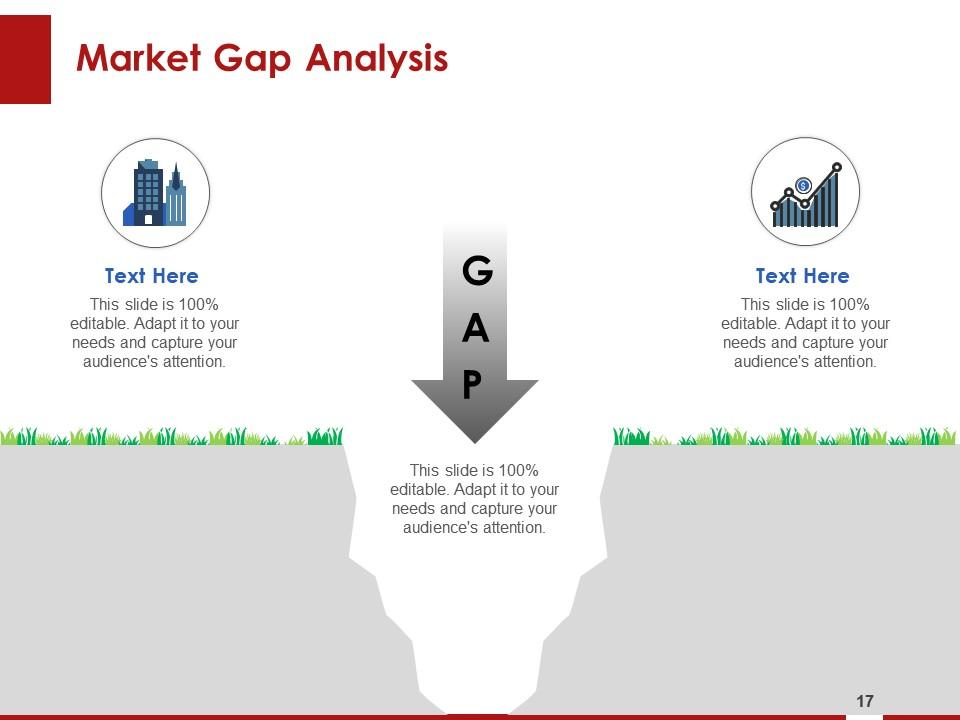
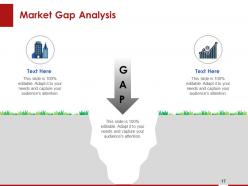
Slide 17: This slide presents Market Gap Analysis with imagery and text boxes.
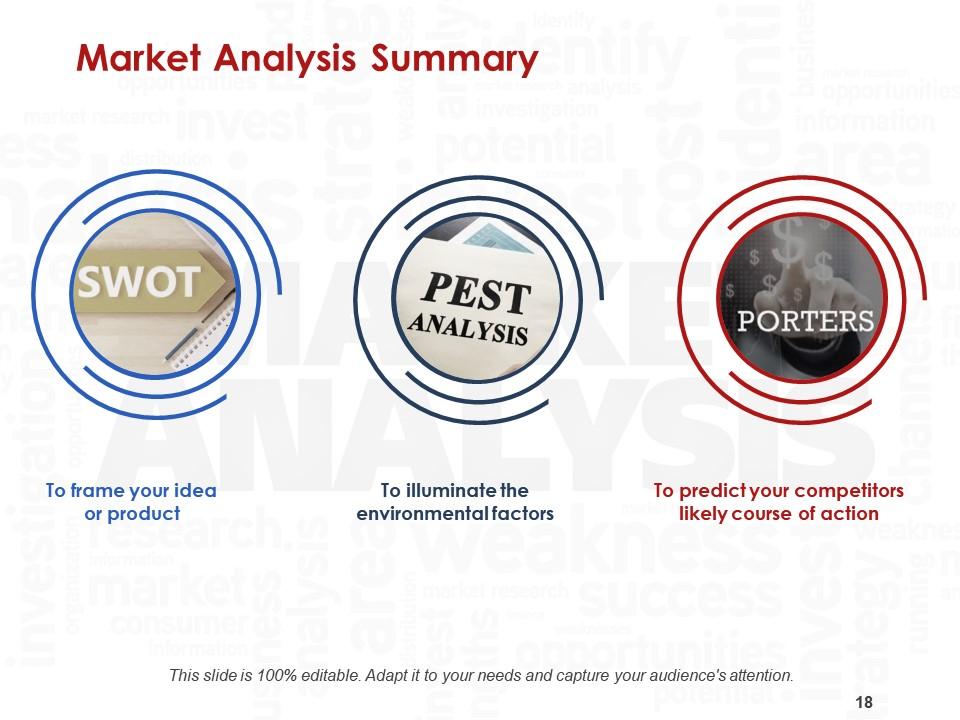
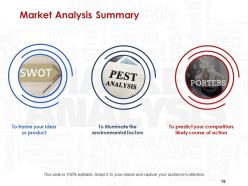
Slide 18: This slide presents Market Analysis Summary with the following points- To frame your idea or product, To illuminate the environmental factors, To predict your competitors likely course of action.
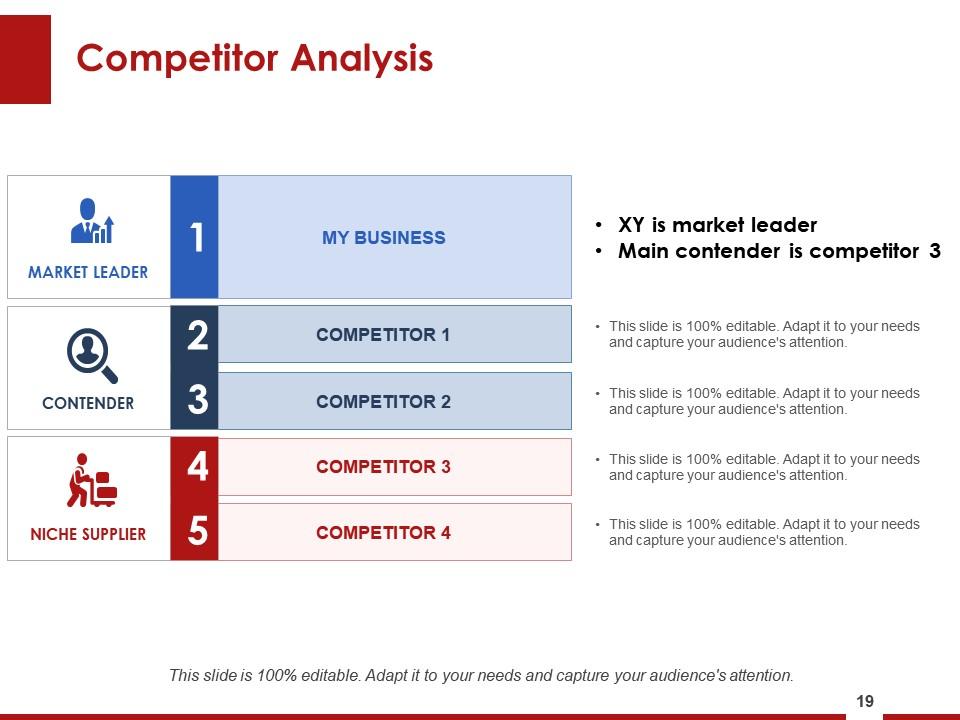
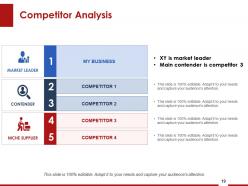
Slide 19: This slide presents Competitor Analysis in terms of- MARKET LEADER, CONTENDER, NICHE SUPPLIER.
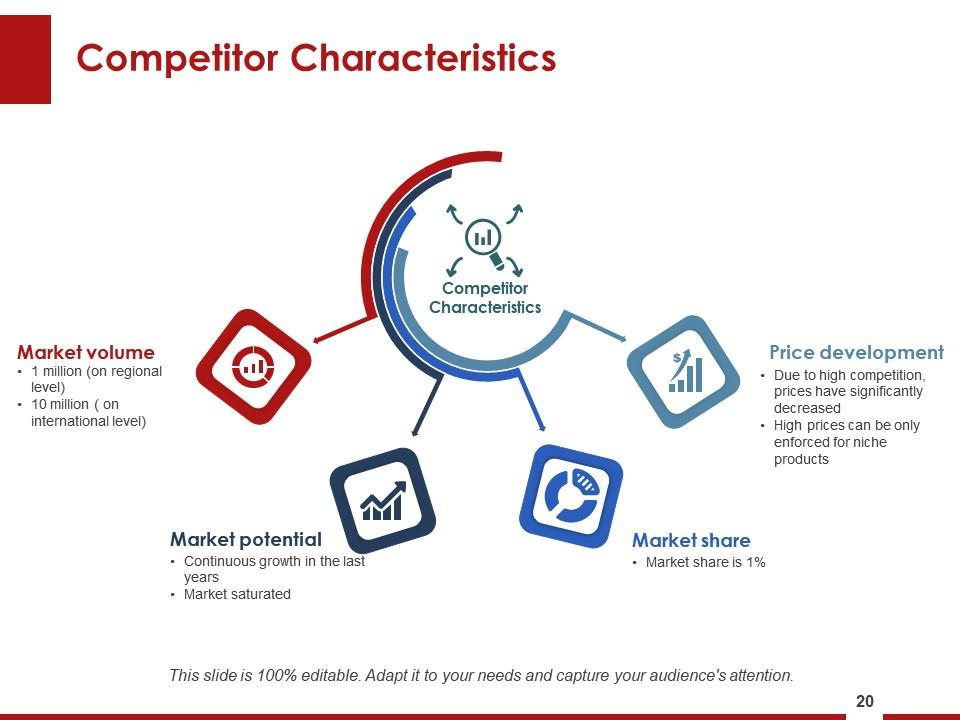
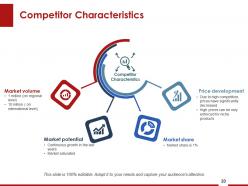
Slide 20: This slide shows Competitor Characteristics. The listed ones are- Market volume, Market potential, Market share, Price development.
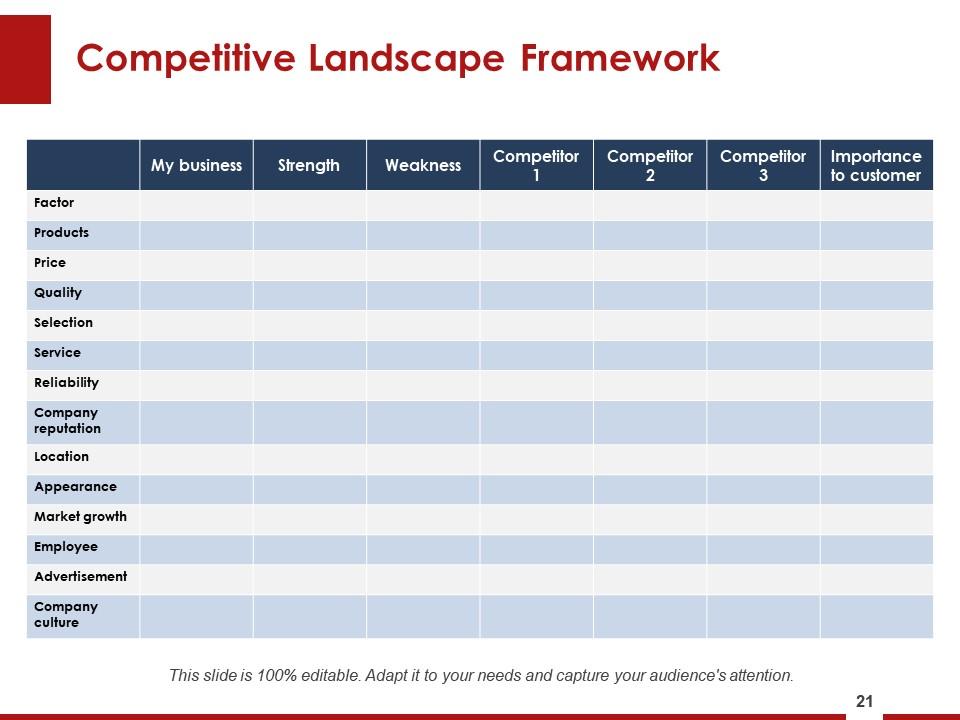
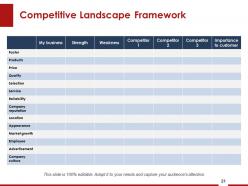
Slide 21: This slide presents a Competitive Landscape Framework.
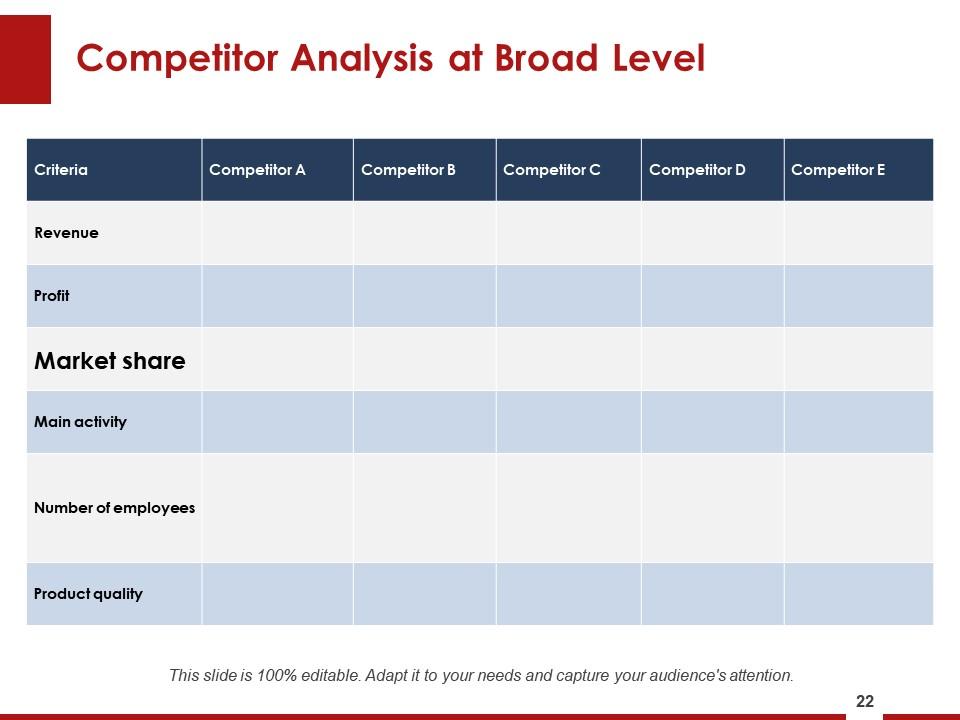
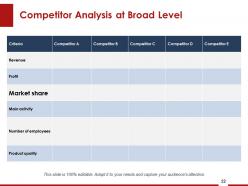
Slide 22: This slide presents Competitor Analysis at Broad Level.
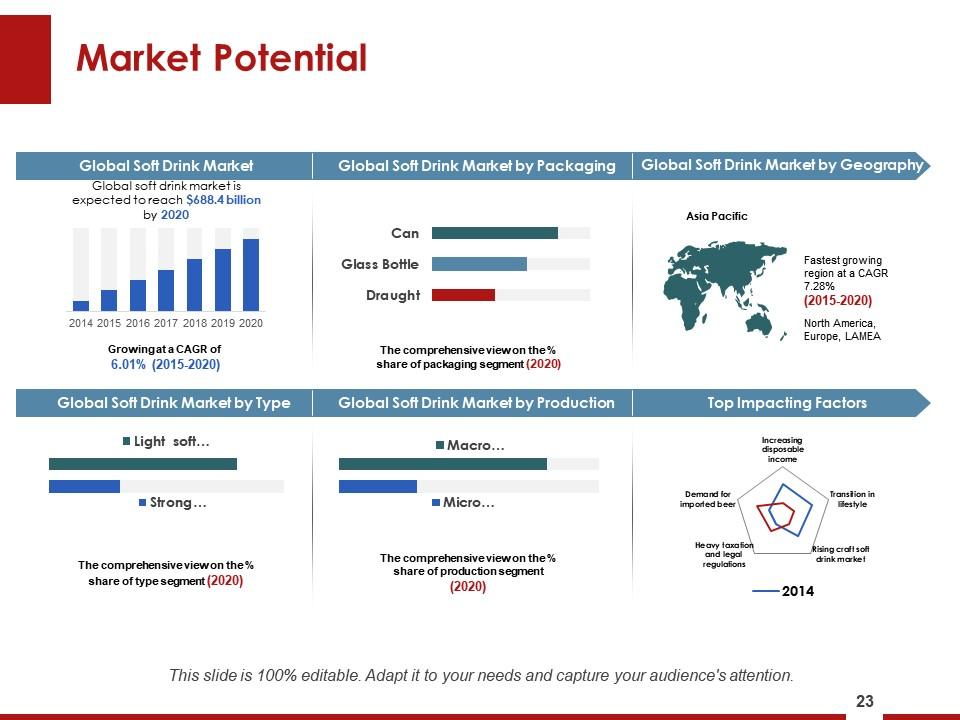
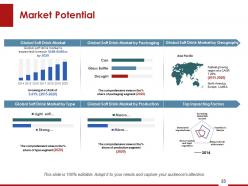
Slide 23: This slide shows Market Potential for the product.
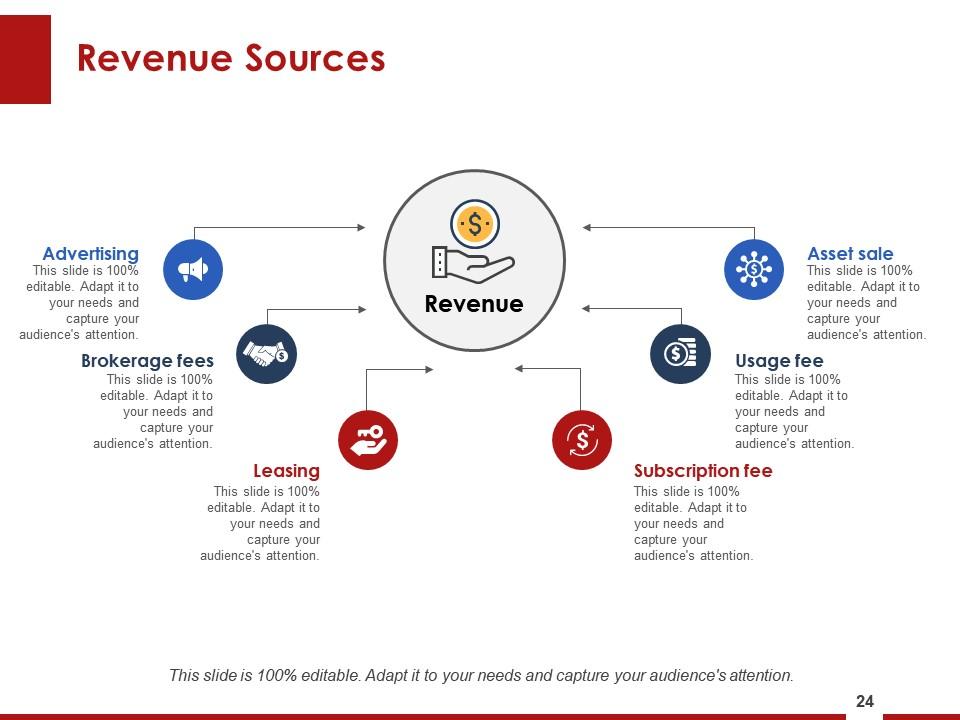
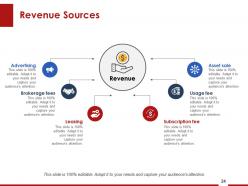
Slide 24: This slide presents Revenue Sources. Listed ones are- Advertising, Brokerage fees, Leasing, Asset sale, Usage fee, Subscription fee.
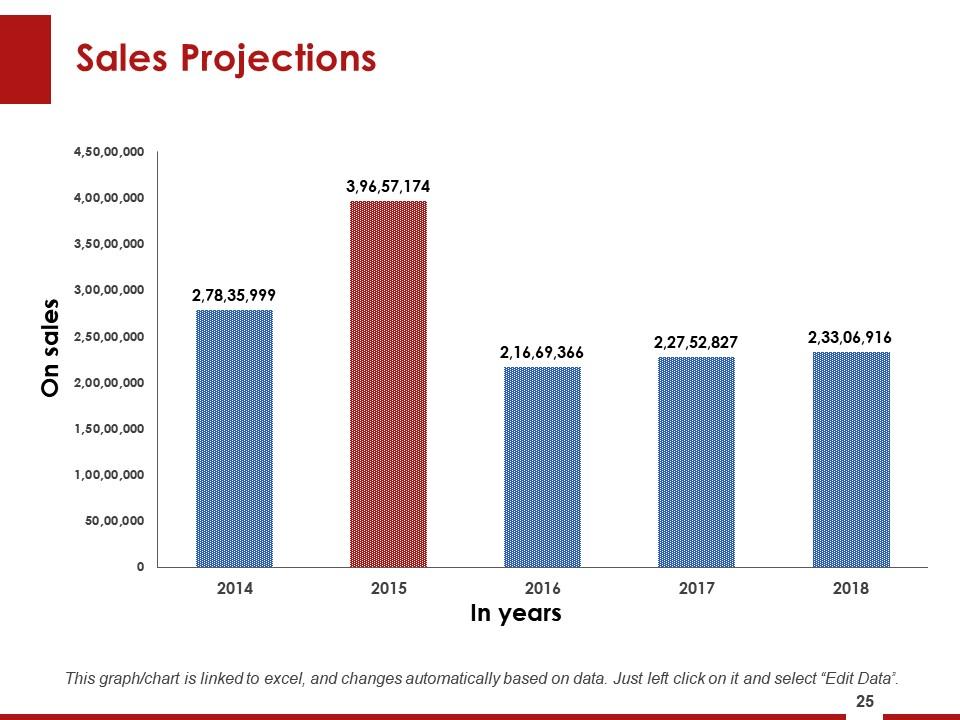
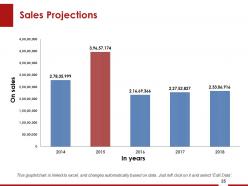
Slide 25: This slide showcases Sales Projections in graph form.
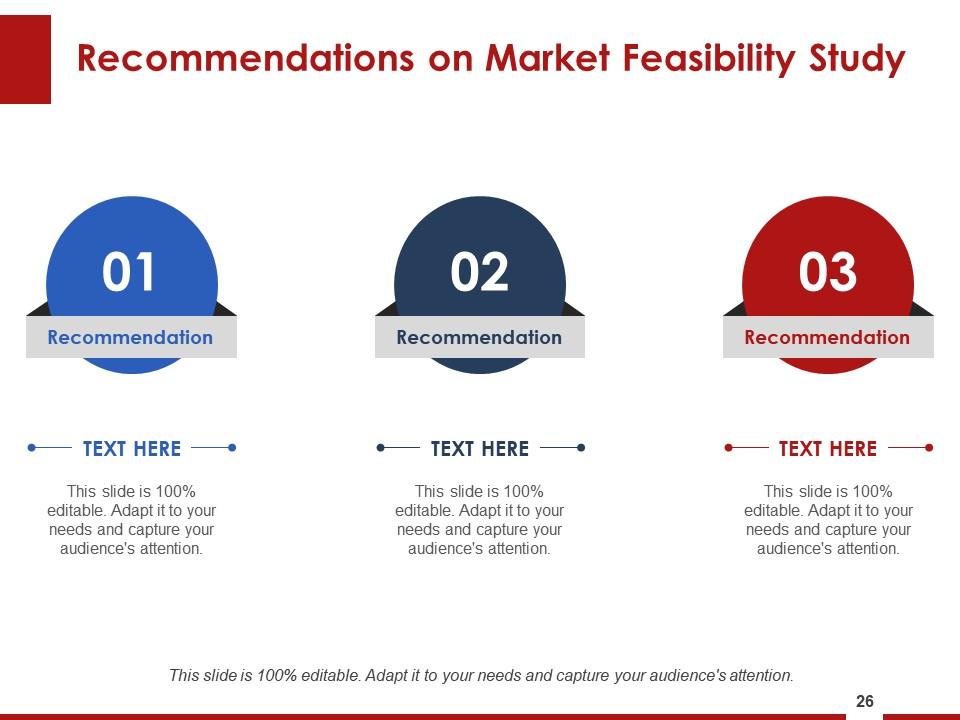
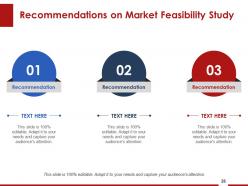
Slide 26: This slide presents Recommendations on Market Feasibility Study.
Slide 27: This is a Coffee Break image slide. You may change the slide content as per need.
Slide 28: This is a Market Feasibility Icons Slide. Use them as per requirement.
Slide 29: This is another Market Feasibility Icons Slide. Use them as per requirement.
Slide 30: This slide is titled Additional Slides to proceed forward.
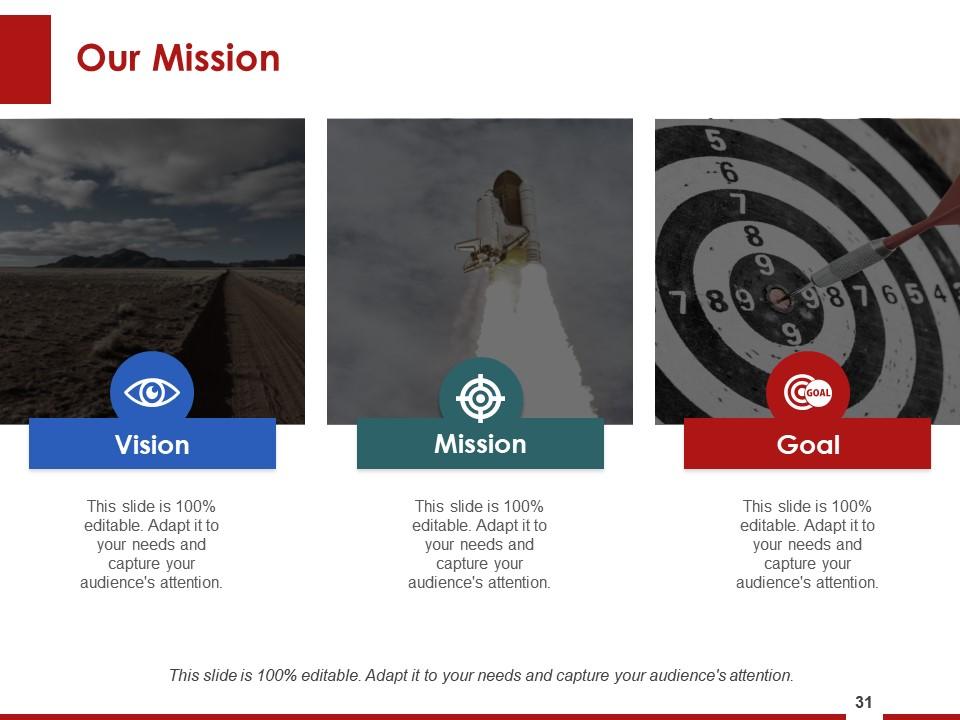
Slide 31: This is Our Mission slide with Vision and Goal. State them here.
Slide 32: This is Our Team slide with name, image and text boxes.
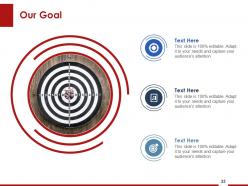
Slide 33: This is Our Goal slide. State them here.
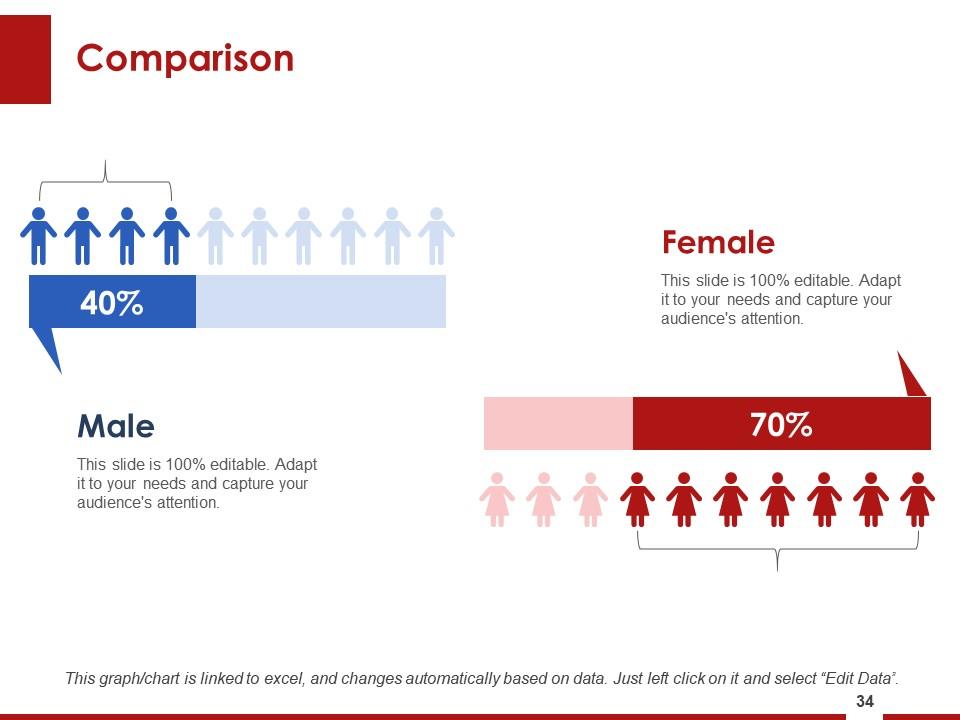
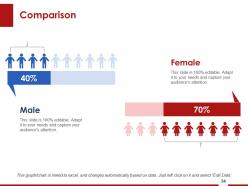
Slide 34: This is a Comparison slide for comparing two entities ( e.g male-female etc.)
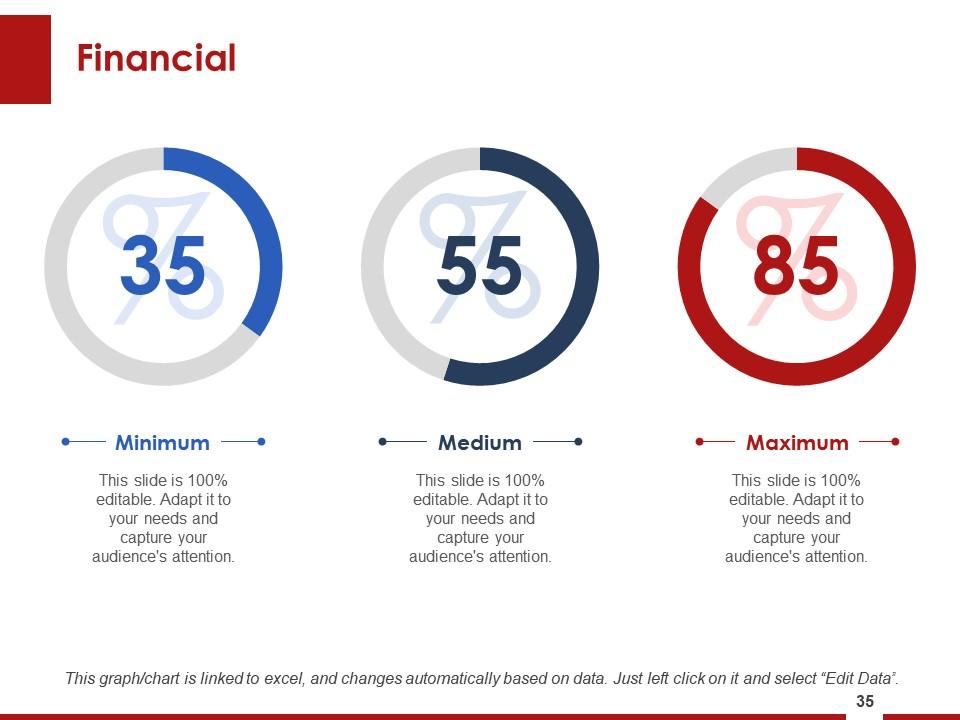
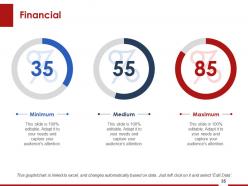
Slide 35: This slide shows Financial score. State financial aspects here.
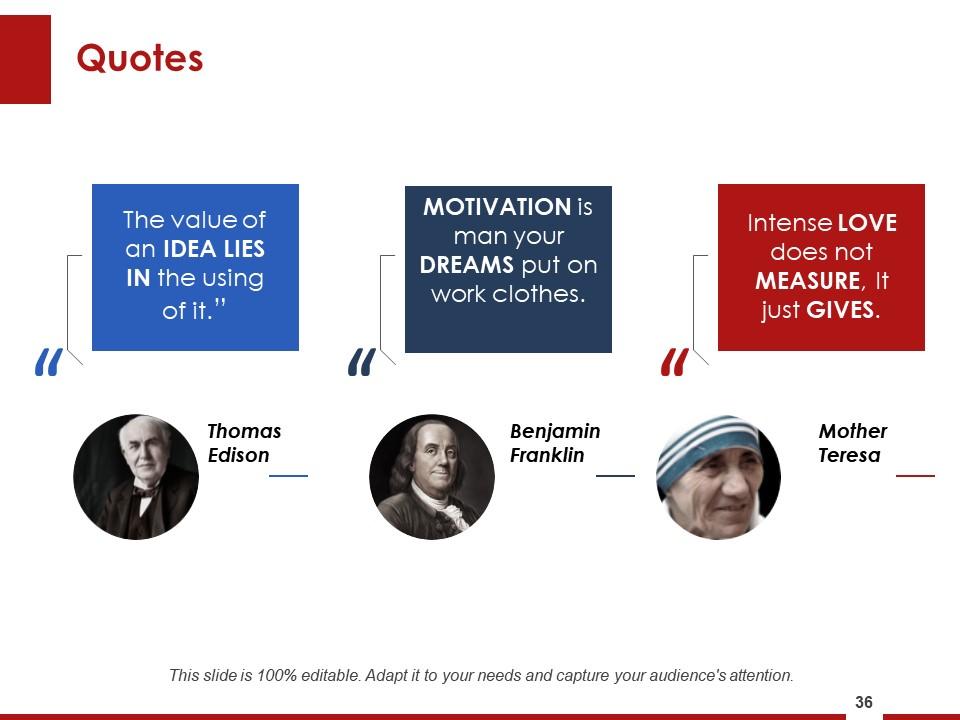
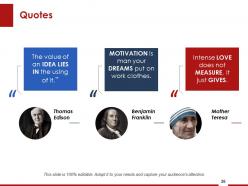
Slide 36: This is a Quotes slide to convey company beliefs, messages etc.
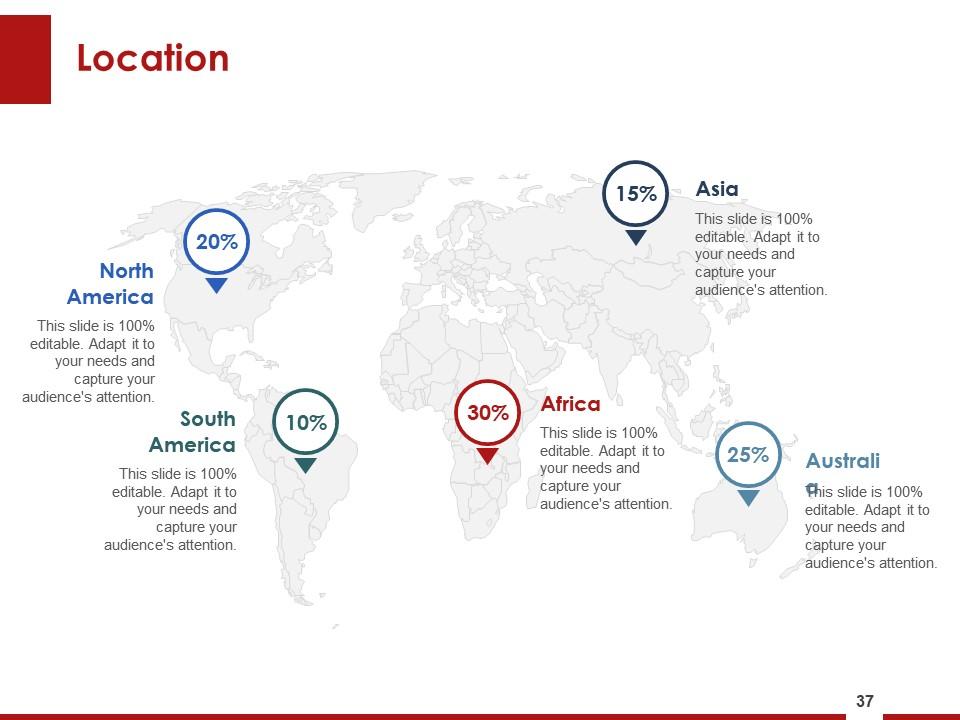
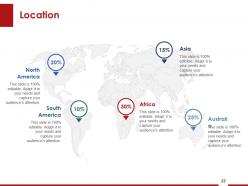
Slide 37: This is a Location slide of a world map to show global presence, growth etc.
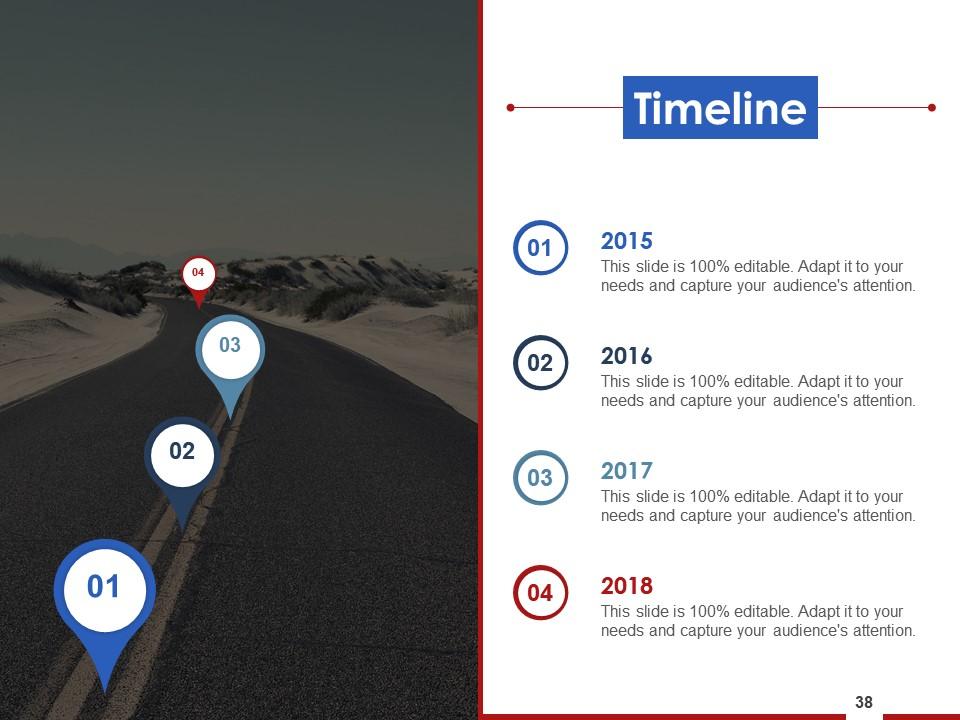
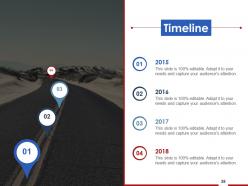
Slide 38: This is a Timeline slide to show highlighting factors, milestones etc.
Slide 39: This is a Post It slide for makring events, reminders etc.
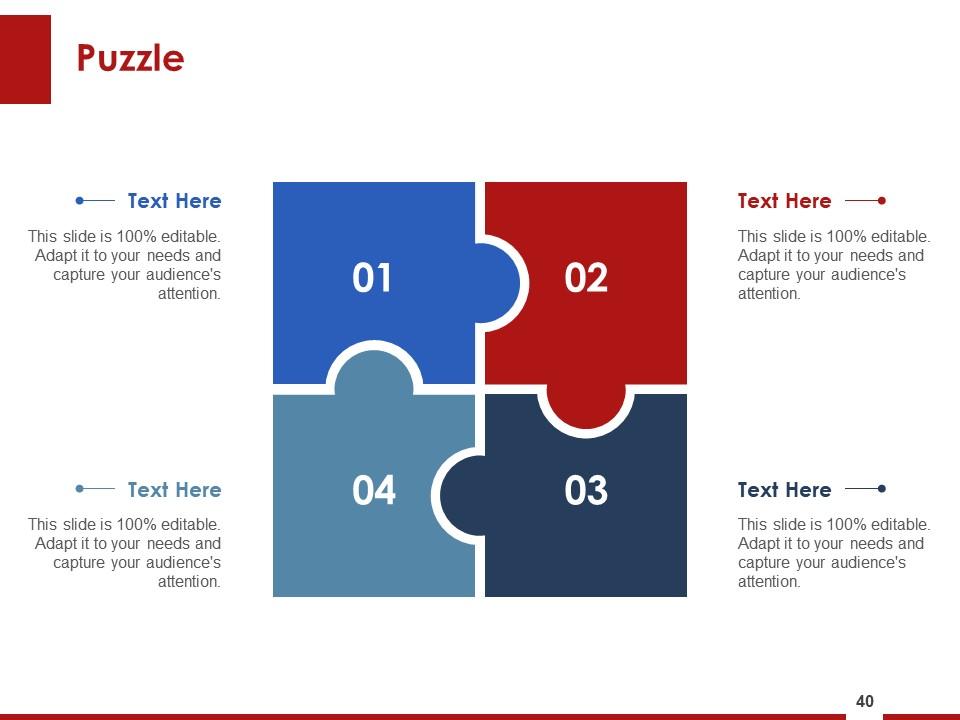
Slide 40: This is a Puzzle image slide to show information, specifications etc.
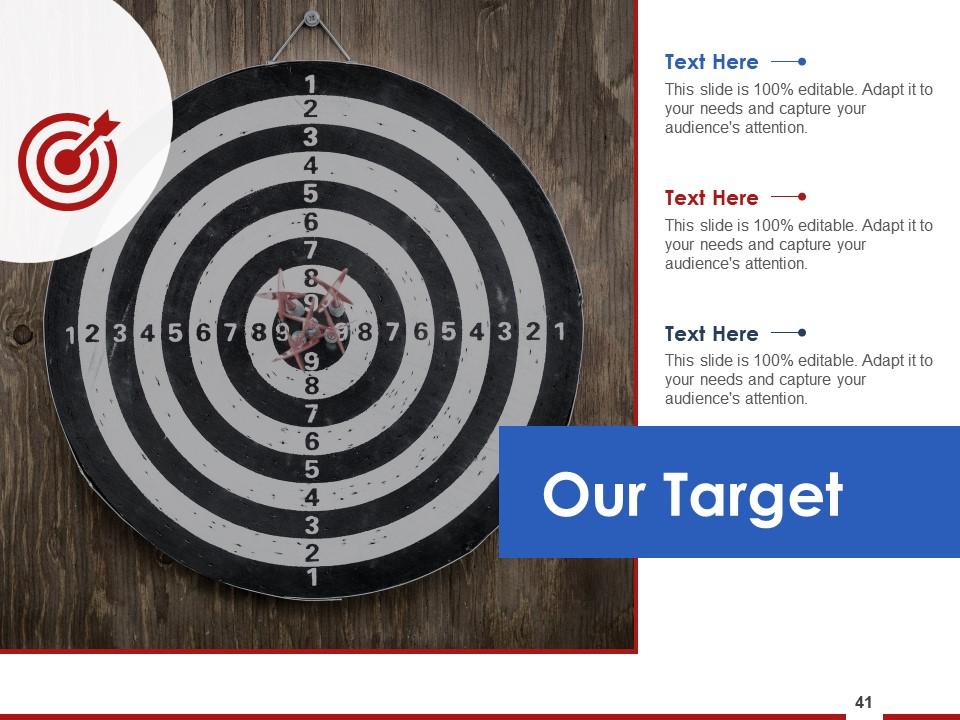
Slide 41: This is Our Target slide. State targets here.
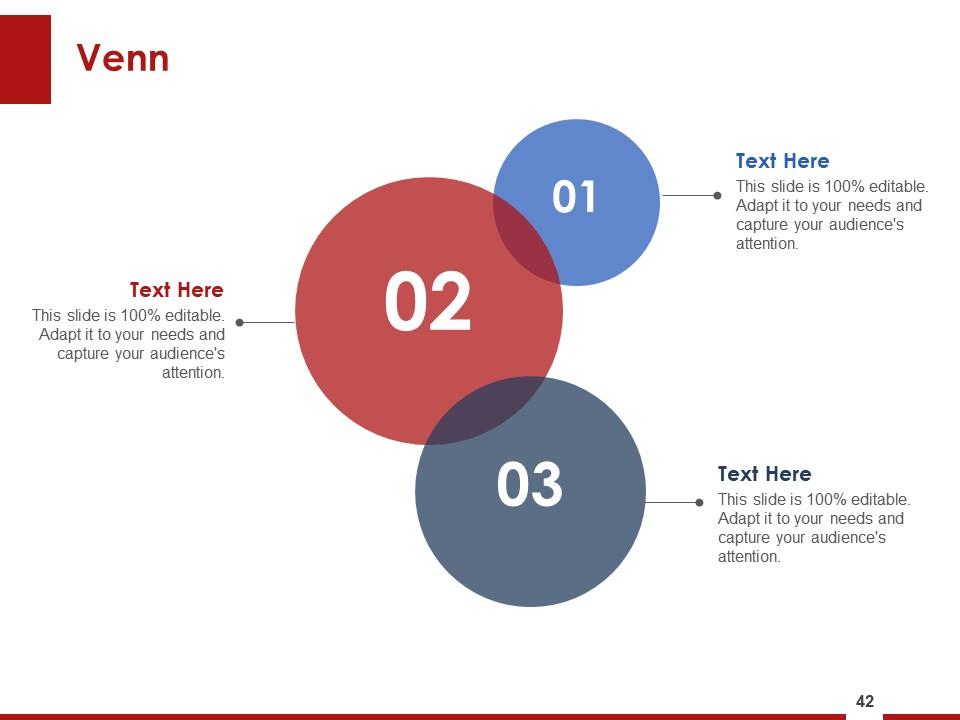
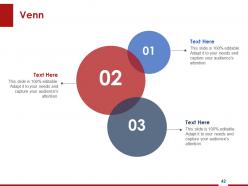
Slide 42: This is a Venn diagram slide to show information, specifications etc.
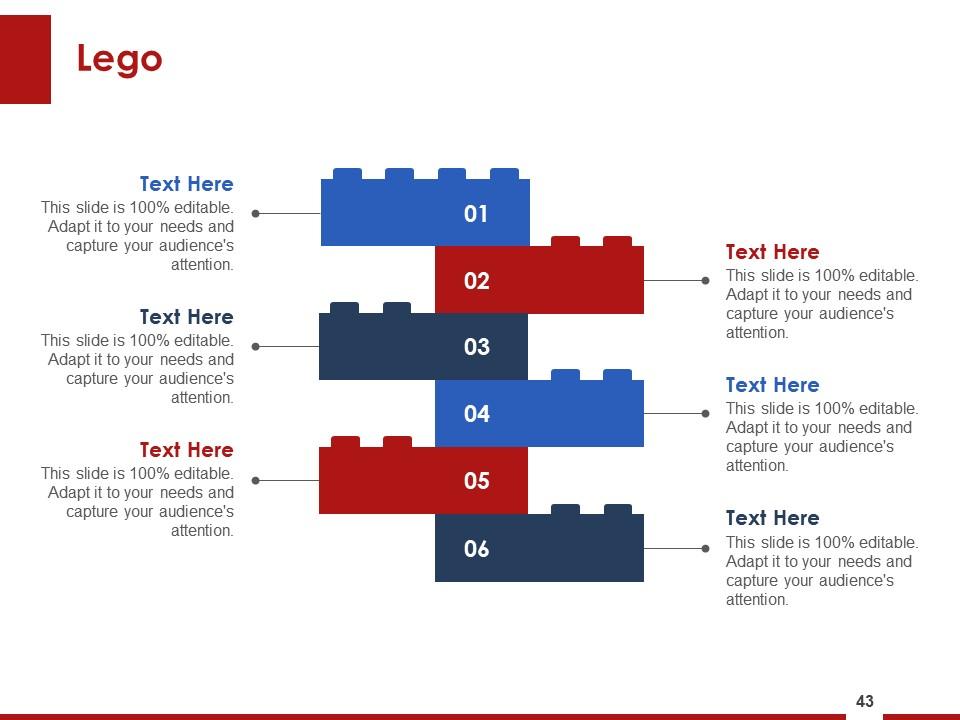
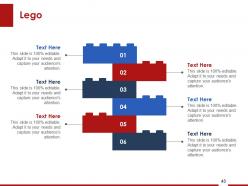
Slide 43: This is a Lego image slide to show information, specifications etc.
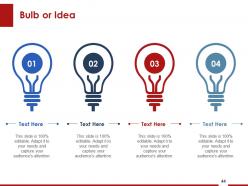
Slide 44: This is a Bulb/Idea image slide to show information, specification, innovative aspects etc.
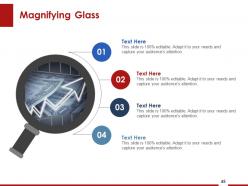
Slide 45: This is a Magnifying glass image slide to show information, specifications etc.
Slide 46: This slide is titled Charts & Graphs to move forward.
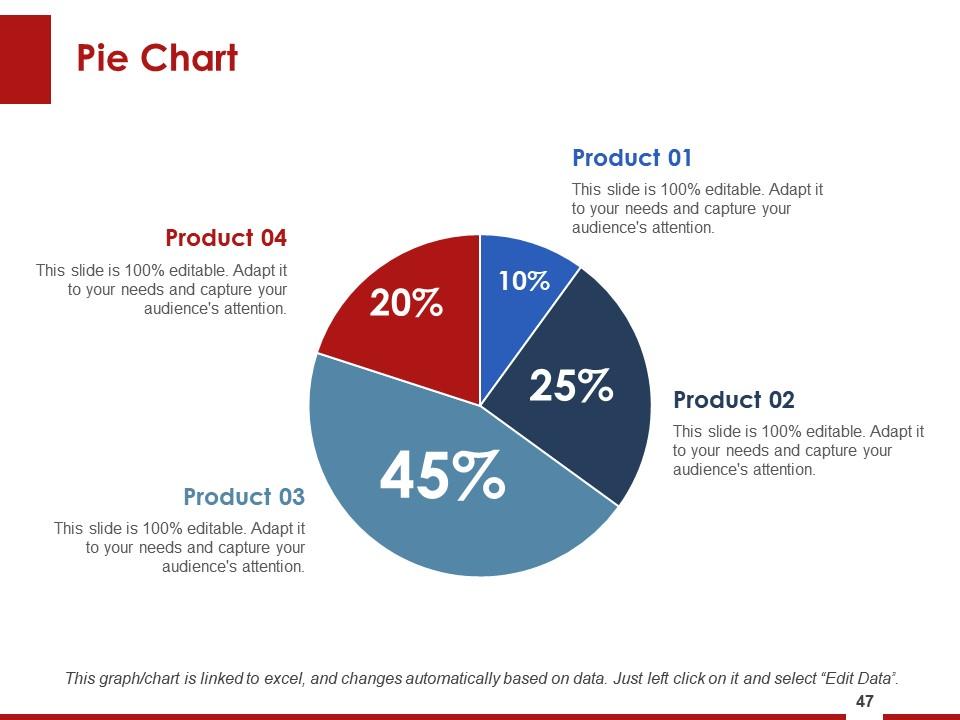
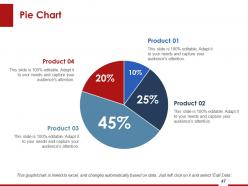
Slide 47: This is a Pie chart image slide to show information, specifications etc.
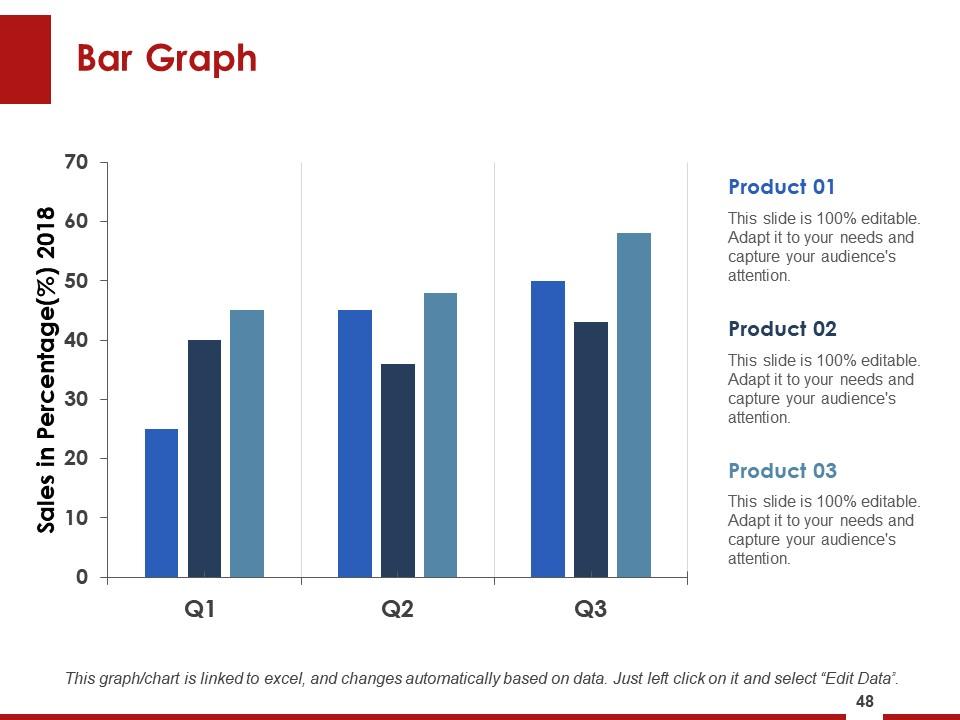
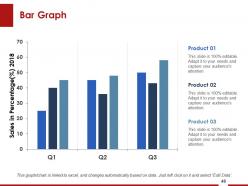
Slide 48: This is a Bar Graph slide to show information, product/entity comparison etc.
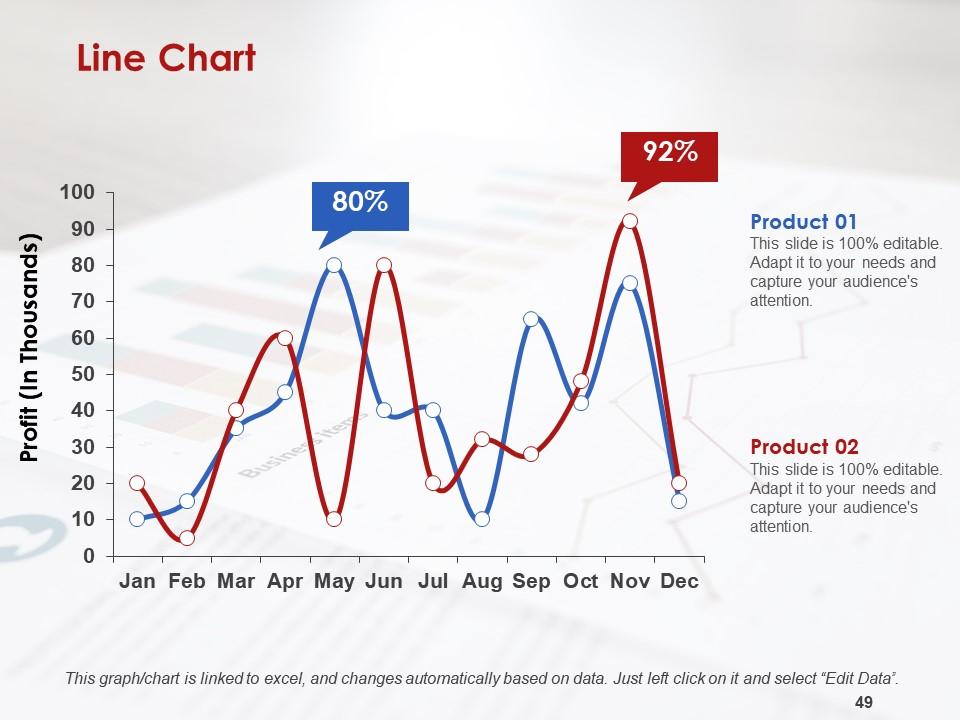
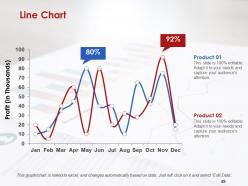
Slide 49: This is a Line Chart slide to show information, product/entity comparison etc.
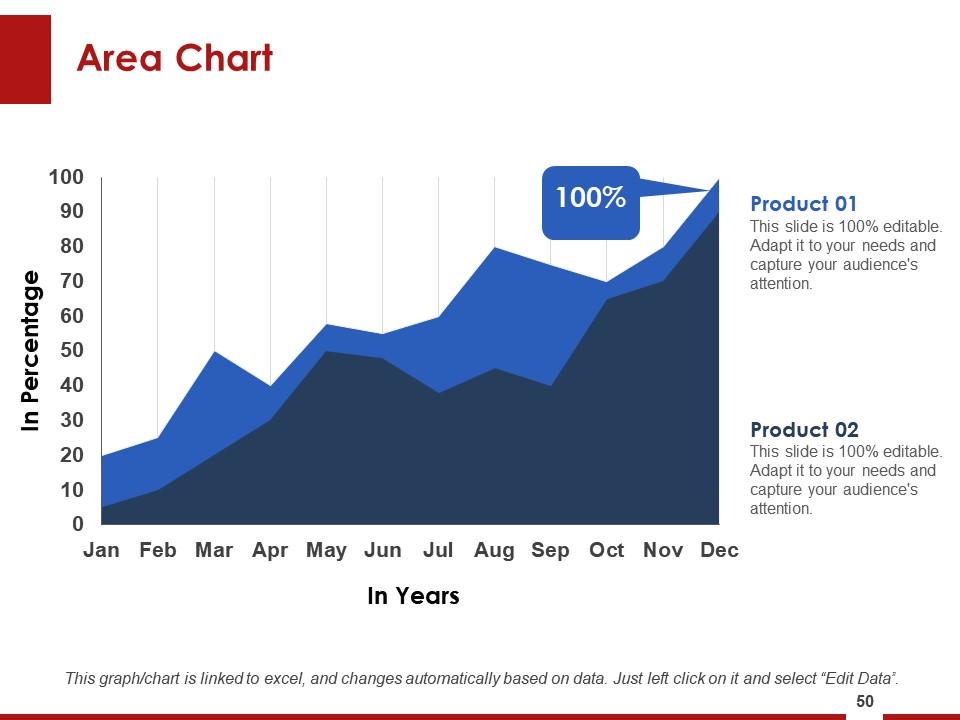
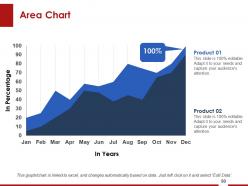
Slide 50: This is an Area Chart slide to show information, product/entity comparison etc.
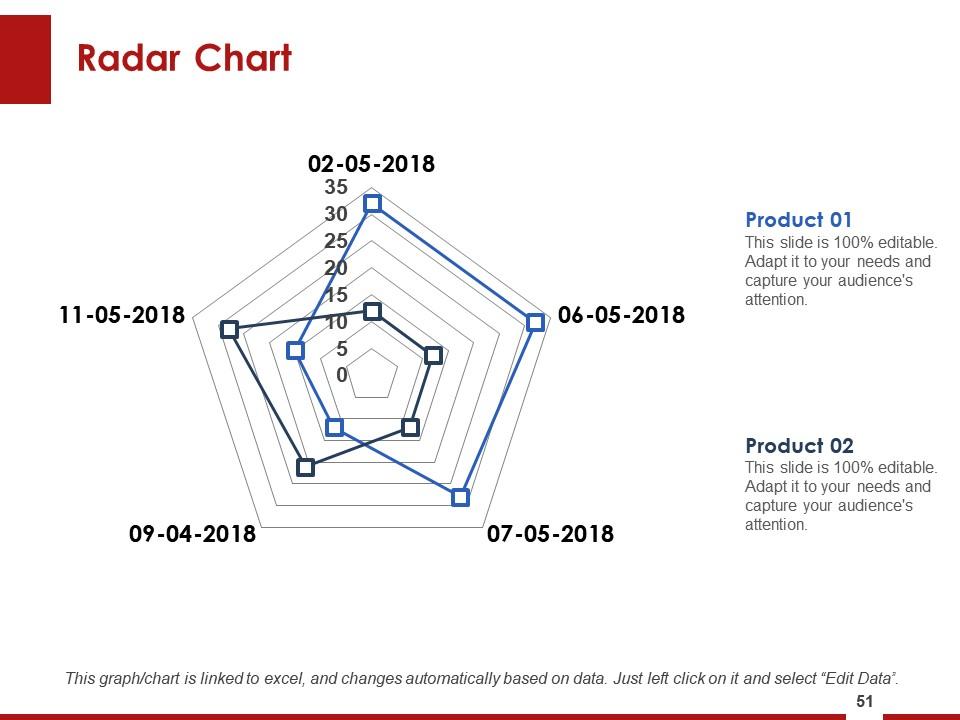
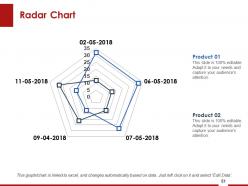
Slide 51: This is a Radar Chart slide to show information, product/entity comparison etc.
Slide 52: This is a Thank You slide with Address# street number, city, state, Contact Numbers, Email Address.
Market Feasibility Powerpoint Presentation Slides with all 52 slides:
Arrive at amicable conclusions with our Market Feasibility Powerpoint Presentation Slides. Bring about all round agreement.
-
The content is very helpful from business point of view.
-
The Designed Graphic are very professional and classic.
