


Channel sales marketing and strategy plan powerpoint presentation with slides





Try Before you Buy Download Free Sample Product
 Impress Your
 Audience
 100%
100% Editable
 Save Hours
 of Time


Are you looking to offer your consumers round the clock access to your products or services? Channel sales marketing indeed is the solution. Highlighting the major facets of this business strategy here we have come up with a pre designed good PPT example of channel marketing. You can download this PPT example to deliver PowerPoint presentation underlining significance of channel marketing strategy in making easy availability of products or services to consumers. In this PPT model we have included PowerPoint designs of Channel Marketing Planning, Currently Active Channels, Target Customers, Process To Manage Partners and many more to cast spotlight on each aspect of this channel management system. In nut shell, with this PPT sample file you can encourage your work force for sales channel development in order to augment sales and develop strong networks. In short, this presentation deck is best for sales executives, marketing managers and strategic thinkers of an organization.
People who downloaded this PowerPoint presentation also viewed the following :
Content of this Powerpoint Presentation
Slide 1: This slide introduces Channel Maketing. State Your Company Name and get started.
Slide 2: This is an Agenda slide. State your agendas here.
Slide 3: This is Our Team slide with name, deisgnation and image boxes. State team specifications here.
Slide 4: This is an About Us slide. State company/team specifications here.
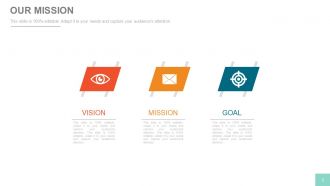
Slide 5: This is Our Mission slide with Vision and Goal. State all these aspects here.
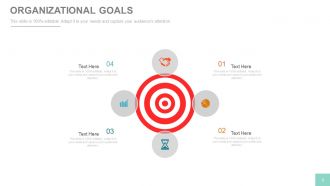
Slide 6: This slide presents Organizational Goals. State them here.
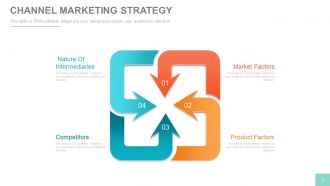
Slide 7: This slide showcases Channel Marketing Startegy. The points included are- Market Factors, Product Factors, Competitors, Nature Of Intermediaries.
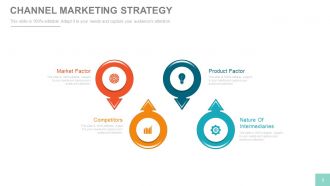
Slide 8: This slide presents Channel Marketing Strategy with the following points- Nature Of Intermediaries, Product Factor, Market Factor, Competitors.
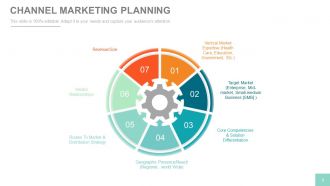
Slide 9: This slide showcases Channel Marketing Planning with the following points- Target Market (Enterprise, Mid-market, Small-medium Business [SMB] ), Vertical Market Expertise (Health Care, Education, Government, Etc.), Core Competencies & Solution Differentiation, Geographic Presence/Reach (Regional…world Wide), Routes To Market & Distribution Strategy, Vendor Relationships, Revenue/Size.
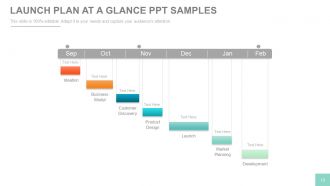
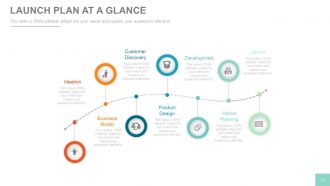
Slide 10: This slide shows a Launch Plan At a Glance PPT Samples with the following subheadings- Ideation, Business Model, Customer Discovery, Product Design, Launch, Market Planning, Development.
Slide 11: This slide also shows a Launch Plan At a Glance PPT Samples with the following subheadings- Ideation, Business Model, Customer Discovery, Product Design, Launch, Market Planning, Development.
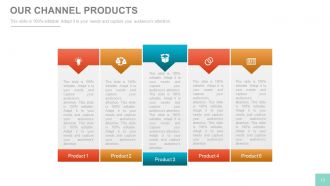
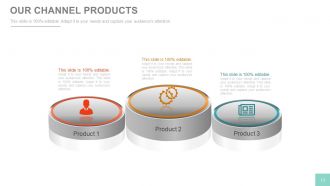
Slide 12: This slide shows Our Channel Products. State product aspects, varieties etc. here.
Slide 13: This slide also shows Our Channel Products. State product aspects, varieties etc. here.
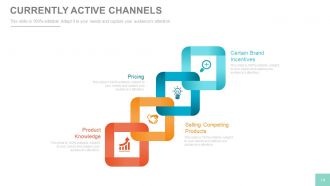
Slide 14: This slide shows Currently Active Channels. The listed ones are- Certain Brand Incentives, Selling Competing Products, Pricing, Product Knowledge.
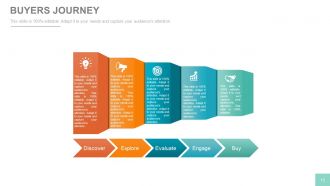
Slide 15: This slide presents the Buyers Journey with the following subheadings- Discover, Explore, Evaluate, Buy, Engage.
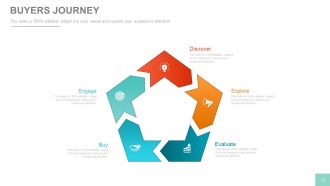
Slide 16: This slide too presents the Buyers Journey with the following subheadings- Discover, Explore, Evaluate, Buy, Engage.
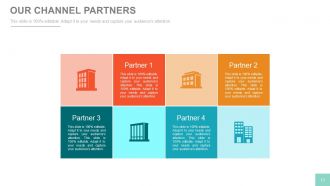
Slide 17: This slide presents Our Channel Partners. State partnering aspects here.
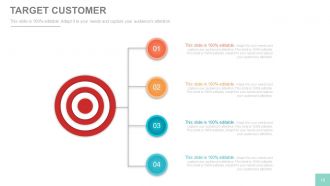
Slide 18: This slide showcases Target Customer. State customer aspects here.
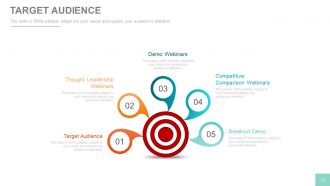
Slide 19: This slide presents Target Audience. State audience aspects here. The listed points are- Demo Webinars, Competitive Comparison Webinars, Breakout Demo, Target Audience, Thought Leadership Webinars.
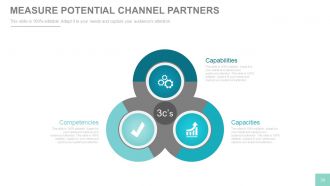
Slide 20: This slide showcases Measure Potential Channel Partners with the following Cs- Competencies, Capacities, Capabilities.
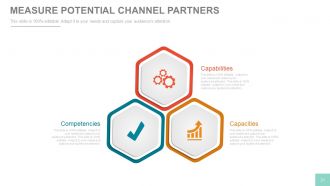
Slide 21: This slide also shows Measure Potential Channel Partners with the following Cs- Competencies, Capacities, Capabilities.
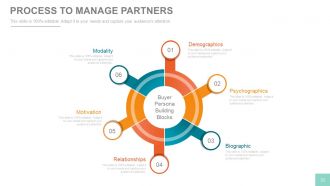
Slide 22: This slide shows Process To Manage Partners with the following points- Demographics, Psychographics, Biographic, Relationships, Motivation, Modality.
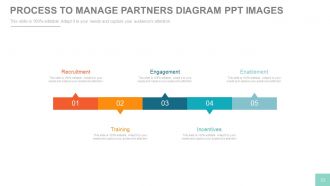
Slide 23: This slide shows Process To Manage Partners Diagram PPT Images with the following subheadings- Training, Incentives, Recruitment, Engagement, Enablement.
Slide 24: This slide presents Our Lead Generation Process PPT Examples.
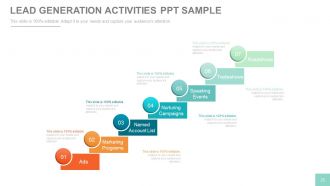
Slide 25: This slide shows Lead Generation Activities PPT Sample with the following points- Ads, Marketing Programs, Named Account List, Nurturing Campaigns, Speaking Events, Roadshows, Tradeshows.
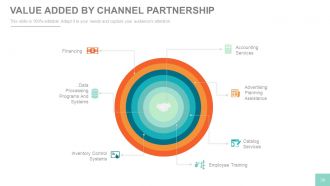
Slide 26: This slide presents Value Added By Channel Partnership with the following points- Accounting Services, Advertising Planning Assistance, Catalog Services, Employee Training, Inventory Control Systems, Data Processing Programs And Systems, Financing.
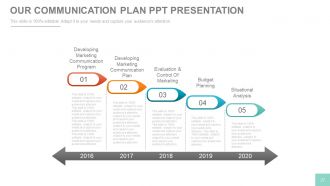
Slide 27: This slide presents Our Communication Plan PPT Presentation with the following points- Developing Marketing Communication Program, Developing Marketing Communication Plan, Evaluation & Control Of Marketing, Budget Planning, Situational Analysis.
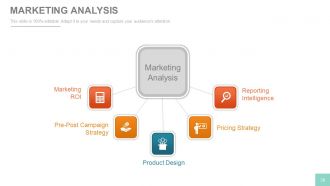
Slide 28: This slide shows Marketing Analysis with the following points- Reporting, Intelligence, Pricing Strategy, Product Design, Pre-Post Campaign Strategy, Marketing ROI.
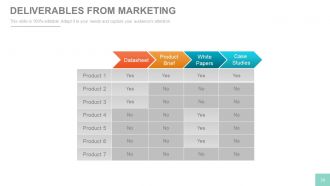
Slide 29: This slide showcases Deliverables From Marketing table with the subheadings- Case Studies, White Papers, Product Brief, Datasheet.
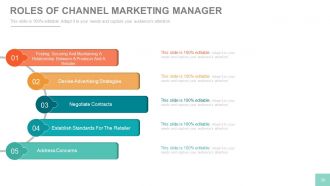
Slide 30: This slide displays Roles Of Channel Marketing Manager. Some of these listed are- Finding, Securing And Maintaining A Relationship Between A Producer And A Retailer, Devise Advertising Strategies, Negotiate Contracts, Establish Standards For The Retailer, Address Concerns.
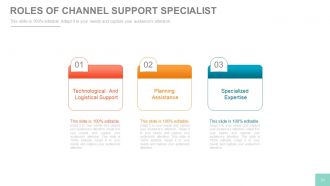
Slide 31: This slide presents Roles Of Channel Support Specialist with the following points- Technological And Logistical Support, Planning Assistance, Specialized Expertise.
Slide 32: This slide displays Our Top Channel Sales People. State top sales performers here.
Slide 33: This slide shows Our Channel Sales Numbers in different graph forms.
Slide 34: This slide showcases Sales By Region on world map image.
Slide 35: This slide presents US Sales By Regions in terms of- Average Sales, Higher Sales, Lowest Sales. All States can be colored and edited separately.
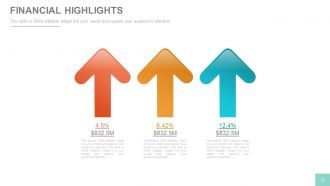
Slide 36: This slide shows Financial Highlights. State finance related aspects etc. here.
Slide 37: This slide too shows Financial Highlights. State finance related aspects etc. here.
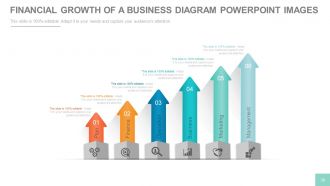
Slide 38: This slide presents Financial Growth Of a Business Diagram Powerpoint Images with the following points- Plan, Business, Marketing, Management, Operation, Finance.
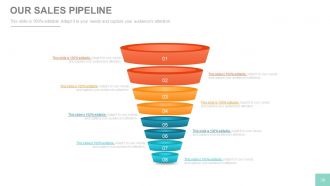
Slide 39: This slide shows Our Sales Pipeline. State sales aspects etc. here.
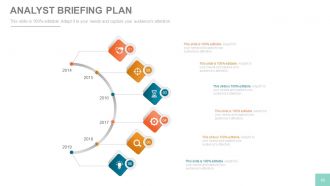
Slide 40: This slide presents an Analyst Briefing Plan.
Slide 41: This slide showcases Types Of Channel Promotions Used.
Slide 42: This slide presents Channel Promotional Events such as- Referral Program, Regional Events, Press Release, Buy Back Program, Trade Shows.
Slide 43: This slide presents Our Trade Show Calendar.
Slide 44: This slide shows a Website Update Plan.
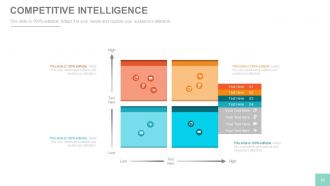
Slide 45: This slide presents a Competitive Intelligence Matrix.
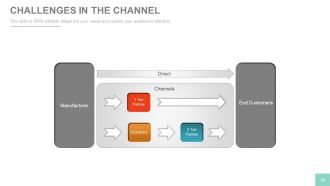
Slide 46: This slide shows Challenges in The Channel from Manufacturer to End Customer.
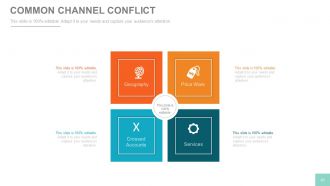
Slide 47: This slide shows Common Channel Conflict with the following subheadings- Geography, Services, Crossed Accounts, Price Wars.
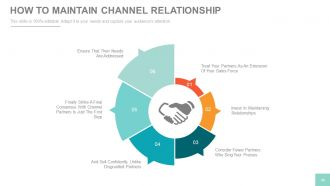
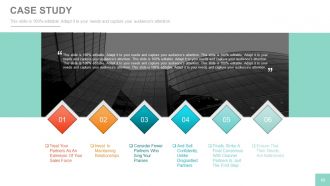
Slide 48: This slide showcases How to Maintain Channel Relationship with the following points- Treat Your Partners As An Extension Of Your Sales Force, Invest In Maintaining Relationships, Consider Fewer Partners Who Sing Your Praises, And Sell Confidently, Unlike Disgruntled Partners, Finally Strike A Final Consensus With Channel Partners Is Just The First Step, Ensure That Their Needs Are Addressed.
Slide 49: This slide presents Case Study.
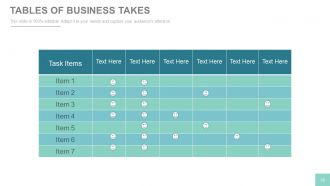
Slide 50: This slide presents Table Of Business Takes.
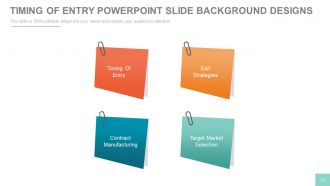
Slide 51: This slide shows TIMING OF ENTRY POWERPOINT SLIDE BACKGROUND DESIGNS with the following points- Timing Of Entry, Exit Strategies, Contract Manufacturing, Target Market Selection.
Slide 52: This is a News Paper slide to show events, news etc. You can change the slide content as per need.
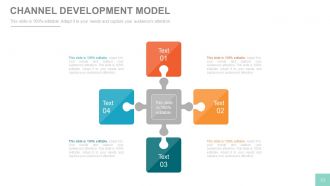
Slide 53: This slide shows CHANNEL DEVELOPMENT MODEL.
Slide 54: This slide showcases Social Media Marketing Plan.
Slide 55: This slide shows BALANCED SCORECARD DASHBOARD FRAMEWORK PPT SAMPLE with the following points- Learning and Growth, Customer, Internal Business Processes, Financial.
Slide 56: This is a Quotes slide to convey messages, beliefs etc.
Slide 57: This is a Magnifying Glass image slide to show information, specifications etc.
Slide 58: This is a Magnifying Glass image slide to show product/entity comparison, information, specifications etc.
Slide 59: This slide shows FUNNEL ANALYSIS FOR MARKET RESEARCH DIAGRAM POWERPOINT SLIDES with the points- Identify Customer, Creat Brand Identity, Develop Price Strategy, Relate To Customer.
Slide 60: This is a Thank You slide for acknowledgement.
Channel sales marketing and strategy plan powerpoint presentation with slides with all 60 slides:
Sign the chit with our Channel Sales Marketing And Strategy Plan Complete Decks. Give your ideas an ironclad gaurantee.
-

Channel Marketing
-
Agenda Slide
-

Our Team
-

About Us
-
Our Mission
-
Organizational Goals
-
CHANNEL MARKETING STRATEGY
-
CHANNEL MARKETING STRATEGY
-
CHANNEL MARKETING PLANNING
-
Launch Plan at a Glance PPT Samples
-
Launch Plan at a Glance
-
Our Channel Products
-
Our Channel Products
-
Currently Active Channels
-
Buyers Journey
-
Buyers Journey
-
Our Channel Partners
-
Target Customer
-
Target Audience
-
Measure Potential Channel Partners
-
Measure Potential Channel Partners
-
Process to Manage Partners
-
Process to Manage Partners Diagram PPT Images
-

Our Lead Generation Process PPT Examples
-
Lead Generation Activities PPT Sample
-
Value Added by Channel Partnership
-
OUR COMMUNICATION PLAN PPT PRESENTATION
-
Marketing Analysis
-
Deliverables from Marketing
-
ROLES OF CHANNEL MARKETING MANAGER
-
ROLES OF CHANNEL SUPPORT SPECIALIST
-

Our Top Channel Sales People
-
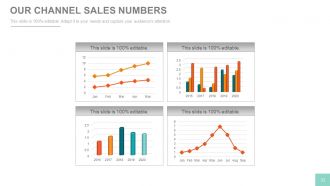
Our Channel Sales Numbers
-
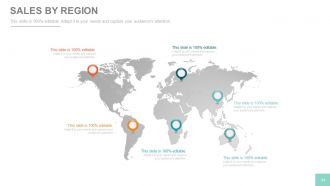
Sales by Region
-
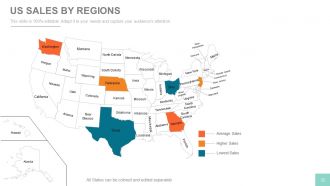
US Sales by Regions
-
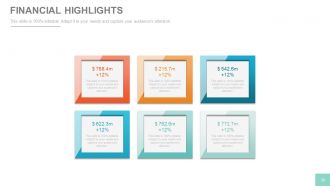
Financial Highlights
-
Financial Highlights
-
Financial Growth of a Business Diagram PowerPoint Images
-
Our Sales Pipeline
-
Analyst Briefing Plan
-
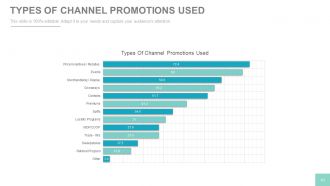
Types Of Channel Promotions Used
-
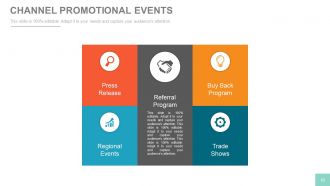
CHANNEL PROMOTIONAL EVENTS
-
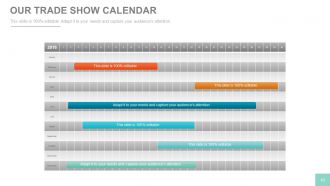
Our Trade Show Calendar
-
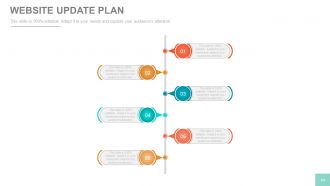
Website Update Plan
-
Competitive Intelligence
-
CHALLENGES IN THE CHANNEL
-
Common Channel Conflict
-
How to Maintain Channel Relationship
-
Case Study
-
Tables of Business Takes
-
Timing Of Entry PowerPoint Slide Background Designs
-

News Paper Layouts
-
CHANNEL DEVELOPMENT MODEL
-
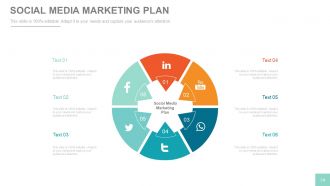
Social Media Marketing Plan
-
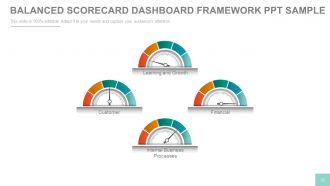
Balanced Scorecard Dashboard Framework PPT Sample
-

Quotes
-
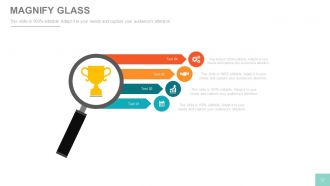
MAGNIFY GLASS
-
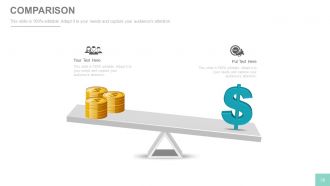
Comparison
-

Funnel Analysis for Market Research Diagram PowerPoint Slides
-

Thank You Slide
FAQs for Channel sales marketing and strategy plan powerpoint
Honestly, it comes down to three things. Pick partners who actually make sense - not just whoever responds to your emails first. I made that mistake once and it was brutal. Give them real training and decent sales materials so they don't butcher your pitch. Communication is huge too - set up regular check-ins and track what's working. Don't treat them like some distant vendor. They're basically your sales team in different locations. Start by figuring out what your dream partner looks like, then go hunt for those specific companies.
First, figure out who you're actually targeting - what kind of reach and customer base makes sense? You want partners who already talk to your customers but aren't competing with you directly. Do some digging on their reputation and past partnerships. Honestly, the biggest names aren't always your best bet - smaller partners might hustle harder for you. Talk to their actual teams, not just the sales people. You'll get a feel for whether you can actually work together. I'd suggest making some kind of simple scoring system so you don't get swept up in a good pitch. Start small with pilot programs before committing to anything major.
Dude, tech totally saves your sanity with channel sales. Partner portals make onboarding way smoother, and CRM integration lets you actually see where leads go instead of wondering if they disappeared into some black hole. Analytics show you which partners are crushing it vs the ones just taking up space. Without decent tools, you're basically playing whack-a-mole with a dozen different partners. Oh, and pick stuff they'll actually use - I've seen too many fancy dashboards that nobody touches. Map out what's driving your partners crazy first, then fix those problems.
Honestly, most companies totally mess this up by only caring about sales numbers when picking partners. Define your brand values first and make that part of your selection process. Create guidelines that partners can actually use day-to-day - not some 50-page document nobody reads. The real game-changer though? Regular check-ins where you're looking at their marketing stuff, how they talk to customers, even their social posts. Sounds like micromanaging but it's not - you're catching problems before they blow up. Oh, and set up a way for partners to tell you when customers are confused about your brand messaging.
Focus on partner revenue contribution and how fast you're recruiting new partners first. Time-to-productivity matters too - basically how long before new partners actually start selling. Track channel conflicts and partner satisfaction scores, but honestly? Don't go crazy measuring everything right away. Pick 3-4 metrics max. One thing people forget is engagement with your training stuff - are partners even using the sales tools you built? The percentage of partner deals vs direct sales tells you a lot. Set up something simple you can check monthly with your team. Way easier to catch problems early that way.
Think of market research as your cheat sheet for picking sales channels. Your customers will tell you exactly where they like to shop and how they want to buy stuff. Survey your existing customers first - that's honestly the fastest way to get useful info. You can figure out which retailers or online platforms actually work in your target areas, plus what those channel partners want from you (spoiler: it's usually about margins). Way too many companies just guess and then act shocked when nothing works. Oh, and look for spots where your competitors aren't really covering things well.
Dude, finding good partners is brutal - took us forever to find ones that actually got our market. Training them feels endless, then you're constantly managing the relationship after. Channel conflict hit us hard when our sales team kept stepping on partner deals. Super awkward. You basically give up control over pricing and how customers experience your brand, which honestly made me nervous at first. Territory rules are clutch though - wish we'd set those earlier. I'd say pick maybe 2-3 solid partners max and really invest in making them successful rather than spreading thin.
Focus on three main things: product knowledge, sales skills, and ongoing support. Build training programs that cover your product features, competitive advantages, and who you're targeting. Most companies totally blow this part then act shocked when partners can't sell anything. Give them actual useful stuff - battle cards, demo scripts, guides for handling objections. Regular webinars help too, plus certification programs and a partner portal where they can grab marketing materials easily. The trick is keeping everything bite-sized and relevant to their specific market. Oh, and survey your partners first about what they're struggling with most.
Talk to your partners regularly - not just when you want something from them. Actually listen when they bring up issues too. Those joint planning sessions are honestly where I've built my strongest relationships. Make sure they're properly trained on your products because an untrained partner is basically useless. Celebrate wins together and throw them leads when you can. The partners getting the most love will always push your stuff over competitors'. Set up quarterly reviews and actually stick to the schedule. Oh, and don't forget the small touches - they matter more than you'd think.
Honestly, you've got to stay on top of which partners are actually bringing in money vs. just wasting your time. Check your data monthly - some channels look good on paper but deliver nothing. Markets change so fast now (feels like we pivot every few months at my company), so I'd set up quarterly reviews with your best partners. Give your top performers better tools and training. The dead weight? Cut them loose. Really though, start with a performance audit this month. The numbers don't lie about where you should focus.
So basically you're spreading your bets across different ways to sell. Some customers want to buy online, others need that face-to-face stuff with dealers or whatever. Makes sense to hit both, right? Plus if one channel tanks, you've still got others bringing in money. I learned this the hard way watching companies put everything into just online or just retail. The trick is making sure your channels don't cannibalize each other. Figure out which customers fit where and let each channel do its thing.
Look, most companies think they know what partners want but they're usually way off. Set up monthly calls or quarterly surveys - whatever works for your crew. Ask about real stuff like deal roadblocks and competitive issues, not just surface-level feedback. Here's what nobody talks about though: you HAVE to show partners how you actually used their input. Maybe create a simple tracker so they can see "hey, we changed X because of your suggestion." Otherwise partners will just give you the generic nice responses and keep the juicy insights to themselves. Close that loop or you're wasting everyone's time.
Dude, communication is everything in channel sales. Your partners need to know what's going on - goals, product changes, market shifts, all of it. Otherwise they'll just drift away or honestly forget about you (happens way too often). I'd set up regular check-ins and stick to them religiously. Weekly or monthly works. Make sure it goes both ways though - these partners are talking to your customers daily, so their feedback is gold. Joint planning sessions help too. Oh, and shared dashboards are clutch for keeping everyone on the same page without constant emails.
Social media's perfect for boosting your channel partners and getting them better leads. Post their success stories and create content together. LinkedIn's solid for finding prospects you can send their way. Twitter too - honestly, people reveal so much about what they're buying on there if you pay attention. Set up alerts for competitor mentions or pain points, then connect the right partner. The goal is making your partners shine while you both build pipeline. Oh, and definitely give them ready-made social content they can just grab and post. Saves everyone time.
Honestly, this is where a lot of companies mess up - they copy-paste their US strategy everywhere and wonder why it tanks. Europe wants those long relationship-building cycles, while APAC might care about totally different benefits. Your partner selection needs to match local business culture, and don't even get me started on how pricing models vary by region. Training programs that work in Dallas will confuse the hell out of your German partners. Contract terms? They've gotta follow local laws obviously. I'd start by looking at each region separately and spotting where you're using that cookie-cutter approach that's probably killing your results.
-
Excellent template with unique design.
-
Top Quality presentations that are easily editable.