


Sales And Marketing Strategy Powerpoint Presentation Slides
Want your marketing efforts to drive results? But not sure how to implement your sales strategies accurately? Then here we are with sales and marketing strategy PowerPoint presentation slides go to market in order to maximize your business’ bottom line. Our customized sales promotion plan PPT presentation includes various topics like company overview, problem and challenges, value proposition, business solutions, case study, our offerings vs. the competition, product training, pricing and package, a key product, service offerings, project delivery time, action plan and many more. This selling & advertising strategies PowerPoint presentation templates are also useful for topics like marketing strategy, sales strategy, sales promotion plan, strategic business unit, strategic promotion plan, promotion management, selling and advertising forecasting, advertising strategy, project management etc. hurry up! Download our readymade marketing strategy ppt now.






















































-

- Google Slides is a new FREE Presentation software from Google.
- All our content is 100% compatible with Google Slides.
- Just download our designs, and upload them to Google Slides and they will work automatically.
- Amaze your audience with SlideTeam and Google Slides.
-

Want Changes to This PPT Slide? Check out our Presentation Design Services
-

- WideScreen Aspect ratio is becoming a very popular format. When you download this product, the downloaded ZIP will contain this product in both standard and widescreen format.
-

- Some older products that we have may only be in standard format, but they can easily be converted to widescreen.
- To do this, please open the SlideTeam product in Powerpoint, and go to
- Design ( On the top bar) -> Page Setup -> and select "On-screen Show (16:9)” in the drop down for "Slides Sized for".
- The slide or theme will change to widescreen, and all graphics will adjust automatically. You can similarly convert our content to any other desired screen aspect ratio.
Compatible With Google Slides

Get This In WideScreen
You must be logged in to download this presentation.


Do you want to remove this product from your favourites?
PowerPoint presentation slides
The PPT presentation has 74 slides. Risk-free downloads 100%. This PPT is can be used by the sales & marketing managers, marketing heads. PPT graphics are compatible with Google slides. Customers have prime support. PPT templates are 100% editable in PowerPoint. Pixels do not get blur in widescreen. The editableand professionally created decks showcases sales and marketing strategy, project management, value stream mapping, value chain analysis, mergers and acquisitions, performance management.

People who downloaded this PowerPoint presentation also viewed the following :
Content of this Powerpoint Presentation
Sales and marketing are the two pillars of a business that move it forward. These two activities also help maintain a healthy relationship with the customers.
There are many reasons why a business focuses on its sales and marketing beyond anything else. However, the mere focus is insufficient to drive in results. To generate results, you need extensive planning and strategizing to ascertain and establish the most effective techniques for sales enhancements. However, we understand that drafting an extensive sales and marketing strategy is easier said than done.
But what if we could help you? If you have a strategy ready to implement but want some help drafting and showcasing it, then you can take the help of SlideTeam’s 100% editable, customizable and thorough sales and marketing strategy templates.
Using this template, you can showcase the idiosyncrasies and eccentricities of your strategy. The template allows you to cover every crucial element of the strategy including the principal agenda(s), challenges to the domain, solutions, and more. All these aspects help you in conveying the whats, whens, and hows of your sales strategy.
If you are interested in knowing more about the same, have a look at some of the slides of this template as described in the next sections.
Most managements do not readily agree to add some additional workforce to your project. However, you can use this extensive template to convince them using valid points.
Template 1: The Value Proposition
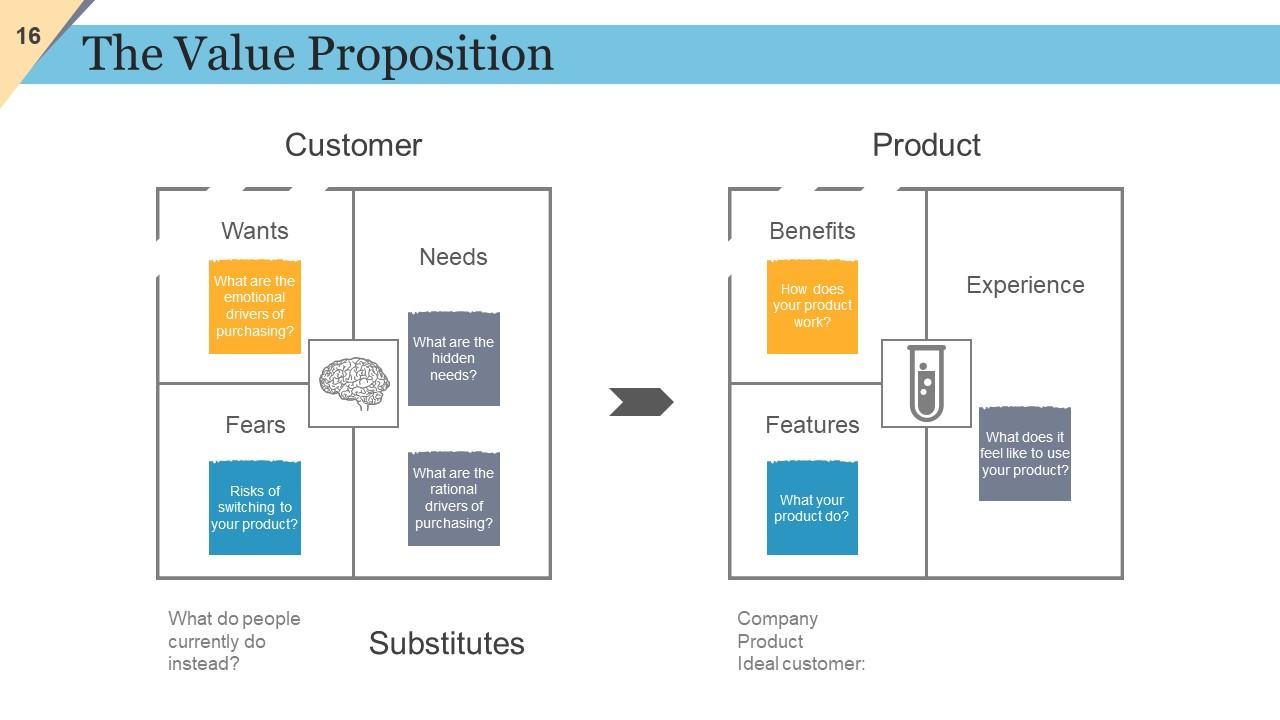
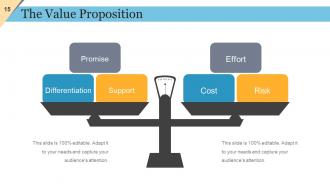
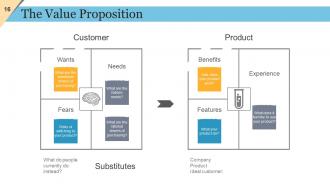
The most important aspect of this sales and marketing strategy template is its value proposition. This slide helps you inform your audience about the expectations of the customer and the viability of your product in satisfying them. Within this slide, you will find two graphic tables that showcase the wants, fears, and needs of the customer on one hand and the benefits, experiences, and features of the product on the other. This helps you grab the attention of the audience and enlighten them about the value of your product.
Template 2: The Problem/Challenges
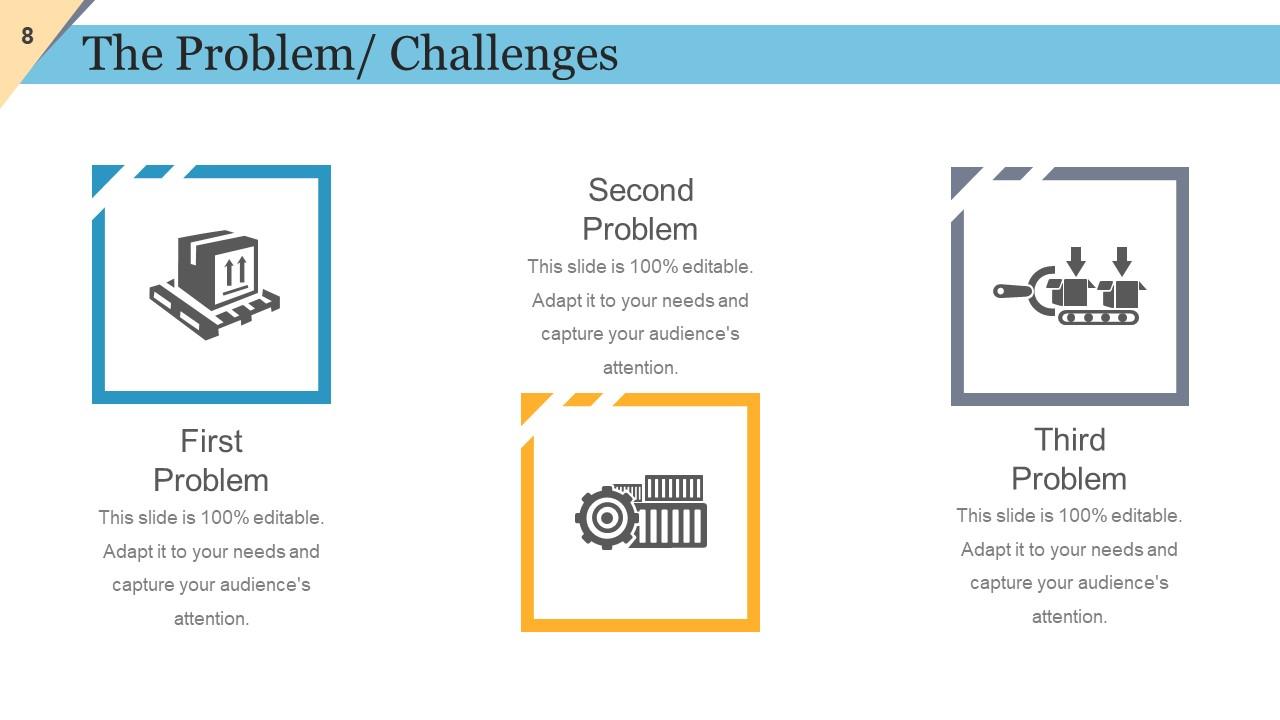
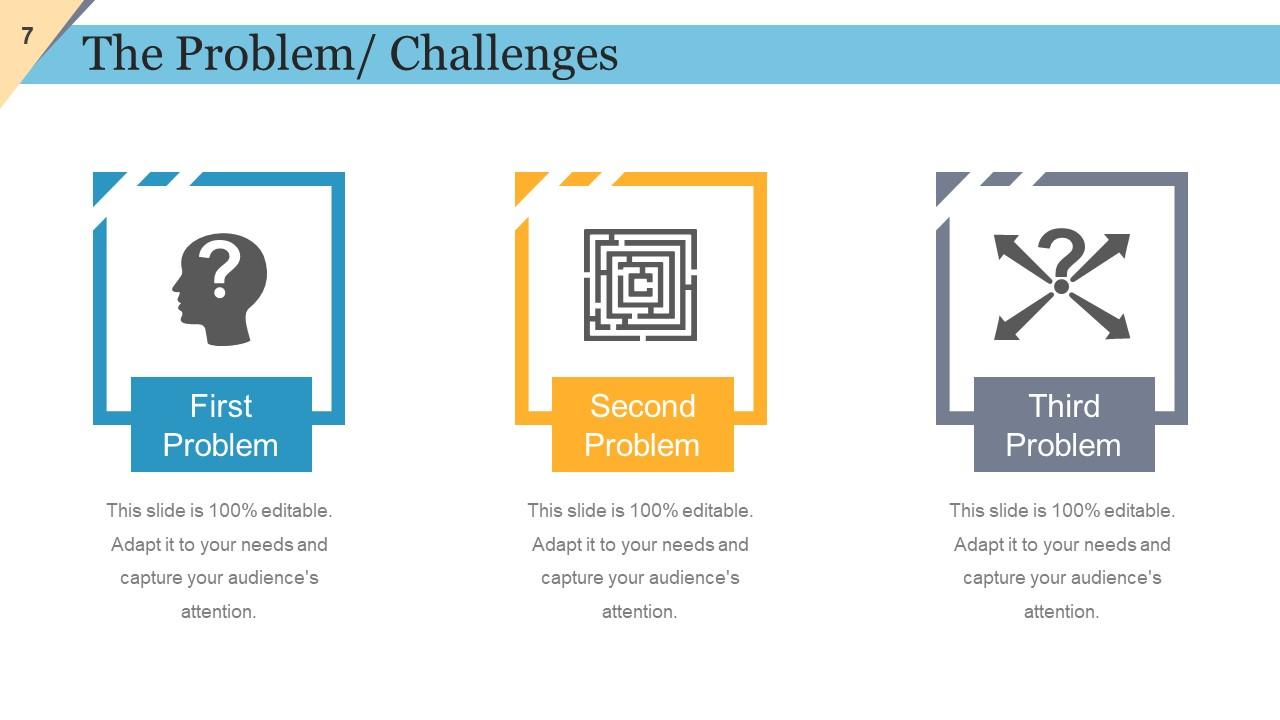
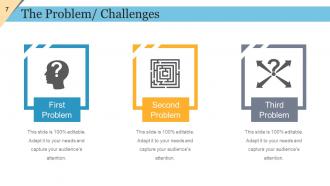
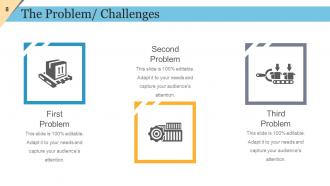
If there are problems, there must be solutions. The product that you are selling or proposing to sell must solve some problem(s) of the buyer. Using this slide of the sales and marketing strategy template, you can list the three main problems the customer faces due to the lack of the product. Doing this will allow you to stimulate the thinking part of your audience’s brain and you will be able to make them relate to the problems of the customers.
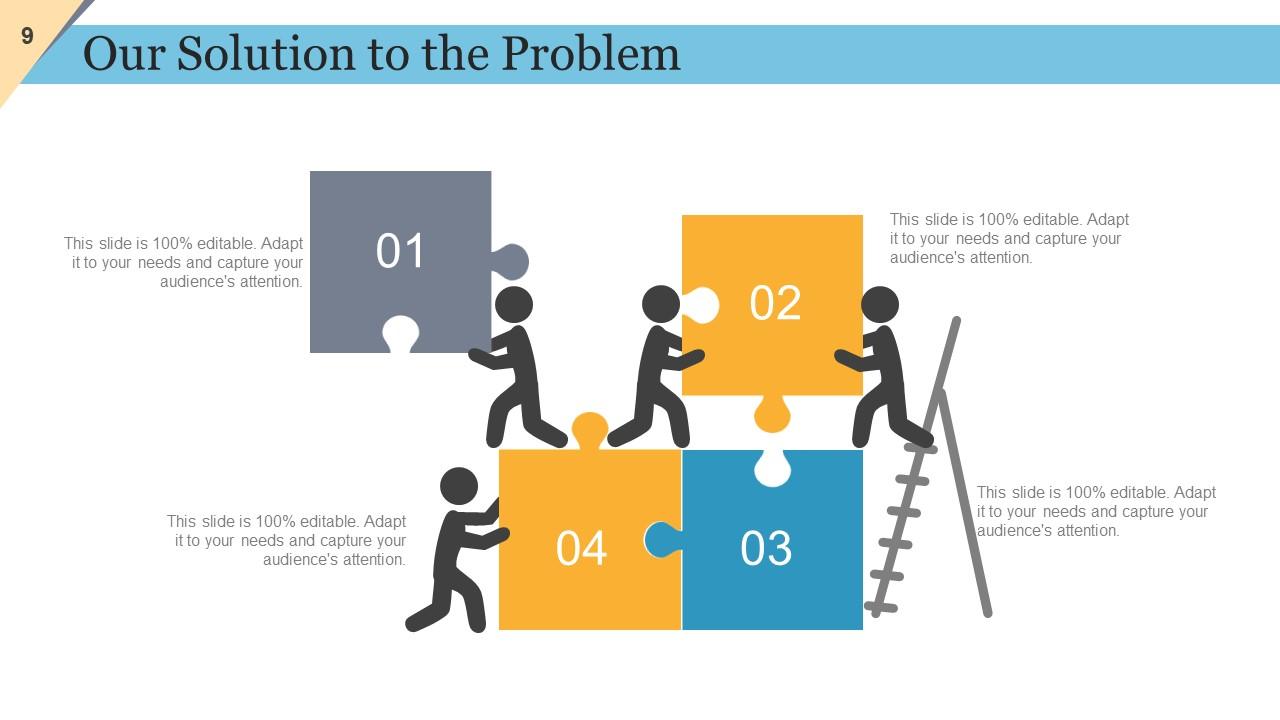
Template 3: Our Solution to the Problem
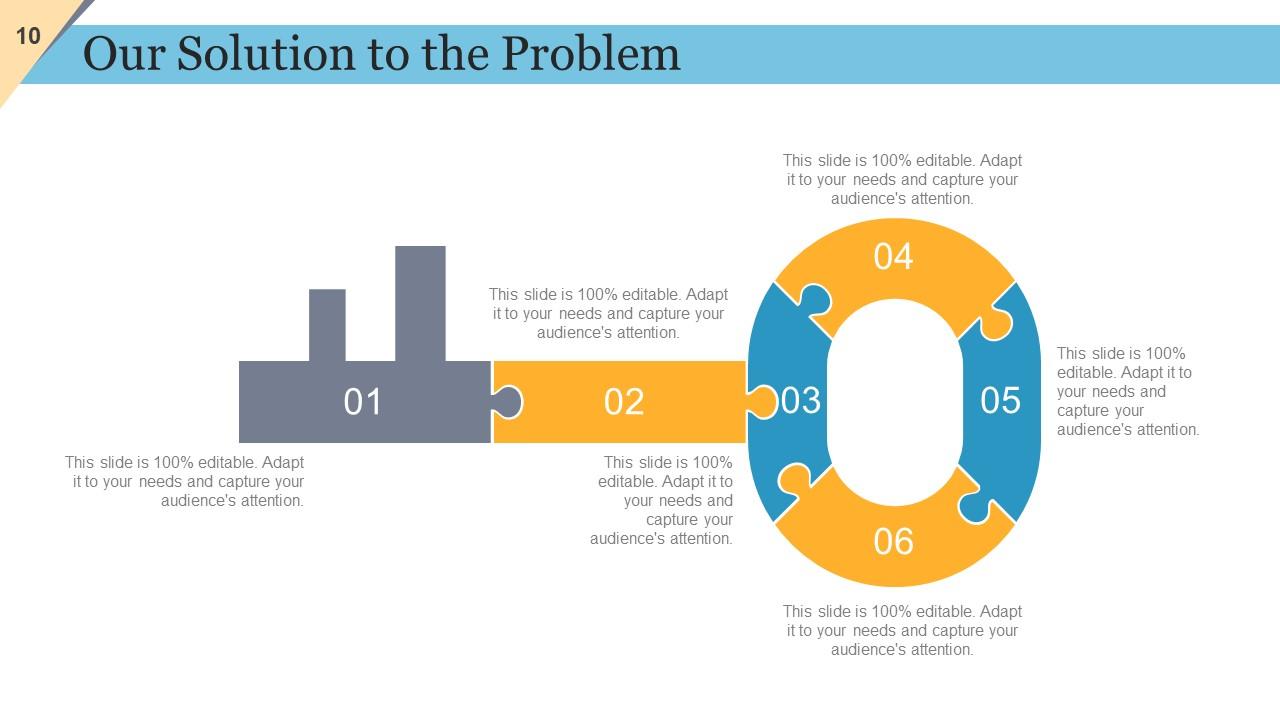
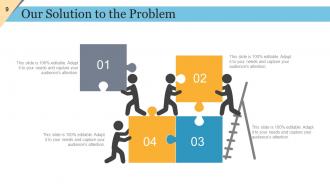
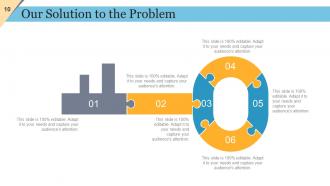
Now that you have conveyed the problems to your audience, you also need to offer them some solutions. The solution, in this case, is the product that you are offering. Using this slide of the PPT Template, you can showcase your product as a solution in six stages. You can add or remove stages as required as well as offer some descriptive text or nomenclature to individual stages.
Template 4: Our Product
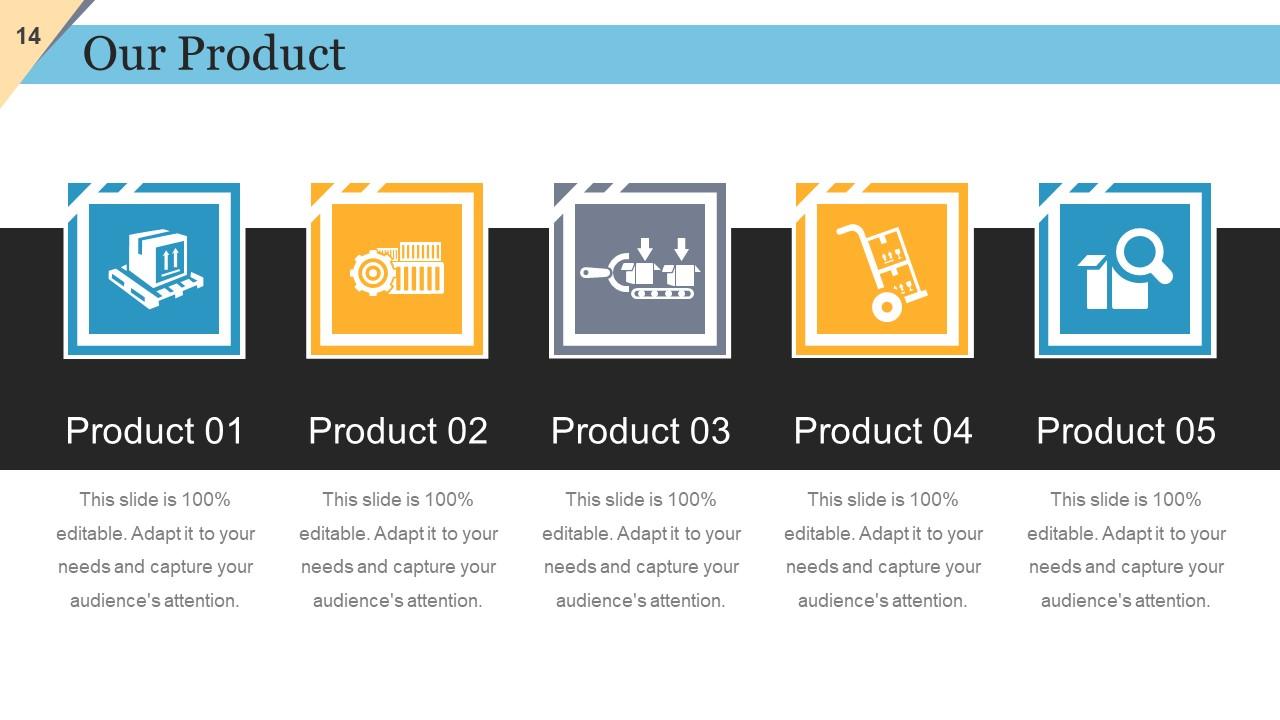
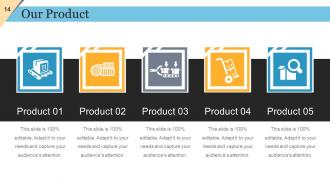
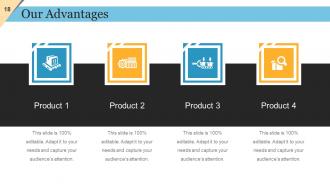
The Our Product slide of this sales and marketing template is a crucial one. As this slide allows you to add multiple products to the portfolio, it allows you to target multiple problems of your customers at once. As multiple products can be showcased within a single template, you can also ensure that your efforts in creating individual strategies for individual products are saved. Beneath each product’s name, you can offer a description of the product offering comprehensive information.
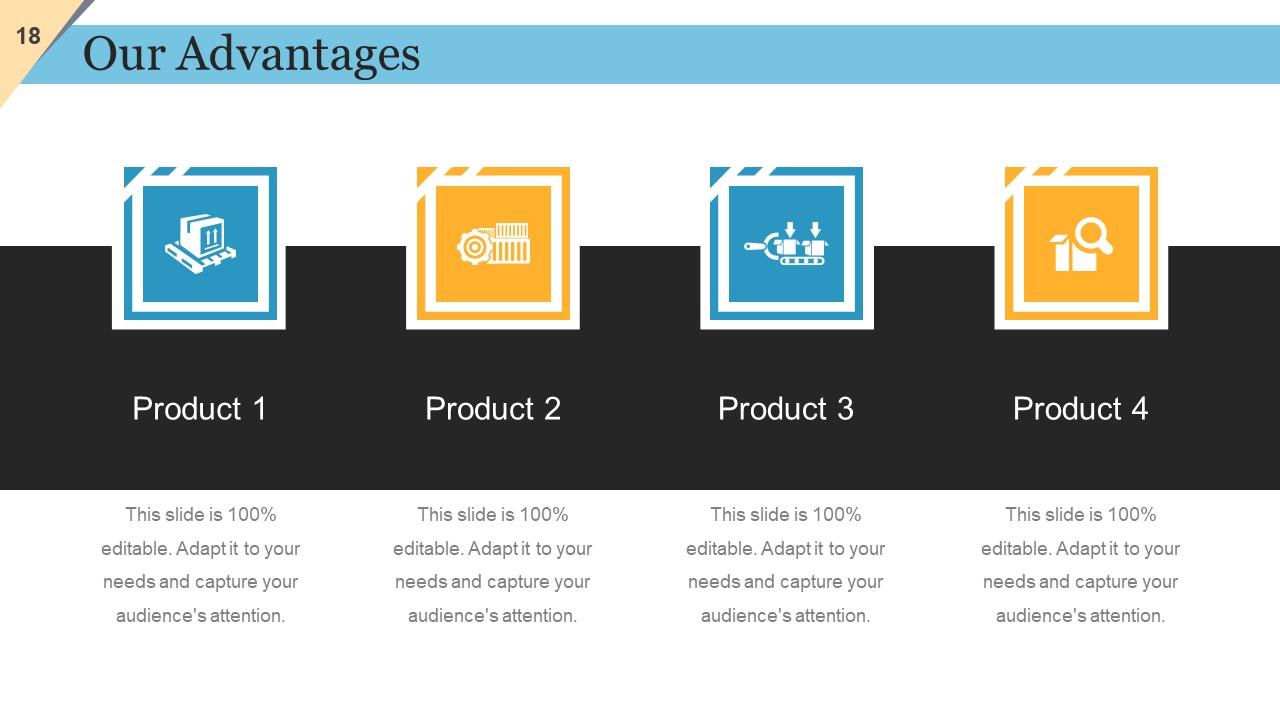
Template 5: Our Advantages
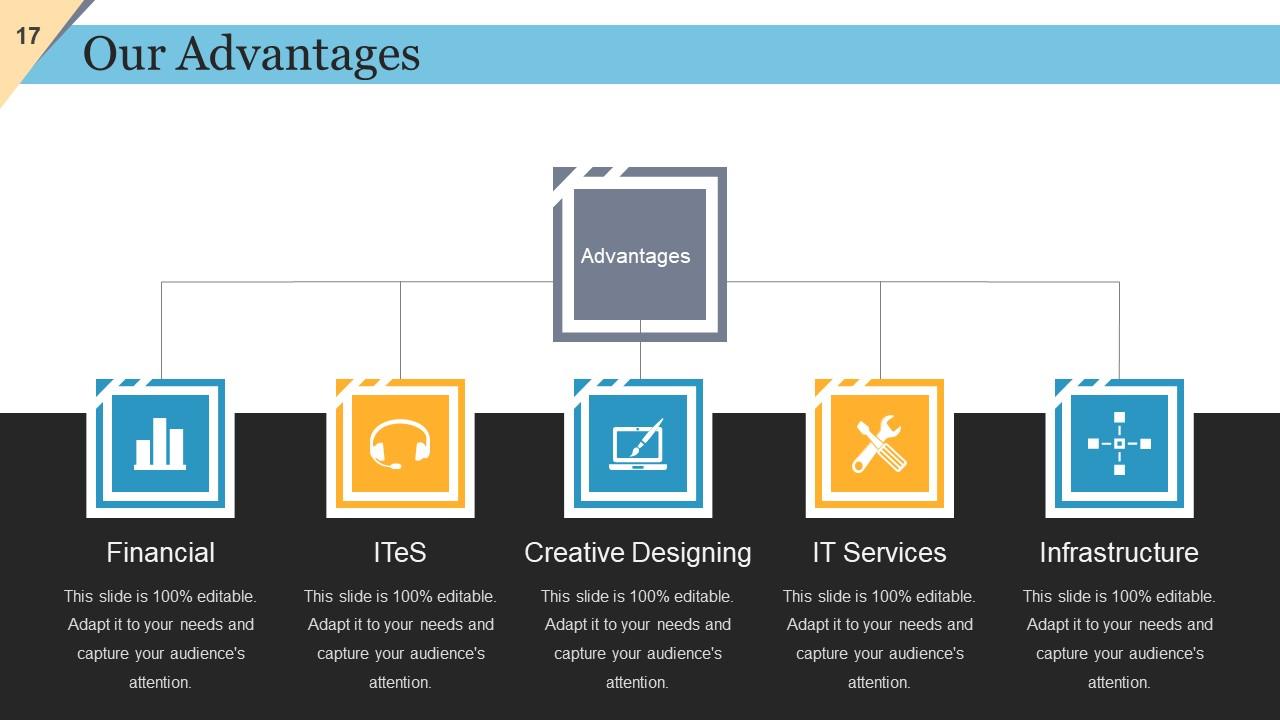
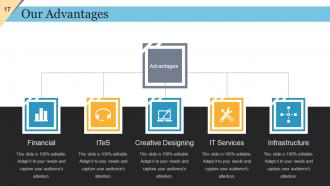
Your audience may need a brief description of the main advantages that your product(s) have to offer. This slide allows you to showcase these advantages in an understandable format. You can list the headings of the advantages like those related to Finance, Information Technology Enabled Services (ITeS), Creative Designing, IT services, and Infrastructure. Also, there is an option to add descriptions to individual advantages for better insights. Showcasing these advantages will help you stand out from the competition.
Template 6: Case Study
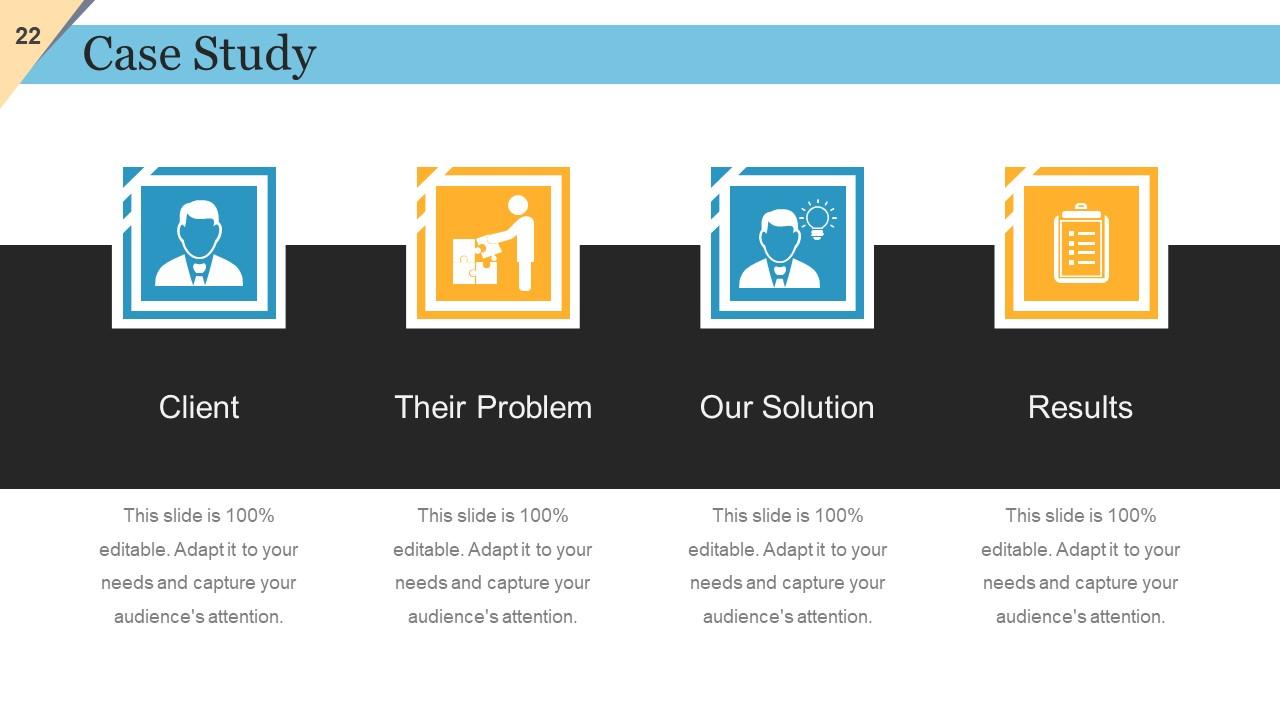
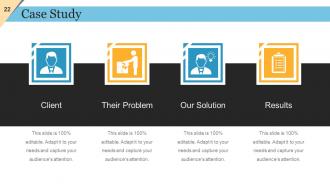
Facts always possess more value than words. This slide of the sales and marketing template allows you to deliver some facts to your audience. In the case study, you can explain your clients and their work, the problem faced by them, what you did/offered to solve the problem, and the actual results. The case study will help you convince your audience by using real examples, and mold the decision in your favor.
Template 7: Our Offerings Vs the Competition
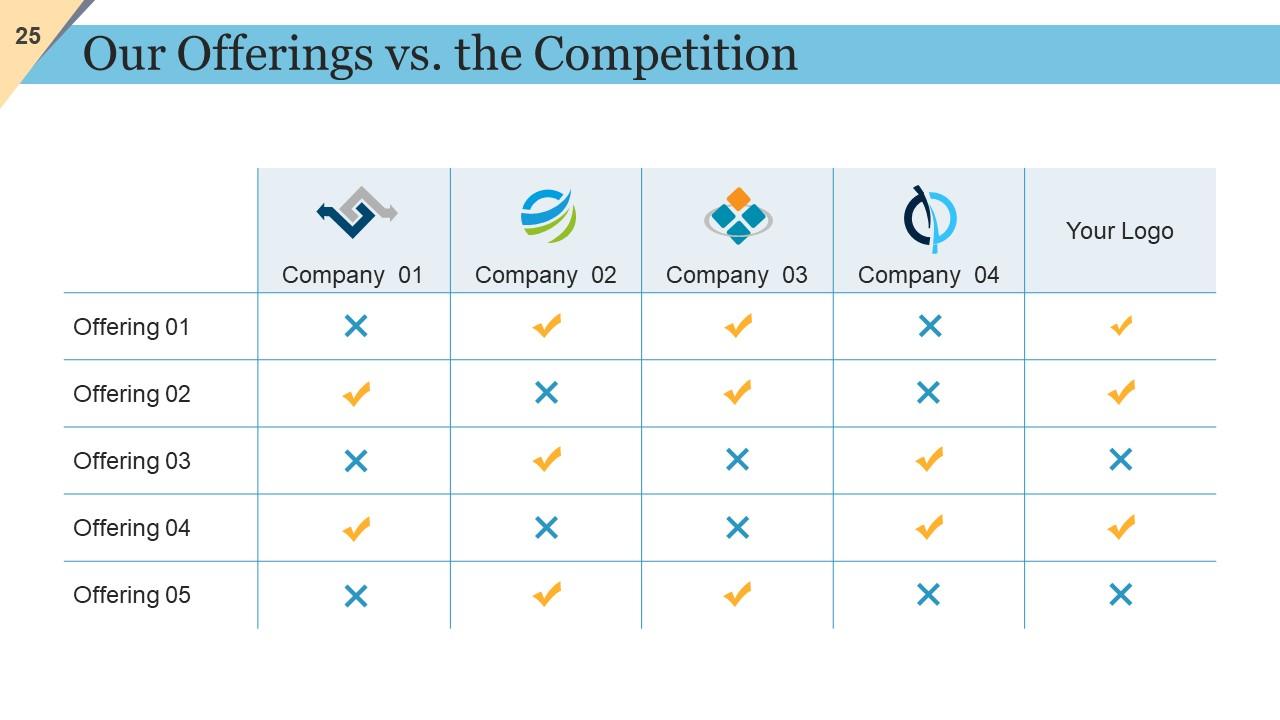
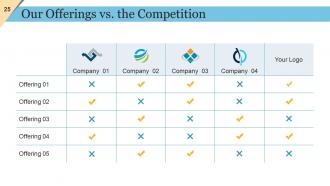
In every business, there’s always some competition from other businessmen. An effective sales and marketing strategy mandates that for your plan to be successful, you need to be better than competition, and stand out from the crowd. This slide allows you to showcase how you are better than your competitors, in a tabular format. Give the offerings in the rows, competitors in the columns, and use the check-marks to showcase what each company and you have to offer.
Template 8: Product Traction
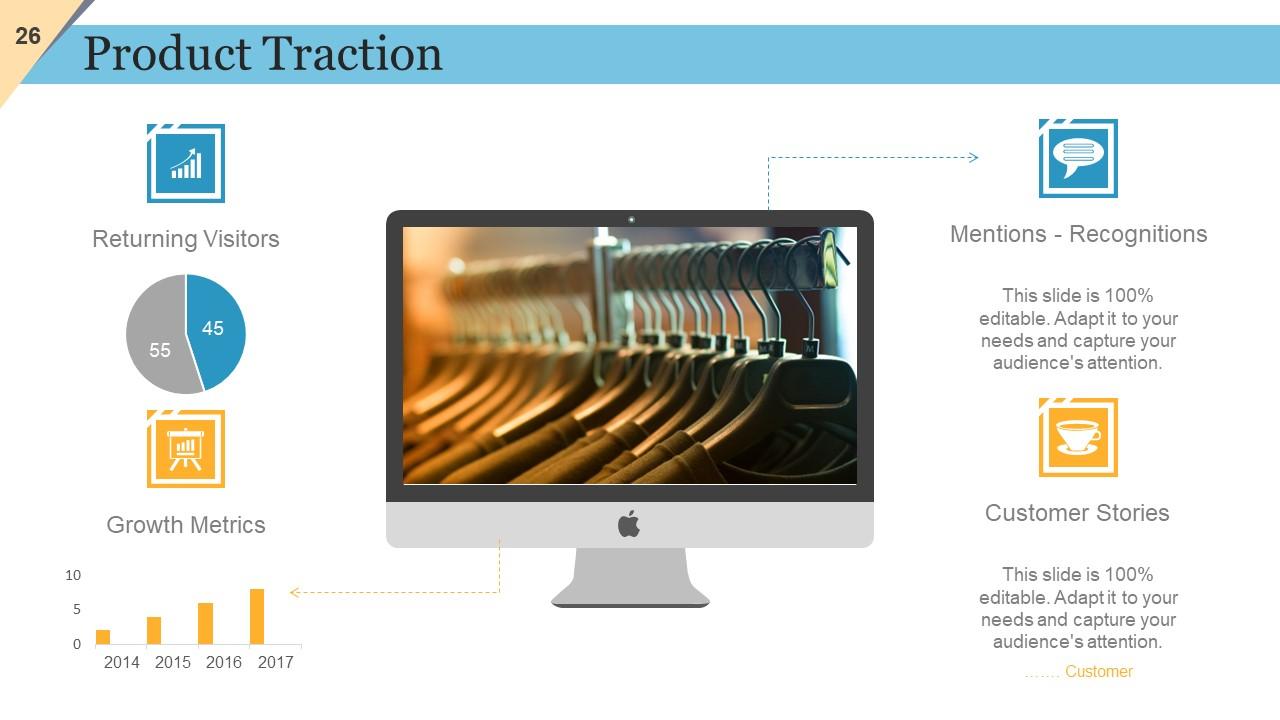
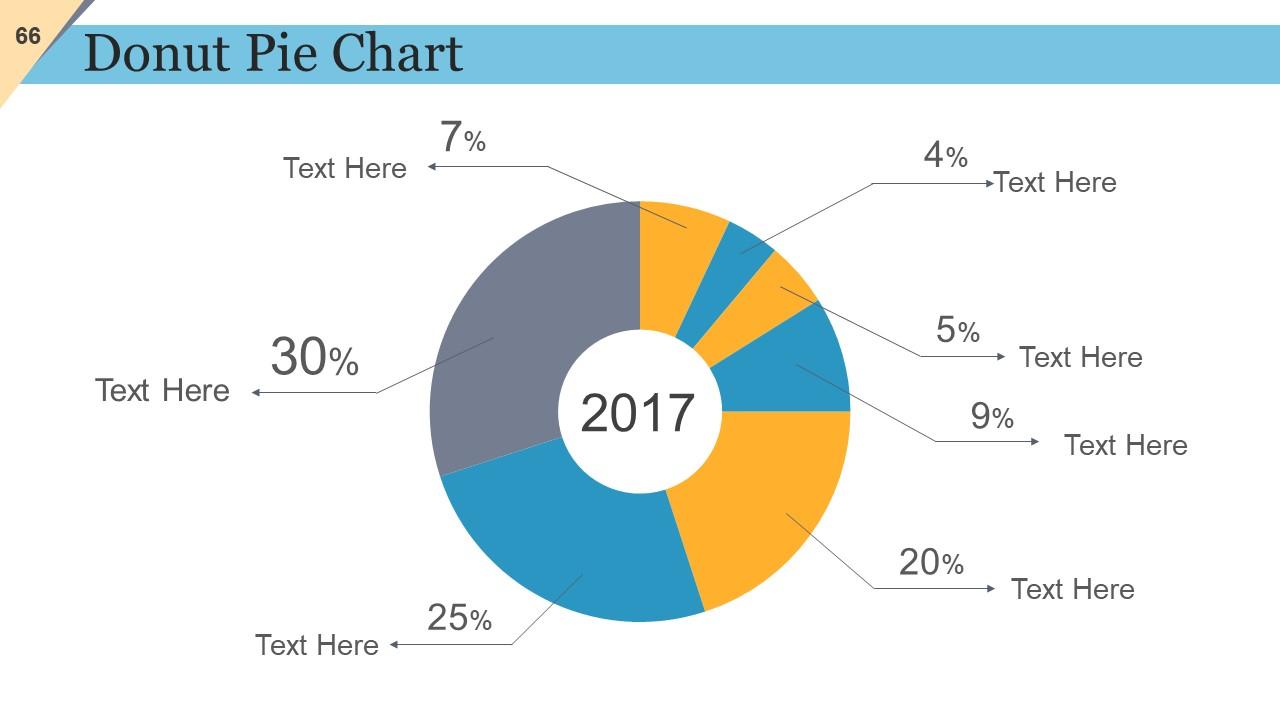
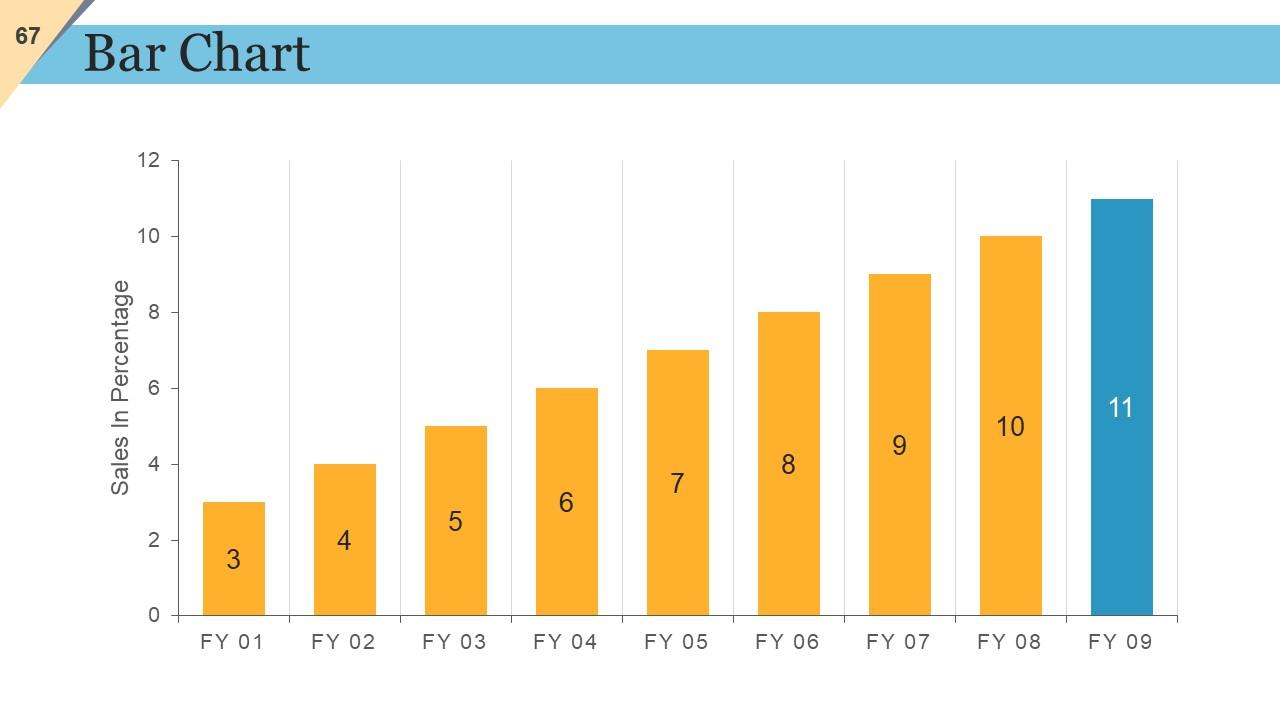
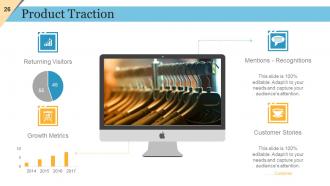
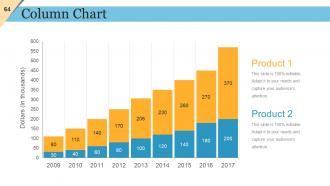
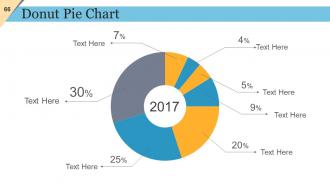
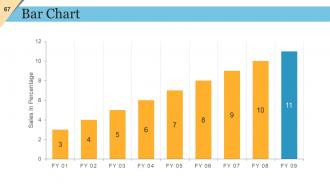
The product traction slide allows you to showcase the overall performance of your product in the past. Using this document, you can enlist the percentage of returning visitors to your business in the form of a pie chart. In another way, you can showcase the growth metrics of the product using a bar graph. If you have some testimonials or customer stories to support your product, then you can share the same as well.
Template 9: Us vs. the Competition
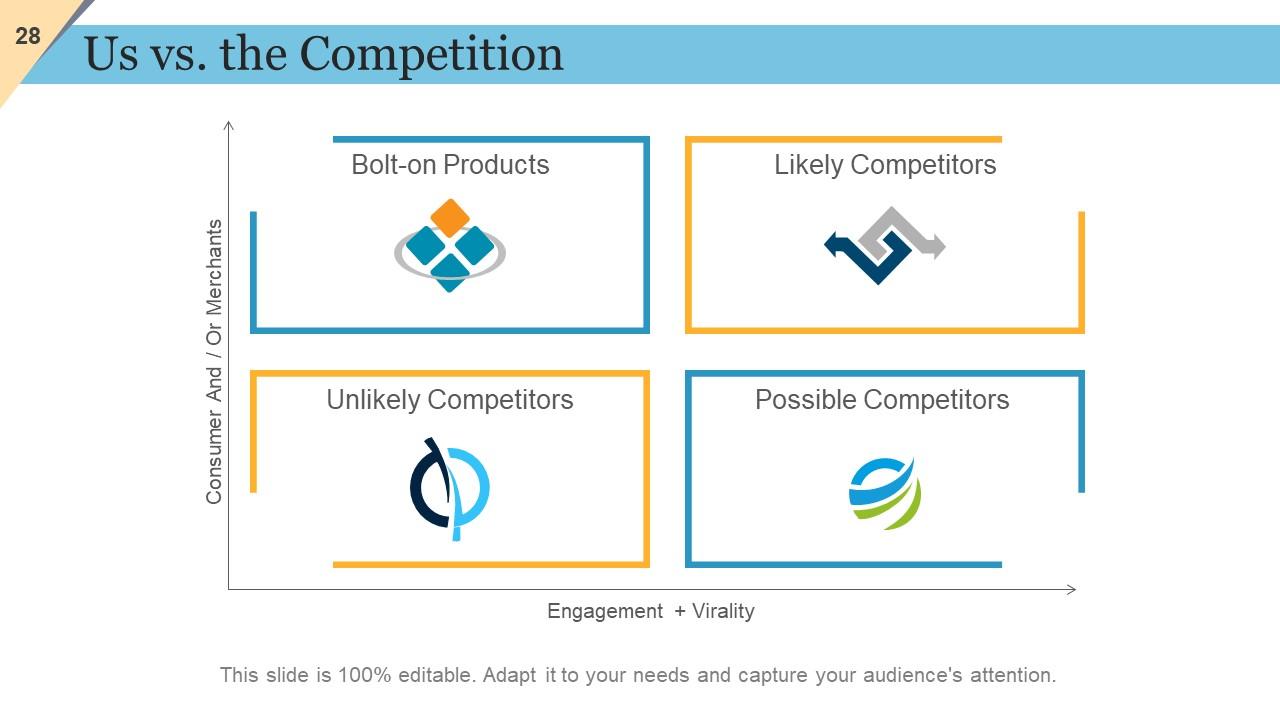
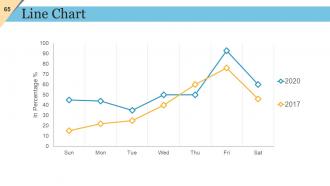
It never hurts to showcase that your business and your product are better than the competitors’. This PPT Template allows you to represent your business in comparison to your competitors. For the sake of comparison, you can take the help of a line graph that contains the number of customers on the y-axis and engagement/virality on the x-axis. The higher the position on the graph, the better the product quality and services.
Template 10: Project Delivery Timeline
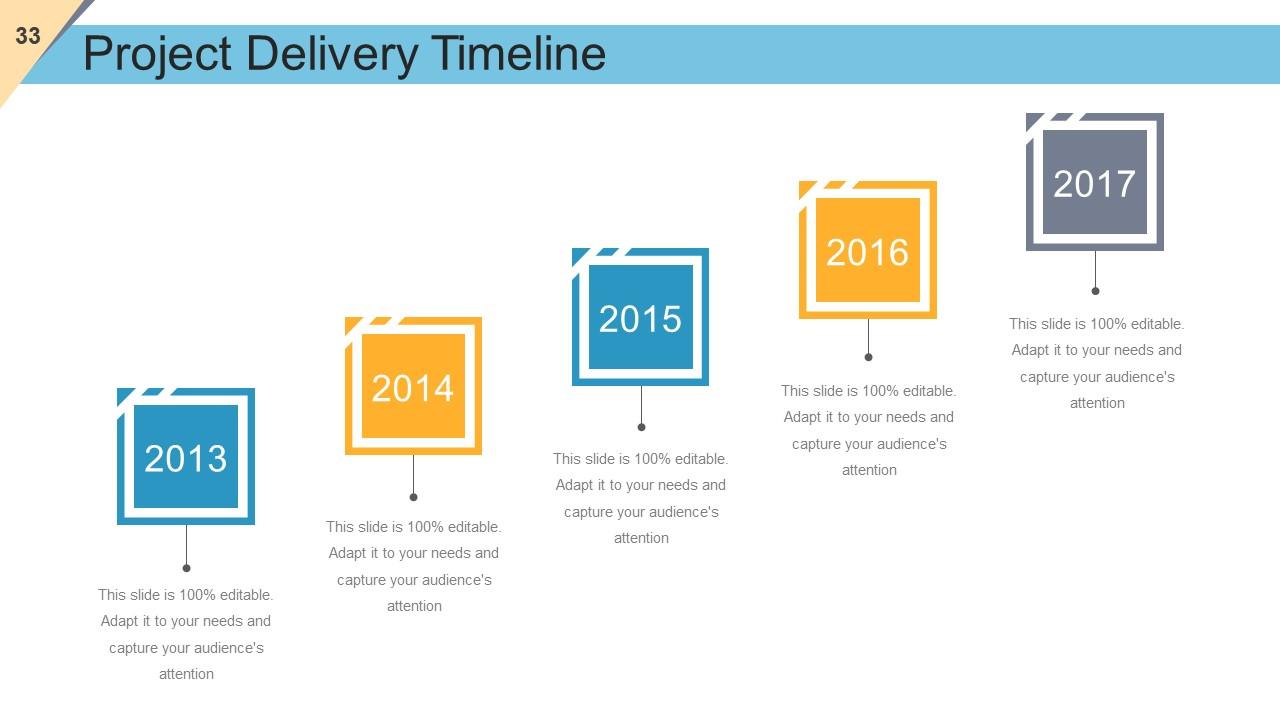
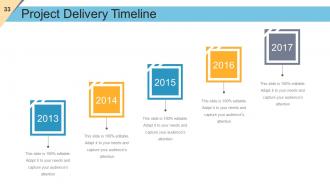
When you are interacting with your clients, their real concern is also on the time frame of the product delivery. If you offer a detailed product delivery timeline to your customers, it helps them make an informed decision. Doing this also enhances your image as clients will know that you follow a specific timeline rather than winging along the way. You can showcase phases required for product development, delivery, and otherwise.
If you want to make a strong case to hire some additional personnel for your business, check out this business case template.
Convert Potential into Actual Client with Sales and Marketing Strategy Template
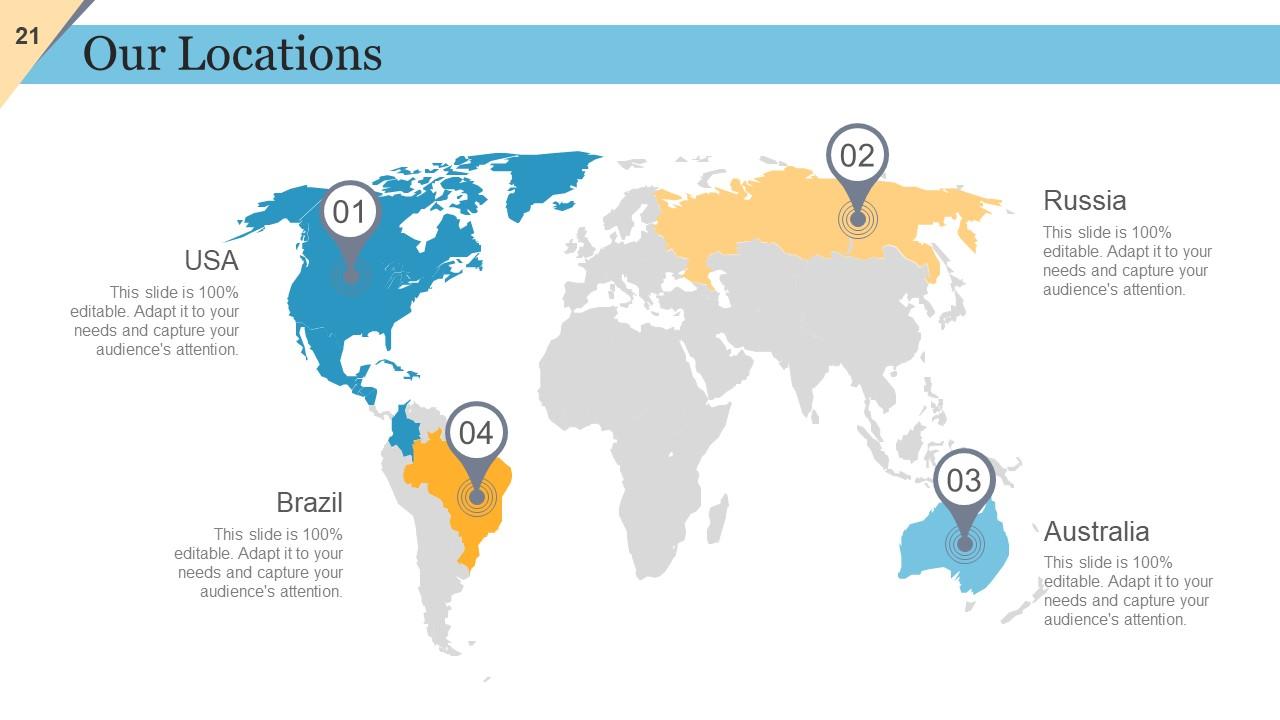
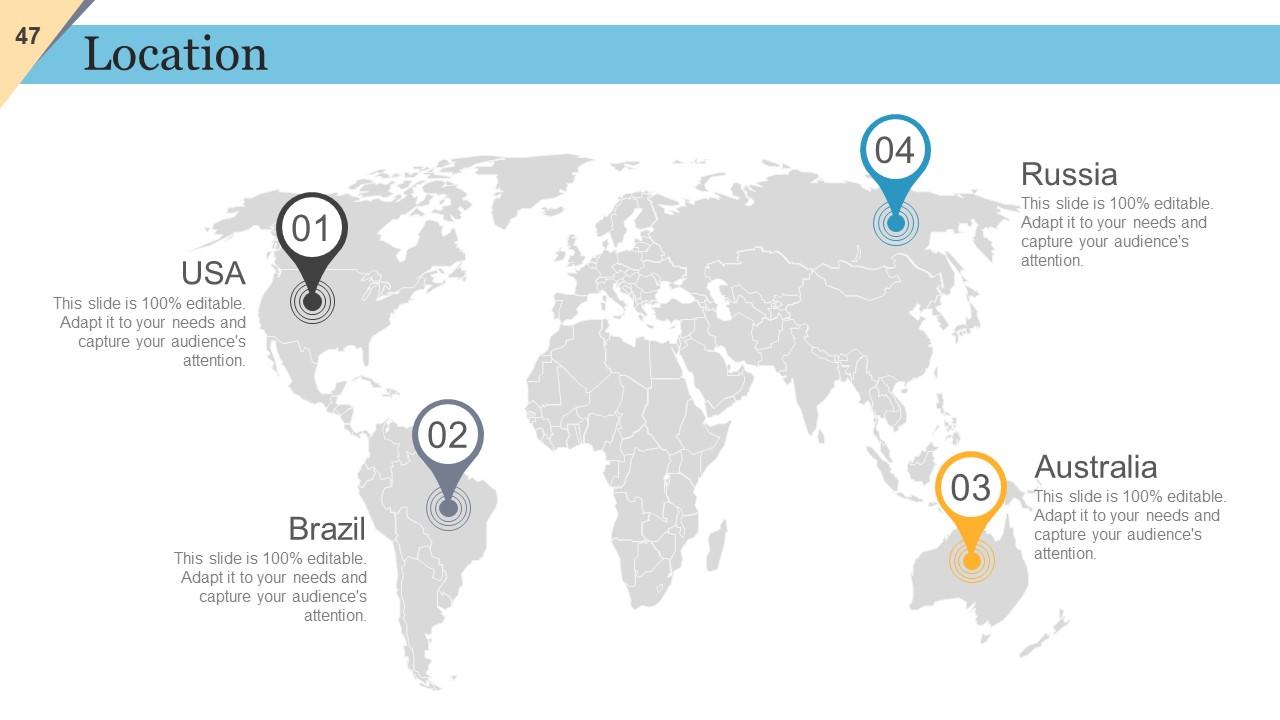
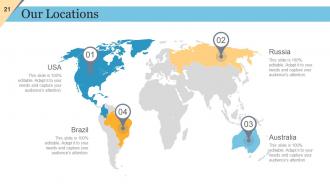
So, this concludes the smart PPT template for sales and marketing strategy. Apart from the above-described slides, you will find so much more with this template. The template contains slides related to an action plan, company vision, contact details, national and international locations, agenda, key personnel, client testimonials, target distribution, and so many more. We believe that this template contains everything you need to awe your clients and bring in sales for your business. If you need to add more staff to a project or department but the management isn’t budging, then take the help of this- Steps To Justify Hiring Additional Staff template to strengthen your ground and convey your needs accurately.
Sales And Marketing Strategy Powerpoint Presentation Slides with all 75 slides:
Use our Sales And Marketing Strategy Powerpoint Presentation Slides to effectively help you save your valuable time. They are readymade to fit into any presentation structure.
-
Unique research projects to present in meeting.
-
I discovered this website through a google search, the services matched my needs perfectly and the pricing was very reasonable. I was thrilled with the product and the customer service. I will definitely use their slides again for my presentations and recommend them to other colleagues.
