

Communication Management Bundle Project Management Communication Plan
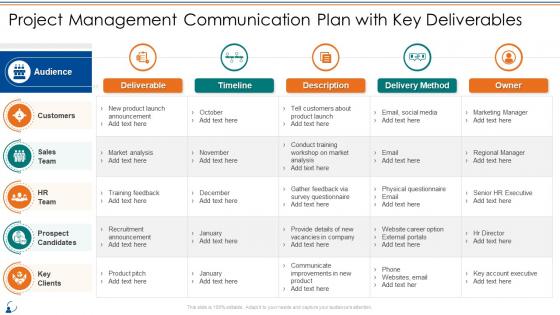




Try Before you Buy Download Free Sample Product
 Impress Your
 Audience
 100%
100% Editable
 Save Hours
 of Time


Our Communication Management Bundle Project Management Communication Plan are topically designed to provide an attractive backdrop to any subject. Use them to look like a presentation pro.
People who downloaded this PowerPoint presentation also viewed the following :
Communication Management Bundle Project Management Communication Plan with all 6 slides:
Use our Communication Management Bundle Project Management Communication Plan to effectively help you save your valuable time. They are readymade to fit into any presentation structure.
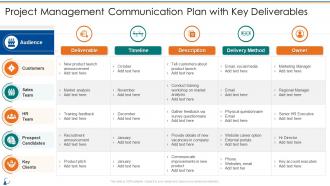





FAQs for Communication Management Bundle Project
Honestly, most communication problems boil down to three things: being clear about what you're actually saying, staying consistent, and picking the right way to get your message across. I can't tell you how many times I've watched projects crash because bosses thought everyone understood when nobody did. Also - and this might sound obvious - don't save big announcements for Friday at 5pm! People need time to process stuff. Set up regular check-ins instead of only talking when there's drama. Oh, and definitely look at where your current messages are getting lost in translation first.
Honestly, the right tools can totally change how you handle communication. I'd start with something like Slack or Teams - they let you automate routine stuff and keep everything in one spot instead of juggling a million different apps. The analytics are pretty cool too, you can actually see what messages people engage with. Oh, and scheduling across time zones is a lifesaver if you work with remote people. You can even throw in some chatbots for basic questions. But don't go crazy at first - just pick whatever fixes your biggest headache right now, then add more later.
Honestly, feedback is like your communication GPS - without it you're just driving around hoping you'll get where you need to go. People might nod along but have zero clue what you actually meant. It's wild how often that happens! Regular check-ins help you catch those gaps before they become real problems. You want to create spots where people can be honest about what's confusing them. Otherwise you're basically shouting into the wind and wondering why nothing's working. Different groups need different approaches too, so feedback helps you figure out what clicks.
Honestly, visuals are game-changers because they turn confusing data into something people can actually grasp. Like, charts make numbers way less intimidating. Diagrams help break down those processes that would take forever to explain otherwise. Plus images just hit different emotionally - way more than words alone ever could. We're wired to be visual anyway, so why fight it? Just don't go overboard with flashy stuff that doesn't add anything meaningful. I'd say run through your slides beforehand and be brutal about cutting anything that's just there for decoration. Each visual should actually earn its spot, you know?
Honestly, it's usually three main things: too much random info flying around, messages that don't make sense, and picking the wrong way to communicate. Like when someone sends a novel-length email about something that could've been a 30-second conversation. Pick the right platform for what you're saying - don't Slack me a paragraph, you know? Be super clear about what people actually need to DO. Set some basic rules with your team about how you'll communicate. Oh, and check if people actually got what you meant. Maybe start by looking at how you communicate now and fix one thing this week?
Oh man, culture affects literally everything about work communication. Germans will straight-up tell you what's broken, but Japanese colleagues? They'll hint around it - you gotta read between the lines. Management styles are totally different too. Some cultures want that formal hierarchy thing, others are all about being casual and flat. I learned this the hard way at my last job honestly. Just ask people directly how they like feedback and communication. Don't assume everyone operates like you do - that's where most managers screw up.
Honestly, start simple with just 2-3 metrics or you'll drive yourself crazy. Check if people are actually opening/engaging with your messages first - basic but crucial. Response times matter too. Are people getting back to you quickly or crickets? I'd also look at whether behavior actually changes after you communicate something - like do compliance rates go up after a policy announcement? Surveys about communication clarity are great in theory, but good luck getting responses. Oh, and track if you're hitting project milestones after sending updates. Pick whatever matches your specific goals though.
Start by owning your own screwups - like really owning them when they happen. Set up regular team retrospectives where feedback isn't just "welcome" but expected. You'll definitely need to shut down the eye-rollers early on because people are weird about change. When someone criticizes your idea, don't get all defensive about it. Ask "what would you do differently?" in meetings and actually use their answers. People will test you at first to see if you're serious. The whole thing falls apart if you're not consistent about it. Make it feel safe to speak up.
First thing - figure out who you're actually talking to and what they need. Experts can handle the technical stuff, but regular folks need it broken down simply. Then pick how to reach them. Some people live in their email, others want a quick Slack ping or just prefer talking face-to-face (honestly, I'm still team face-to-face for important stuff). Don't forget about cultural differences if you're dealing with different teams or regions. Timing matters too. Create little profiles of your audience groups beforehand, then customize everything - your tone, format, delivery method. Way better than blasting the same message to everyone.
Don't wait until shit hits the fan to think about crisis communication. Build it into your strategy planning from the start - like, literally put it on the agenda for your annual sessions. Map out what could go wrong and have messaging ready to go. Your leadership needs pre-written templates and clear roles because nobody writes good press releases in panic mode. I learned this the hard way at my last company. Make sure whatever you plan actually fits with your brand values. Crisis comm isn't just an HR thing - it's core business stuff.
Honestly, you've gotta be super intentional about when and how you talk to people. Daily standups work great, or maybe weekly calls - whatever fits your team's vibe. Quick Slack messages for simple stuff, video calls when things get complicated. And definitely overcommunicate rather than leaving people guessing - I've seen that backfire so many times. Make sure everyone knows your response times too. Oh, and don't skip the random chats! They seem pointless but actually keep everyone sane. Maybe audit where your communication's breaking down right now?
Dude, stories are like magic for getting people to actually listen. Instead of dumping numbers on everyone, wrap your message in a narrative - it sticks way better. Perfect for explaining messy changes or crisis stuff because people connect emotionally. We've all zoned out during those soul-crushing data presentations, but add some characters and conflict? Suddenly everyone's paying attention. Your brain just works that way. Next team meeting, skip the spreadsheet opener. Tell them about that customer who called crying happy tears or whatever. Then hit them with the metrics. Way more effective.
Honestly, social media flipped everything upside down for workplace communication. You can't just blast out messages anymore and call it a day. Everything's instant now, and people expect you to actually respond when they comment or complain. Plus conversations happen in public whether you want them to or not - kind of terrifying but also more authentic? Your team needs to monitor stuff in real-time and have a plan for when things go sideways. Figure out where your people actually hang out online first though. Don't waste time on platforms nobody uses.
Okay so basically your communication needs to match your brand voice and what marketing is trying to do. I'd start with nailing down consistent messaging and tone across everything - social posts, emails, customer calls, all of it. Honestly, I've watched companies totally blow this where marketing sounds super polished but then customer service is like... completely different energy? Create some shared guidelines everyone can actually use. That way customers aren't getting mixed signals depending on who they're talking to. It's really about making sure all those touchpoints feel cohesive and back up the same brand promises.
Honestly, there's a bunch of ways to go about this. LinkedIn Learning and Coursera have solid courses on presentation skills and conflict resolution - pretty affordable too. Your company might bring in outside trainers for workshops, which honestly beat death-by-PowerPoint every time. Mentoring programs are clutch since they're usually free. Oh, and Toastmasters is surprisingly helpful if there's one nearby. I'd mix formal stuff with actual practice though - like having people lead more meetings or work on cross-department projects. That real experience hits different than just theory.
-
“As you have innovative ideas and they are all customizable, this saves a huge chunk of your time to prepare well-read presentations.”
-
A big thanks to SlideTeam! An incredible and diverse library of templates helped me with my business project presentation.