

Compensation Plan Powerpoint Presentation Slides






Try Before you Buy Download Free Sample Product
 Impress Your
 Audience
 100%
100% Editable
 Save Hours
 of Time


Ensure that your employees are motivated to work and stay with you longer using content-ready Compensation Plan PowerPoint Presentation Slides. Outline a proper compensation plan to give benefits to the employees with ready-to-use compensation plan PPT presentation templates. Incorporate compensation plan PPT presentation complete deck for compensation breakup, different types of compensation plan, pay per performance comparison table, building a compensation plan, competitors pay plan, performance-based appraisal parameters, choose your payroll software, performance evaluation parameters, employee performance summary, employee feedback, and more. Create an effective compensation plan to retain the best talent. Develop a compensation plan proposal to motivate your employees to achieve their business goals and help in the overall performance of the company. Include details like bonuses, incentives, commissions, scheduled raises, etc with compensation and benefits PPT complete deck. Drive employee performance and employee retention using ready-to-use compensation plan PowerPoint presentation templates. When you hope to climb up the career ladder when sure way to get there is by having powerful presentation skills. You are sure to impress senior management when you make use of Compensation Plan Powerpoint Presentation Slides that are sure to impress.
People who downloaded this PowerPoint presentation also viewed the following :
Content of this Powerpoint Presentation
Slide 1: This slide introduces Compensation Plan. State your Company Name and begins.
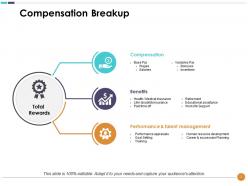
Slide 2: This slide showcases Compensation Breakup with three main categories- Compensation, Benefits, Performance & talent management.
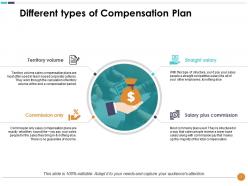
Slide 3: This slide presnts Different types of Compensation Plan with these parameters- Straight salary, Salary plus commission, Commission only, Territory volume.
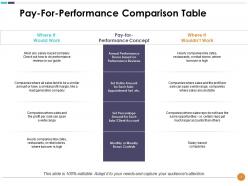
Slide 4: This slide shows Pay-For-Performance Comparison Table showing- Pay-for-Performance Concept, Where It Would Work, Where It Wouldn’t Work.
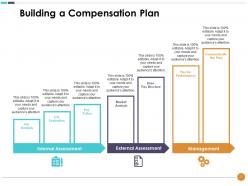
Slide 5: This slide presents Building a Compensation Plan Internal Assessment, External Assessment, Job Analysis, Job Evaluation, Pay Policy, Market Analysis, Base Pay Structure, Pay for Performance, Communicate the Plan.
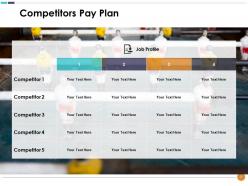
Slide 6: This slide showcases Competitors Pay Plan which further showing Job Profile .
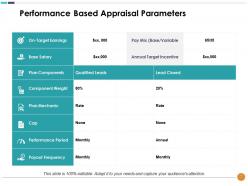
Slide 7: This slide presents Performance Based Appraisal Parameters with table showing various parameters.
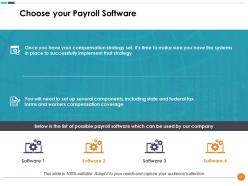
Slide 8: This slide shows Choose your Payroll Software. Also we have included list of possible payroll software which can be used by our company.
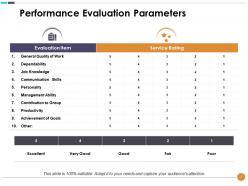
Slide 9: This slide presents Performance Evaluation Parameters with table and having several characeristics.
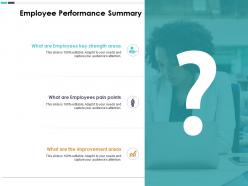
Slide 10: This slide shows Employee Performance Summary with these points to consider- What are Employees key strength areas, What are Employees pain points, What are the improvement areas.
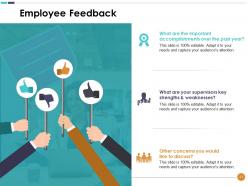
Slide 11: This slide presents Employee Feedback with these three important points to consider- What are the important accomplishments over the past year, What are your supervisors key strengths & weaknesses, Other concerns you would like to discuss.
Slide 12: This slide is a Coffee Break image for a halt.
Slide 13: This slide forwards to Charts & Graphs.
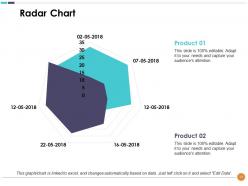
Slide 14: This slide presents a Radar Chart graph/chart. Compare Product 01, Product 02 and use as per required.
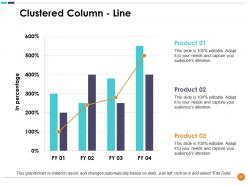
Slide 15: This slide displays Clustered Column - Line. You can compare the products with this.
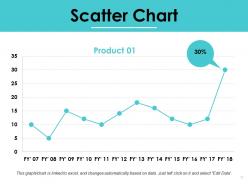
Slide 16: This slide shows Competitive Analysis with Scatter Chart/Radar Chart to compare.
Slide 17: This slide is titled Additional slides to proceed forward.
Slide 18: This is Our mission slide with imagery and text boxes to go with.
Slide 19: This is Our team slide with names and designation.
Slide 20: This is an About us slide to state company specifications etc.
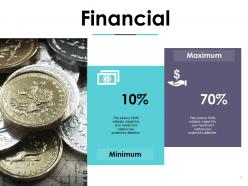
Slide 21: This slide presents Financial scores to display.
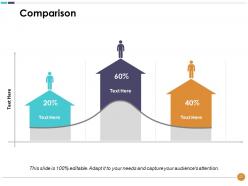
Slide 22: This slide showcases Comparison. You can compare the percentage of the product.
Slide 23: This is a Business Quotes slide to quote something you believe in.
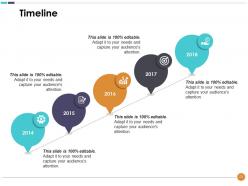
Slide 24: This is a Timelines slide to show- Plan, Budget, Schedule, Review.
Slide 25: This slide shows Target image with text boxes.
Slide 26: This is a Venn diagram slide to show information etc.
Slide 27: This is a Bulb or Idea slide to state a new idea or highlight specifications/information etc.
Slide 28: This is a Thank You slide with image.
Compensation Plan Powerpoint Presentation Slides with all 28 slides:
Join the display with our Compensation Plan Powerpoint Presentation Slides. Invite the attention of an international audience.









FAQs for Compensation Plan
You need five main things for a solid comp plan: competitive base salary, performance bonuses with clear targets, benefits people actually want, some equity/profit sharing, and regular reviews to adjust stuff. Most companies totally whiff on benefits though - everyone wants flexible time off now, not stupid office perks. Make sure it's all transparent so people know exactly how to earn more. The whole thing should match your business goals obviously. First step? Check what competitors are paying, then build everything else around that baseline. Oh and don't overthink the metrics - keep them simple so people can actually hit them.
Good comp plans work because people can actually see how their effort translates to better pay or bonuses. Makes total sense, right? Transparency is huge too - when employees don't know if they're getting screwed compared to their coworkers, morale tanks pretty quickly. The trick is designing it so you're rewarding the stuff that actually moves the needle for your business. I'd honestly take a hard look at what you've got now and see if it's incentivizing the right behaviors. Sometimes companies accidentally reward busy work instead of results.
Dude, you absolutely need market research for compensation stuff. Without it you're just throwing darts blindfolded. Check what your competitors pay for the same jobs - like 3-5 similar companies should do it. Industry salary surveys are gold too. Your employees will definitely call you out if your numbers are way off (learned that one the hard way). The whole point is finding that sweet spot where you can actually hire decent people without your budget exploding. It's honestly the difference between building a solid team and wondering why everyone keeps leaving.
Honestly, a solid comp plan can bump your retention by like 20-40%. People stick around when they're paid fairly and can see how they'll grow salary-wise. Benefits matter tons too - especially 401k matching and decent health coverage. Nobody wants to lose their vesting progress, you know? Here's what actually works though: be upfront about everything and stay competitive. Do a market analysis to see where you stand. Oh, and don't just talk base salary - show them the full package value. That's where companies usually mess up.
Honestly, just track three things that actually matter: are people sticking around longer, hitting their targets better, and is it worth what you're spending? Set your baselines first - can't measure progress without knowing where you started. Check quarterly on retention rates and performance gains. The cost-per-employee thing is where I've seen most companies mess up, so really watch those numbers against productivity. Oh, and don't skip the employee surveys. Data's great but you need to hear what people actually think. Some of this stuff won't show up in spreadsheets.
Run market benchmarking regularly and set up clear internal pay bands based on role complexity. Survey competitor salaries for similar positions, then compare that to your internal structure to find gaps. Honestly, it's a constant balancing act - sometimes you adjust internally to stay competitive, other times you stick to your guns even if candidates walk away. Being transparent with employees about pay ranges is huge though. I'd start by auditing current compensation against market data, then build a systematic review process you can repeat each year. The whole thing gets messy fast if you don't stay on top of it.
First thing - wage and hour laws will absolutely wreck you if you mess this up. Minimum wage, overtime rules, commission timing... it's all different by state so check yours. Don't accidentally create pay gaps either - anti-discrimination stuff is no joke. Your existing employment contracts might conflict with the new structure too, which honestly is such a pain but happens more than you'd think. Multiple states? Yeah, definitely get legal to review before you launch anything. Trust me on this one.
Fixed pay keeps people stable, which is solid for retention but won't push anyone past doing the bare minimum. Variable comp is where the magic happens though - suddenly people care way more when their paycheck reflects their hustle. But here's the thing, too much variable stuff stresses everyone out and they start chasing quick wins instead of thinking long-term. You want enough base salary so people aren't panicking about rent, then add variable on top to get them fired up. Honestly? Just ask your team what split would actually motivate them - they'll tell you.
Oh man, timing is huge here. Don't just email this stuff - do a proper meeting where you actually explain WHY the structure works this way, not just the numbers. I've watched managers hand over docs and then act shocked when everyone's lost lol. Walk them through real examples of hitting different pay levels. Train your managers so they're all saying the same thing (trust me on this one). Answer questions upfront, give people time to process it. Follow up with something written they can check later. Questions will keep coming so just roll with it.
Honestly, automating your comp plan stuff will save you so much time. HRIS systems can track performance and calculate variable pay automatically - no more spreadsheet hell. Real-time dashboards show you budget vs actual spend instantly, which is clutch. The AI tools are getting scary good at catching pay equity problems too. Here's what I'd do first: look at whatever manual processes you're stuck doing now. Those are your best automation wins. Cloud platforms let you model different scenarios before changing commission structures, so you won't accidentally screw something up. Pretty much a game-changer.
Honestly, just tailor each department's comp to what they actually care about. Sales people live for commission - tie theirs to revenue and watch them hustle. Engineering works better with equity plus bonuses when they hit project milestones. HR should get rewarded for keeping people around (retention bonuses just make sense, right?). Marketing can be tied to leads or brand stuff. Finance folks? Cost savings and hitting their numbers. The whole one-size-fits-all thing is such a waste - you've gotta match what actually motivates each team.
When budgets get tight, get creative instead of just cutting salaries. Flexible schedules and extra PTO days barely cost anything but employees love them. Professional development stuff works too. Honestly, most people get it when you're transparent about money being tight - they'd rather know what's up than get BS excuses. Variable pay tied to performance can actually work better than promised raises anyway. Oh, and definitely ask your team what they actually want most right now besides cash. You might be surprised what matters to them.
Oh man, remote comp is such a headache! So the big question is whether you pay people based on where they live or stick to one standard rate. Honestly? There's no perfect answer and it kinda drives me crazy. Location-based pay saves money but feels unfair to employees. Flat rates are simpler but expensive if you're hiring globally. Don't forget about local laws and tax stuff too - that gets messy fast. I'd probably look at what competitors are doing first, then maybe test it with just a few people before rolling out company-wide.
Start with super clear goals - what behaviors do you actually want? Sales numbers, project deadlines, stuff people can directly control. I've seen companies try to measure "teamwork" and it's a mess. Keep the math simple so employees can figure out their potential bonus. Don't make it so individual that people start sabotaging each other though - balance personal targets with some team stuff. Oh, and give everyone like a month to understand the system before payouts kick in. Transparency is huge here.
Yeah, there's way more flexibility now! Even smaller companies are doing equity - not just the big startups anymore. Performance bonuses hit quarterly instead of making you wait forever for annual ones. Skills-based pay is pretty cool too, where they actually pay you for what you know vs just your title or how long you've been there. Remote work kinda broke the whole location thing - some places pay the same regardless of where you live, though that's still messy. Honestly I'd look up what's typical in your field and push for a combo of these when review time comes around.
-
Perfect template with attractive color combination.
-
Really like the color and design of the presentation.