


Financial Plan Powerpoint Presentation Slides





Try Before you Buy Download Free Sample Product
 Impress Your
 Audience
 100%
100% Editable
 Save Hours
 of Time


Struggling to prepare financial plan PowerPoint presentation slides? To help you out, SlideTeam has come up with content ready financial planning PPT template. Our financial forecast PPT illustrations help you to raise adequate funds & ensure a reasonable balance between inflow and outflow funds. You can also use our capital plan PowerPoint illustrations to deliver a presentation on associated topics such as budget performance management, cost control, client financial, financial strategy, expense marketing, revenue forecast, budget planning, financial statement, budget forecast, reference class forecasting and many more. Furthermore, our capital statement presentation visuals have been extensively researched by highly intellectual business research consultants. This capital management PowerPoint template includes creative relevant slides on budgeting, channel marketing budget, product launch capital plan, social media budget etc. Without wasting your time, download our financial plan PPT templates which will help reach your goals. The goal becomes absolutely clear with our Financial Plan Powerpoint Presentation Slides. They dispel any chance of haze.
People who downloaded this PowerPoint presentation also viewed the following :
Content of this Powerpoint Presentation
Slide 1: This is an introductory slide to Financial Plan. State your company name and begin.
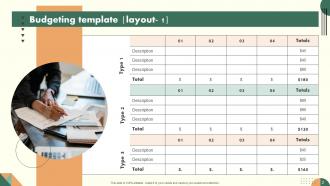
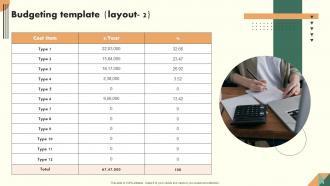
Slide 2: This slide presents Budgeting Template in a tabular form.
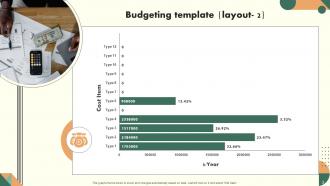
Slide 3: This slide also presents Budgeting Template in a graphical form.
Slide 4: This is another Budgeting Template slide showing- Cost item, $/ Year, %.
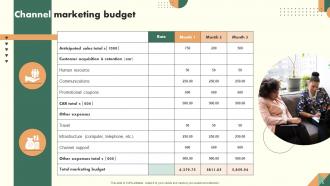
Slide 5: This slide presents Channel Marketing Budget in a tabular form.
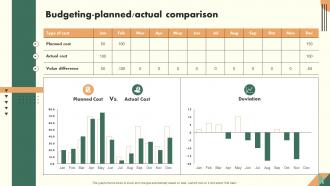
Slide 6: This is Budgeting-Planned/Actual Comparison graph slide showing- Planned Cost Vs. Actual Cost, Deviation.
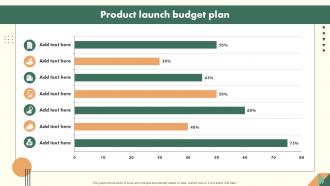
Slide 7: This slide showcases Product Launch Budget Plan in a graphical form.
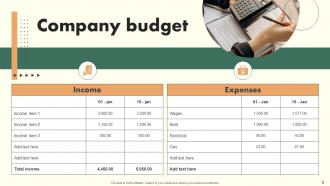
Slide 8: This is a Company Budget slide showing Income and Expenses.
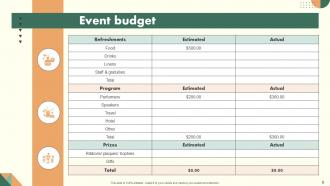
Slide 9: This is an Event Budget slide showing- Refreshments, Program, Prizes.
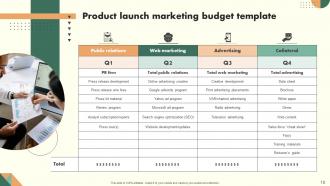
Slide 10: This slide presents Product Launch Marketing Budget Template.
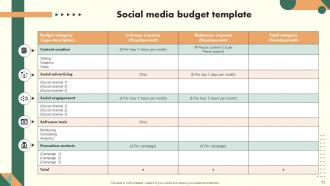
Slide 11: This is Social Media Budget Template slide. Present relevant data in a tabular form here.
Slide 12: This is a Coffee Time slide. Can be altered as per requirement.
Slide 13: This is Financial Plan Icon Slide. Alter/ add icons on the basis of your requirement.
Slide 14: This slide is titled Charts & Graphs to move ahead. Change/ alter content as per need.
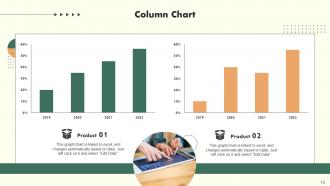
Slide 15: This slide presents a Column Chart for showcasing product/ company growth, comparison etc.
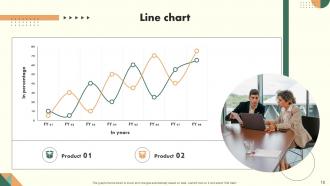
Slide 16: This slide presents a Line Chart for showcasing product/ company growth, comparison etc.
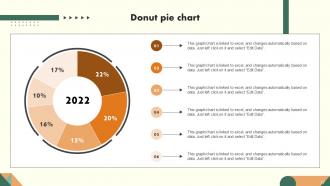
Slide 17: This is a Donut Pie Chart slide to present product/ entity comparison, specifications etc.
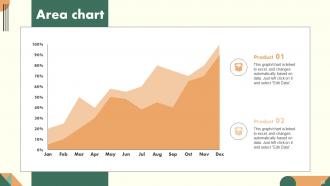
Slide 18: This is an Area Chart slide to present product/ entity comparison, specifications etc.
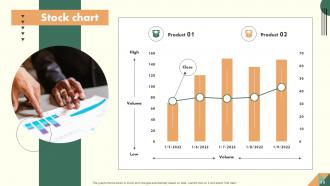
Slide 19: This is a Stock Chart slide to present product/ entity comparison, specifications etc.
Slide 20: This slide is titled Additional Slides. You can change the slide content as per your needs.
Slide 21: This slide represents Our Mission. State your mission, goals etc.
Slide 22: This is an About Us slide. State team/ company specifications here.
Slide 23: This slide showcases Our Team with Name and Designation to fill.
Slide 24: This is Our Goal slide. State your goals here.
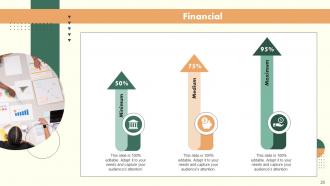
Slide 25: This is a Financial score slide. State financial aspects, information etc. here.
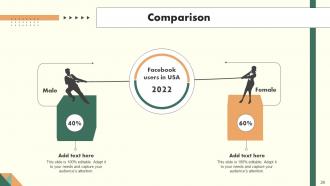
Slide 26: This slide shows Comparison of two products/ entities etc.
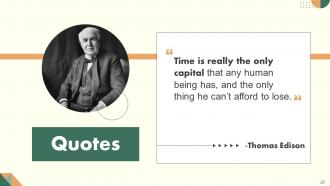
Slide 27: This is a Business Quotes slide to convey company's message, beliefs etc.
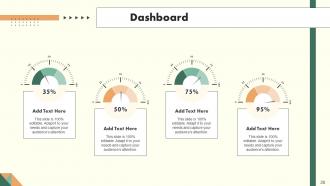
Slide 28: This is a Dashboard slide to show information in percentages etc.
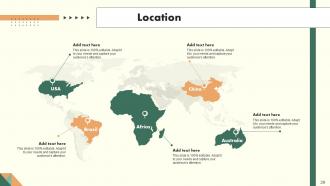
Slide 29: This is a Location slide to show global growth, presence etc. on a world map.
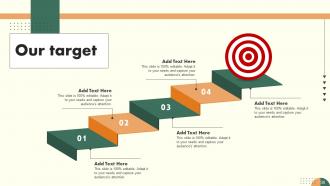
Slide 30: This is Our Target slide. State your targets here.
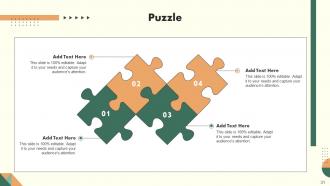
Slide 31: This is a Puzzle image slide to show information, specifications etc.
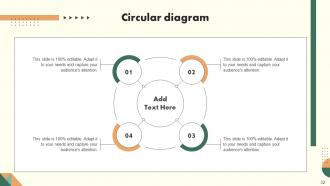
Slide 32: This is a Circular image slide. State information, specifications etc. here.
Slide 33: This is a Lego image slide to show information, specifications etc.
Slide 34: This is a Silhouettes image slide to show people related information, specifications etc.
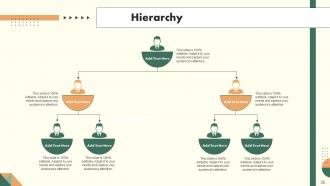
Slide 35: This is a Hierarchy slide to show information, organization structural specifications etc.
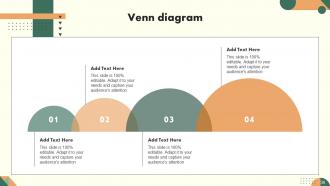
Slide 36: This is a Venn Diagram image slide to show information, specifications etc.
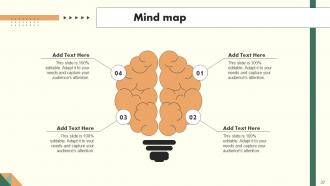
Slide 37: This is a Mind map image slide to show information, segregation, specifications etc.
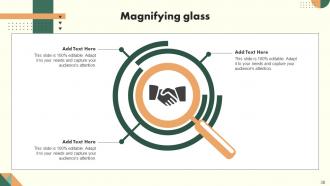
Slide 38: This slide shows a Magnifying glass image with text boxes. State information etc. here.
Slide 39: This is a Bulb or Idea image slide to show information, ideas, specifications etc.
Slide 40: This is a Thank You slide with Address# street number, city, state, Email Address, Contact Numbers.
Financial Plan Powerpoint Presentation Slides with all 40 slides:
Our Financial Plan Powerpoint Presentation Slides can become whatever you want. They are the apt tools for your views.







FAQs for Financial Plan
Okay so basically you need six things for a decent financial plan. Budget first - track what's coming in and going out. Then that emergency fund (3-6 months of expenses, yeah I know it sounds impossible but start somewhere). Insurance is boring but necessary. Debt management means attacking the high-interest stuff first. Investment strategies come next, and don't forget retirement planning even if you're young. Here's the thing though - they're all connected. Like, if you're drowning in credit card debt, maybe pause the investing until that's handled? Makes more sense that way.
Honestly, just dump all your goals on paper first. Split them into short-term (under a year), medium (1-5 years), and long-term stuff. Attack high-interest debt immediately - that crap is bleeding you dry every month. Emergency fund comes next, even though it's boring as hell compared to investing. After that? Prioritize by what'll actually matter. Like, your 401k match beats saving for vacation every time. Pick your top 3 and set up automatic transfers so you don't have to think about it. Way easier than trying to remember each month.
Honestly, budgeting is like having a roadmap for your money instead of just winging it every month. Track your spending for like 30 days first - you'll probably be shocked at where it all goes (I know I was). Once you see the real numbers, you can actually prioritize stuff that matters and cut the random purchases that add up fast. It's basically what keeps you from being broke when you're trying to save for something important. Plus it forces you to set aside money for debt and savings before you spend it on other things. Not gonna lie, it's kind of annoying at first but totally worth it.
Look, just start now even if you can barely spare anything - time does the heavy lifting early on. Your 20s and 30s are about building that saving habit. Once you hit your 40s though? That's crunch time. Most people (myself included honestly) have that "oh shit" moment and realize they need to get way more aggressive with contributions. After 50, you're basically switching gears to protect what you've got and figuring out how you'll actually withdraw it all. Pro tip: automate everything so you don't even have to think about it. I learned that one the hard way.
First thing - write down every single debt you have with the interest rates. I know it sucks but you gotta see the damage. Then just pay minimums on everything except one. Pick either your highest interest rate debt (saves more money) or your smallest balance (feels better when you knock it out). Personally I'm team smallest balance because that quick win kept me going. Don't stop saving completely though - maybe just dial it back a bit? Automatic payments are your friend here since you won't forget. Check your progress monthly so you can actually see you're getting somewhere.
So diversification is just not putting everything in one place, right? Like spreading your money across stocks, bonds, real estate - that kind of stuff. Different things do well at different times, so you won't get completely screwed if one sector crashes. Tech bros learned this the hard way in 2000 lol. Your portfolio stays way more stable over time. Honestly, just start with some basic index funds mixed with bonds. You can get fancy later once you've got more money to play with and figure out what you're doing.
Taxes will totally mess up your plans if you don't think about them upfront. Your 401k saves you money now but you'll get hit later when you withdraw. Roth IRAs work backwards - pay taxes now, nothing later. Hold investments over a year and you'll get way better capital gains rates. Oh, and if you're actually building real wealth, estate stuff becomes a thing too. The rules change constantly though, which is honestly super annoying. Before making any big moves, just run it by a tax person first. Trust me, it's worth it.
Honestly, I'd focus on that emergency fund first - it's like the boring foundation that makes everything else possible. Save up 3-6 months of expenses in a high-yield savings account before you go crazy with investing or throwing extra cash at your mortgage. I get it, when stocks are flying high it feels dumb to just... sit on cash. But you'll sleep better knowing you're covered. Once that's done, then you can split money between retirement, debt payoff, whatever. If the full amount feels impossible, just start with $1,000 and build from there.
Okay so there's honestly way too many options these days, which is kinda overwhelming. Mint and YNAB are solid for budgeting if you're into tracking every dollar. For investing without doing much work yourself, Betterment and Wealthfront are decent robo-advisors. Personal Capital's pretty good when you want to see everything in one place - like your whole financial situation at once. My advice? Pick maybe two max and actually stick with them. I made the mistake of downloading like five different apps and then never opened any of them again lol.
Honestly? Every 6 months works way better than once a year. Life moves too fast - new jobs, relationships, kids, whatever. I made that mistake when I got married and didn't update anything for like 18 months lol. Major stuff happening? That's an automatic review right there, don't wait for your calendar reminder. Speaking of which - set one of those recurring phone alerts and actually stick to it. Treat it like a dentist appointment or something. Six months flies by faster than you think, and you'll be glad you stayed on top of this stuff instead of scrambling later.
Oh man, biggest mistake is definitely not having an emergency fund - learned that one when my car died last year! Also stop putting off retirement savings because you think you're young. You're not getting any younger lol. Don't dump everything into one investment either. Living beyond your means is obvious but we all do it anyway. Try tracking your spending for like a month first - it's actually kind of shocking where money goes. And please don't panic-sell when the market tanks. I see people do this constantly and then buy back in when it's high again. Makes no sense.
Look, financial planning is just figuring out how to ditch the 9-to-5 eventually. First step? Calculate what you actually need - most people say 25-30x your yearly expenses. So if you spend $50k a year, you'd need like $1.25-1.5 million saved up. Sounds crazy, right? But then you work backwards from there. Set monthly savings targets, stick to a budget, invest consistently. I mean, the discipline part sucks but it's doable. Track everything and adjust when life happens. Honestly, once you see the numbers growing, it becomes kind of addictive.
Look, inflation and interest rates basically control how much your money's gonna be worth down the road. High inflation eats away at what you can actually buy over time - pretty brutal honestly. So you need higher returns just to keep up with your current lifestyle. Interest rates hit everything though. Mortgage payments, investment returns, even your savings account (which finally pays something decent when rates are up). Higher rates make borrowing expensive but at least safer investments like bonds actually pay you. I learned this the hard way in 2022. Bottom line: don't stick to some rigid plan - adjust based on what's happening now.
Honestly, don't put this off until "someday" - estate planning should be part of your regular money stuff. Get the basics knocked out first: will, power of attorney, healthcare directives. Then go through ALL your accounts and update beneficiaries. Seriously, this is where people mess up the most. Your 401k, IRAs, life insurance - check everything. Think about taxes too and whether your family needs a trust situation. I review mine every year when I'm doing other financial checkups. Trust me, you don't want this gathering dust for five years straight.
Honestly, just start with Khan Academy or Coursera - their finance courses are actually pretty decent and won't put you to sleep. I'd also grab "A Random Walk Down Wall Street" or that Bogleheads book everyone raves about. Podcasts work great if you're always driving around or at the gym. Maybe try a community college class too if you need that classroom vibe to stay focused. But here's the thing - you've gotta actually DO this stuff, not just read about it. Open an investment account, make a budget spreadsheet, track where your money's going. Theory's useless if it just sits in your head, you know?
-
Nice
-
Nice
-
Editable templates with innovative design and color combination.
-
Great quality product.