

Comprehensive Overview Of Islamic Banking Financial Sector Powerpoint Presentation Slides Fin CD




Try Before you Buy Download Free Sample Product
 Impress Your
 Audience
 100%
100% Editable
 Save Hours
 of Time


Islamic Banking is a financial system based on Islamic principles and values. Grab our Comprehensive Overview of Islamic Banking template. It offers an alternative way of banking that promotes social and ethical responsibility while avoiding interest-based transactions. Islamic Banking is based on profit and loss sharing, making it a more equitable financial system. Our Islamic Banking Deck is an essential tool for anyone interested in understanding the principles and practices of Islamic Banking. It provides a comprehensive overview of the key concepts, regulations, and instruments used in Islamic Banking. Our Sharia-compliant banking PPT covers various topics, like the prohibition of interest, risk-sharing, and the role of ethics in financial transactions. It also explains the different modes of financing in Islamic Banking, including Mudarabah, Musharakah, and Murabaha, among others. Additionally, our Ethical banking module with clear and concise explanations, is perfect for anyone seeking a better understanding of Islamic Banking. Whether you are an aspiring Banking professional, an entrepreneur, or simply curious about this growing field, the Islamic Banking Deck is an essential resource that will deepen your understanding and knowledge of Islamic Banking. Get access now.
People who downloaded this PowerPoint presentation also viewed the following :
Content of this Powerpoint Presentation
Slide 1: This slide introduces Comprehensive Overview of Islamic Banking Financial Sector. Commence by stating Your Company Name.
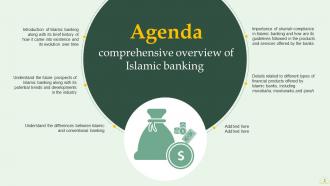
Slide 2: This slide depicts the Agenda of the presentation.
Slide 3: This slide includes the Table of contents.
Slide 4: This slide highlights the Title for the Topics to be discussed further.
Slide 5: This slide presents the Overview of Islamic Economic System in Shariah law.
Slide 6: This slide states the Principles and Characteristics of the Islamic Economic System.
Slide 7: This slide covers the details related to the economic system based on guidelines given in the shariah law.
Slide 8: This slide shows the economic system based on guidelines given in the shariah law.
Slide 9: This slide contains the Heading for the Contents to be discsussed further.
Slide 10: This slide depicts the Overview of Islamic banking in Shariah law.
Slide 11: Thisb slide continues the Overview of Islamic banking in Shariah law.
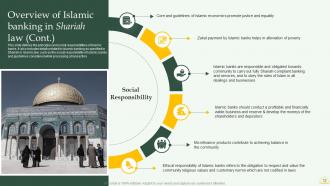
Slide 12: This slide defines the principles and social responsibilities of Islamic banks.
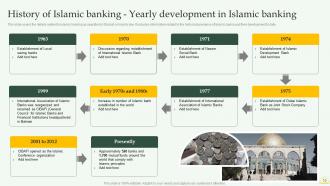
Slide 13: This slide reveals the History of Islamic banking.
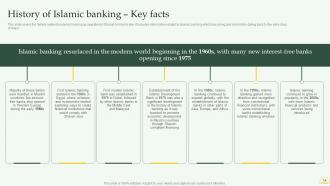
Slide 14: This slide covers the details related to Islamic banking as specified in Shariah or Islamic law.
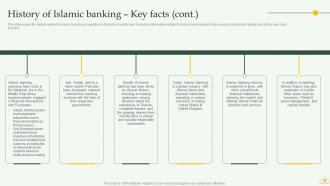
Slide 15: This slide continues the History of Islamic banking.
Slide 16: This slide showcases the Principles and philosophy of Islamic banking.
Slide 17: This slide exhibits the Principles and philosophy of Islamic banking.
Slide 18: This slide continues the Principles and philosophy of Islamic banking.
Slide 19: This slide covers the details related to Islamic banking, a banking system that complies with Islamic law (shariah).
Slide 20: This slide defines the benefits of Islamic banking to its clients.
Slide 21: This slide defines the two concepts Riba and Gharar, of Islamic finance that are prohibited under Sharia law.
Slide 22: This slide talks about the Prohibition of Riba in Shariah law.
Slide 23: This slide defines the prohibition of Gharar, an essential aspect of Islamic finance that aims to promote fairness, transparency, and responsible business practices.
Slide 24: This slide continues the Prohibition of Gharar in Shariah law.
Slide 25: This slide depicts a flowchart representing Islamic banks’ transactions.
Slide 26: This slide highlights the Key differences between Islamic and conventional banking.
Slide 27: This slide states the Different types of Islamic financial instruments.
Slide 28: This slide continues the Different types of Islamic financial instruments.
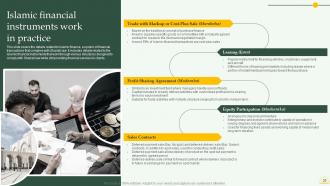
Slide 29: This slide covers the details related to Islamic finance, a system of financial transactions that complies with Shariah law.
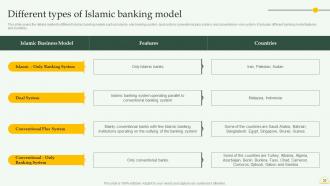
Slide 30: This slide portrays the Different types of Islamic banking model.
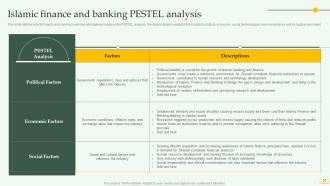
Slide 31: This slide defines Islamic finance and banking's external atmosphere based on the PESTEL analysis.
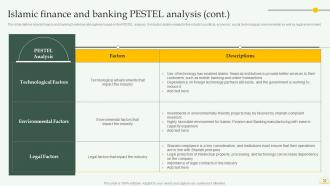
Slide 32: This slide continues the Islamic finance and banking PESTEL analysis.
Slide 33: This slide defines Islamic finance and banking’s internal and external atmosphere based on the SWOT analysis.
Slide 34: This slide talks about the Digital transformation in Islamic banking and financial institutions.
Slide 35: This slide continues the Digital transformation in Islamic banking and financial institutions.
Slide 36: This slide highlights the Title for the Ideas to be covered further.
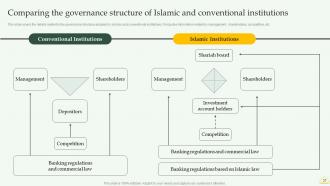
Slide 37: This slide focuses on Comparing the governance structure of Islamic and conventional institutions.
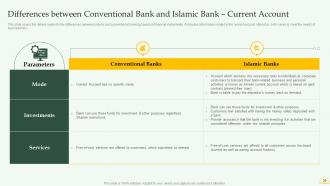
Slide 38: This slide states the Differences between Conventional Bank and Islamic Bank.
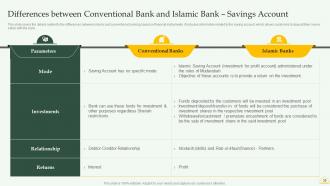
Slide 39: This slide highlights the Differences between Conventional Bank and Islamic Bank.
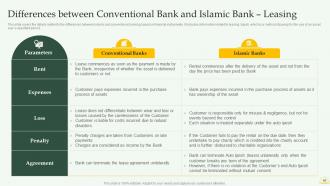
Slide 40: This slide covers the details related to the differences between Islamic and conventional banking based on financial instruments.
Slide 41: This slide states the Differences between Conventional Bank and Islamic Bank.
Slide 42: This slide continues the Differences between Conventional Bank and Islamic Bank.
Slide 43: This slide portrays the Heading for the Ideas to be discussed next.
Slide 44: This slide exhibits the Modes of Islamic banking and financing in Shariah law.
Slide 45: This slide defines the different types of Islamic banking or Islamic finance which is a form of shariah (Islamic law)-compliant finance.
Slide 46: This slide presents the Applications of Islamic financial instruments in Shariah law.
Slide 47: This slide depicts the flowchart defining the process of transacting in Islamic financial instruments.
Slide 48: This slide states the Title for the Contents to be covered in the Upcoming template.
Slide 49: This slide covers the details related to the different categories of financial contracts offered by Islamic banks.
Slide 50: This slide shows the details related to the different categories of financial contracts offered by Islamic banks.
Slide 51: This slide presents the different categories of financial contracts offered by Islamic banks.
Slide 52: This slide displays the Islamic bank offerings across geographical regions.
Slide 53: This slide covers the details related to the different categories of financial contracts offered by Islamic banks.
Slide 54: This slide continues the different categories of financial contracts offered by Islamic banks.
Slide 55: This slide presents the details related to the different categories of financial contracts offered by Islamic banks.
Slide 56: This slide shows the different categories of financial contracts offered by Islamic banks.
Slide 57: This slide continues the Islamic bank offerings across geographical regions.
Slide 58: This slide portrays the different categories of financial contracts offered by Islamic banks.
Slide 59: This slide exhibits the Heading for the Topics to be discussed further.
Slide 60: This slide depicts the list of the largest Islamic banks based on their assets and net income.
Slide 61: EThis slide talks about the existence and presence of largest Islamic banks worldwide.
Slide 62: This slide defines the best Islamic financial institutions in the world for 2022.
Slide 63: This slide represents the best Islamic financial institutions in the world.
Slide 64: This slide continues the World’s best Islamic financial Institutions.
Slide 65: This slide defines the best Islamic financial institutions in the world.
Slide 66: This slide defines the best Islamic financial institutions in the world.
Slide 67: This slide continues the World’s best Islamic financial Institutions.
Slide 68: This slide presents the best Islamic financial institutions in the world.
Slide 69: This slide showcases the World’s best Islamic financial Institutions.
Slide 70: This slide continues the best Islamic financial institutions in the world.
Slide 71: This slide defines the best Islamic financial institutions in the world.
Slide 72: This slide states the best Islamic financial institutions in the world.
Slide 73: This slide continues the World’s best Islamic financial Institutions.
Slide 74: This slide defines the best Islamic financial institutions in the world.
Slide 75: This slide talks about the World’s best Islamic financial Institutions.
Slide 76: This slide continues the World’s best Islamic financial Institutions .
Slide 77: This slide defines the best Islamic financial institutions in the world.
Slide 78: This slide shows the World’s best Islamic financial Institutions.
Slide 79: This slide continues the World’s best Islamic financial Institutions.
Slide 80: This slide defines the best Islamic financial institutions in the world.
Slide 81: This slide presents the best Islamic financial institutions in the world.
Slide 82: This slide continues the best Islamic financial institutions in the world.
Slide 83: This slide defines the best Islamic financial institutions in the world.
Slide 84: This slide highlights the Title for the Topics to be covered in the upcoming template.
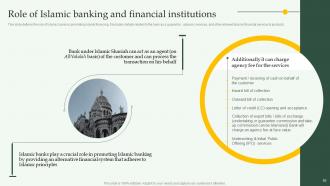
Slide 85: This slide exhibits the Role of Islamic banking and financial institutions.
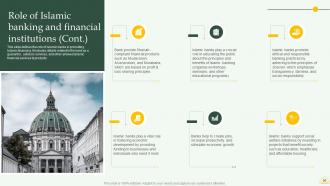
Slide 86: This slide defines the role of Islamic banks in promoting Islamic financing.
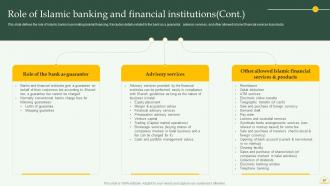
Slide 87: This slide continues the Role of Islamic banking and financial institutions.
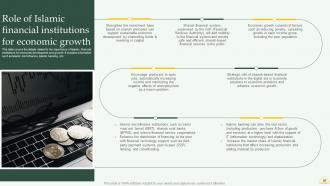
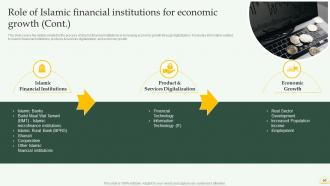
Slide 88: This slide presents the Role of Islamic financial institutions for economic growth.
Slide 89: This slide continues the Role of Islamic financial institutions for economic growth.
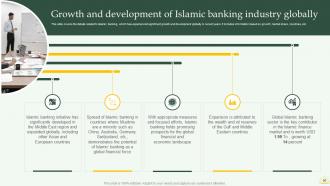
Slide 90: This slide covers the details related to Islamic banking.
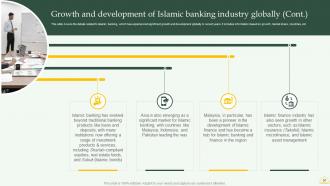
Slide 91: This slide continues the Growth and development of Islamic banking industry globally.
Slide 92: This slide includes the Heading for the Contents to be discussed further.
Slide 93: This slide displays the Overview of Shariah law and its role in Islamic Banking.
Slide 94: This slide continues the Overview of Shariah law and its role in Islamic Banking.
Slide 95: This slide defines Shariah governance which is a mechanism adopted in Islamic financial institutions.
Slide 96: This slide covers the details related to Shariah governance, which is integral to Islamic financial system stability.
Slide 97: This slide presents Shariah Supervisory Boards Roles and Responsibilities.
Slide 98: This slide continues Shariah Supervisory Boards Roles and Responsibilities.
Slide 99: This slide defines the Shariah corporate governance institut.
Slide 100: This slide continues Shariah corporate governance institutions.
Slide 101: This slide depicts the supervisory boards managing the Islamic banks under the Shariah guidelines.
Slide 102: This slide shows the supervisory boards managing the Islamic banks under the Shariah guidelines.
Slide 103: This slide includes the Heading for the Contents to be covered in the next template.
Slide 104: This slide defines the opportunities of Islamic banking.
Slide 105: This slide exhibits the Challenges of Islamic banking and financial institutions.
Slide 106: This slide continues the Challenges of Islamic banking and financial institutions.
Slide 107: This slide depicts the global Islamic banking software market for the year 2020-2024.
Slide 108: This slide illustrates a table depicting the ranking of the strongest Islamic banks in the world for the year 2021.
Slide 109: This slide defines the customers’ priorities towards Islamic banking.
Slide 110: This slide continues the Analysis of customers preferring Islamic banking.
Slide 111: This slide highlights the Global distribution of Islamic financial service.
Slide 112: This slide defines the global distribution of Islamic financial service industries based on different regions and segments.
Slide 113: This slide depicts the map highlighting the areas with the presence of Islamic banks.
Slide 114: This slide mentions the Global facts about Islamic banking.
Slide 115: This slide continues the Global facts about islamic banking.
Slide 116: This slide displays the future of Islamic banking and finance.
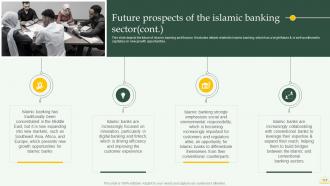
Slide 117: This slide continues the Future prospects of the islamic banking sector.
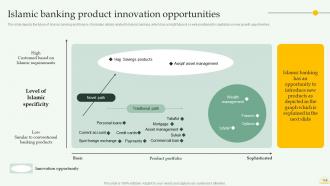
Slide 118: This slide shows the future of Islamic banking and finance.
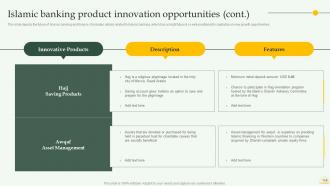
Slide 119: This slide continues the Islamic banking product innovation opportunities.
Slide 120: This is the Thank You slide for acknowledgement.
Comprehensive Overview Of Islamic Banking Financial Sector Powerpoint Presentation Slides Fin CD with all 125 slides:
Use our Comprehensive Overview Of Islamic Banking Financial Sector Powerpoint Presentation Slides Fin CD to effectively help you save your valuable time. They are readymade to fit into any presentation structure.
-
Comprehensive Overview of Islamic Banking Financial Sector
-
Agenda comprehensive overview of Islamic banking
-
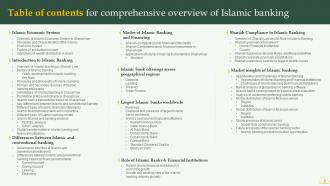
Table of contents for comprehensive overview of Islamic banking
-
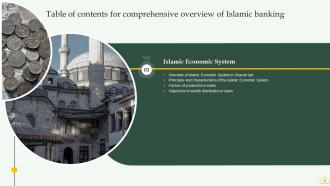
Table of contents for comprehensive overview of Islamic banking
-
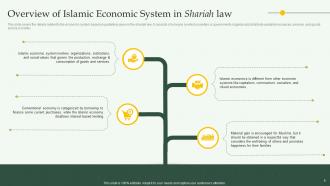
Overview of Islamic Economic System in Shariah law
-
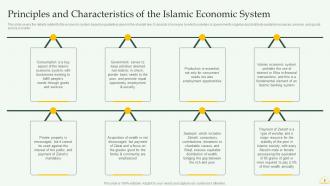
Principles and Characteristics of the Islamic Economic System
-
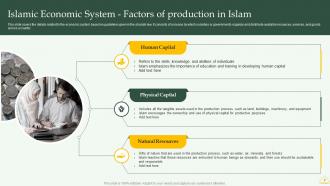
Islamic Economic System Factors of production in Islam
-
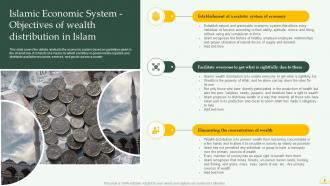
Islamic Economic System Objectives of wealth distribution in Islam
-
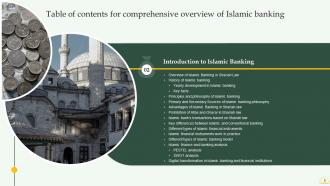
Table of contents for comprehensive overview of Islamic banking
-
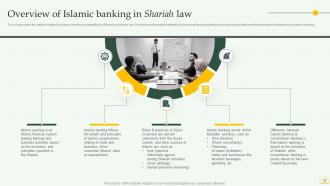
Overview of Islamic banking in Shariah law
-
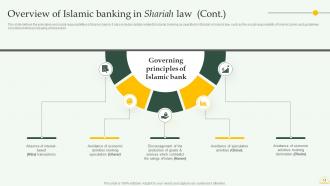
Overview of Islamic banking in Shariah law Cont
-
Overview of Islamic banking in Shariah law Cont
-
History of Islamic banking Yearly development in Islamic banking
-
History of Islamic banking Key facts
-
History of Islamic banking Key facts cont
-
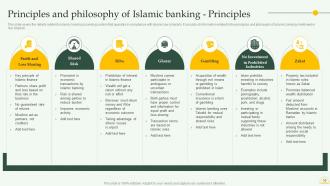
Principles and philosophy of Islamic banking Principles
-
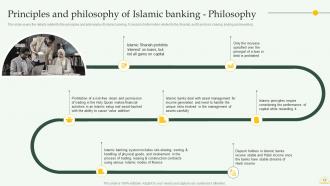
Principles and philosophy of Islamic banking Philosophy
-
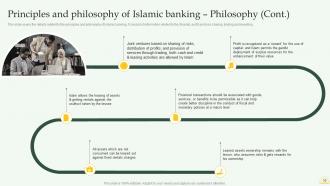
Principles and philosophy of Islamic banking Philosophy Cont
-
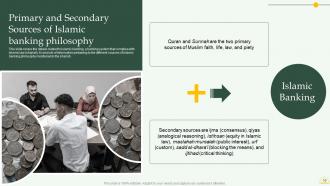
Primary and Secondary Sources of Islamic Banking Philosophy
-
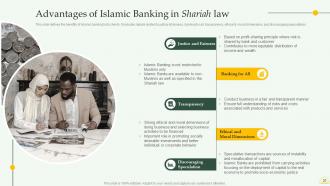
Advantages of Islamic Banking in Shariah law
-
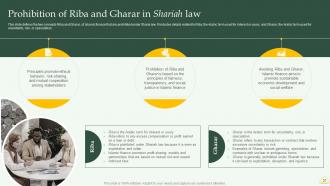
Prohibition of Riba and Gharar in Shariah law
-
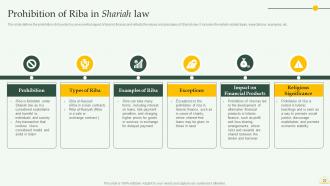
Prohibition of Riba in Shariah law
-
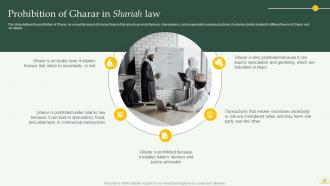
Prohibition of Gharar in Shariah law
-

Prohibition of Gharar in Shariah law Cont
-
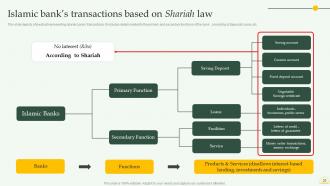
Islamic bank s transactions based on Shariah law
-
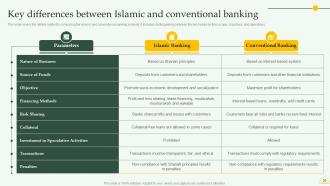
Key differences between Islamic and conventional banking
-
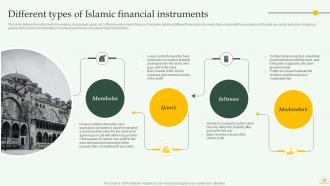
Different types of Islamic financial instruments
-
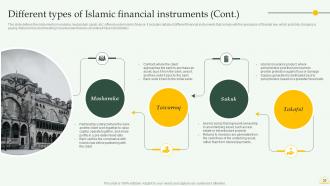
Different types of Islamic financial instruments Cont
-
Islamic financial instruments work in practice
-
Different types of Islamic banking model
-
Islamic finance and banking PESTEL analysis
-
Islamic finance and banking PESTEL analysis cont
-
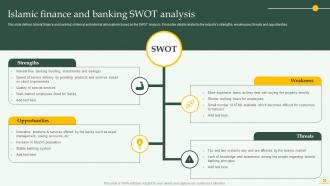
Islamic finance and banking SWOT analysis
-
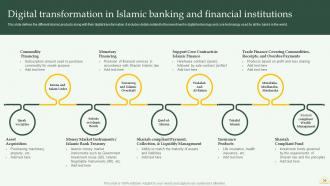
Digital transformation in Islamic banking and financial institutions
-
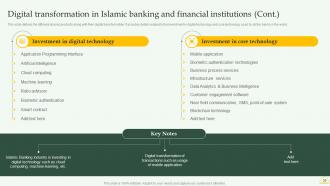
Digital transformation in Islamic banking and financial institutions Cont
-
Table of contents for comprehensive overview of Islamic banking
-
Comparing the governance structure of Islamic and conventional institutions
-
Differences between Conventional Bank and Islamic Bank Current Account
-
Differences between Conventional Bank and Islamic Bank Savings Account
-
Differences between Conventional Bank and Islamic Bank Leasing
-
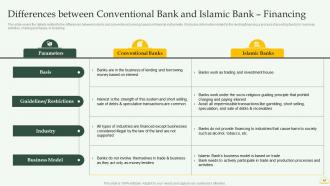
Differences between Conventional Bank and Islamic Bank Financing
-
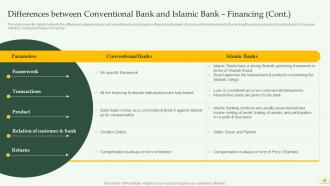
Differences between Conventional Bank and Islamic Bank Financing Cont
-
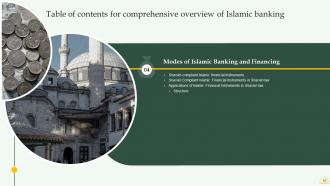
Table of contents for comprehensive overview of Islamic banking
-
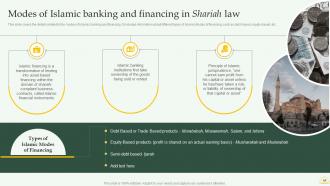
Modes of Islamic banking and financing in Shariah law
-
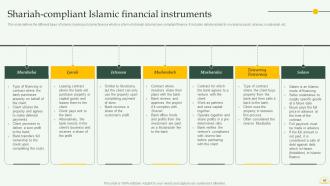
Shariah compliant Islamic financial instruments
-
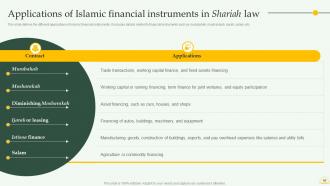
Applications of Islamic financial instruments in Shariah law
-
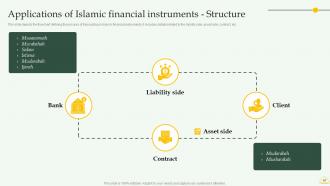
Applications of Islamic financial instruments Structure
-
Table of contents for comprehensive overview of Islamic banking
-
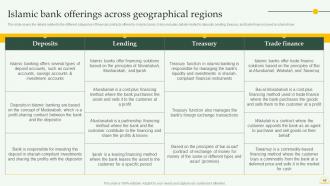
Islamic bank offerings across geographical regions
-
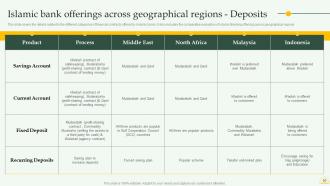
Islamic bank offerings across geographical regions Deposits
-
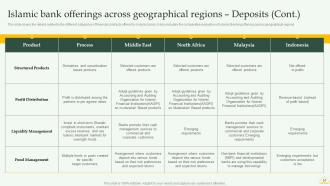
Islamic bank offerings across geographical regions Deposits Cont
-
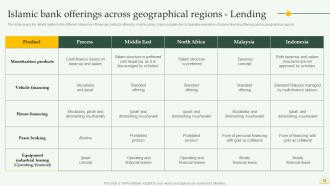
Islamic bank offerings across geographical regions Lending
-
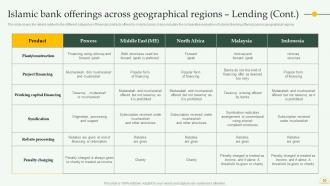
Islamic bank offerings across geographical regions Lending Cont
-
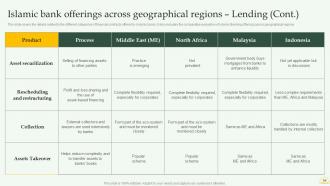
Islamic bank offerings across geographical regions Lending Cont
-
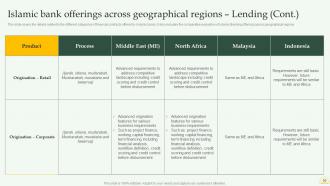
Islamic bank offerings across geographical regions Lending Cont
-
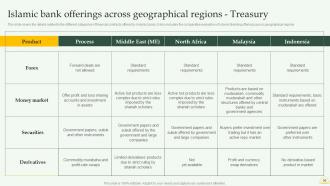
Islamic bank offerings across geographical regions Treasury
-
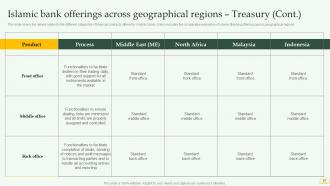
Islamic bank offerings across geographical regions Treasury Cont
-
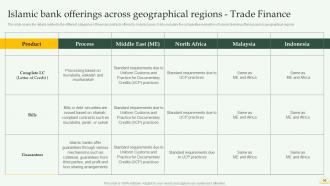
Islamic bank offerings across geographical regions Trade Finance
-
Table of contents for comprehensive overview of Islamic banking
-
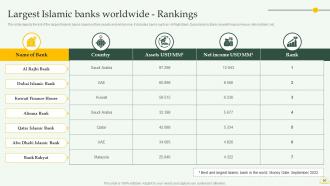
Largest Islamic banks worldwide Rankings
-
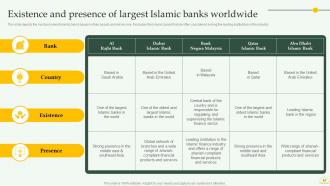
Existence and presence of largest Islamic banks worldwide
-
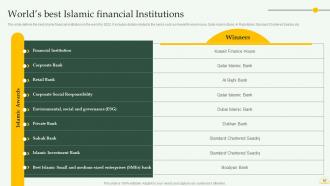
World s best Islamic financial Institutions
-
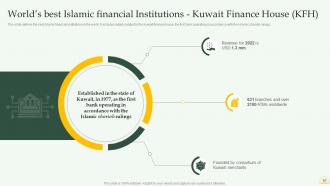
World s best Islamic financial Institutions Kuwait Finance House KFH
-
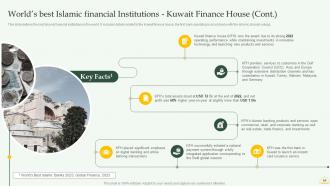
World s best Islamic financial Institutions Kuwait Finance House Cont
-
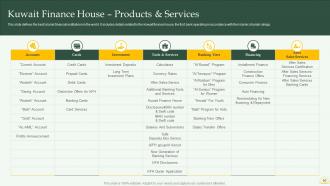
Kuwait Finance House Products Services
-
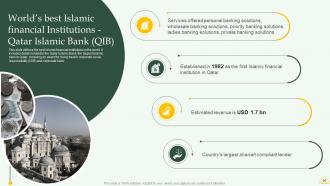
World s best Islamic financial Institutions Qatar Islamic Bank QIB
-
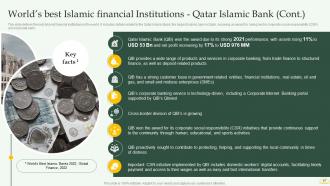
World s best Islamic financial Institutions Qatar Islamic Bank Cont
-
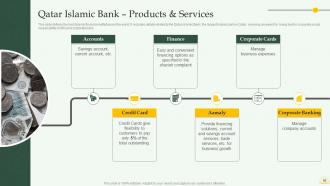
Qatar Islamic Bank Products Services
-
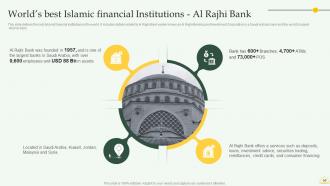
World s best Islamic financial Institutions Al Rajhi Bank
-
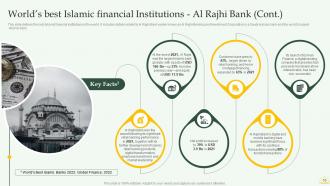
World s best Islamic financial Institutions Al Rajhi Bank Cont
-
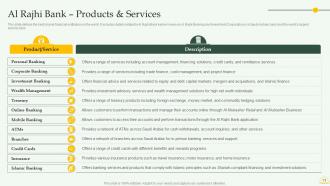
Al Rajhi Bank Products Services
-
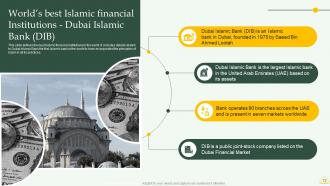
World s best Islamic financial Institutions Dubai Islamic Bank DIB
-
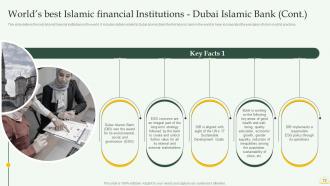
World s best Islamic financial Institutions Dubai Islamic Bank Cont
-
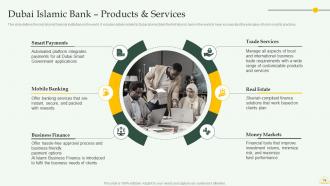
Dubai Islamic Bank Products Services
-
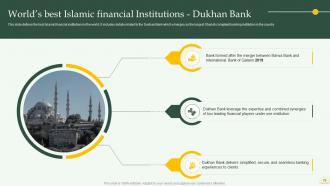
World s best Islamic financial Institutions Dukhan Bank
-
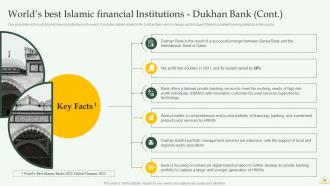
World s best Islamic financial Institutions Dukhan Bank Cont
-
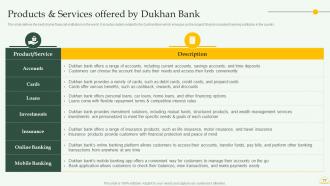
Products Services offered by Dukhan Bank
-
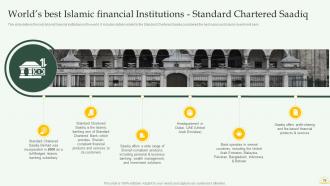
World s best Islamic financial Institutions Standard Chartered Saadiq
-
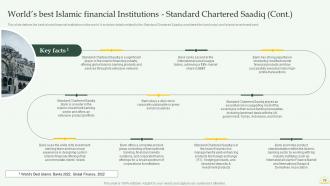
World s best Islamic financial Institutions Standard Chartered Saadiq Cont
-
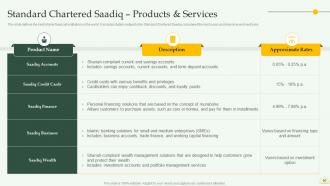
Standard Chartered Saadiq Products Services
-
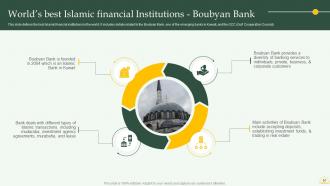
World s best Islamic financial Institutions Boubyan Bank
-
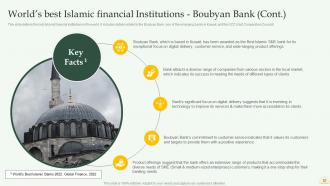
World s best Islamic financial Institutions Boubyan Bank Cont
-
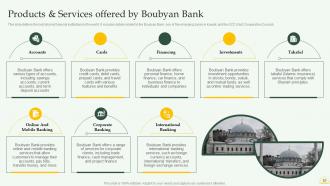
Products Services offered by Boubyan Bank
-
Table of contents for comprehensive overview of Islamic banking
-
Role of Islamic banking and financial institutions
-
Role of Islamic banking and financial institutions Cont
-
Role of Islamic banking and financial institutions Cont
-
Role of Islamic financial institutions for economic growth
-
Role of Islamic financial institutions for economic growth Cont
-
Growth and development of Islamic banking industry globally
-
Growth and development of Islamic banking industry globally Cont
-
Table of contents for comprehensive overview of Islamic banking
-
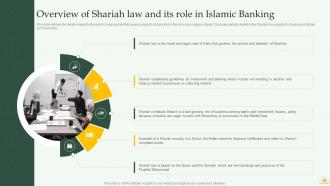
Overview of Shariah law and its role in Islamic Banking
-
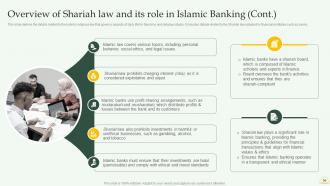
Overview of Shariah law and its role in Islamic Banking Cont
-
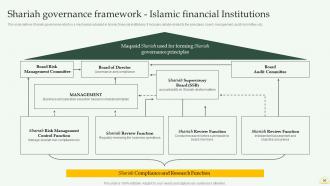
Shariah governance framework Islamic financial Institutions
-
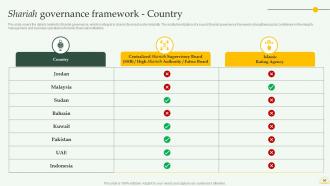
Shariah governance framework Country
-
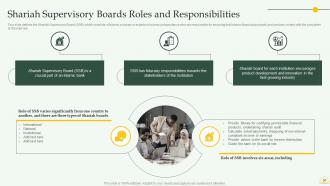
Shariah Supervisory Boards Roles and Responsibilities
-
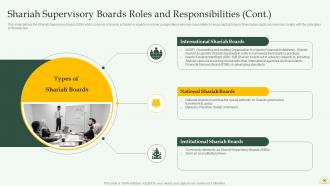
Shariah Supervisory Boards Roles and Responsibilities Cont
-
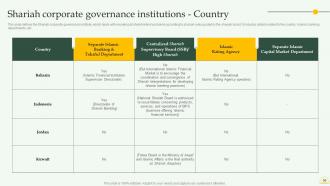
Shariah corporate governance institutions Country
-
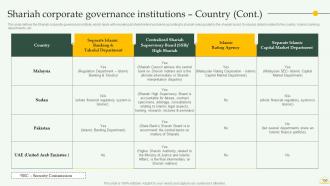
Shariah corporate governance institutions Country Cont
-
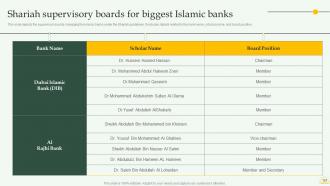
Shariah supervisory boards for biggest Islamic banks
-
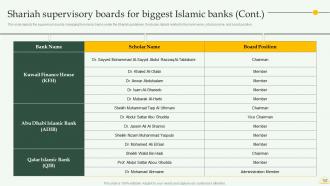
Shariah supervisory boards for biggest Islamic banks Cont
-
Table of contents for comprehensive overview of Islamic banking
-
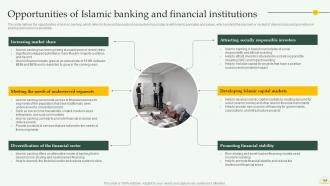
Opportunities of Islamic banking and financial institutions
-
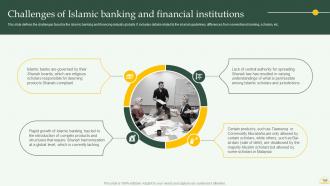
Challenges of Islamic banking and financial institutions
-
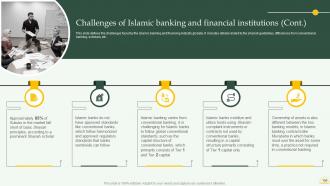
Challenges of Islamic banking and financial institutions Cont
-
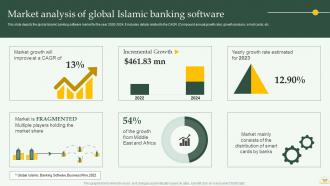
Market analysis of global Islamic banking software
-
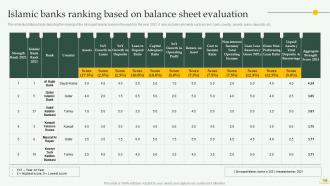
Islamic banks ranking based on balance sheet evaluation
-
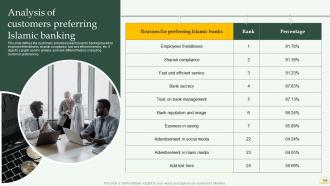
Analysis of customers preferring Islamic banking
-
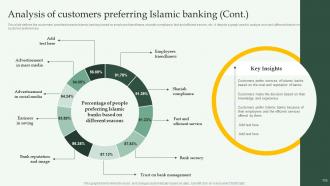
Analysis of customers preferring Islamic banking Cont
-
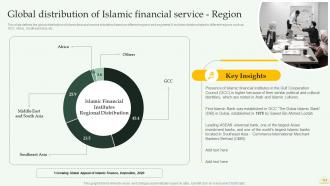
Global distribution of Islamic financial service Region
-
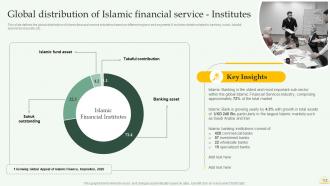
Global distribution of Islamic financial service Institutes
-
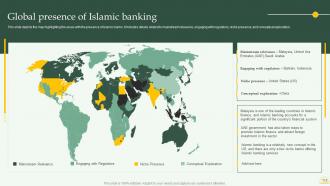
Global presence of Islamic banking
-
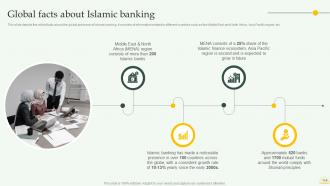
Global facts about Islamic banking
-
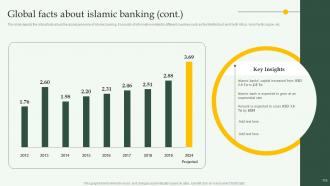
Global facts about Islamic banking cont
-
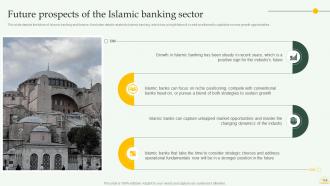
Future prospects of the Islamic banking sector
-
Future prospects of the Islamic banking sector cont
-
Islamic banking product innovation opportunities
-
Islamic banking product innovation opportunities cont
-

Comprehensive Overview of Islamic Banking Financial Sector Fin Cd
-

-

-

-

-

FAQs for Comprehensive Overview Of Islamic Banking Financial Sector Powerpoint Presentation
So basically, Islamic banking can't charge interest because of Sharia law - they call it riba and it's forbidden. Instead they do profit-sharing deals and partnerships with customers. Way more collaborative than regular banks honestly. They also can't invest in stuff like alcohol or gambling, and everything has to be backed by real assets, not just speculation. It's actually pretty clever how they structure it all. Oh and if you want to dig deeper, look up murabaha and ijara - those are their main financing methods. Totally different approach but it works.
So riba basically means Islamic banks can't charge interest, which totally changes everything. They get creative though - like with Murabaha where they buy something and sell it to you at a markup instead of just lending cash. There's also Ijara which is more like leasing. Honestly the paperwork gets pretty intense compared to regular loans, but you still get your money in the end. The whole point is profits have to come from actual business deals or partnerships, not just lending money and waiting. It's way more complicated than it needs to be sometimes, but that's how they stay compliant.
So Islamic banking revolves around Shariah compliance - it's literally the foundation for everything they do. No interest charges allowed, can't invest in alcohol or gambling, that sort of thing. All their contracts have to be tied to actual assets too, not just speculation. Honestly, it gets pretty intricate because they need religious scholars constantly checking their products. The biggest pain point? You'll waste so much time if you don't verify your deals match these rules upfront. Trust me on that one - I've seen people go back and forth for weeks over stuff that could've been caught early.
So Islamic banks can't charge interest, right? Instead they buy stuff like houses or equipment, then sell it to you at a markup. Or they'll actually partner with you in business deals and split the real profits and losses. It's more like trading than regular lending, honestly. Your monthly payments might end up looking similar though - which is kinda funny when you think about it. The big difference is they're actually taking risk with you instead of just collecting guaranteed money. I'd still compare their rates to normal banks to see what's cheaper for you.
So the main ones you'll run into are Murabaha (bank buys something then sells it to you with markup), Ijara which is just Islamic leasing, and Sukuk - think bonds but Sharia-compliant. Musharaka and Mudaraba are also big for partnerships and investment stuff. Here's the thing though - most Islamic banks are like 70% Murabaha because it's way easier to set up than the others. They all dodge interest by tying returns to real assets instead of straight money lending. When you're shopping around, definitely ask which instruments they actually use. It'll show you if they're creative or just playing it safe.
So Islamic finance has this cool risk-sharing thing that's basically like having a financial safety net. Banks and investors actually split profits AND losses with borrowers - which honestly makes way more sense than our system. Nobody's getting crazy with risky investments when everyone's money is on the line together. Plus it cuts down on speculation since you can't just dump bad debt on someone else. Malaysia's Islamic banks did surprisingly well during 2008 if you want to see it in action. Short version: when everyone shares the risk, people make smarter choices.
Honestly, Islamic banks are kinda fighting an uphill battle. They can't just copy regular banks with interest-based stuff - everything has to be Sharia-compliant, which limits their options big time. The infrastructure isn't really built for them either. Fewer partnerships, regulations that don't quite mesh, way higher compliance costs. And finding people who actually know Islamic finance? Good luck with that - the talent pool is tiny. It's like they're playing basketball while everyone else gets to use their hands, if that makes sense. But hey, at least you know they're genuinely trying to stick to their principles when they serve you.
Yeah, Islamic banks are actually going hard on tech right now. They've got Sharia-compliant digital wallets and mobile apps rolling out everywhere. Blockchain's been huge for them since the transparency thing fits perfectly with Islamic finance principles - like, it's almost made for each other. Most are just partnering with FinTech companies instead of doing it themselves, which honestly makes way more sense. Oh, and they're even figuring out crypto solutions that work with their rules. Smart contracts are probably the coolest part though - they're automating all the compliance stuff automatically. That's where I'd look if you're researching this space.
Honestly, globalization's been a mixed bag for Islamic banking. The expansion opportunities are huge - banks can finally standardize their Sharia-compliant products internationally. But man, the regulatory headaches are real. Every country has different rules, and you still have to stick to Islamic principles no matter what. The tricky part? There's no universal agreement on what counts as "halal" banking practices. So if you're thinking about this field, definitely research how local regulations mesh with Sharia requirements in whatever markets you're eyeing. It's getting better though - just takes time to sort out all the cross-border stuff.
So Islamic banks can't just dump extra cash into regular interest accounts like other banks do. They have to use Shariah-compliant stuff instead - profit-sharing deposits, sukuk bonds backed by actual assets, Islamic interbank markets. Pretty limiting honestly. They'll put money into commodity trades or short-term Islamic CDs to stay liquid. Everything needs real asset backing or profit-sharing deals. When you're looking at these banks, definitely check how many different liquidity tools they've got since their options are way more restricted than conventional ones.
So Islamic finance is all about ethical investing - that's honestly the biggest difference from regular banks. You can't just throw money at anything profitable. There are strict rules about avoiding haram stuff like alcohol, gambling, tobacco, plus businesses heavy on interest. The screening process is actually pretty intense when you dig into it. What's cool is your money ends up supporting companies that genuinely help society instead of just chasing profits. Oh, and definitely ask them exactly how they screen investments - you'll want to know where your cash is actually going!
Yeah, Islamic banks are open to everyone - not just Muslims. They market their stuff as "ethical banking" which honestly isn't wrong. Muslims get the religious compliance they need, but lots of non-Muslims pick them because there's zero predatory lending or sketchy hidden fees. Way more transparent than regular banks. Their profit-sharing thing creates better relationships too, regardless of what you believe. Oh and their home financing is wild - totally different structure from normal mortgages but somehow less confusing? Worth looking into if you're shopping around.
So Islamic banks actually have pretty solid transparency built in. They've got these Sharia compliance boards that audit everything, and they have to publish reports showing exactly where your money goes. What's nice is they can't use those sketchy complex derivatives regular banks love - everything has to be backed by real assets you can trace. Most places have special regulators just for Islamic banking too, which means stricter rules. Oh and definitely ask to see their Sharia certificates and annual reports before you pick one - that stuff tells you everything.
So basically, Islamic banking bans interest which actually makes things way more fair. Instead of just loading people up with debt, lenders and borrowers split the profits AND losses together. Pretty cool concept honestly. They also need real assets backing everything, so less of that crazy speculation stuff - though yeah, it can make things slower sometimes. The whole system pushes actual productive investment instead of just shuffling money around. If you're curious about it, check out mudarabah partnerships. Way more sustainable than regular loans since everyone's got skin in the game.
Dude, Islamic banking is going crazy with fintech right now. Mobile apps and blockchain stuff for trade finance are everywhere - honestly it's pretty cool to watch. Banks are using AI for risk checks while staying Shariah-compliant, which is smart. Cross-border payments and SME financing through digital platforms? That's where the money is. Southeast Asia and Africa are killing it with innovation though, so I'd focus there if you're looking to get in. The whole digital expansion thing is opening up markets they couldn't reach before.
-
Easily Understandable slides.
-
The templates you provide are great! They have saved me tons of time and made my presentations come alive. Thank you for this awesome product. Keep up the good work!