


Everything About Islamic Banking Powerpoint Presentation Slides Fin CD V




Try Before you Buy Download Free Sample Product
 Impress Your
 Audience
 100%
100% Editable
 Save Hours
 of Time


Islamic Banking is a financial system based on Islamic principles and values. Grab our Everything about Islamic Banking template. It offers an alternative way of banking that promotes social and ethical responsibility while avoiding interest-based transactions. Islamic Banking is based on profit and loss sharing, making it a more equitable financial system. Our Islamic Banking Deck is an essential tool for anyone interested in understanding the principles and practices of Islamic Banking. It provides a comprehensive overview of the key concepts, regulations, and instruments used in Islamic Banking. Our Sharia-compliant banking PPT covers various topics, like the prohibition of interest, risk-sharing, and the role of ethics in financial transactions. It also explains the different modes of financing in Islamic Banking, including Mudarabah, Musharakah, and Murabaha, among others. Additionally, our Ethical banking module with clear and concise explanations, is perfect for anyone seeking a better understanding of Islamic Banking. Whether you are an aspiring Banking professional, an entrepreneur, or simply curious about this growing field, the Islamic Banking Deck is an essential resource that will deepen your understanding and knowledge of Islamic Banking. Get access now.
People who downloaded this PowerPoint presentation also viewed the following :
Content of this Powerpoint Presentation
Slide 1: This slide introduces Everything about Islamic Banking. Commence by stating Your Company Name.
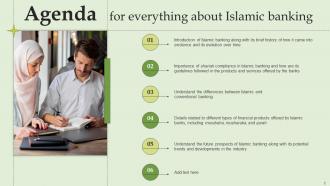
Slide 2: This slide depicts the Agenda of the presentation.
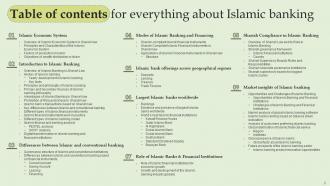
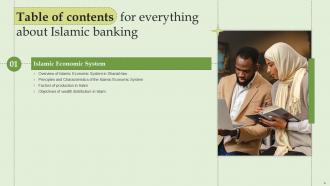
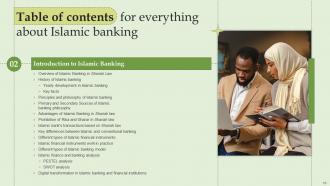
Slide 3: This slide includes the Table of contents.
Slide 4: This slide highlights the Title for the Topics to be discussed further.
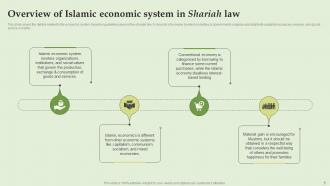
Slide 5: This slide presents the Overview of Islamic Economic System in Shariah law.
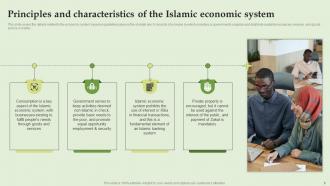
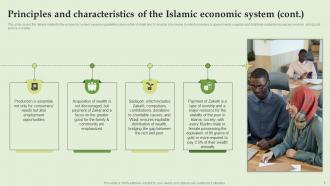
Slide 6: This slide states the Principles and Characteristics of the Islamic Economic System.
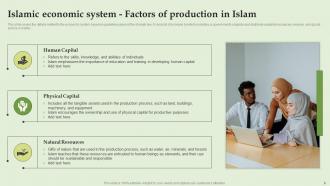
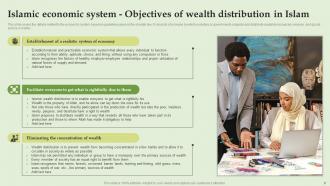
Slide 7: This slide covers the details related to the economic system based on guidelines given in the shariah law.
Slide 8: This slide shows the economic system based on guidelines given in the shariah law.
Slide 9: This slide contains the Heading for the Contents to be discussed further.
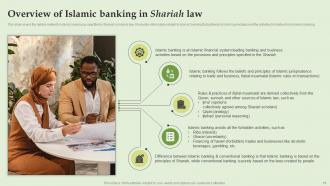
Slide 10: This slide depicts the Overview of Islamic banking in Shariah law.
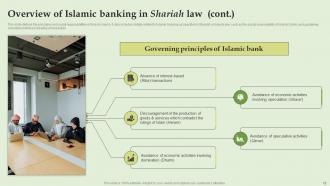
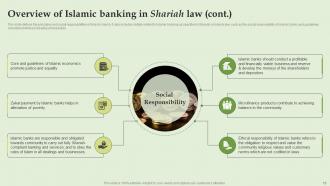
Slide 11: This slide continues the Overview of Islamic banking in Shariah law.
Slide 12: This slide defines the principles and social responsibilities of Islamic banks.
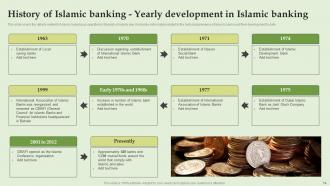
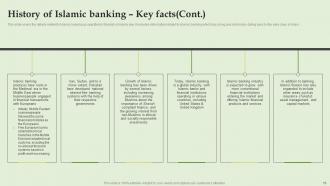
Slide 13: This slide reveals the History of Islamic banking.
Slide 14: This slide covers the details related to Islamic banking as specified in Shariah or Islamic law.
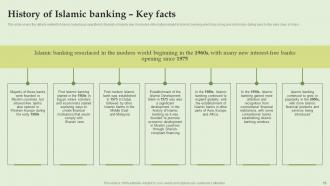
Slide 15: This slide continues the History of Islamic banking.
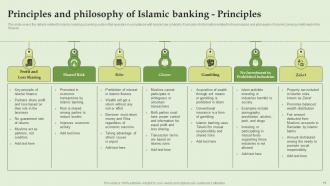
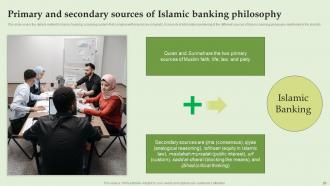
Slide 16: This slide showcases the Principles and philosophy of Islamic banking.
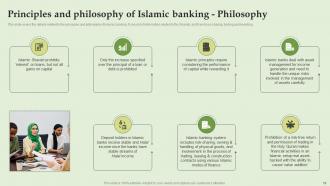
Slide 17: This slide exhibits the Principles and philosophy of Islamic banking.
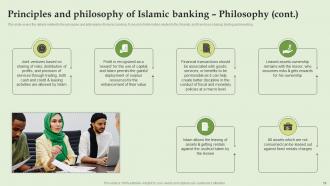
Slide 18: This slide continues the Principles and philosophy of Islamic banking.
Slide 19: This slide covers the details related to Islamic banking, a banking system that complies with Islamic law (shariah).
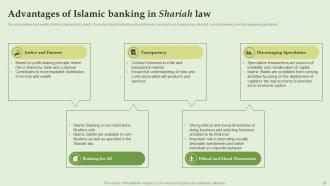
Slide 20: This slide defines the benefits of Islamic banking to its clients.
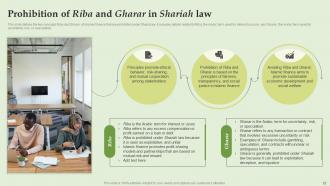
Slide 21: This slide defines the two concepts Riba and Gharar, of Islamic finance that are prohibited under Sharia law.
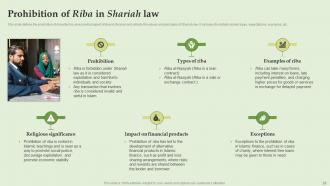
Slide 22: This slide talks about the Prohibition of Riba in Shariah law.
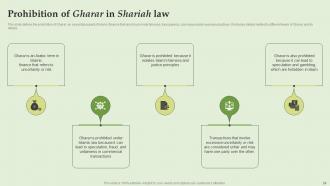
Slide 23: This slide defines the prohibition of Gharar, an essential aspect of Islamic finance that aims to promote fairness, transparency, and responsible business practices.
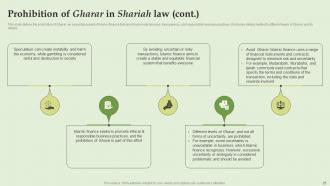
Slide 24: This slide continues the Prohibition of Gharar in Shariah law.
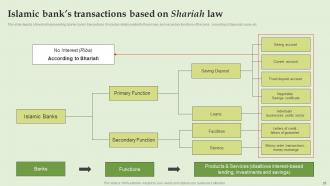
Slide 25: This slide depicts a flowchart representing Islamic banks’ transactions.
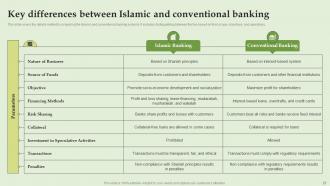
Slide 26: This slide highlights the Key differences between Islamic and conventional banking.
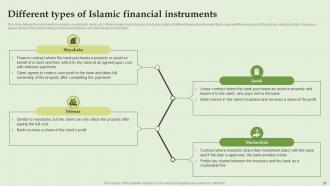
Slide 27: This slide states the Different types of Islamic financial instruments.
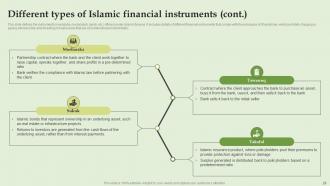
Slide 28: This slide continues the Different types of Islamic financial instruments.
Slide 29: This slide covers the details related to Islamic finance, a system of financial transactions that complies with Shariah law.
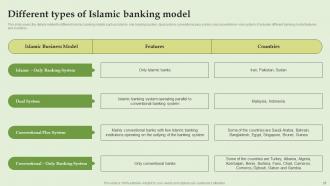
Slide 30: This slide portrays the Different types of Islamic banking model.
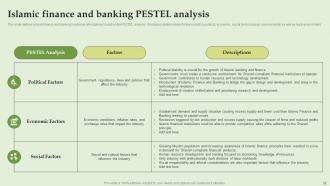
Slide 31: This slide defines Islamic finance and banking's external atmosphere based on the PESTEL analysis.
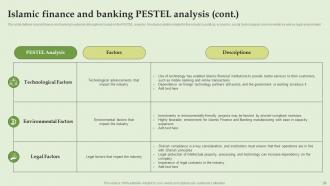
Slide 32: This slide continues the Islamic finance and banking PESTEL analysis.
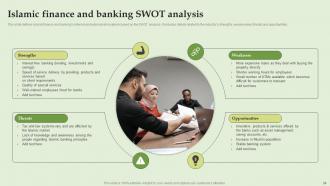
Slide 33: This slide defines Islamic finance and banking’s internal and external atmosphere based on the SWOT analysis.
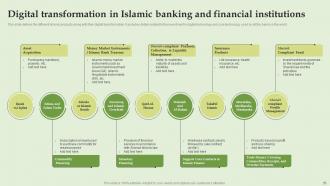
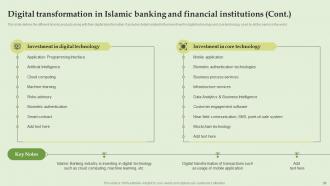
Slide 34: This slide talks about the Digital transformation in Islamic banking and financial institutions.
Slide 35: This slide continues the Digital transformation in Islamic banking and financial institutions.
Slide 36: This slide highlights the Title for the Ideas to be covered further.
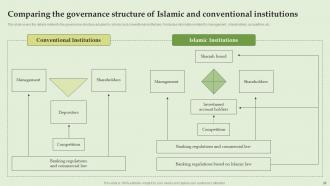
Slide 37: This slide focuses on Comparing the governance structure of Islamic and conventional institutions.
Slide 38: This slide states the Differences between Conventional Bank and Islamic Bank.
Slide 39: This slide highlights the Differences between Conventional Bank and Islamic Bank.
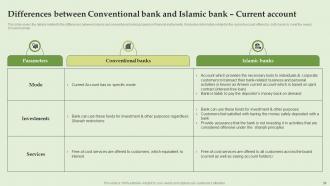
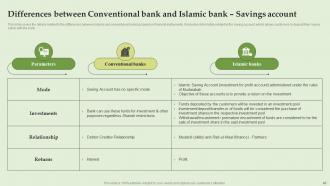
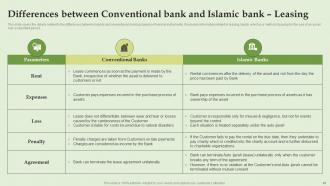
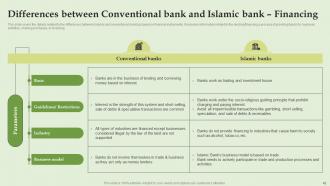
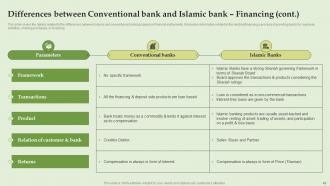
Slide 40: This slide covers the details related to the differences between Islamic and conventional banking based on financial instruments.
Slide 41: This slide states the Differences between Conventional Bank and Islamic Bank.
Slide 42: This slide continues the Differences between Conventional Bank and Islamic Bank.
Slide 43: This slide portrays the Heading for the Ideas to be discussed next.
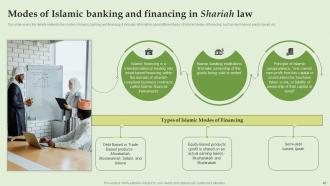
Slide 44: This slide exhibits the Modes of Islamic banking and financing in Shariah law.
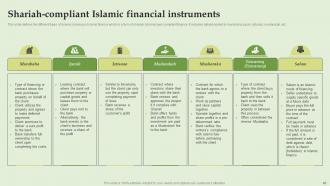
Slide 45: This slide defines the different types of Islamic banking or Islamic finance which is a form of shariah (Islamic law)-compliant finance.
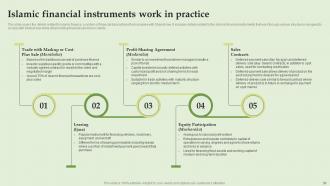
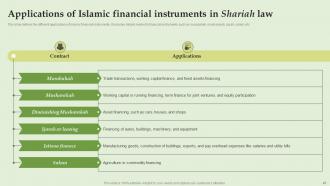
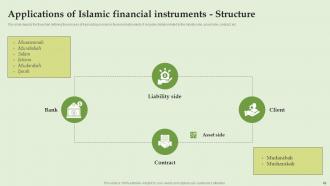
Slide 46: This slide presents the Applications of Islamic financial instruments in Shariah law.
Slide 47: This slide depicts the flowchart defining the process of transacting in Islamic financial instruments.
Slide 48: This slide states the Title for the Contents to be covered in the Upcoming template.
Slide 49: This slide covers the details related to the different categories of financial contracts offered by Islamic banks.
Slide 50: This slide shows the details related to the different categories of financial contracts offered by Islamic banks.
Slide 51: This slide presents the different categories of financial contracts offered by Islamic banks.
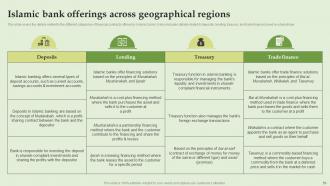
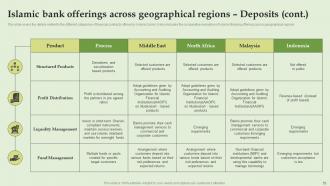
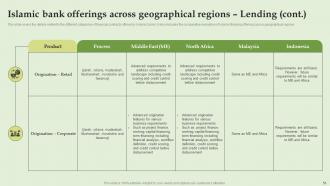
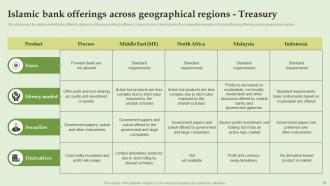
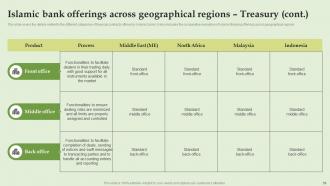
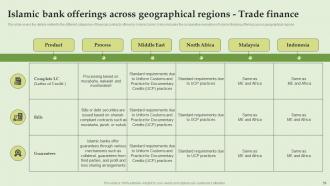
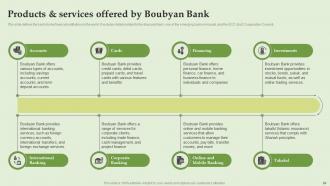
Slide 52: This slide displays the Islamic bank offerings across geographical regions.
Slide 53: This slide covers the details related to the different categories of financial contracts offered by Islamic banks.
Slide 54: This slide continues the different categories of financial contracts offered by Islamic banks.
Slide 55: This slide presents the details related to the different categories of financial contracts offered by Islamic banks.
Slide 56: This slide shows the different categories of financial contracts offered by Islamic banks.
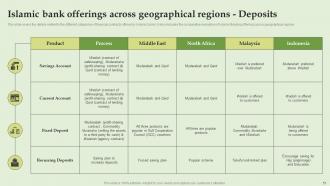
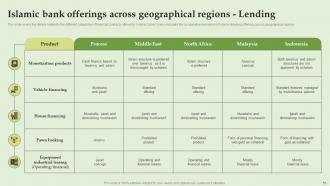
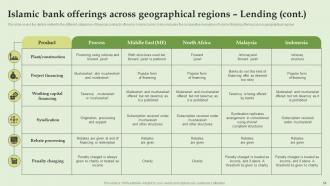
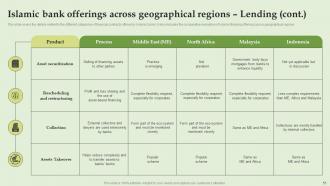
Slide 57: This slide continues the Islamic bank offerings across geographical regions.
Slide 58: This slide portrays the different categories of financial contracts offered by Islamic banks.
Slide 59: This slide exhibits the Heading for the Topics to be discussed further.
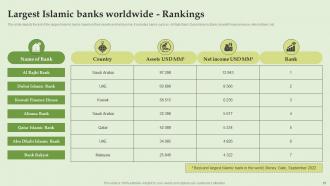
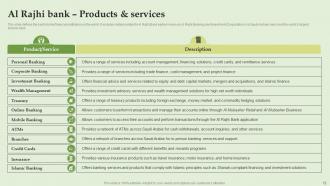
Slide 60: This slide depicts the list of the largest Islamic banks based on their assets and net income.
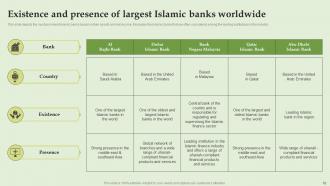
Slide 61: EThis slide talks about the existence and presence of largest Islamic banks worldwide.
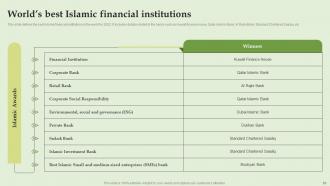
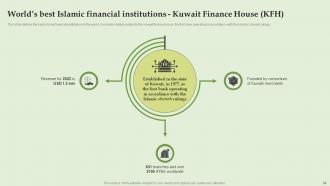
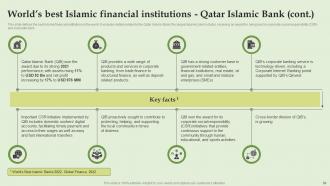
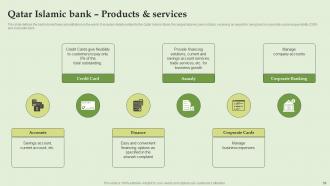
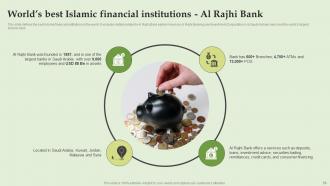
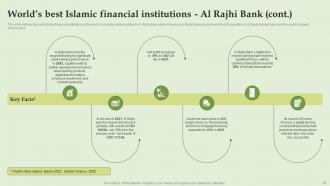
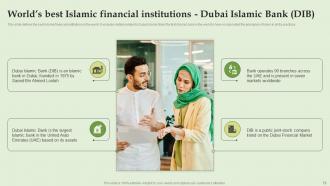
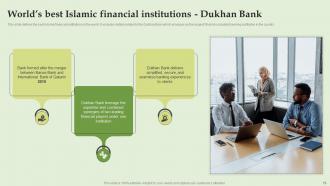
Slide 62: This slide defines the best Islamic financial institutions in the world for 2022.
Slide 63: This slide represents the best Islamic financial institutions in the world.
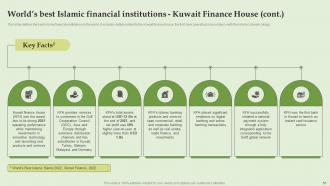
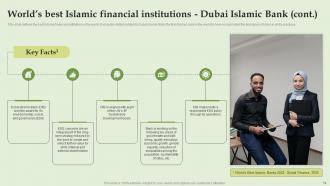
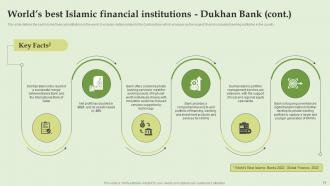
Slide 64: This slide continues the World’s best Islamic financial Institutions.
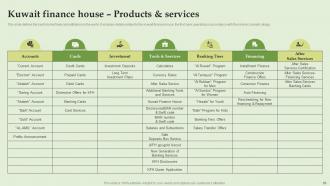
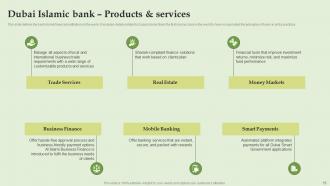
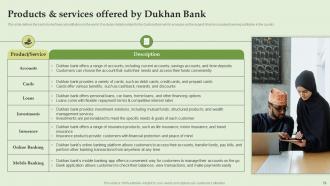
Slide 65: This slide defines the best Islamic financial institutions in the world.
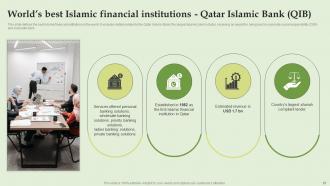
Slide 66: This slide defines the best Islamic financial institutions in the world.
Slide 67: This slide continues the World’s best Islamic financial Institutions.
Slide 68: This slide presents the best Islamic financial institutions in the world.
Slide 69: This slide showcases the World’s best Islamic financial Institutions.
Slide 70: This slide continues the best Islamic financial institutions in the world.
Slide 71: This slide defines the best Islamic financial institutions in the world.
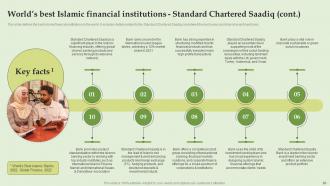
Slide 72: This slide states the best Islamic financial institutions in the world.
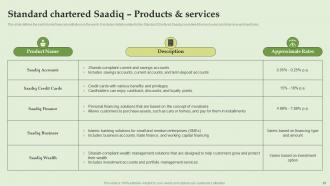
Slide 73: This slide continues the World’s best Islamic financial Institutions.
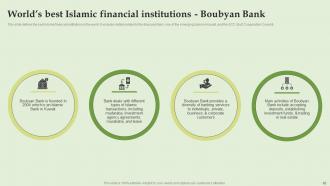
Slide 74: This slide defines the best Islamic financial institutions in the world.
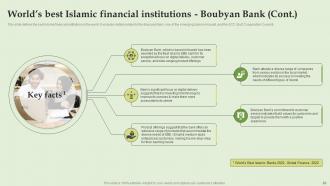
Slide 75: This slide talks about the World’s best Islamic financial Institutions.
Slide 76: This slide continues the World’s best Islamic financial Institutions .
Slide 77: This slide defines the best Islamic financial institutions in the world.
Slide 78: This slide shows the World’s best Islamic financial Institutions.
Slide 79: This slide continues the World’s best Islamic financial Institutions.
Slide 80: This slide defines the best Islamic financial institutions in the world.
Slide 81: This slide presents the best Islamic financial institutions in the world.
Slide 82: This slide continues the best Islamic financial institutions in the world.
Slide 83: This slide defines the best Islamic financial institutions in the world.
Slide 84: This slide highlights the Title for the Topics to be covered in the upcoming template.
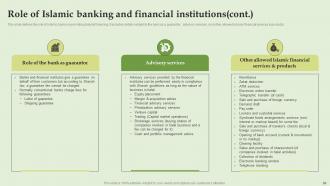
Slide 85: This slide exhibits the Role of Islamic banking and financial institutions.
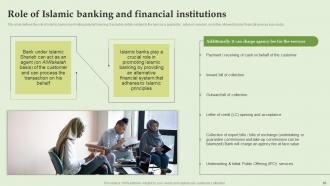
Slide 86: This slide defines the role of Islamic banks in promoting Islamic financing.
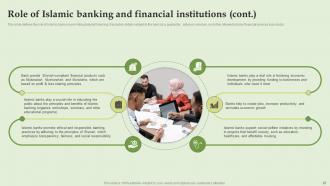
Slide 87: This slide continues the Role of Islamic banking and financial institutions.
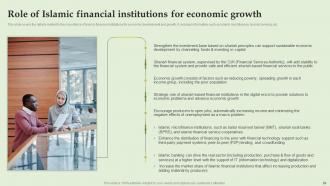
Slide 88: This slide presents the Role of Islamic financial institutions for economic growth.
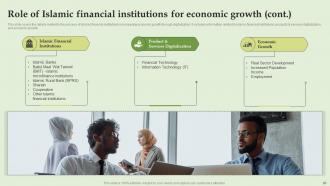
Slide 89: This slide continues the Role of Islamic financial institutions for economic growth.
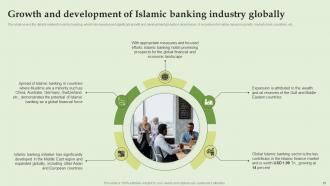
Slide 90: This slide covers the details related to Islamic banking.
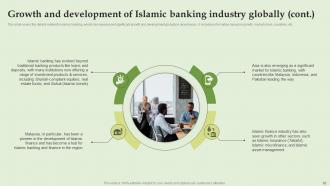
Slide 91: This slide continues the Growth and development of Islamic banking industry globally.
Slide 92: This slide includes the Heading for the Contents to be discussed further.
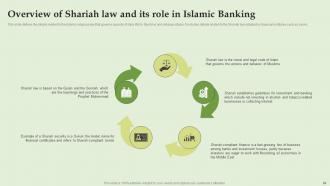
Slide 93: This slide displays the Overview of Shariah law and its role in Islamic Banking.
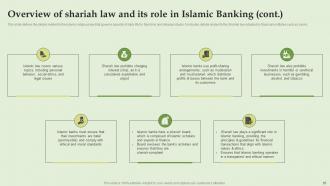
Slide 94: This slide continues the Overview of Shariah law and its role in Islamic Banking.
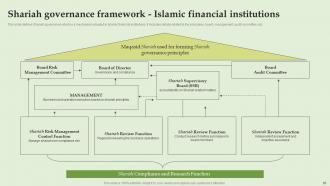
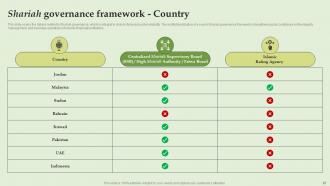
Slide 95: This slide defines Shariah governance which is a mechanism adopted in Islamic financial institutions.
Slide 96: This slide covers the details related to Shariah governance, which is integral to Islamic financial system stability.
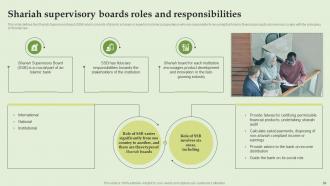
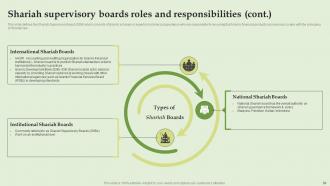
Slide 97: This slide presents Shariah Supervisory Boards Roles and Responsibilities.
Slide 98: This slide continues Shariah Supervisory Boards Roles and Responsibilities.
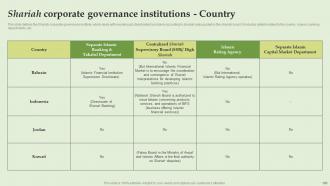
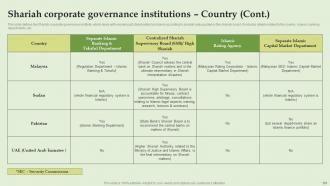
Slide 99: This slide defines the Shariah corporate governance institute.
Slide 100: This slide continues Shariah corporate governance institutions.
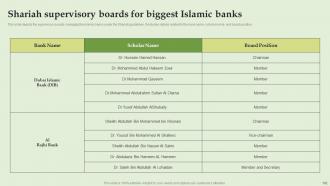
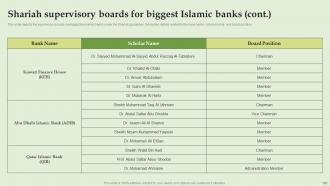
Slide 101: This slide depicts the supervisory boards managing the Islamic banks under the Shariah guidelines.
Slide 102: This slide shows the supervisory boards managing the Islamic banks under the Shariah guidelines.
Slide 103: This slide includes the Heading for the Contents to be covered in the next template.
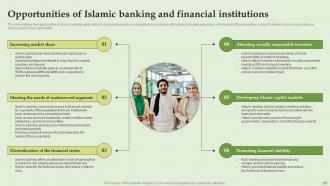
Slide 104: This slide defines the opportunities of Islamic banking.
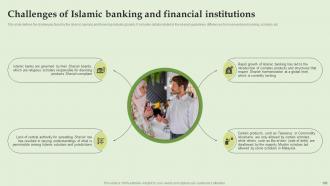
Slide 105: This slide exhibits the Challenges of Islamic banking and financial institutions.
Slide 106: This slide continues the Challenges of Islamic banking and financial institutions.
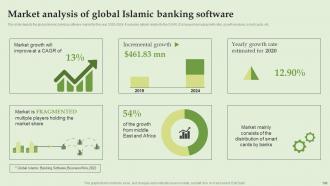
Slide 107: This slide depicts the global Islamic banking software market for the year 2020-2024.
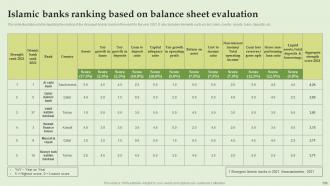
Slide 108: This slide illustrates a table depicting the ranking of the strongest Islamic banks in the world for the year 2021.
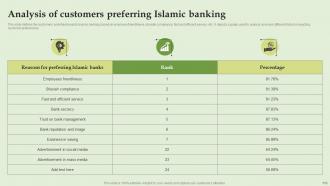
Slide 109: This slide defines the customers’ priorities towards Islamic banking.
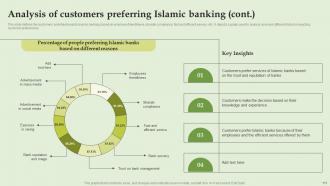
Slide 110: This slide continues the Analysis of customers preferring Islamic banking.
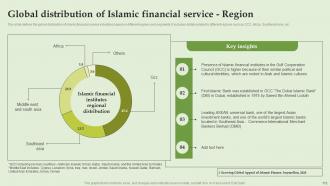
Slide 111: This slide highlights the Global distribution of Islamic financial service.
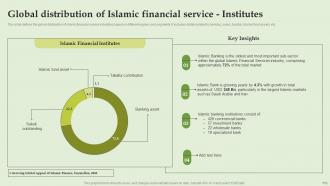
Slide 112: This slide defines the global distribution of Islamic financial service industries based on different regions and segments.
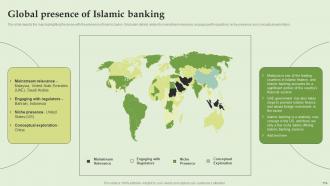
Slide 113: This slide depicts the map highlighting the areas with the presence of Islamic banks.
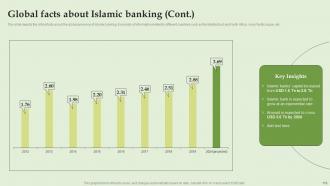
Slide 114: This slide mentions the Global facts about Islamic banking.
Slide 115: This slide continues the Global facts about islamic banking.
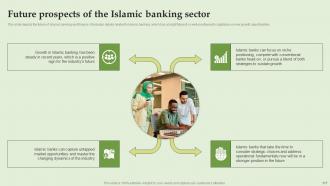
Slide 116: This slide displays the future of Islamic banking and finance.
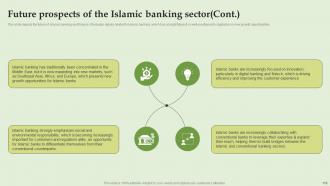
Slide 117: This slide continues the Future prospects of the islamic banking sector.
Slide 118: This slide shows the future of Islamic banking and finance.
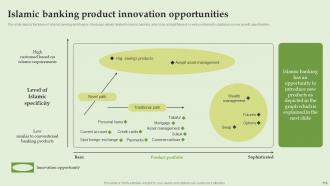
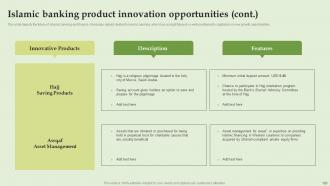
Slide 119: This slide continues the Islamic banking product innovation opportunities.
Slide 120: This is the Thank You slide for acknowledgement.
Everything About Islamic Banking Powerpoint Presentation Slides Fin CD V with all 130 slides:
Use our Everything About Islamic Banking Powerpoint Presentation Slides Fin CD V to effectively help you save your valuable time. They are readymade to fit into any presentation structure.












FAQs for Everything About Islamic Banking Powerpoint Presentation Slides
So Islamic banks can't charge interest because of Sharia law - they call it riba and it's totally forbidden. Instead they do profit-sharing deals or become like your business partner. Way different vibe than regular banks. They won't touch anything haram either, so forget funding for bars or casinos lol. Look into murabaha if you're interested - it's cost-plus financing. There's also ijara which is basically leasing. Honestly the whole system is pretty clever when you think about it. Banks make money through partnerships instead of just collecting interest payments.
So basically, Islamic banks can't charge interest because of Riba rules, which totally changes their game plan. They'll do profit-sharing deals with you instead, or buy equipment and sell it back to you with a markup. Some even become actual business partners - sharing your wins AND losses, which is kinda wild if you think about it. Your relationship becomes way more collaborative than the usual "give us money back with interest" thing. Fair warning though: expect tons more paperwork since they need to document real asset purchases. But honestly? You'll probably get better personal service out of it.
So Islamic banks can't just invest in whatever like regular banks do - they have to avoid anything haram like alcohol, gambling, or companies drowning in debt. Instead they do profit-sharing deals and equity partnerships rather than charging interest. Pretty smart system actually. They usually focus on stuff like real estate, commodities, and businesses that meet Islamic ethics. That's basically how they stay halal while still making money. Oh and if you're thinking about using one, definitely look at what sectors they're putting money into first.
Look into Islamic banking if you're working with underserved folks - they do profit-sharing instead of interest, which opens things up for people traditional banks won't touch. Religious reasons, bad credit, whatever. They care more about actual assets than credit scores, which honestly seems way more logical. Local Islamic banks and credit unions usually have way more flexible requirements too. The whole system is designed around community lending rather than just... well, making rich people richer. Worth checking out if conventional banking isn't working for your community.
So there are three main ones you'll run into. Murabaha is cost-plus financing - the bank buys something and sells it to you with a markup. Then there's Ijara, which is just Islamic leasing basically. Mudarabah involves profit-sharing where one person puts up money and the other manages it. Oh, and Musharakah for joint ventures too. These names are honestly such a pain to keep straight! The whole point is they're asset-backed or partnership deals instead of traditional interest loans. Figure out what you actually need first, then see which structure makes sense.
Honestly, Islamic banking's risk-sharing thing is pretty smart. Instead of one bank eating all the losses, everyone involved shares them - so nobody can just make crazy risky bets expecting bailouts later. Both the bank and borrower have real stakes in whether deals work out. It's totally different from what caused the 2008 mess where banks didn't care about consequences. The whole system just naturally stops reckless lending before it starts. If you're actually shopping around for banks though, make sure they do real risk-sharing and aren't just slapping "halal" labels on regular products.
So Islamic banks have these Sharia boards - basically scholars who approve everything to make sure it's religiously compliant. They're constantly auditing transactions and investment stuff. No interest-based deals whatsoever, which honestly makes loan structuring pretty wild sometimes. Most banks also get external Sharia audits and follow AAOIFI standards (that's like the main regulatory body). Oh, and they use these specialized contracts instead of traditional ones. If you're seriously considering it for your business, definitely ask about their board's credentials first - some are way more legit than others.
So Islamic banking basically cuts out tons of investment options right off the bat - no alcohol, gambling, tobacco, weapons, or anything with crazy debt levels. That knocks out regular banks too, which is kinda wild when you think about it. Your portfolio gets way less diversified, but honestly? You dodge a lot of the sketchy volatile stuff. The whole Sharia thing is super strict about what counts as ethical. Returns might be more stable since you're avoiding debt-heavy companies, but don't expect the same variety you'd get elsewhere.
So Islamic banks hit a bunch of roadblocks going international. Regulatory stuff is messy - every country's got different rules that might clash with Sharia requirements. Finding people who actually know both regular banking AND Islamic finance? Good luck with that. Most consumers don't really get how it works either, or they think it's just for Muslims. Honestly, competing with big conventional banks is brutal since they've got way more money and products. Oh, and the talent thing I mentioned - that's probably the worst part. I'd say stick to countries that already have Islamic finance frameworks in place if you're serious about this.
So basically, Islamic banks have built-in systems that calculate your Zakat automatically - which is honestly pretty smart. They'll figure out that 2.5% you owe on eligible wealth and can auto-deduct it if you want. Then they handle distributing it to charities for you. Most banks also give you detailed calculators that factor in all your different accounts. My cousin uses one and says it beats trying to track everything manually. Just double-check what assets they're actually including in their math, since that can vary between institutions.
So digital banking is a game changer for Islamic finance honestly. You get these automated tools that catch non-compliant investments instantly, plus real-time profit calculations which is huge. Mobile apps are perfect since customers don't have to keep visiting branches (that was such a headache before). Blockchain works great for transparent asset verification too. Smart contracts can handle automated Sukuk payments - pretty slick stuff. The trick isn't just digitizing what you already do though. You've got to completely rethink processes while staying true to Islamic principles. Makes the whole experience way smoother for everyone.
Honestly, Islamic banking holds up better during crashes because it's all about sharing risk instead of piling on debt. Remember 2008? Those toxic assets that destroyed regular banks literally can't exist in Islamic finance - the whole system prevents it. Banks actually care if your business succeeds since they're profit-sharing partners, not just waiting for interest payments. Downside is you'll have fewer loan options available. Islamic banks can't tap into certain funding sources that conventional ones use. But your costs stay way more predictable when everything goes sideways, which is pretty nice.
Honestly, consumer awareness makes or breaks Islamic banking in non-Muslim countries. Most people don't even know what Shariah-compliant banking actually offers - like profit-sharing instead of interest rates and ethical investments. The UK does way better than other places because they actually educate people about it. When folks understand the benefits beyond just religious stuff, adoption rates shoot up. It's wild how many people think it's only for Muslims when the principles could appeal to anyone wanting ethical banking. If you're getting into this space, focus hard on education campaigns. Show real benefits, not just compliance features.
So AAOIFI is basically the watchdog for Islamic banking - they write all the standards that make sure these banks actually follow Sharia law instead of just pretending to be halal. Pretty important stuff tbh. They cover accounting, auditing, governance, the whole nine yards. Gulf countries love their standards and adopt them directly. Most legit Islamic banks follow AAOIFI guidelines because it gives them credibility. If you're getting into Islamic finance at all, you'll probably run into their frameworks everywhere. Definitely worth knowing about - I'd bookmark their stuff if I were you since it's basically the gold standard in that space.
Yeah, Islamic banks are actually pretty clever about this stuff. They've figured out how to make Shariah-compliant products that basically work like regular banking. Like for home loans, the bank buys your house then you gradually buy it back from them - weird setup but it works. Their credit cards use profit-sharing instead of charging interest. You still get all the normal stuff though - mobile apps, online banking, decent rates. Honestly the experience isn't that different from Chase or whatever. Most of them have comparison charts if you want to see how they stack up against traditional banks.
-
Very unique, user-friendly presentation interface.
-
“There is so much choice. At first, it seems like there isn't but you have to just keep looking, there are endless amounts to explore.”