


Financial Institutions Powerpoint Presentation Slides




Try Before you Buy Download Free Sample Product
 Impress Your
 Audience
 100%
100% Editable
 Save Hours
 of Time


Talk about banking services with the help of this readymade Financial Institutions Powerpoint Presentation Slides. The ready to use commercial bank PowerPoint presentation has 42 slides like a commercial bank, federal bank regulations, banking organizational hierarchy, services offered to customers, loan categories, banking industry overview, types of loan, banking industry statistics, major trends banking industry, banking environmental analysis, revenue projections and many more. Your onlookers will be amazed as this community banking overview PPT sample will put your point across easily. The best part is the slides are fully editable. And you can make changes as per your needs. There are additional slides like location, porter’s five forces model, pie charts, our mission, our team, about us, timeline, quotes, comparison, etc. Using this banking institution PPT template will save your time and money. Quickly download this commercial banking PowerPoint deck sample to showcase all the important approaches. Our financial presentation ppt Slides get you into the frame. Get considered along with the best around.
People who downloaded this PowerPoint presentation also viewed the following :
Content of this Powerpoint Presentation
Slide 1: This slide introduces Financial Institutions. State Your Company Name and begin. `
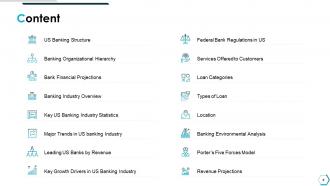
Slide 2: This slide shows Content of the presentation.
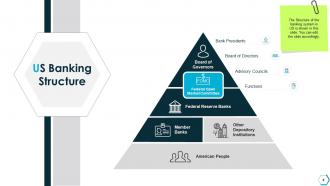
Slide 3: This slide presents US Banking Structure with related diagram.
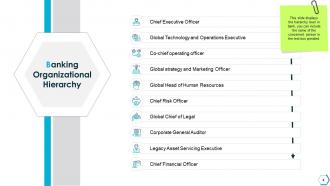
Slide 4: This slide displays Banking Organizational Hierarchy with designations.
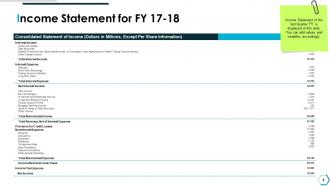
Slide 5: This slide represents Income statement for FY 17-18. You can add values and variables accordingly.
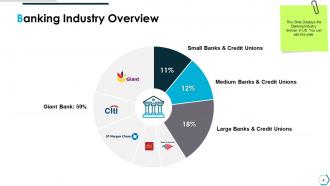
Slide 6: This slide shows Banking Industry Overview with the help of donut pie chart.
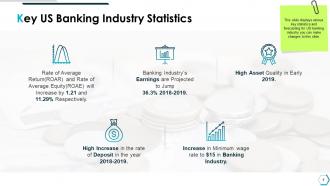
Slide 7: This slide presents Key US Banking Industry Statistics.
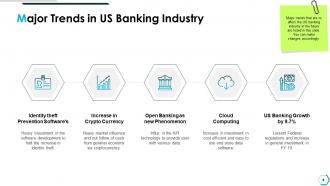
Slide 8: This slide displays Major Trends in US Banking Industry.
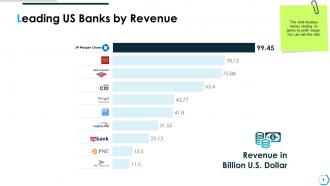
Slide 9: This slide represents Leading US Banks by Revenue in graphical form.
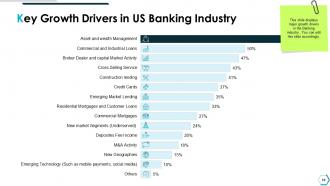
Slide 10: This slide showcases Key Growth Drivers in US Banking Industry.
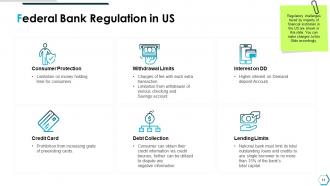
Slide 11: This slide shows Federal Bank Regulation in US describing- Credit Card, Debt Collection, Lending Limits, Interest on DD, Consumer Protection, Withdrawal Limits.
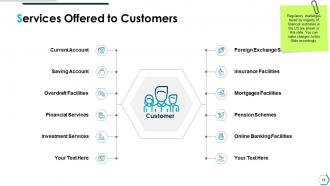
Slide 12: This slide displays various services provided by banks to its customers.
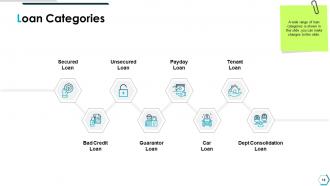
Slide 13: This slide presents wide range of Loan Categories.
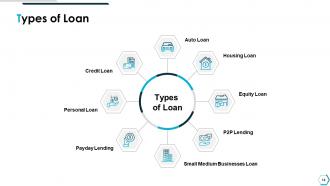
Slide 14: This slide represents Types of Loan including- Auto Loan, Housing Loan, Equity Loan, P2P Lending, Small Medium Businesses Loan, Payday Lending, Personal Loan, Credit Loan.
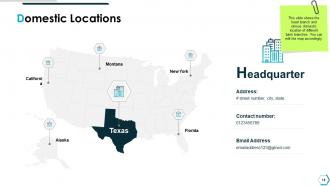
Slide 15: This slide showcases Domestic Locations of different bank branches.
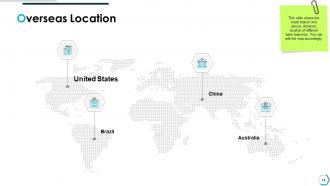
Slide 16: This slide shows Overseas Location of banks with map.
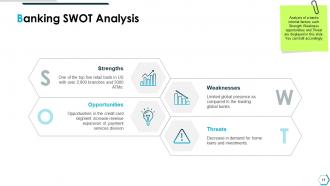
Slide 17: This slide presents Banking SWOT Analysis describing- Weaknesses, Threats, Opportunities, Strengths.
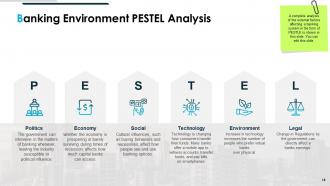
Slide 18: This slide displays Banking Environment PESTEL Analysis describing- Politics, Economy, Social, Technology, Environment, Legal.
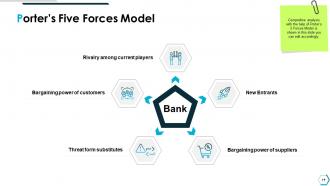
Slide 19: This slide represents Porter’s Five Forces Model as New Entrants, Threat form substitutes, Bargaining power of suppliers, Rivalry among current players, Bargaining power of customers.
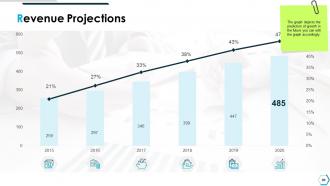
Slide 20: This slide showcases Revenue Projections in graphical form.
Slide 21: This slide displays Financial Institutions Icons.
Slide 22: This slide reminds about a 15 minutes coffee break.
Slide 23: This slide is titled as Additional Slides for moving forward.
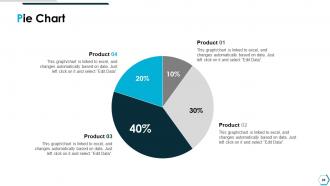
Slide 24: This slide shows Pie Chart with data in percentage.
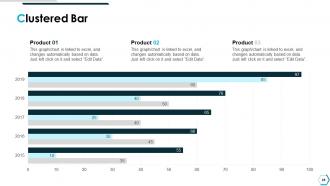
Slide 25: This slide presents Clustered Bar chart with three products comparison.
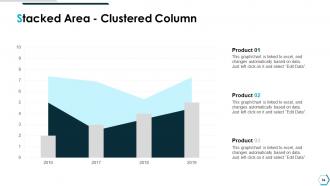
Slide 26: This slide displays Stacked Area - Clustered Column chart with three products comparison.
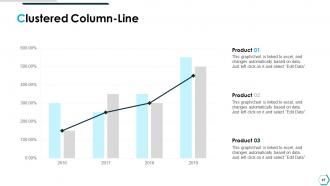
Slide 27: This slide showcases Clustered Column-Line to compare different products.
Slide 28: This is Our Mission slide with related icons and text boxes.
Slide 29: This is Our Team slide with names and designation.
Slide 30: This is About Us slide to show company specifications.
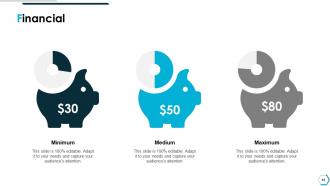
Slide 31: This is a Financial slide. Show your finance related stuff here.
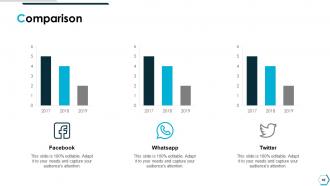
Slide 32: This is a Comparison slide to state comparison between commodities, entities etc.
Slide 33: This is a Quotes slide to convey message, beliefs etc.
Slide 34: This is a Timeline slide to show information related with time period.
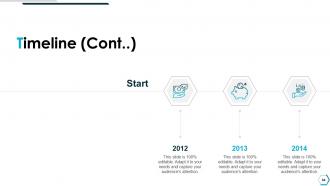
Slide 35: This is another slide continuing Timeline.
Slide 36: This slide is titled as Post It Notes. Post your important notes here.
Slide 37: This is a Puzzle slide with text boxes.
Slide 38: This is a Lego slide with additional text boxes.
Slide 39: This is a Target slide. State your targets here.
Slide 40: This is a Venn slide with text boxes to show information.
Slide 41: This is a Bulb or Idea slide to state a new idea or highlight information, specifications etc.
Slide 42: This is a Thank You slide with address, contact numbers and email address.
Financial Institutions Powerpoint Presentation Slides with all 42 slides:
Create a culture with our Financial Institutions Powerpoint Presentation Slides. Fashion your thoughts for the day.











FAQs for Financial Institutions
Think of banks and credit unions as the economy's bloodstream - they're constantly moving money from people who save to those who need it for houses, businesses, whatever. When your company needs new equipment or you want to expand, that's where you get funding. They also handle all our daily transactions (which we totally forget about until their system crashes and suddenly nobody can buy coffee). Without these institutions, economic growth would be painfully slow since accessing capital would be a nightmare. Oh, and definitely shop around when you're making big financial moves - rates and terms vary way more than people realize.
So basically, regulatory frameworks are just the rules your financial institution has to follow - capital requirements, lending practices, data protection, all that stuff. They're like guardrails for the industry, which honestly can be annoying to deal with but keep things from going completely off the rails. Your profitability takes a hit from compliance costs, plus they control what products you can actually offer. Here's the thing though - don't wait around for changes to happen. Build compliance into your processes from day one so you're not scrambling later when new rules drop.
So basically, commercial banks are where you'd go for normal stuff - checking accounts, car loans, mortgages, whatever. Investment banks? Completely different world. They help big companies go public, do mergers, raise money through stocks and bonds. I actually had to learn this distinction in my finance class and it confused me at first too. But think about it this way: you'll never walk into Goldman Sachs asking for a checking account, right? Commercial banks take your deposits and lend money. Investment banks focus on capital markets and helping corporations with major financial moves.
Dude, banking is so different now it's crazy. Mobile apps let you deposit checks by taking a photo - honestly still blows my mind every time. Banks use AI to catch fraud, some don't even have physical locations anymore. Your phone basically IS your bank now. The old-school banks had to scramble to keep up with all these fintech companies shaking things up. People expect everything instantly these days, which makes sense but can be exhausting. If you're dealing with any bank or financial stuff, definitely check what they can do digitally first. It'll save you so much time.
Honestly, it comes down to a few main things. Banks need solid capital reserves - basically enough money stashed away for when shit hits the fan. Good risk management is huge too. They can't put all their eggs in one basket with revenue streams either. Regulatory stuff is critical (even though it's a total pain). Central bank emergency funding acts as their lifeline when cash flow gets tight. The banks that play it conservative with lending usually survive best. Oh, and strong leadership matters more than people think. If you're checking out any financial partners right now, definitely peek at their capital ratios first.
So microfinance institutions are basically banks for people who can't get regular banking services. They give out small loans without needing collateral or crazy high minimum balances - super helpful in developing countries where most folks don't even have bank accounts. What I think is smart is how they focus on building actual relationships with communities instead of obsessing over credit scores. They also teach financial literacy which... honestly more people need that everywhere. If you're thinking about emerging markets, teaming up with local MFIs is probably your best bet for reaching people who've been left out of traditional banking.
Ugh, banks are basically a nightmare of ethical problems. Predatory lending, sneaky fees, selling your data - the whole thing. These places have crazy power over people's money and lives, so there's always this tension between making profit and not screwing customers over. The worst part? When they target vulnerable people who can't fight back. Remember 2008? Yeah, that's what happens when they go completely wild. Honestly, just look at their fee structure and who they actually lend to. That'll tell you if they're helping their community or just bleeding it dry.
So basically they look at your credit score and how much you make vs how much debt you already have. Most want your total monthly payments under like 36-43% of what you earn. They'll check your job history too - makes sense since they need to know you're not gonna disappear next month. Your credit report shows them if you're good about paying stuff back. Oh, and some lenders are getting weird with it now, checking your bank account patterns and even social media (kinda creepy if you ask me). Bottom line: clean credit and steady income = better loan terms.
Banks basically live or die by interest rates. Higher rates = more profit since they can charge more on loans while keeping savings account rates pretty low. That gap is where they make their money. Rate cuts squeeze those margins hard, though investment banks sometimes do better because companies start doing more deals. Smaller banks and credit unions get hit way harder than the big guys - they just don't have the same cushion. Honestly, checking the rate environment should be your first move before looking at any bank stock.
Honestly, start with the basics - encryption, real-time monitoring, and solid authentication (biometrics work great). AI fraud detection is a game changer since it catches sketchy stuff way faster than people can. Your team needs proper training though - I've seen too many breaches happen because someone clicked the wrong link. Oh, and definitely run regular security audits to find holes before the bad guys do. Don't forget about educating customers on phishing scams and safe practices. I'd audit what you have now first and tackle the biggest risks.
Dude, fintech companies are absolutely crushing traditional banks right now. They're way faster and cheaper because they don't have all that old tech and red tape weighing them down. Apps that actually work, instant payments, AI making loan decisions in minutes instead of weeks - it's honestly pretty impressive. Banks are still stuck in the stone age while these startups launch new stuff in weeks. Oh, and they're smart about going after the stuff banks suck at, like international transfers and small biz loans. If you're working in banking, you gotta figure out how to keep up with that speed and user experience or you'll get left behind.
Dude, trust is literally the whole game in finance. People are giving you their life savings - that's insane when you think about it. No trust? They'll bounce so fast. I've seen customers switch banks over the tiniest things because they felt lied to or ignored. It affects everything too - whether they stick around, refer friends, buy more products. Honestly, transparency fixes like 90% of trust issues. Just tell people what's actually happening with their money. Keep talking to them regularly, even when there's no big news. Once they trust someone else more than you, you're basically done.
Banks and investment firms are basically controlling who gets to invest in what these days. They're the ones creating all those ESG funds and green bonds you keep hearing about. Most big banks now have whole teams researching which companies are actually sustainable vs just pretending to be. Your bank probably does this too. They'll fund solar projects but won't touch coal or tobacco anymore. Honestly, the coolest part is that regular people can access these investments now - it used to be only for rich folks. Definitely check your 401k options, there's probably more green stuff than you'd expect.
Banks are scrambling to catch up with digital stuff - mobile apps, AI, the whole nine yards. Some of these old institutions are painfully behind (looking at you, certain mega banks with terrible interfaces). Fintech partnerships make way more sense than trying to build everything in-house. Crypto regulations keep shifting the goalposts, and open banking rules are shaking things up too. Oh, and don't forget sustainability reporting - investors won't touch you without it now. My advice? Watch what banks actually *do* with their tech investments, not what they promise in press releases.
Oh man, cultural differences totally change how banks work in different countries. Asian banks are all about building relationships - lots of face-to-face meetings and long-term thinking. Western banks? Way more digital and transaction-focused. Then you've got Islamic banking which can't charge interest at all, so their whole product lineup looks completely different. Risk tolerance varies tons too - what flies in one country might seem crazy in another. I learned this the hard way actually. Do yourself a favor and research the local banking culture before jumping into any international deals.
No Reviews