


Conflict and resolution powerpoint presentation slides




Try Before you Buy Download Free Sample Product
 Impress Your
 Audience
 100%
100% Editable
 Save Hours
 of Time


Resolve conflicts at the workplace using these Conflict and Resolution PowerPoint Presentation Slides PPT templates. Take advantage of this dispute resolving PPT slideshow to depict numerous challenges along with their solutions or remedies. Take the assistance of these conflict management PPT slides to show various strategies to resolve disputes such as avoiding conflict, competing, accommodating, collaborating, and compromising. Utilize these relationship management PPT visuals to portray the causes of conflict like misunderstandings, insufficient communication, poor staff selection amongst others. Adopt a proactive approach towards the detection and counter of conflicts using this problem resolution PPT diagram. Improve communication efficiency through a proper understanding of the feelings of the other parties. You can also represent the methods to reduce arguments using this relationship management PPT slideshow. Download these amazing conflict management PPT infographics to create a wonderful impression on your stakeholders including employees and management.
People who downloaded this PowerPoint presentation also viewed the following :
Content of this Powerpoint Presentation
Slide 1: This slide introduces Conflict and Resolution. State Your Company Name and begin.
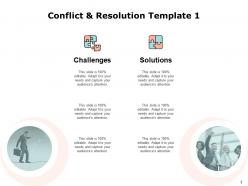
Slide 2: This slide shows Conflict & Resolution Template 1. Add data accordingly.
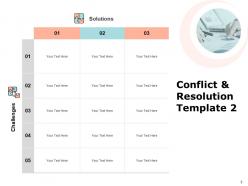
Slide 3: This slide presents Conflict & Resolution Template 2.
Slide 4: This slide displays Conflict & Resolution Template 3 with related icons.
Slide 5: This slide represents Conflict & Resolution Template 4.
Slide 6: This slide showcases Conflict & Resolution Template 5. You can add or edit data as per needs.
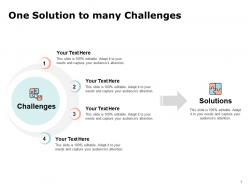
Slide 7: This slide is titled as One Solution to Many Challenges.
Slide 8: This slide displays Conflict & Resolution Icons.
Slide 9: This slide is titled as Additional Slides for moving forward.
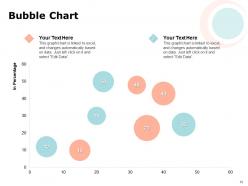
Slide 10: This slide shows Bubble Chart with two products comparison.
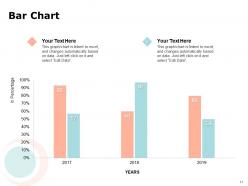
Slide 11: This slide displays Bar Chart with two products comparison.
Slide 12: This is an Idea Generation slide to state a new idea or highlight information, specifications etc.
Slide 13: This is Our Team slide with names and designation.
Slide 14: This is a Comparison slide to state comparison between commodities, entities etc.
Slide 15: This is Our Goal slide. Show your firm's goals here.
Slide 16: This is a Quotes slide to convey message, beliefs etc.
Slide 17: This is a Financial slide. Show your finance related stuff here.
Slide 18: This is a Timeline slide to show information related with time period.
Slide 19: This is a Thank You slide with address, contact numbers and email address.
Conflict and resolution powerpoint presentation slides with all 19 slides:
Use our Conflict And Resolution Powerpoint Presentation Slides to effectively help you save your valuable time. They are readymade to fit into any presentation structure.
FAQs for Conflict and resolution
Honestly, slow down first - that's where most people mess up. Listen to everyone without deciding who's right yet. Half the time what they're fighting about isn't even the real issue, it's just surface stuff. Once you figure out what's actually bothering people, get them brainstorming fixes together instead of you playing referee. Everyone needs to feel heard or they'll just stay mad. Then nail down who's doing what next and check back later. I swear, rushing to solve things before you understand what's broken just makes everything worse. The upfront digging is annoying but it's worth it.
Honestly, active listening is like a superpower for dealing with conflict. People immediately chill out when they feel actually heard - not just waiting-for-your-turn-to-speak heard, but genuinely understood. You'll pick up on stuff they're not even saying directly, which is where the real issues usually hide. Trust builds fast when someone realizes you're not just pretending to listen (and yeah, people can totally tell the difference). The whole dynamic shifts once they feel like you actually get where they're coming from. Try this: next time things get heated, repeat back what they said before diving into your own point. Works way better than you'd think.
Oh man, emotional intelligence is such a game-changer for handling conflicts. You know when someone's getting all defensive or pissed off? Being able to spot those signs - in yourself too - lets you switch up your approach before everything goes to hell. I swear, most fights happen because people completely miss these cues. The self-awareness part keeps you from just reacting like an idiot when you're triggered. Next time things get tense, pause and think about what's really going on emotionally underneath all the words. Trust me, it'll totally shift how you handle it.
Oh man, this is so true! Some cultures are all about direct confrontation while others will do anything to avoid it. I've totally bombed meetings by being too blunt with people who needed a softer approach. Like, your "let's hash this out" style? Could backfire big time depending on who you're dealing with. Hierarchy matters differently too - some colleagues expect way more formality than others. Really weird how even eye contact rules change. My advice? Just ask people upfront how they like to handle disagreements. Saves everyone the awkwardness of guessing wrong.
Honestly, I'd start by talking to each person separately first - gets you the real story without them getting defensive in front of each other. Then bring them together but don't pick sides, just guide the conversation. Focus on the actual problem, not their personalities (that's where things usually go off the rails). Ask stuff like "what would fix this for both of you?" and help them find something they can agree on. Oh, and write down whatever you decide on because people have selective memory when it comes to agreements they didn't love making.
Honestly? Most workplace drama comes from people just not talking to each other properly. Like, they're literally arguing about completely different things half the time. I'd say communication fixes like 80% of conflicts - sounds cheesy but it's true. The trick is actually listening to understand what they're saying, not just waiting for your turn to talk. Ask open questions. Let them explain their side first. Once people feel heard, the whole "conflict" usually becomes way more manageable. Sometimes it even disappears entirely because it was just a misunderstanding from the start.
Honestly, most workplace drama comes down to a few things. Poor communication is huge - people just don't talk clearly about what they need. Then you've got the whole "who's supposed to do what" confusion, which creates chaos fast. Resource fights are brutal too. Everyone wants more budget or time, and there's never enough to go around. Oh, and personality differences - like when your perfectionist coworker clashes with the "good enough" person. I swear that happens everywhere. Tight deadlines make everything worse. But if you catch these issues early instead of waiting for the explosion, you can actually fix the real problem.
Honestly, body language is huge in arguments - way more than people realize. If you're saying "I get it" while crossing your arms and avoiding eye contact, you're basically contradicting yourself. Rolling your eyes? Dead giveaway you're not actually listening. I've seen people completely tank conversations just with their posture alone. Open stance helps way more than you'd think. Match your tone to what you're actually trying to say too. Keep steady eye contact without being creepy about it. Your body's always talking, so make sure it's saying the right thing.
Honestly, you gotta over-communicate like crazy and give people actual structure to work through disagreements. Do one-on-one video calls first - way less awkward than throwing everyone into a group chat mess where you can't even see faces. Be super clear about response times so people don't think they're being ignored (that's where most drama starts). Async conflict resolution is pretty much useless in my experience. After any disagreement, send written summaries so everyone knows what actually got decided. Oh, and deal with issues fast - remote beef escalates way quicker than when you're all in the same office.
Honestly, dealing with conflict fast makes such a huge difference. Your team stops wasting mental energy on drama and actually focuses on getting stuff done. It's like - you know how unresolved issues just eat away at everyone's brain space? Plus people start trusting you more because they see you won't just ignore problems and hope they disappear. Makes everyone feel heard, which is half the battle really. They'll collaborate better and actually stick their necks out for projects. Don't wait around for some formal meeting though - if people are clearly annoyed about something, just address it right then.
Honestly, I've found that really listening is huge - like actually hearing what they need, not just their demands. Most people get stuck arguing about positions instead of figuring out the real "why" behind them. Super frustrating to watch. Try asking stuff like "what would make this work for you?" instead of pushing your agenda right away. Oh and acknowledge their concerns first before jumping into your side - sounds basic but it works. Look for shared problems you can solve together rather than trying to "win." I know it feels backwards sometimes, but finding that common ground usually gets you way further than going head-to-head.
Look, you gotta stay calm when people disagree - that whole "lead by example" thing actually works. Listen to what they're saying instead of planning your comeback. Make it safe for people to speak up early, because honestly? I've watched too many teams implode when everyone's tiptoeing around issues. Be direct but don't be a jerk about it. When conflict happens, focus on fixing it rather than pointing fingers. Tell your team disagreement's totally normal - personal attacks aren't. Next time there's drama, try asking "what can we learn here?" It shifts the whole vibe.
Okay so timing is everything here. Don't jump in when everyone's still pissed off - that's just asking for a bigger mess. But also don't wait forever because then people start holding grudges and it gets weird. I usually go with the 24-48 hour thing - gives everyone time to chill out but keeps it from festering. You want that window where people can actually hear each other instead of just planning their comeback speech. Honestly, I've watched so many friendships implode because someone either waited too long or dove in while emotions were running hot.
So the Thomas-Kilmann thing is really good for figuring out if you're someone who avoids conflict or jumps right into it. There's also this "Conflict Triangle" approach that breaks everything into three parts - the actual problem, how you're handling it, and the relationship stuff. Root cause analysis sounds boring but honestly works better than you'd think. Oh, and try writing down what each person is probably thinking - like actually sit there and map out their perspective. I'd just pick whatever feels right for your situation first. Some of these frameworks can feel overly complicated when you're already stressed about the conflict.
Honestly, just make the policy easy to find first - nobody wants to dig through endless paperwork when they're already stressed. Write out clear steps for reporting stuff, who deals with what, and how long things actually take. Your managers need real training on this, not just some PDF they'll never read. Give people options too - maybe someone just needs a quick chat to work things out, while other situations need a full investigation. Oh, and definitely test it with a few fake scenarios before you launch it everywhere. Trust me, you'll catch the confusing parts that way and save yourself headaches later.
-
Unique research projects to present in meeting.
-
Great experience, I would definitely use your services further.
-
Great product with highly impressive and engaging designs.
-
Thanks for all your great templates they have saved me lots of time and accelerate my presentations. Great product, keep them up!