

Construction Project Feasibility Report Powerpoint Presentation Slides




Try Before you Buy Download Free Sample Product
 Impress Your
 Audience
 100%
100% Editable
 Save Hours
 of Time


A feasibility study is one of the vital steps performed before starting a new business or a project. Project feasibility analysis assists managers in determining whether the proposed project is economically viable or not. Our presentation Construction Project Feasibility Report will help real estate professionals in showcasing the project feasibility to the lenders for successful mortgage approval. At first, project managers can use sections about the project to underline details about project objectives, deliverables, location, layout, cost, and means of finance. How our project is feasible section will assist the project managers in performing a market study, technical study, legal study, and staffing study along with financial projections and ratios. Slides such as marketing objectives, perceived risk impact, and mitigation plans will help the managers in successfully executing the project. Lastly, about the firm and providing business performance glimpse sections will assist the managers in providing an overview of their organization along with the performance highlights of the project. Download this template now
People who downloaded this PowerPoint presentation also viewed the following :
Content of this Powerpoint Presentation
Slide 1: This slide introduces the Construction Project Feasibility Report. Begin by stating Your Company Name.
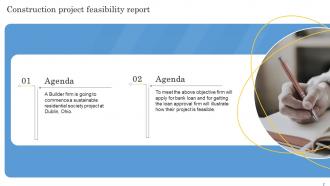
Slide 2: This slide depicts the Agenda of the Presentation.
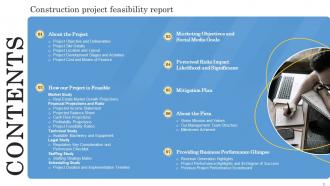
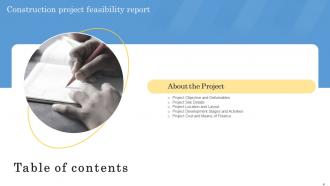
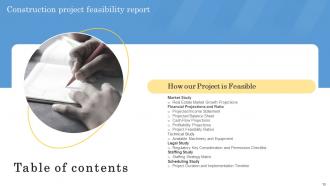
Slide 3: This slide includes the Contents to be discussed.
Slide 4: This slide contains the Title for the Ideas to be discussed further.
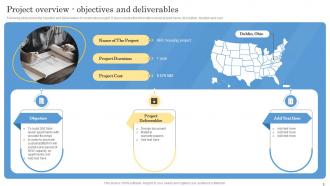
Slide 5: This slide presents the Project overview of the objectives and deliverables.
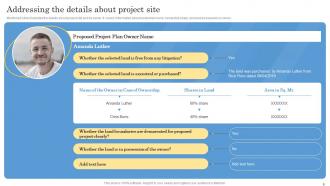
Slide 6: This slide Addresses the details about project site.
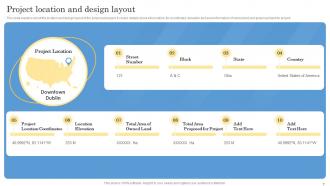
Slide 7: This slide depicts the Project location and design layout.
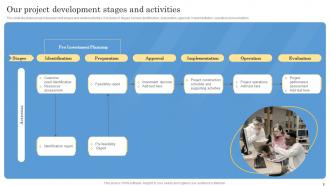
Slide 8: This slide illustrates the project development stages and activities.
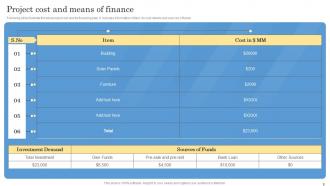
Slide 9: This slide depicts the Project cost and means of finance.
Slide 10: This slide contains the Title for the Topics to be discussed further.
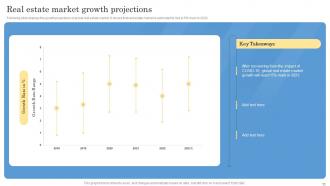
Slide 11: This slide incorporates the Real estate market growth projections.
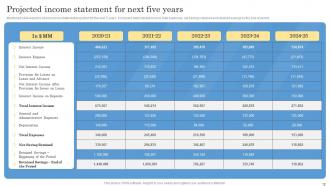
Slide 12: This slide showcases the Projected income statement for next five years.
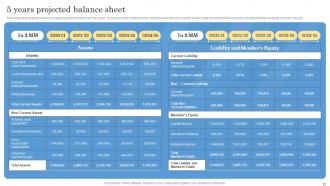
Slide 13: This slide illustrates the 5 years projected balance sheet.
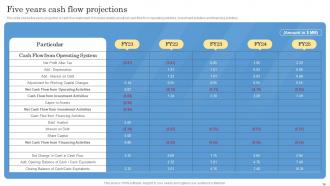
Slide 14: This slide reveals five years projection of cash flow statement.
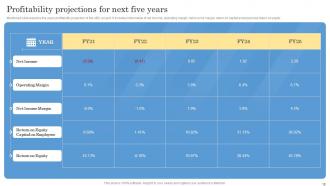
Slide 15: This slide mentions the Profitability projections for next five years.
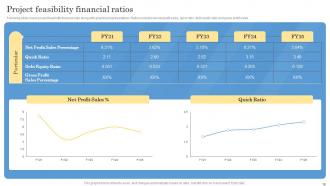
Slide 16: This slide illustrates the Project feasibility financial ratios.
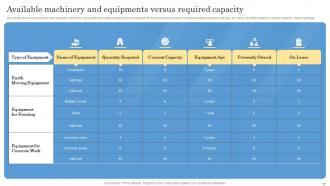
Slide 17: This slide shows the Available machinery and equipments versus required capacity.
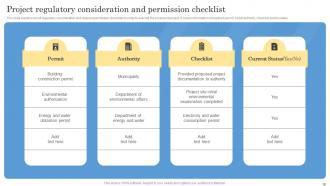
Slide 18: This slide explains the Project regulatory consideration and permission checklist.
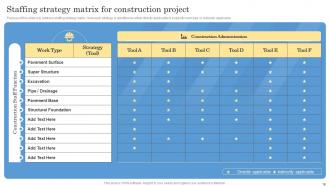
Slide 19: The slide showcases the Staffing strategy matrix for construction project.
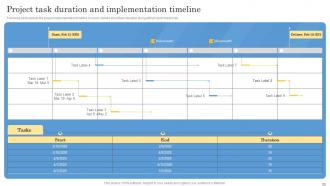
Slide 20: This slide elucidates the Project task duration and implementation timeline.
Slide 21: This slide shows the Title for the Topics to be covered in the next slide.
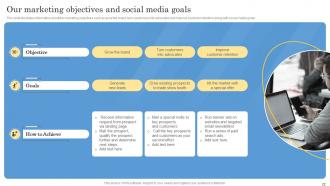
Slide 22: This slide illustrates information about the marketing objectives and social media goals.
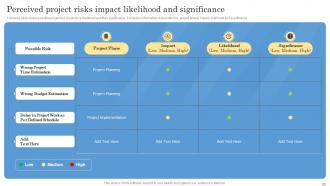
Slide 23: This slide shows Perceived project risks impact likelihood and significance.
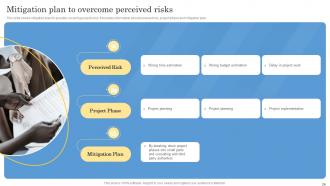
Slide 24: This slide exhibits the Mitigation plan to overcome perceived risks.
Slide 25: This slide includes the Heading for the Topics to be discussed further.
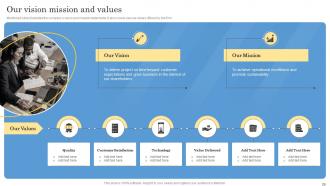
Slide 26: This slide Mentions the Company's vision mission and values.
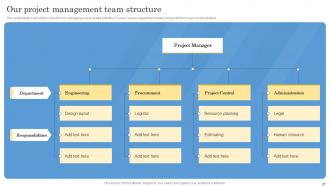
Slide 27: This slide highlights the project management team structure.
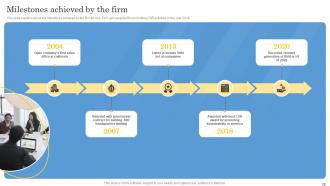
Slide 28: This slide presents the Milestones achieved by the firm.
Slide 29: This slide includes the Title for the Topics to be discussed next.
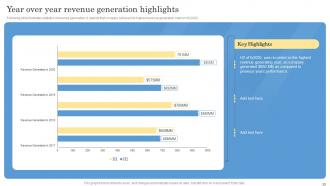
Slide 30: This slide shows the Year over year revenue generation highlights.
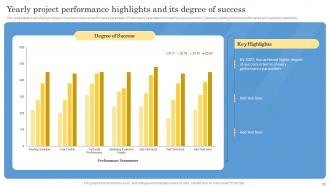
Slide 31: This slide illustrates the Yearly project performance highlights and its degree of success.
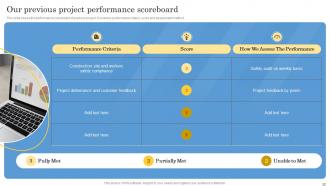
Slide 32: This slide represents the previous project performance scoreboard.
Slide 33: This is the Icons slide containing all the Icons used in the plan.
Slide 34: This is titled as the Additional slide for some extra information.
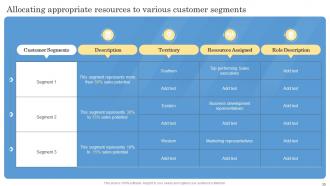
Slide 35: This slide deals with Allocating appropriate resources to various customer segments.
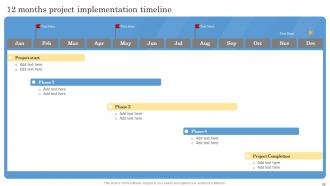
Slide 36: This slide incorporates the 12 months project implementation timeline.
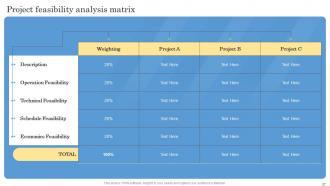
Slide 37: This slide highlights the Project feasibility analysis matrix.
Slide 38: This is the About us slide for showcasing information related to the Organization.
Slide 39: This is the Puzzle slide with related imagery.
Slide 40: This slide illustrates the Timeline for revealing Company information with respect to time.
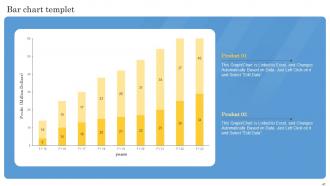
Slide 41: This is the Bar chart slide for comparison.
Slide 42: This slide includes the Post it notes for reminders and daedlines.
Slide 43: This is the Thank You slide for acknowledgement.
Construction Project Feasibility Report Powerpoint Presentation Slides with all 48 slides:
Use our Construction Project Feasibility Report Powerpoint Presentation Slides to effectively help you save your valuable time. They are readymade to fit into any presentation structure.





FAQs for Construction Project Feasibility Report
You'll need five main parts for a solid feasibility report. Executive summary first - just cut straight to the point. Market analysis and technical stuff come next. Financial projections are make-or-break honestly, since most people get way too optimistic here and tank their credibility. Risk assessment should cover everything that could blow up (there's always something). End with actual recommendations about moving forward or not. Oh, and don't sugarcoat the problems - I've seen too many reports that read like fantasy novels instead of real business analysis. Each section should basically answer "should we do this thing or not?"
Start with surveys and interviews - ask your actual target customers if they'd buy and what they'd pay. Industry reports and competitor research come next. Honestly, I get way too into this stuff and lose hours reading market data, but demographics and economic trends matter too. Check out what your competitors are charging and how they're doing. The trick is getting info from multiple places, not just one source. Oh, and don't skip the simple customer survey first - it's the fastest way to know if you're totally off base or onto something real.
For financial viability, NPV and IRR are your go-to tools - they show real profitability over time. Payback period tells you when you'll break even (executives love this one, maybe too much honestly). Basic ROI gives the return percentage. Cash flow projections matter huge since timing can make or break you. Run sensitivity analysis with different scenarios too - I always do optimistic, realistic, and pessimistic versions. Markets shift constantly so you've gotta stress-test your assumptions. Oh, and don't get too caught up in perfect numbers - sometimes gut instinct fills the gaps that spreadsheets miss.
Dude, SWOT analysis is a game-changer for feasibility reports. It makes you dig into strengths, weaknesses, opportunities, and threats instead of just assuming everything will work out perfectly. I can't tell you how many reports I've read that completely ignore the obvious problems lurking around the corner. Start your SWOT matrix early - like, right when you begin research. It'll actually guide what info you need to hunt down. Plus stakeholders love seeing risks and benefits laid out clearly in that format. Your recommendations end up looking way more legit and thought-out instead of just wishful thinking.
Honestly, stakeholder feedback can make or break your whole feasibility report. Get input from users, management, tech teams, finance - basically anyone who'll touch this project. They'll spot risks and constraints you'd totally miss on your own. Without their perspectives, you're just guessing (and that rarely ends well). The feedback helps validate whether there's actually market demand and if you have the resources to pull it off. Oh, and actively hunt down the people who disagree with your ideas - I know it's uncomfortable, but they usually reveal the biggest problems before they blow up your timeline.
Tech decisions can totally make or break your project, honestly. The costs are tricky - shiny new stuff costs more upfront but might save you headaches down the road. Old systems look cheaper but can bite you later. Timeline-wise, proven tech is faster to roll out. Cutting-edge stuff? Riskier but sometimes worth it. Oh, and don't forget your team might need training or you'll end up hiring new people. I learned this the hard way on my last project. Map out what tech you actually need first, then check with your developers before you commit to anything.
Start with the boring but crucial stuff - zoning laws, environmental regs, and whatever industry rules apply to your thing. Permits and licensing are a nightmare and always cost more than you think they will. IP stuff matters too, like if you might step on someone's patent. Liability coverage, contracts with suppliers, labor laws if you're bringing on people. I learned this the hard way on my last project - missed one tiny environmental requirement and it delayed everything by months. Honestly? Just pay a lawyer to look this over. Way cheaper than getting blindsided later.
Start by brainstorming everything that could possibly go wrong - financial stuff, tech issues, market changes, whatever. Then rank each risk by how likely it is and how badly it'd hurt if it happened. I always make a simple matrix to visualize this because honestly, it's so much clearer than just lists. Don't skip the external stuff either - regulations, economic weirdness, that kind of thing. Be brutally honest about your weak spots but come up with actual solutions people can work with. Document it all so everyone knows what they're getting into.
Look, you definitely want to do a preliminary site analysis before throwing real money at any project. It's like scouting ahead - you'll catch major problems early instead of getting burned later. Soil issues, access nightmares, utility headaches, environmental stuff that could torpedo everything. Better to find out now, right? Plus you get ballpark costs and timelines so you're not flying blind. My buddy learned this the hard way when he skipped it and hit groundwater issues six months in. Trust me, spending a bit upfront beats expensive surprises down the road.
Start with Google searches and industry reports to find your direct competitors (same thing you're doing) plus indirect ones (different solutions to the same problem). Check out their websites, pricing, and what customers are saying in reviews - honestly, you'll probably get sucked into this rabbit hole for hours. Social media's good too. If your idea's tech-related, don't forget patent databases. Make a simple comparison table with pricing, features, target markets, their strengths and weak spots. Customer reviews are gold for spotting gaps you could fill. This'll give you real data on whether there's actually space for what you're planning.
Here's the thing - feasibility reports are basically your safety net before making big decisions. They'll break down all the money stuff, technical requirements, and market risks so you're not just winging it. Super helpful for figuring out which projects deserve funding and spotting red flags early on. Plus you get realistic budgets and timelines instead of those pie-in-the-sky estimates everyone loves to throw around. Oh, and when your boss asks why you killed that one project? You've got actual data to back it up. Honestly makes the whole decision-making process way less stressful.
So you'll need an environmental impact section covering air, water, soil, and local ecosystems. Figure out what regulatory stuff you need first - EPA permits and reviews. Community pushback is huge too, honestly it kills more projects than people realize. Mitigation costs and compliance delays will mess with your timeline and budget. If you're doing construction, chemicals, or changing land use, get an environmental consultant involved early. Way better to find problems now than when you're halfway through. Oh, and document everything - regulators love their paperwork.
So feasibility reports come first - they're basically asking "is this even worth doing?" Before you waste months planning something that won't work. Think of it as your reality check. Does it make financial sense? Can you actually build it? Will people buy it? Pretty straightforward stuff, usually shorter too. Business plans are the opposite - way more detailed and assume you're already moving forward. Marketing strategies, financial projections, the whole nine yards. Honestly, I've seen people skip the feasibility part and jump straight to business plans, which is kinda backwards. Do the feasibility study first to test your idea, then dive into the full business plan if everything checks out.
Dude, time-frame analysis can totally make or break your whole project. Seriously - I've watched so many good ideas crash because people didn't think through the timeline properly. Break everything into phases first, then add buffer time because stuff ALWAYS takes longer than expected. Your timeline hits everything: staffing, budget, whether you'll even catch your market window. Stakeholders won't commit until they know "when" anyway. Oh and don't forget - realistic timelines directly affect your costs and resource planning. Actually had coffee with a PM last week who learned this the hard way on a product launch.
Start with your recommendation right at the top - don't make people hunt for it. Break everything up with headers and bullet points so stakeholders can scan quickly. Charts beat dense paragraphs every time, especially for financial stuff. Your CFO and project manager need different details, so write sections with specific audiences in mind. Honestly, most executives will skim the main report anyway. That's why appendices are perfect for technical deep-dives. Keep the core narrative clean. Oh, and executive summaries are clutch for busy people who might only read that part.
-
I can say with full confidence that all your business, academic, or professional work requirements will be sufficed with SlideTeam. Their gallery is as rich as 2Million+!!
-
Stunning collection! With a wide variety of options available, I was able to find a perfect slide for my presentation. Thank you, SlideTeam!