

Content Creation Proposal Powerpoint Presentation Slides





Try Before you Buy Download Free Sample Product
 Impress Your
Audience
 100%
Editable
 Save Hours
of Time


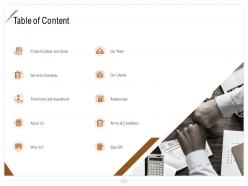
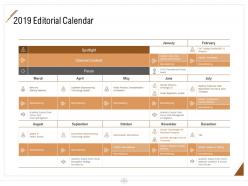
Content refers to a piece of information that has to be shared through any online and offline medium. The main purpose of creating any content is to convey a specific message to the target audience. Content is the king of digital marketing. Many organizations have content creators who create compelling content that engages the audience. Content creation is generally used to increase the traffic of websites and it can only be done when the body of content is relevant and liked by the audience. Introducing our topic-specific Content Creation Proposal PowerPoint Presentation Slides. You can provide a complete guide of your services to the clients by using this visually-attractive content management proposal PPT layout. With the help of our outwardly engaging content creation proposal presentation template, you can design an impressive proposal and stand out from the competition. In this eye-catching content proposal PowerPoint theme, you can write an interactive cover letter for the landing page of your proposal. The template contains a table of contents that include project context & goals, services schedule, timeframe & investment, client testimonials, terms & conditions, etc. In the project goals section, you can explain how you will increase the blog traffic of your client’s website. You can also showcase the different phases of your service schedule that consists of buyer personas, keyword search estimates, conversion opportunities, content management system, editorial calendar, key metrics, and performance indicators. Use this easy-to-customize content creation proposal PPT slide to describe the overall investment your client needs to do for your services. Incorporate this proposal PowerPoint theme and tweak your content according to your needs. The content proposal PPT template provides you with ample space where you can give a brief overview of your company to the clients. Help your clients in improving their search engine rankings by downloading our ready-to-use content creation proposal PowerPoint presentation slide.
People who downloaded this PowerPoint presentation also viewed the following :
Content Creation Proposal Powerpoint Presentation Slides with all 28 slides:
Inform folks about the jig with our Content Creation Proposal Powerpoint Presentation Slides. Acquaint them with the inner details.














FAQs for Content Creation Proposal
Focus on the big stuff first - scope, objectives, your content approach, and a solid timeline with milestones. Pricing needs to be crystal clear (nobody likes surprise fees later). Team bios and portfolio samples are huge - clients really do love seeing that stuff. Oh, and definitely spell out your revision process upfront. Trust me on this one. Communication plan too so you're not dealing with endless feedback loops. End with clear next steps so they know exactly what to do if they want to hire you. Basically show them you understand what they need AND that you can actually pull it off.
Honestly, just work backwards from what you're trying to achieve. Who actually needs to see this stuff? I'll usually throw together a quick persona - basic demographics, what pisses them off, where they scroll all day. But don't go crazy with it! Check your analytics first to see who's already vibing with your content. Maybe survey some customers or lurk around social media to confirm you're not totally off base. The whole point is getting specific enough that you can actually decide how to talk to them and where to post. Oh, and pick ONE main audience - trying to appeal to everyone is exhausting.
Focus on engagement rate and time on page - that's where the real gold is. Traffic looks impressive but doesn't actually tell you if people care about your content. Check your scroll depth too (seriously, this one's huge). Email signups and demo requests matter way more than vanity metrics. Social shares are nice for ego but comments show people are genuinely connecting. Oh, and set up tracking before you hit publish - learned that one the hard way. Give it 2-3 weeks minimum before you start panicking about numbers. Most content needs time to find its legs anyway.
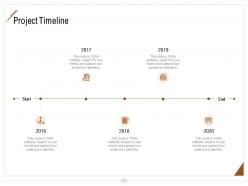
Okay so first thing - map out your phases like discovery, concepts, actual creation, revisions, all that. I learned the hard way to add 20% buffer time because clients will definitely change their minds or throw random requests at you. Build in specific checkpoints where they have to give feedback or approve stuff, otherwise projects just drag on forever. Oh and be super clear about how many revision rounds you're including upfront. Trust me on this one - present it as a timeline or chart instead of boring bullet points. Looks way more legit and they can actually follow what's happening when.
Look, market research is what stops your content from bombing completely. It shows you what people actually care about, not just your random ideas. Start with audience pain points - that's pure gold for content ideas. You can spot what competitors are missing and figure out which topics will hit. Honestly, I've seen too many campaigns fail because someone skipped this step. The data backs up your creative choices too, which makes selling the proposal so much easier. Don't just guess at consumption habits either - dig into how your audience actually consumes content.
Honestly, visuals are a game-changer for proposals. They break up those boring text blocks and help clients actually see what you're talking about. A good chart or mockup says way more than a whole paragraph ever could. People's attention spans are terrible now - I swear nobody reads anymore - so anything visual keeps them engaged. It also makes you look way more professional than your competition who just dumps walls of text everywhere. Use real examples from your past work if you've got them. Just make sure each visual actually serves a purpose instead of being random filler.
Honestly, start with mind mapping - Miro or XMind are solid for getting all your ideas out visually. I'm totally obsessed with Notion for content calendars and storing research, it's genuinely a game changer. Trello works well if you prefer tracking progress section by section. Google Docs for the actual writing, obviously. Quick tip though - create a basic template first in whatever you pick, then just brain dump everything before stressing about making it perfect. I learned that the hard way after spending hours organizing... nothing lol.
Okay so first thing - figure out what they're actually trying to accomplish. Their goals, who they're targeting, budget stuff, whatever. Then pitch your creative ideas as answers to THOSE problems, not just "hey look at this cool thing I thought of." I usually give them a safe option that checks all their boxes, plus something riskier that could really pop (people like options honestly). Be upfront about what could go wrong with each approach. The trick is showing you understand their business side first. Once they see that, they'll trust your creative judgment way more.
Okay so biggest mistake? Being way too vague about what you're actually delivering. Clients get weird when they don't know what they're paying for. Also don't undersell yourself - I did that for like two years and it was brutal. Timeline-wise, always pad your estimates because revisions will happen (they always do). Oh and figure out who owns the content upfront! That's saved me from so many headaches. Your revision policy needs to be super clear too or you'll end up doing infinite "quick tweaks." Honestly, scope creep will eat you alive if you're not careful about boundaries from day one.
Okay so first thing - break everything down super clearly. Production costs, talent, equipment, post-production, the whole deal. Always add like 10-15% buffer because something will go wrong, trust me. Show them exactly where each dollar goes since clients freak out about surprise costs later. I usually throw in a cost-per-deliverable breakdown too - makes your pricing look way more legit. Don't undercut yourself to win the gig. You'll be miserable and broke by week two. Oh, and spell out what's included versus extras upfront. Saves everyone headaches down the road.
Start with your specific angle - what you bring that others don't. Reference their recent stuff and actually understand their audience's problems. Generic "we create engaging content" proposals are trash, honestly. Instead, pitch concrete ideas and show your process. I always throw in a mini audit or strategy sample to prove I actually looked at their brand. Work samples should match their vibe too. Oh, and lead with the results you'll get them, not just what services you offer. Most people skip the homework part, but that's what gets you noticed.
Honestly, just bake feedback right into every step instead of waiting till the end. Do check-ins after your strategy pitch, first draft, then again before you wrap up. Trust me on this - over-communicate because revisions will drain your budget fast. Google Docs or Figma work great since clients can comment directly instead of those messy email threads that go nowhere. Here's the thing though: don't just ask "thoughts?" Give them specific questions to answer. Makes the whole process way less chaotic and you'll actually get useful feedback.
Definitely include 2-3 solid examples that actually relate to what they do. Real case studies with numbers - like "boosted blog traffic 150% in 6 months" or "pulled in 500 qualified leads with a video series." I always add one example that's slightly different just to show I'm not a one-trick pony. Focus on projects where you've got clear before/after data, not just follower counts (those don't mean much anyway). Analytics screenshots are gold if you have them. Pick stuff that matches exactly what they're asking for in the proposal.
Honestly, SEO research is make-or-break for content. You can't just write whatever and hope people stumble across it - that's not how Google works anymore. First thing I'd do is figure out what your audience actually types into search bars. Then check how competitive those keywords are. Tools like SEMrush are worth the money, though Google's free Keyword Planner works too if you're bootstrapping it. Look for those sweet high-volume, low-competition terms in your space. Also hunt for content gaps - stuff people want but nobody's covering well. That's where you can really win some traffic without fighting the big players.
Okay so first thing - hit them with a stat or problem they actually care about right off the bat. Then lay out what's broken, show how you'll fix it, and throw in some proof if you've got it. I always screw up the budget timing tbh, but save costs for later once they see the value. Think of it like telling a story: here's what sucks, here's how we fix it, here's why it works, here's what happens next. Don't dump walls of text on your slides - keep it visual. End with something concrete they can actually do and when. Oh, and practice those transitions between sections because that's honestly where most people bomb.
No Reviews