


Creating Marketing Strategy For Your Organization Complete Deck




Try Before you Buy Download Free Sample Product
 Impress Your
 Audience
 100%
100% Editable
 Save Hours
 of Time


A powerful marketing strategy can skyrocket your business to new heights. Marketing, however, is a very wide field. Businesses cannot leave any opportunity to pitch a customer wherever he or she might be. How do marketing executives ensure their marketing campaign will reach the audience and become a success. This extensively researched marketing strategy PPT is your answer to unleashing your marketing potential. Ensure that your product service value proposition is a killer one. Half the battle is won when a brand has a powerful value proposition that sets it apart from other competitors. Amplify this powerful value proposition with your marketing campaign that reaches potential customers at every stage of their buying journey- awareness, interest, decision, and action. Marketing professionals need to have complete knowledge of media mix and different media channels such as paid, owned, earned media etc. to leverage these for maximum impact. Through our marketing strategy templates , learn how to go step by step in building a marketing plan. Get fully editable marketing templates, target customer templates, market insights, customer purchase funnel, etc. to execute your plan effectively. Get the approval of your stakeholders for your marketing campaign by following this structured marketing approach that guarantees success and viral marketing.
People who downloaded this PowerPoint presentation also viewed the following :
Content of this Powerpoint Presentation
Slide 1: This slide introduces Creating Marketing Strategy for your Organization. State Your Company name and begin.
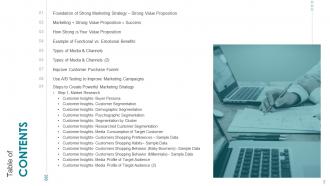
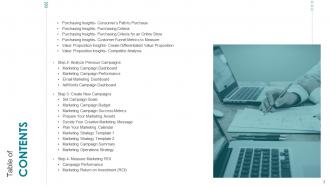
Slide 2: This slide displays Table of Contents Of the Presentation.
Slide 3: This slide displays the Content.
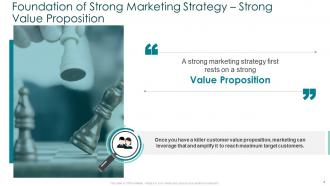
Slide 4: This slide showcases Foundation of Strong Marketing Strategy – Strong Value Proposition.
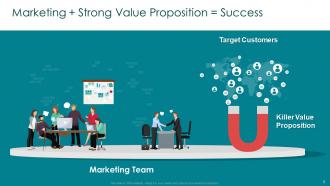
Slide 5: This slide depicts Marketing + Strong Value Proposition = Success
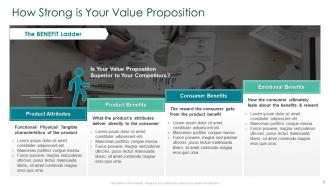
Slide 6: This slide describes How Strong is Your Value Proposition.
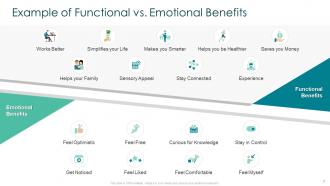
Slide 7: This slide showcases Example of Functional vs. Emotional Benefits.
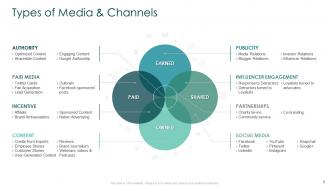
Slide 8: This slide depicts Types of Media & Channels.
Slide 9: This slide displays Types of Media & Channels.
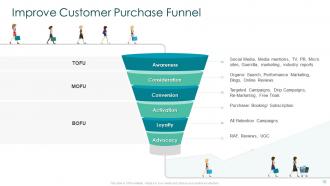
Slide 10: This slide describes to Improve Customer Purchase Funnel.
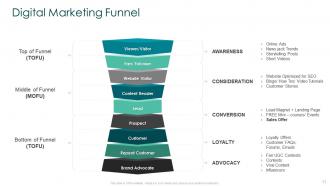
Slide 11: This slide presents Digital Marketing Funnel.
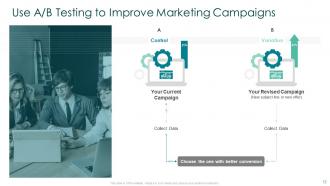
Slide 12: This slide describes to Use A/B Testing to Improve Marketing Campaigns.
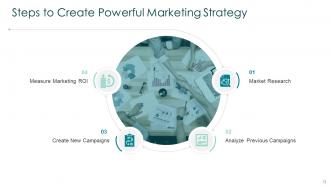
Slide 13: This slide explains the Steps to Create Powerful Marketing Strategy.
Slide 14: This slide depicts the Market Research.
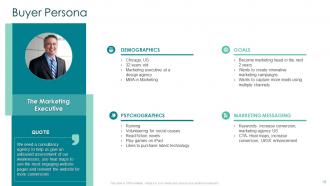
Slide 15: This slide showcases The Marketing Executive.
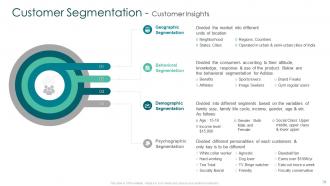
Slide 16: This slide depicts Customer Segmentation - Customer Insights.
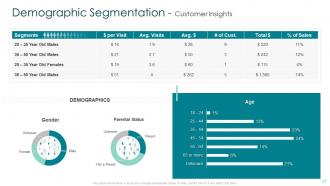
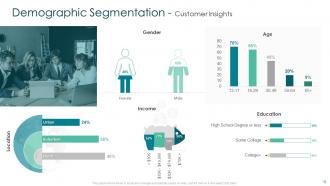
Slide 17: This slide showcases Demographic Segmentation - Customer Insights.
Slide 18: This slide describes Demographic Segmentation - Customer Insights.
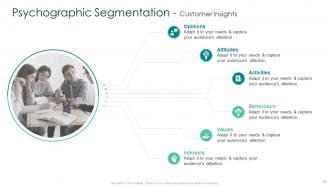
Slide 19: This slide showcases Psychographic Segmentation - Customer Insights.
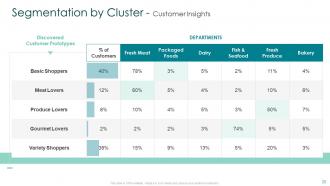
Slide 20: This slide depicts Segmentation by Cluster - Customer Insights.
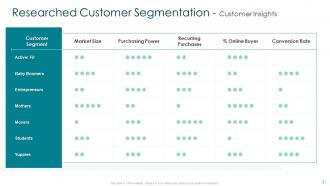
Slide 21: This slide showcases Researched Customer Segmentation - Customer Insights.
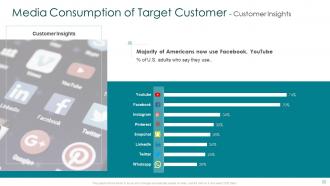
Slide 22: This slide showcases Media Consumption of Target Customer - Customer Insights.
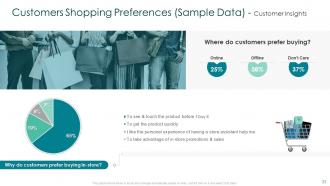
Slide 23: This slide depicts Customers Shopping Preferences.
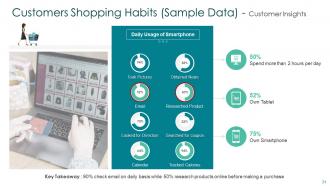
Slide 24: This slide represents Customers Shopping Habits.
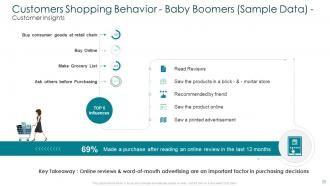
Slide 25: This slide shows Customers Shopping Behavior.
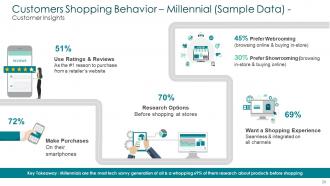
Slide 26: This slide showcases Customers Shopping Behavior – Millennial.
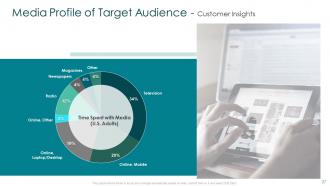
Slide 27: This Media Profile of Target Audience - Customer Insights
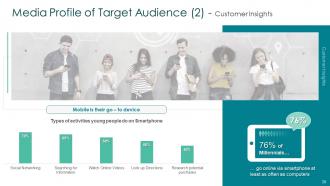
Slide 28: This slide showcases Media Profile of Target Audience- Customer Insights.
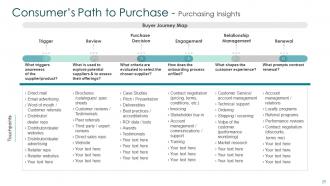
Slide 29: This slide shows Consumer’s Path to Purchase - Purchasing Insights.
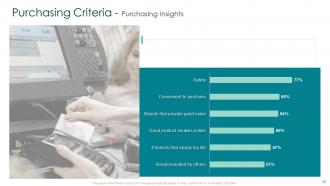
Slide 30: This slide depicts Purchasing Criteria - Purchasing Insights.
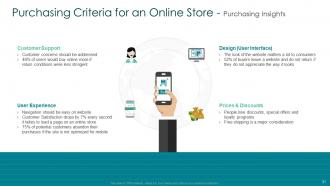
Slide 31: This slide represents Purchasing Criteria for an Online Store - Purchasing Insights.
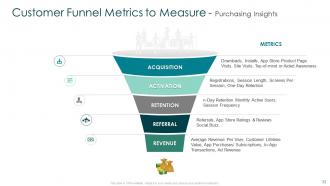
Slide 32: This slide depicts Customer Funnel Metrics to Measure - Purchasing Insights.
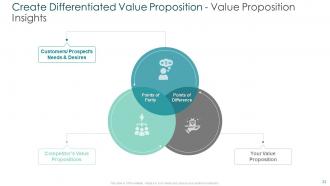
Slide 33: This slide describes to Create Differentiated Value Proposition - Value Proposition Insights.
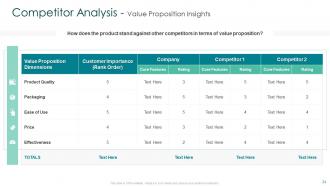
Slide 34: This slide represents Competitor Analysis - Value Proposition Insights.
Slide 35: This slide tells to Analyse Previous Campaigns.
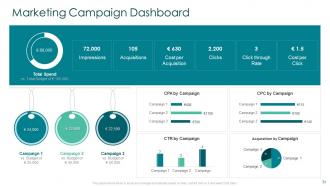
Slide 36: This slide represents Marketing Campaign Dashboard.
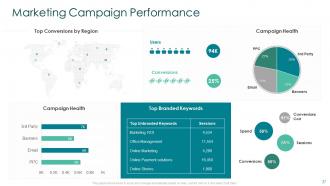
Slide 37: This slide depicts Marketing Campaign Performance.
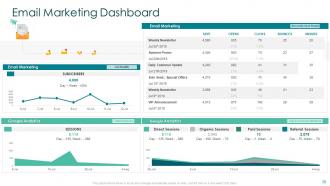
Slide 38: This slide describes Email Marketing Dashboard.
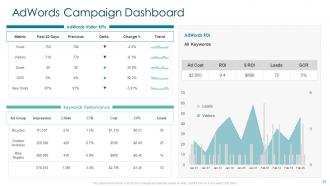
Slide 39: This slide showcases AdWords Campaign Dashboard.
Slide 40: This slide describes about Creating New Campaigns.
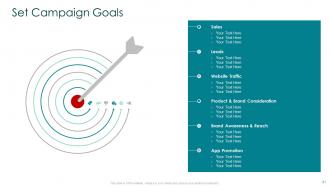
Slide 41: This slide describes about Setting Campaign Goals.
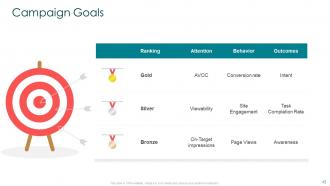
Slide 42: This slide showcases Campaign Goals.
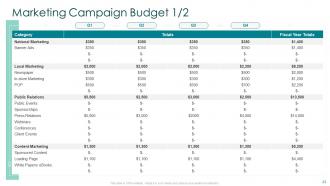
Slide 43: This slide depicts Marketing Campaign Budget.
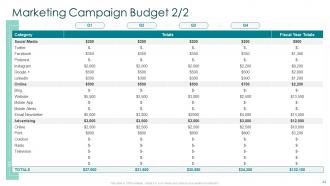
Slide 44: This slide describes about Marketing Campaign Budget.
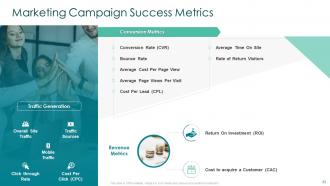
Slide 45: This slide describes about Marketing Campaign Success Metrics.
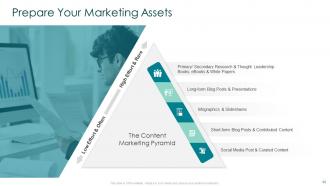
Slide 46: This slide displays about Prepare Your Marketing Assets.
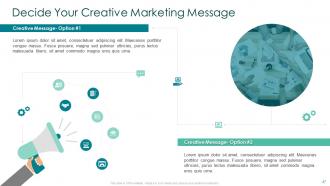
Slide 47: This slide tells to Decide Your Creative Marketing Message.
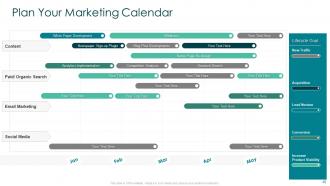
Slide 48: This slide tells to Plan Your Marketing Calendar.
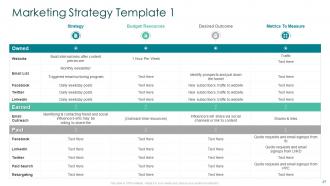
Slide 49: This slide showcases Marketing Strategy Template 1.
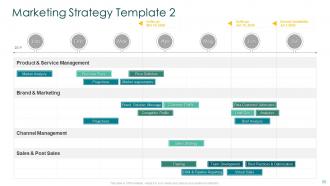
Slide 50: This slide shows Marketing Strategy Template 2.
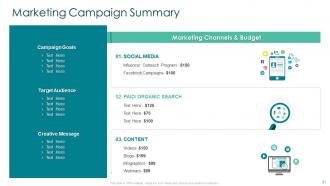
Slide 51: This slide depicts Marketing Campaign Summary.
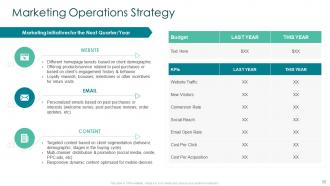
Slide 52: This slide presents Marketing Operations Strategy.
Slide 53: This slide shows Measure Marketing ROI.
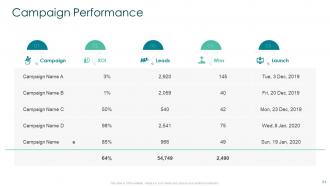
Slide 54: This slide displays Campaign Performance
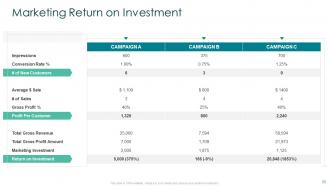
Slide 55: This slide represents Marketing Return on Investment.
Slide 56: This is Icons Slide for Creating Marketing Strategy for your Organization
Slide 57: This slide is titled as Additional Slides for moving forward.
Slide 58: This is Welcome to Our Agenda slide. State your agendas here.
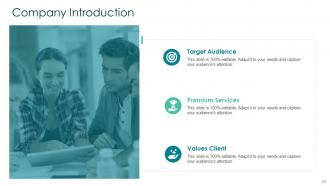
Slide 59: This slide displays Company Introduction.
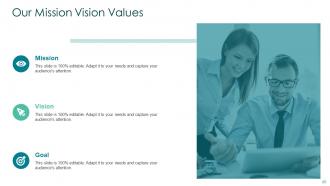
Slide 60: This slide showcases Our Mission Vision Values.
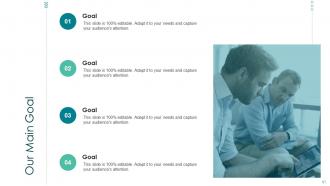
Slide 61: This is Our Main Goal slide. State your Company goals.
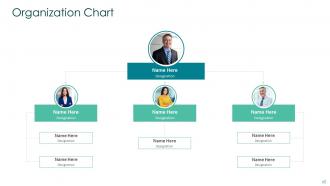
Slide 62: This slide displays Organization Chart.
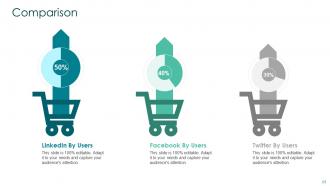
Slide 63: This is Comparison slide to showcase comparison between Linkedin, Facebook and twitter users.
Slide 64: This slide displays Bar Chart with product comparison.
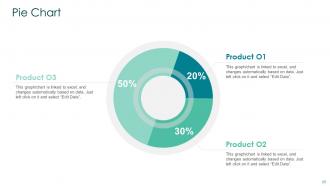
Slide 65: This slide displays Pie Chart with product comparison.
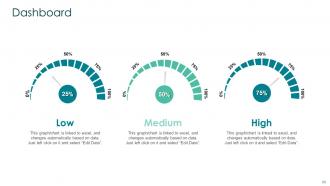
Slide 66: This is Dashboard slide.
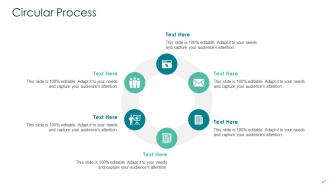
Slide 67: This slide displays Circular Process.
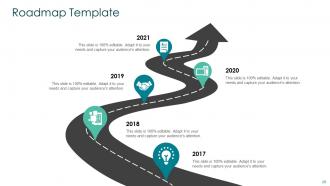
Slide 68: This slide showcases Roadmap Template.
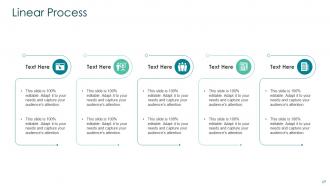
Slide 69: This slide describes Linear Process.
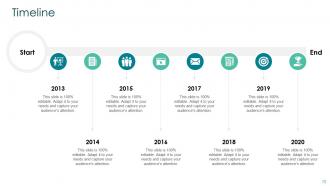
Slide 70: This slide displays Timeline process.
Slide 71: This is Thank You slide with Email Address, Contact number, Address.
Creating Marketing Strategy For Your Organization Complete Deck with all 71 slides:
Use our Creating Marketing Strategy For Your Organization Complete Deck to effectively help you save your valuable time. They are readymade to fit into any presentation structure.




FAQs for Creating Marketing Strategy For Your
So first things first - really dig into who your audience actually is. That's honestly the hardest part but makes everything else click. Then you'll want to scope out your competition and figure out what makes you different. Budget's obviously crucial (ugh, numbers), plus you need solid goals you can actually measure. Pick channels where your people genuinely spend time, not just the trendy ones. Timeline and KPIs help you see if you're not just throwing money into the void. The trick is getting all these moving parts to play nice together instead of doing random stuff. Once you nail the audience thing though, the rest gets way more straightforward.
Honestly, demographics are everything when it comes to marketing strategy. You can't just throw stuff at the wall and hope it sticks. Age, income, interests - all that stuff tells you which platforms to use and what kind of messaging actually works. I mean, running TikTok ads for retirement planning would be pretty ridiculous, right? Once you know your ideal customer inside and out, it becomes way easier to decide where to spend your budget and how to craft your offers. The creative approach and timing all flow from there. Really spend time figuring out who you're targeting first - everything else builds off that foundation.
Honestly, market research is like doing your homework before a big test. You'll figure out who actually wants your stuff and what they're willing to pay for it. Skip this step and you're basically throwing darts blindfolded - might hit something, probably won't. I've seen people blow their entire budget targeting completely wrong audiences because they assumed instead of asking. Look at your existing customer data first, then check what competitors are doing. Yeah, it's not the fun part of business, but it beats launching something that flops spectacularly.
Track your ROI, conversion rates, and customer acquisition costs first - that's the money stuff that actually matters. But also watch engagement metrics like social shares and email opens because those show if people give a damn about what you're saying. Brand awareness surveys are gold too, even though they're annoying to set up. Oh, and definitely get your tracking sorted before you launch anything (learned that the hard way). Check in monthly to see what's working. Some campaigns look great on paper but totally flop in real life.
So B2B is all about logic and ROI - you're dealing with decision-makers who have to justify every penny they spend. Consumer marketing? Totally different beast. You're hitting emotions and impulse purchases. With B2B, expect longer sales cycles (we're talking months sometimes), way more educational content, and relationship building. LinkedIn posts, detailed case studies, that whole thing. B2C moves fast though - people might buy instantly after seeing your ad on Instagram. Honestly, the biggest thing is just knowing who you're talking to and what drives them.
Social media's solid for getting your name out there and actually talking to customers - way better than just hoping they find you. Pick maybe 2 platforms max where your people actually spend time. Instagram's perfect if you've got good visuals, LinkedIn if you're doing B2B stuff, TikTok for Gen Z (though honestly TikTok still confuses me sometimes). Don't just post and ghost - reply to comments and DMs. Track what posts do well so you're not just throwing stuff at the wall. Focus on helpful content instead of constantly trying to sell. Consistency beats perfection every time.
Stop broadcasting and start actually talking to people - that's the biggest thing. Quick replies to comments make a huge difference, and ask questions that get people talking back. Email segmentation is where it's at too. Send different stuff based on what people actually buy or browse. The brands that don't sound corporate always crush it, honestly. User-generated content gets people involved, loyalty programs keep them around. Oh and don't spread yourself thin - pick whatever platform your customers use most and get really good at engaging there first. Way better than being mediocre everywhere.
Think of content marketing as how you build trust without being annoying about it. You're helping people solve real problems instead of just screaming "buy our stuff!" Super effective way to show you know what you're talking about. Plus everything else you do kinda feeds off it - your social posts, emails, what your sales people say. I'd honestly start by writing down all the questions your customers keep asking you (you probably know them by heart already). Just make sure whatever you create actually matches where people are in their buying journey. Way better than cold pitching strangers.
So there's this 70-20-10 rule that actually works pretty well - 70% goes to channels you know perform, 20% to stuff that's showing promise, and 10% for random experiments. Sounds boring but honestly it keeps you from blowing your budget on shiny new tactics. Track your customer acquisition costs monthly and move money around if something tanks. I learned this the hard way after dumping too much into unproven channels last year. Keep most money in safe bets, but don't get stuck there forever.
Honestly, you've gotta stay flexible and watch where your audience actually hangs out. I'd test small campaigns on new platforms before dumping money into them - like, who saw TikTok coming five years ago? Now it's everywhere. Set aside maybe 10-15% of your budget for experimenting with whatever's hot - AI personalization, interactive stuff, you know. Your data will show what's actually working vs what's just hype. But here's the thing - don't ditch strategies that are already crushing it just because something's trendy. Build on what works, then slowly mix in new approaches that make sense for your brand.
Oh man, cultural stuff makes such a huge difference in marketing! I made this mistake once where we totally bombed because we didn't get the local vibe. Colors mean different things everywhere. Religious stuff matters too. Your messaging tone that works in the US might sound way too aggressive in Japan, you know? Communication styles are so different between cultures. Before launching anything big, you really gotta dig into local research and test with focus groups there. Product positioning that kills it in one market can completely flop somewhere else - it's wild how different people respond to the same thing.
Here's what worked for me - dig into what your competitors are actually saying, not just what you assume they're doing. Look for the gaps they're missing. Like if everyone's screaming "premium quality" but customers just want something affordable and easy, that's your opening right there. Skip the generic buzzwords completely. Get specific about what makes you different and test it with real people first. I spent way too much time overthinking this part honestly. Pick one solid thing that sets you apart and stick with it everywhere. The consistency matters more than being clever.
Think of data analytics like GPS for your marketing budget. It shows you what's actually working versus what's just draining cash. You can see which campaigns bring real customers, figure out who your best audiences are, and catch trends early. Without it, you're basically throwing money around and hoping something sticks - which honestly feels pretty dumb in 2024. The data tells you when to pump more money into winners and when to kill the losers fast. Even just setting up basic Google Analytics will change how you spend and who you target.
Figure out what makes your brand actually special first - that's your foundation. Then sprinkle that story everywhere: website, social, emails, even how your team talks to customers. Instagram works great for visual storytelling, while your blog can dive into the messy behind-the-scenes stuff (people love that). Don't make it sound like a press release though - authenticity beats polished corporate nonsense every time. Make sure everyone on your team gets the story so they're not just winging it during customer calls or brainstorming sessions.
SEO is like having a traffic machine that runs 24/7 without you lifting a finger. People who find you through search are already looking for what you're selling - way better than shoving ads in random faces. It makes everything else work better too. Your social posts, paid ads, even email campaigns get a boost when you show up organically. Here's the best part: once you rank, that traffic keeps coming even if you're not spending money on ads anymore. Honestly, I wish I'd started focusing on it sooner. Just figure out what your customers actually search for, then create content that answers their real questions.
-
Best Representation of topics, really appreciable.
-
Excellent products for quick understanding.
-
Awesome use of colors and designs in product templates.
-
It saves your time and decrease your efforts in half.
-
Great experience, I would definitely use your services further.