


Marketing effectiveness powerpoint presentation slides




Try Before you Buy Download Free Sample Product
 Impress Your
 Audience
 100%
100% Editable
 Save Hours
 of Time


Showcase the steps to position your product in the marketplace efficiently by using our content ready Marketing Efficiency PowerPoint Presentation Slides. You can explain how to monitor the market size of your brand with the aid of this visually appealing market research PPT theme. Use this market opportunity analysis presentation template to highlight the factors that help in achieving long-term and short-term business goals. With the help of market survey PowerPoint graphic, you can elaborate on creating customer loyalty that improves the brand positioning as well. Take advantage of this professionally designed marketing channel effectiveness PPT layout and portray the ways that help to analyze the market trend. Talk about the brand awareness and grab the attention of your target audience with the assistance of marketing strategy PowerPoint complete deck. Illustrate in clear steps how to deliver the right quality of product to the audience by downloading our ready-to-use effectiveness metrics presentation slides.
People who downloaded this PowerPoint presentation also viewed the following :
Content of this Powerpoint Presentation
Slide 1: This slide introduces Marketing Effectiveness. State your company name and begin.
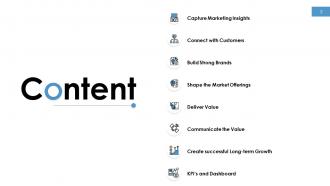
Slide 2: This slide displays the Content of the presentation.
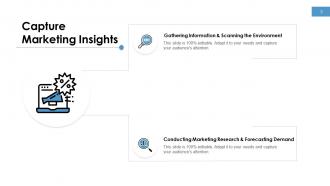
Slide 3: This slide showcases Capture Marketing Insights.
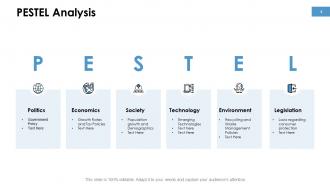
Slide 4: This slide displays PESTEL Analysis.
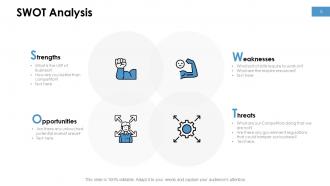
Slide 5: This slide showcases SWOT Analysis to analyze threats, strengths, weaknesses, opportunities.
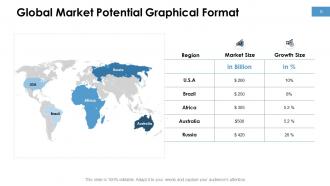
Slide 6: This slide depicts Global Market Potential Graphical Format.
Slide 7: This slide showcases Global Market Potential Tabular Format.
Slide 8: This slide depicts Market Survey Insights.
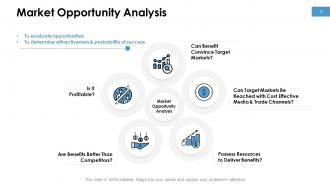
Slide 9: This slide showcases Market Opportunity Analysis.
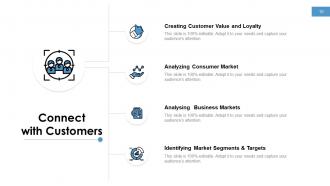
Slide 10: This slide describes Creating Customer Value and Loyalty.
Slide 11: This slide describes Creating Customer Value.
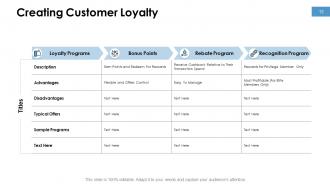
Slide 12: This slide showcases Creating Customer Loyalty with- Titles, Loyalty Programs, Bonus Points, Rebate Program, Recognition Program.
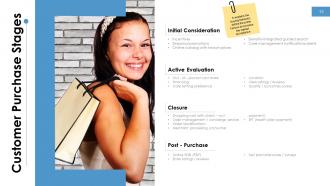
Slide 13: This slide depicts Customer Purchase Stages.
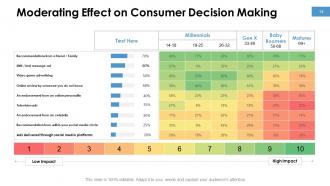
Slide 14: This slide depicts Moderating Effect on Consumer Decision Making.
Slide 15: This slide describes the Medium that Influence Purchase Decision.
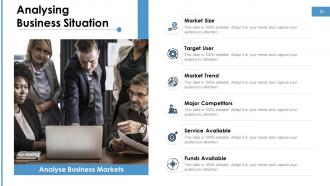
Slide 16: This slide discusses Analysing Business Situation.
Slide 17: This slide depicts Consumer Market Segmentation.
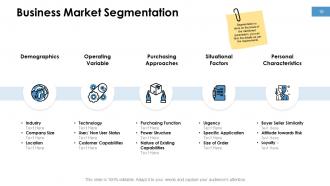
Slide 18: This slide showcases Business Market Segmentation. Segmentation is done on the basis of the mentioned parameters, you can fill in the details as per the requirements.
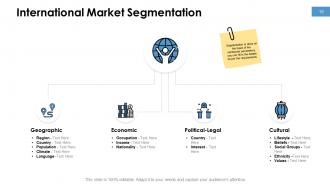
Slide 19: This slide describes International Market Segmentation.
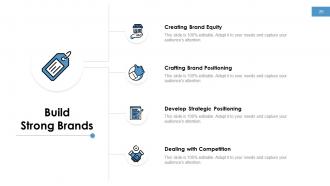
Slide 20: This slide describes Build Strong Brands such as- Crafting Brand Positioning, Develop Strategic Positioning, Dealing with Competition, Creating Brand Equity.
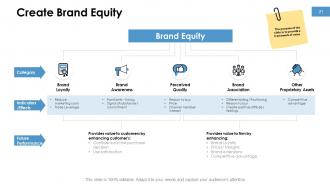
Slide 21: This slide depicts Future Performance Indicators. The purpose of the slide is to provide a framework of value
Slide 22: This slide describes Crafting Brand Positioning.
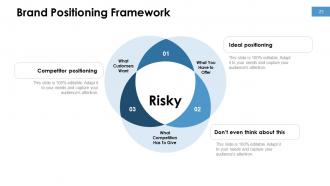
Slide 23: This slide depicts Brand Positioning Framework.
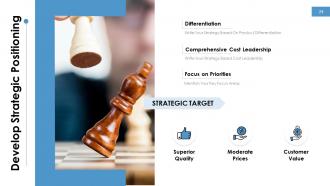
Slide 24: This slide showcases how to Develop Strategic Positioning.
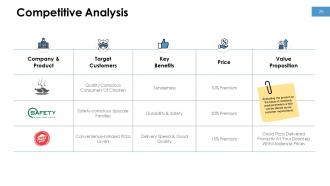
Slide 25: This slide describes Competitive Analysis.
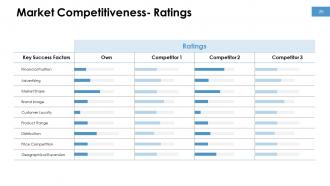
Slide 26: This slide showcases Market Competitiveness- Ratings.
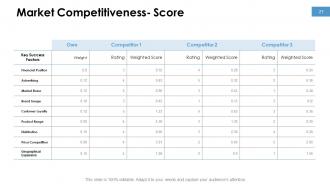
Slide 27: This slide represents Market Competitiveness- Score.
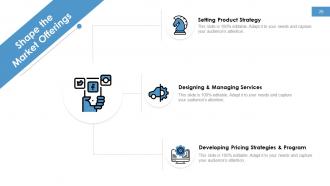
Slide 28: This slide showcases Developing Pricing Strategies & Program
Slide 29: This slide describes Price Positioning. Mention key attributes, strategies etc.
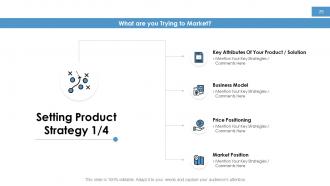
Slide 30: This slide discusses Setting Product Strategy.
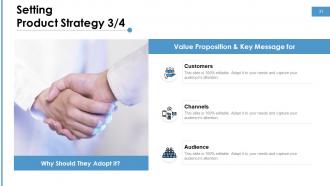
Slide 31: This slide describes about Setting Product Strategy containing- 3/4 Customers, Channels, Audience, etc.
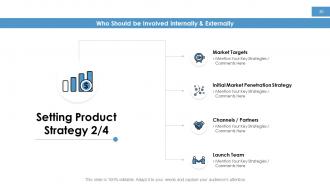
Slide 32: This slide discusses Setting Product Strategy.
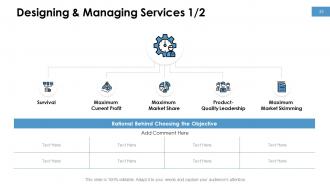
Slide 33: This slide describes Designing & Managing Services. This slide is 100% editable. Adapt it to your needs and capture your audience's attention.
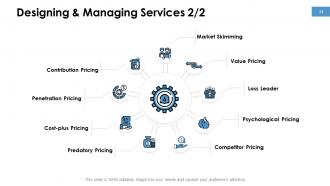
Slide 34: This slide also describes Designing & Managing Services.
Slide 35: This slide showcases Strategies and Programs.
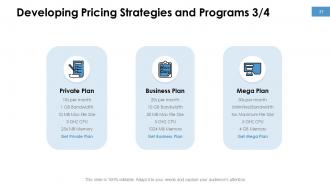
Slide 36: This slide describes Developing Pricing Strategies and Programs.
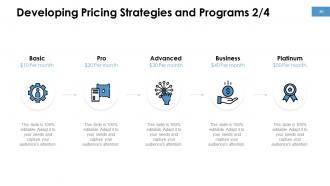
Slide 37: This slide also describes Developing Pricing Strategies and Programs.
Slide 38: This slide depicts Developing Pricing Strategies and Programs.
Slide 39: This slide describes Managing Channel Partner.
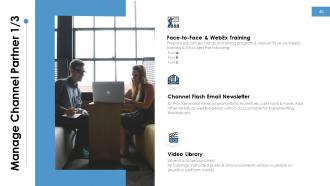
Slide 40: This is also Manage Channel Partner slide with- Face-to-Face & WebEx Training, Channel Flash Email Newsletter, Video Library.
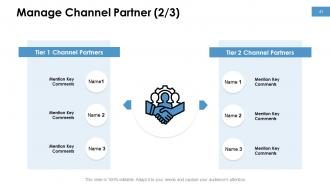
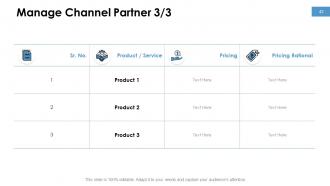
Slide 41: This slide describes Managing Channel Partner.
Slide 42: This slide also describes Managing Channel Partner.
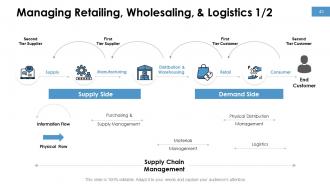
Slide 43: This slide discusses Managing Retailing, Wholesaling, & Logistics.
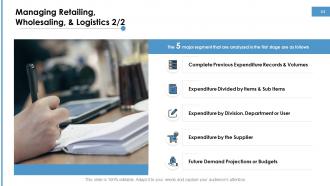
Slide 44: This slide also describes Managing Retailing, Wholesaling, & Logistics with the 5 major segment that are analyzed in the first stage.
Slide 45: This slide showcases Marketing Reach by Channels.
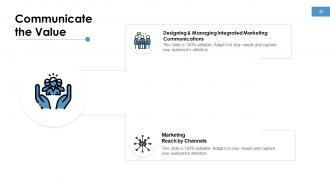
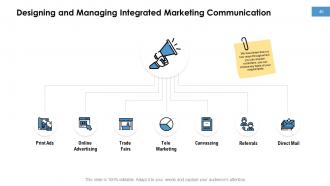
Slide 46: This slide discusses Designing and Managing Integrated Marketing Communication. We have listed down a few ways through which you can acquire customers, you can choose any basis of your requirements
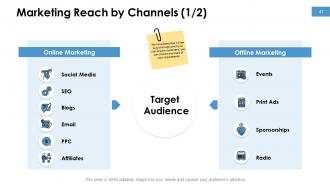
Slide 47: This slide showcases Marketing Reach by Channels. We have listed down a few ways through which you can acquire customers, you can choose any basis of your requirements.
Slide 48: This slide depicts Marketing Reach by Channels.
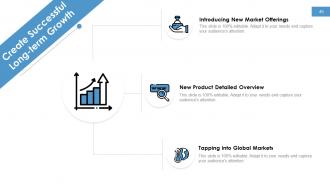
Slide 49: This slide describes to Create Successful Long-term Growth.
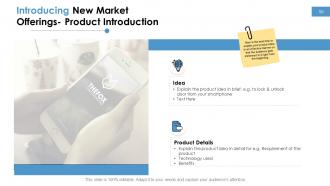
Slide 50: This slide showcases Introducing New Market Offerings- Product Introduction.
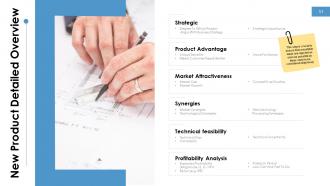
Slide 51: This slide describes New Product Detailed Overview.
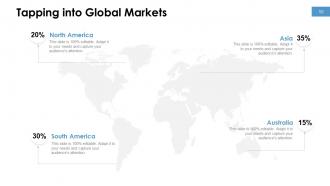
Slide 52: This slide describes Tapping into Global Markets.
Slide 53: This slide displays Dashboard and KPIs.
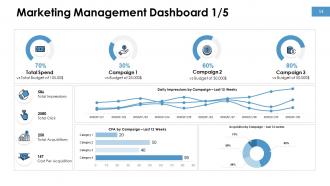
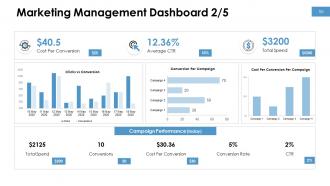
Slide 54: This slide depicts Marketing Management Dashboard.
Slide 55: This slide showcases Marketing Management Dashboard.
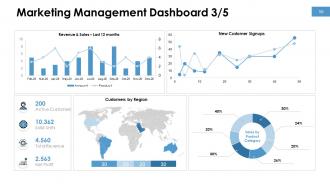
Slide 56: This slide showcases Marketing Management Dashboard with net profit, active customers, solid units, total revenue, etc.
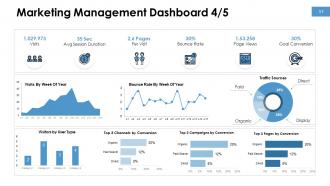
Slide 57: This slide displays Marketing Management Dashboard.
Slide 58: This slide depicts Marketing Management Dashboard with spend revenue, ROI, ROI per marketing channel.
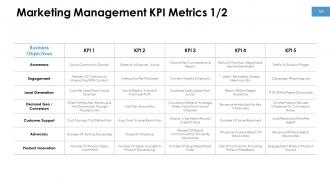
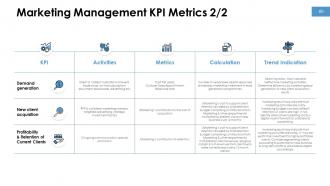
Slide 59: This slide showcases Marketing Management KPI Metrics.
Slide 60: This slide depicts Marketing Management KPI Metrics.
Slide 61: This is Marketing Effectiveness Icons Slide.
Slide 62: This slide is titled as Additional Slides for moving forward.
Slide 63: This slide reminds about Coffee Break.
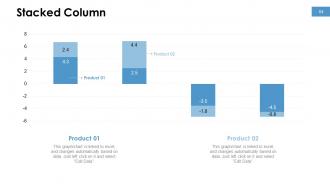
Slide 64: This slide displays Stacked Column chart with product comparison.
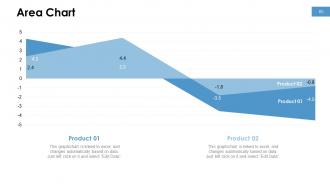
Slide 65: This slide displays the Area Chart with different product comparison.
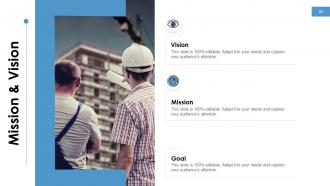
Slide 66: This is Mission & Vision slide. Showcase vision, mission and goals.
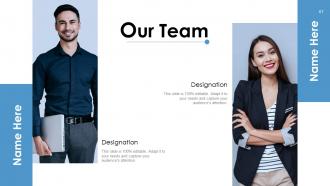
Slide 67: This is Our Team slide with names and designation.
Slide 68: This is Our Goal slide. State your goals.
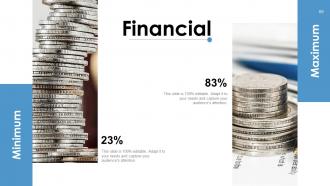
Slide 69: This is Financial slide. Showcase finance related stuff here.
Slide 70: This is Thank You slide with address, email address and contact number.
Marketing effectiveness powerpoint presentation slides with all 70 slides:
Use our Marketing Effectiveness Powerpoint Presentation Slides to effectively help you save your valuable time. They are readymade to fit into any presentation structure.








FAQs for Marketing effectiveness
Honestly, focus on conversion rate, CAC, and lifetime value first - those actually show if your marketing's working. Click-through rates? Meh, they're nice but don't pay the bills. You'll also want ROAS for each channel and attribution tracking since people almost never buy on the first visit. Oh, and engagement stuff like time on site matters too, especially for brand campaigns. My advice though? Pick like 3-5 metrics that actually connect to your goals instead of drowning in data. Trust me on this one.
Okay so first thing - figure out what "winning" actually means before you launch anything. Sales? Brand buzz? Whatever it is, pick ONE thing per campaign or you'll go crazy trying to measure everything. The math part's easy: (Revenue - What You Spent) / What You Spent x 100. But honestly? Most people mess up the tracking. You need UTM codes, conversion pixels, promo codes - basically breadcrumbs so you can see which channel actually worked. I've seen teams throw money at Facebook ads for months without knowing if they're working because their attribution was totally broken. Don't be those guys.
Okay so customer segmentation is basically a game-changer because you'll actually stop throwing money at campaigns nobody cares about. Like, why would you market the same way to millennials and boomers? Makes no sense. When you break people into groups, you can hit their actual pain points instead of some generic message that falls flat. Your conversion rates shoot up, and you're not burning cash on the wrong audience. Honestly, I'd just pick 3-4 main customer types and build separate campaigns around each one. Way more effective than the spray-and-pray approach most people do.
Okay so A/B testing is basically where you stop guessing and actually figure out what works. Split your audience in half - one group sees version A, other sees B, then compare the results. I'm telling you, it's weirdly satisfying watching the data come in. The trick is changing just one thing at a time (otherwise you won't know what made the difference). Maybe start with email subject lines or ad copy? Super simple but you'd be shocked how tweaking a few words can bump your conversions up like 20%. Worth trying for sure.
Start with Google Analytics - it's free and tracks everything you need. I use Buffer for social media analytics, though Hootsuite works too. Mailchimp handles email stats pretty well. Honestly? I wasted so much time with Excel spreadsheets before finding these tools. Facebook Ads Manager and Google Ads have their own tracking built in, which saves headaches. Don't go crazy at first - just pick GA and one social tool. You can always add more later when things get messy. Way better than trying to juggle ten different dashboards from day one.
Think of brand awareness and retention as your marketing's power duo. Awareness gets people in the door, but retention? That's where you actually make money. When folks already know your brand, sales conversations get way easier - they're not starting from zero trust. Keeping current customers is like 5x cheaper than hunting for new ones (or something crazy like that). Plus your loyal customers become walking advertisements. They'll tell their friends without you even asking. Don't track these separately though - you need both working together to really see growth.
Honestly, user-generated content is like gold for your business. Real customers talking about your stuff? That beats any fancy ad you could make. People just don't trust brands the same way - we're all skeptical of marketing these days, right? But when someone sees another person raving about your product, that's when the magic happens. You're getting free content AND building trust at the same time. I'd focus on making it super easy for customers to leave reviews and share photos. Then put that stuff everywhere - your website, Instagram, wherever people are looking. Trust me on this one.
Ugh, yeah consumer behavior changes can totally screw over your marketing if you're not watching. People's shopping habits shift, they start using different apps, whatever - and suddenly your campaigns are talking to nobody. QR codes are a perfect example actually - everyone said they were dead until COVID made them cool again lol. You've gotta check your data regularly and be ready to switch things up. That strategy that killed it last month? Might be useless now. I'd set up weekly analytics reviews or something. Don't fall in love with tactics just because they worked before.
So you want the classic AICA funnel - awareness, interest, consideration, conversion. Think of it like dating someone from "who are you?" to "let's get married." Top-funnel content gets people's attention first. Then email sequences work really well for building trust over time. Make sure your calls-to-action are obvious at every step. Landing pages need to actually convert (test everything). Oh and retention's huge - way cheaper than hunting for new customers constantly. I'd start by tracking where people currently bail out of your funnel. That's probably where you're bleeding the most money right now.
Honestly, social media analytics are a game changer - they show you what's actually working instead of what you *think* is working. You'll see which posts get real engagement and when your audience is online most. The demographic stuff always surprises me too, like sometimes you're reaching completely different people than you expected. ROI tracking across platforms is clutch, and you can follow the whole path from someone clicking your post to buying something. Oh and don't obsess over checking daily - pick maybe 3 key metrics that match your goals and review weekly. Way less stressful that way.
Dude, personalization is a game changer because it makes people feel seen. Most brands are terrible at this btw - they just blast generic stuff at everyone. When you actually tailor things based on what customers bought or browsed, they'll engage way more. It's the difference between having a real conversation vs screaming at strangers. Your click rates and conversions will thank you. Start with simple email segments - like grouping people by purchase history. Even basic personalization can literally double engagement. I've seen it happen so many times it's wild.
Dude, the main things that kill marketing campaigns? Bad targeting is huge - you're basically throwing money at people who'll never buy. Mixed messaging across channels confuses everyone too. Oh, and teams obsess over vanity metrics like impressions instead of tracking what actually moves the needle. Most people just launch stuff then ghost it instead of babysitting performance. The sales handoff thing is brutal though - your leads look amazing but nobody's closing them. I'd honestly start by checking what you're actually measuring and make sure it connects to real conversions, not just pretty dashboard numbers.
Okay so first thing - track conversions, not just clicks. Most people get obsessed with vanity metrics but who cares if nobody's actually buying? Set up attribution models so you can see the whole customer journey. Then figure out which audience segments are worth your money (spoiler: probably way fewer than you think). A/B test your emails and landing pages based on what the data's telling you. Oh and definitely connect everything back to actual revenue - like, build dashboards showing ROI by channel. That way you'll know where to spend more and where to cut the dead weight.
Dude, you HAVE to optimize for mobile. Like 60% of people browse on their phones now. Your landing pages need to load fast and actually work on small screens, otherwise people just bounce immediately. I totally screwed this up last year - had this campaign that looked amazing on desktop but was completely broken on mobile. What a waste of money. Google also ranks mobile-friendly sites higher, so you get better organic traffic too. Honestly, just test everything on your phone first. If you're getting frustrated trying to navigate your own stuff, imagine how your customers feel. Better engagement, more conversions - it's pretty much a no-brainer at this point.
So competitive analysis is basically your roadmap to not screwing up. Look at what's working for your competitors and what's bombing hard. You'll find gaps they're missing, see which messages are way overdone, and figure out how to stand out. It's honestly like cheating off the smart kid's test lol. Plus you can check if your campaigns are actually keeping up with everyone else. I'd start with maybe 3-5 direct competitors - dig into their recent stuff and see what channels they're obsessed with right now.
-
Great designs, really helpful.
-
Awesome use of colors and designs in product templates.
-
Easily Understandable slides.
-
Unique design & color.
-
Content of slide is easy to understand and edit.